
Lawn
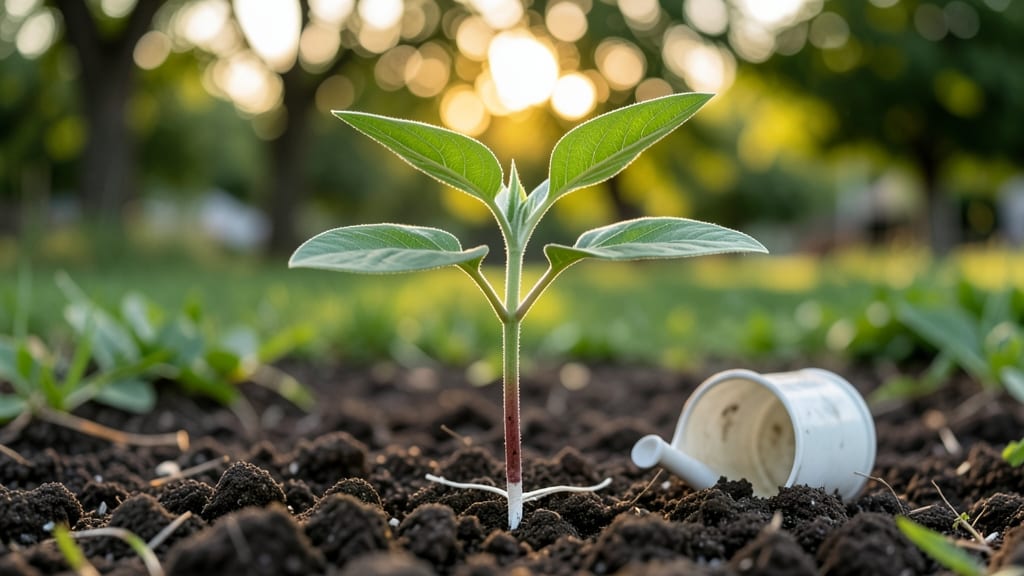
Planting a single sunflower seed might seem small, but it’s the start of something extraordinary—a 10-foot-tall giant that will steal the show in your garden by summer. 🌻 I’ve grown sunflowers from seed for years, and there’s nothing like watching that first green shoot crack through the soil, knowing you’re nurturing a plant that could reach your rooftop.
The beauty of starting with just one seed is simplicity: no overcrowding, no competition for nutrients, and a foolproof way to see every stage of growth up close.
You’ll need a sunny spot with at least 6 hours of light daily, loose soil that drains well, and patience—sunflowers take their time but reward you with bold, cheerful blooms by midsummer.
By day 60, you’ll have a towering stalk with a face-turning bloom, ready to attract bees and add drama to your space. The key is consistency: water deeply once a week (unless it rains) and watch for pests like slugs early on.
This isn’t just gardening—it’s growing a little piece of summer you can’t buy at a store.
Whether you’re a beginner or a seasoned gardener, this project proves big results start small. Grab that seed, find a spot, and let’s grow something spectacular together.
📚 In This Guide
- What you need
- Instructions
- Tips and common mistakes
- Wrapping up and next steps
What you need
- ● Single sunflower seed: Choose a non-GMO, heirloom variety (e.g., Mammoth or Autumn Beauty) for best results.
- ● Biodegradable seedling pot (4-6 inches): 1–2 pots (or a small peat pot) to start.
- ● Potting soil: 2–3 cups of well-draining, seed-starting mix (avoid garden soil—it’s too dense!).
- ● Spray bottle (8 oz): For gentle watering without disturbing the seed.
- ● Grow light or sunny windowsill: 6+ hours of sunlight daily (or a 12–16 hour LED grow light if indoors).
- ○ Planting tray or flat (optional but helpful): To organize multiple pots.
- ● Seedling heat mat: Keeps soil warm (70–75°F) for faster germination.
- ● Fertilizer (balanced 10-10-10 or compost tea): 1 tsp diluted in water every 2–3 weeks after sprouting.
- ● Plant labels: Mark the pot with the seed type and planting date.
- ● Trellis or stake (for later): If growing indoors, a 3–4 ft stake supports tall varieties.
- ● Humidity dome: Speeds up germination by retaining moisture.
Step-by-Step guide to growing a sunflower from one seed
Watch a single seed transform into a sunflower that towers over your garden in just two months.
🌱 Step 1: Prepare the Seed for Planting
Soak the sunflower seed in a small bowl of warm water for 12 hours before planting. This softens the hard outer shell and jumpstarts germination. Place the bowl in a warm spot—70-75°F works best—so the seed absorbs moisture quickly. You'll see the seed plump up noticeably, which means it's ready for the soil.
After soaking, gently pat the seed dry with a paper towel. This prevents it from rotting once planted. I like to keep the seed in a sealed plastic bag with a damp paper towel for an extra hour if it feels too wet. The goal is moisture without slime—just enough to encourage sprouting without inviting mold.
🪴 Step 2: Plant in a Deep Container or Directly in Soil
Fill a 6-inch deep container with well-draining potting mix or plant directly in a garden bed where the sunflower will have full sun for at least 6 hours daily. Press the mix down lightly to create a firm planting surface. Dig a hole 1 inch deep—just enough to cover the seed without burying it too deeply.
Place the seed in the hole with the pointed end facing upward. Cover it with soil and press gently to ensure good contact. Water lightly until the soil feels evenly moist but not soggy. Overwatering now can cause the seed to rot before it sprouts. A spray bottle works best for this step—it delivers moisture without disturbing the seed.
☀️ Step 3: Provide Warmth and Light for Germination
Keep the container or soil warm, ideally between 65-75°F, to encourage germination. A seedling heat mat or a sunny windowsill can help maintain this temperature. Sunflowers typically sprout within 7-14 days, though cooler temperatures may extend this to 3 weeks. Watch for the first tiny green shoot to break through the soil—this is your cue that germination has succeeded.
Once the sprout appears, move it to a location with full sun exposure. Sunflowers need bright, direct light to grow strong and straight. If growing indoors, place it under a grow light for 12-14 hours daily. Without enough light, the seedling will stretch leggy and weak, a sign it’s reaching for more energy. You’ll notice healthy growth when the stem stays thick and the leaves are a vibrant green.
💧 Step 4: Water and Fertilize for Rapid Growth
Water the sunflower deeply once a week, allowing the soil to dry out slightly between waterings. Overwatering can lead to root rot, while underwatering causes the plant to wilt. Stick your finger 1 inch into the soil—if it feels dry, it’s time to water. Use a watering can with a narrow spout to direct moisture to the base of the plant, avoiding the leaves.
When the sunflower reaches 4-6 inches tall, apply a balanced liquid fertilizer (like 10-10-10) diluted to half strength. This gives the plant a nutrient boost without overwhelming it. Fertilize every 2-3 weeks during the growing season. You’ll see a noticeable difference in leaf size and stem thickness within a week—this means the plant is thriving and ready for its rapid upward growth phase.
✂️ Step 5: Support and Maintain for a Towering Bloom
As the sunflower grows taller, it may need support to prevent it from toppling over. Install a stake or trellis near the plant and gently tie the stem to it with soft twine or a plant tie. Check the ties weekly to ensure they’re not cutting into the stem. A sunflower can grow 6-10 feet tall, so sturdy support is key—especially in windy conditions.
Monitor the plant for pests like aphids or spider mites, which can weaken the sunflower. If you spot any, spray the leaves with neem oil or a soapy water solution to deter them. Deadhead any spent blooms to encourage more flowers if you’re growing multiple sunflowers. Within 60 days, you’ll be rewarded with a stunning, fully open bloom that turns toward the sun—proof that patience and care paid off.
Tips & tricks for perfect sunflower growth from a single seed
Transforming one seed into a towering sunflower takes patience—and these insider tricks help you skip the trial-and-error phase.
Seed Selection Tip: Choose a large, plump sunflower seed with a smooth, unblemished shell. The bigger the seed, the more energy it has for germination. I always look for seeds that weigh about 1 ounce per dozen—they're more likely to produce sturdy plants capable of reaching that 6-10 foot height mentioned in Step 5. Store seeds in a cool, dry place until ready to plant to maintain their viability.
Germination Environment: The 70-75°F temperature range during the 12-hour soak is critical—this activates enzymes that break down the seed's hard shell. For best results, place your seed in a small container with a lid to maintain humidity. I've found that wrapping the bowl in a thin towel helps preserve warmth without overheating. Watch for condensation on the inside of the lid—this tells you the ideal moisture level is maintained.
Soil Preparation: While the instructions call for well-draining potting mix, I recommend adding a handful of perlite or coarse sand to improve drainage further. Sunflowers hate soggy roots, so this extra precaution prevents rot during germination. In Step 2, press the soil firmly around the seed—this creates direct contact with moisture, which is essential for the seed's first root to establish. A gentle tap with your palm works perfectly.
Light Transition: When moving your sprout from indoor warmth to outdoor sun in Step 3, do it gradually over 3-4 days. Place the container in partial shade for the first day, then increase sun exposure daily. This hardens the seedling and prevents shock. I've seen seedlings collapse when moved too quickly—it's like giving a human a full sunburn on their first day at the beach!
Pro Tips for Single Sunflower Seed
- Transforming one seed into a towering sunflower takes patience—and these insider tricks help you skip the trial-and-error phase.
- Seed Selection Tip: Choose a large, plump sunflower seed with a smooth, unblemished shell.
- Germination Environment: The 70-75°F temperature range during the 12-hour soak is critical—this activates enzymes that break down the seed's hard shell.
Frequently asked questions
Got questions about growing a sunflower from a single seed?
You’re not alone! Here are the most common queries—and straightforward answers—to help you succeed with your single sunflower seed journey.
How deep should I plant a single sunflower seed?
Plant your seed about 1 inch deep in well-draining soil, with the pointed end facing upward. Sunflowers need space to stretch, so ensure the hole is wide enough (about 2–3 inches in diameter) to avoid crowding roots. If planting in a pot, use at least a 12-inch container for one seed.
When will my sunflower sprout after planting?
With ideal conditions (warm soil, consistent moisture, and sunlight), your single sunflower seed should sprout in 7–14 days. If soil temperatures are below 50°F (10°C), germination may take longer. Keep the soil moist (not soggy) and patient—sunflowers are slow but steady!
What if my sunflower seed doesn’t sprout?
Don’t panic! Try these fixes:
- Check moisture: Dry soil can halt germination. Water gently but thoroughly.
- Verify depth: If planted too deep (>1.5 inches), the seed may struggle to break through.
- Test viability: Soak the seed in warm water for 24 hours—if it swells, it’s alive! If not, try a fresh seed.
- Warmth matters: Sunflowers love heat. Use a heat mat or move pots to a sunny windowsill.
Can I grow a sunflower indoors from a single seed?
Start your single sunflower seed indoors 4–6 weeks before the last frost in a sunny window or under grow lights. Use a deep pot (12+ inches) and transplant outdoors after the soil warms. Just be prepared for a towering stalk—sunflowers need space to thrive, even indoors!
How tall will my sunflower grow from one seed?
Most sunflower varieties grown from a single seed reach 6–12 feet tall, depending on the type. Dwarf varieties (like ‘Teddy Bear’) stay under 3 feet, while giants (like ‘Mammoth’) can exceed 15 feet! Check your seed packet for specifics—bigger blooms often mean taller stems.
Pro Tip:
Want to maximize your single sunflower seed’s success? Stake it early (when the stem is 1–2 feet tall) to prevent flopping in wind or rain. Use a 3–4 foot bamboo stake or a tomato cage for support—your sunflower will thank you with a showstopping bloom!
Wrapping up and next steps
Growing a single sunflower seed is a rewarding journey that reminds us how small beginnings can lead to something truly magnificent. 🌻 With just a little patience, care, and the right conditions, you’ll witness a tiny seed transform into a towering bloom in just 60 days.
Whether you’re a beginner or a seasoned gardener, this experience is a celebration of nature’s resilience—and proof that you’ve got what it takes to nurture life.
Ready to take the next step? Plant your seed today and watch your garden (or windowsill!) come alive. Share your progress with fellow plant enthusiasts or even gift your sunflower to someone special—because beauty, like growth, is meant to be shared.