
Flowers
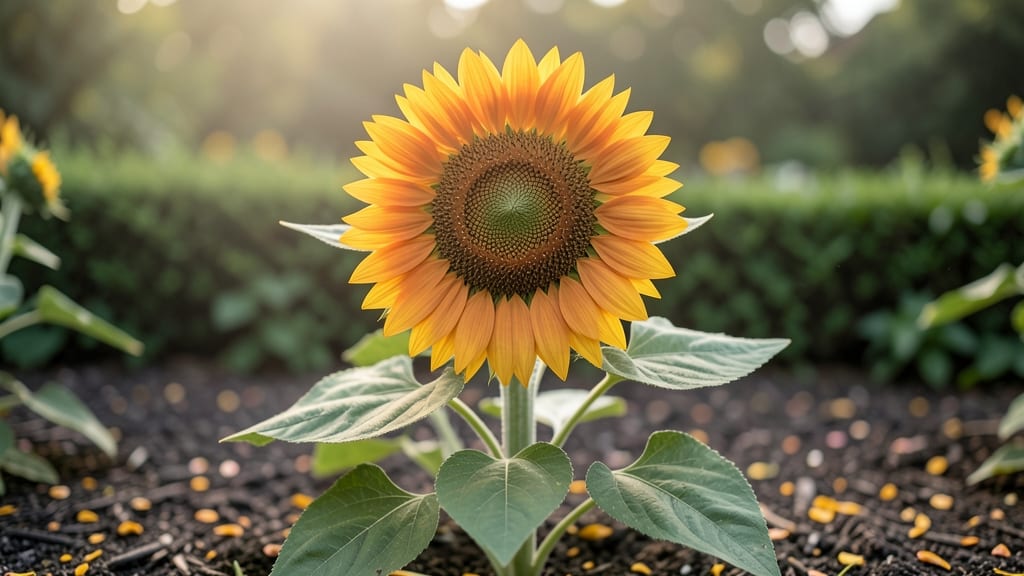
Growing Teddy Bear sunflower plants in your small garden means instant charm with minimal fuss. These fluffy, 3-foot-tall beauties bloom all summer long, turning any space into a pollinator paradise with their cheerful golden faces and velvety petals.
I fell in love with them after my first try—they’re the perfect size for containers, borders, or even tucked between vegetables without stealing space.
The secret to happy Teddy Bears starts with well-draining soil and a sunny spot—at least 6 hours of direct sunlight daily. Plant seeds directly outdoors after your last frost date, about ½ inch deep and 12 inches apart, or sow them in pots for patio gardens.
They’re tough little plants that tolerate poor soil better than most sunflowers, but a light feeding with balanced fertilizer when they’re knee-high keeps them thriving.
Once established, these sunflowers practically care for themselves. Water deeply once a week (more during dry spells), and watch as they attract bees, butterflies, and birds. Their compact stature makes them ideal for cut flowers too—just snip stems in the morning for the longest vase life.
The real magic? They reseed easily, so you’ll likely have volunteers popping up next season.
Common challenges? Aphids might visit, but a strong spray of water usually sends them packing. And if stems flop in heavy rain, a few stakes or a sturdy cage keeps them upright.
Whether you’re a first-time gardener or a space-conscious veteran, Teddy Bear sunflowers deliver easy beauty with almost no trade-offs.
📚 In This Guide
- What you need
- Instructions
- Tips and common mistakes
- Wrapping up and next steps
What you need
- ● Teddy Bear Sunflower Seeds: 5–10 seeds (or 1–2 plants if buying seedlings). Look for Helianthus debilis varieties labeled for compact growth.
- ● Containers or Garden Bed: For containers: 5–7 inch pots (1–2 plants per pot) with drainage holes.
- ● For in-ground planting: Well-draining soil in a sunny spot (6+ hours of sunlight daily).
- ● Potting Mix: High-quality, well-draining mix (e.g., 60% potting soil + 40% perlite or sand for containers).
- ● Fertilizer: Balanced, water-soluble fertilizer (5-10-5 ratio) or slow-release granules.
- ● Watering Can or Hose: With a gentle spray nozzle for even moisture.
- ○ Gloves & Hand Trowel: For planting and soil prep (optional but helpful!).
- ● Mulch: Organic mulch (e.g., straw or shredded leaves) to retain moisture.
- ○ Stakes or Trellis: Lightweight supports (optional) if plants lean in windy areas.
- ● Plant Labels: To track varieties (especially if growing multiple types!).
How to grow Teddy Bear sunflowers in small spaces
These charming, compact sunflowers thrive even in tight gardens—here's how to grow them strong and steady.
Select the Right Location and Prepare Soil
Teddy Bear sunflowers need full sun—at least 6-8 hours daily—to reach their signature compact stature. Choose a spot where they won’t be shaded by walls, fences, or taller plants. I always test the soil first by squeezing a handful—if it crumbles easily, it’s ready. If it stays clumpy, mix in 2-3 inches of compost (from your 3-gallon bag) to loosen the texture.
These sunflowers tolerate average soil but grow best in well-draining, slightly sandy loam. If your garden soil is heavy clay, amend it with 1 part perlite (from your 1-quart bag) to every 3 parts soil. Teddy Bear varieties are drought-tolerant once established, but young plants need consistent moisture to develop sturdy stems.
Plant Seeds at the Correct Depth and Spacing
Sow seeds ½ inch deep—about the width of your pinky finger—when soil temperatures reach 55°F or warmer. I like to plant them in early spring, after the last frost date, or in late summer for fall blooms. Space seeds 12-18 inches apart in rows 18-24 inches apart to allow airflow and prevent mildew. Crowding leads to weak stems that flop under their own weight.
Drop 2-3 seeds per hole and cover lightly with soil, then water gently with a fine mist until the surface is damp but not soggy. Thin seedlings to the strongest one per spot when they’re 4-6 inches tall. I use small scissors to snip the extra sprouts at soil level—it’s cleaner than pulling.
Water and Fertilize for Compact Growth
Water deeply once a week during dry spells, aiming for 1 inch of water per week. Teddy Bear sunflowers are drought-resistant but produce better blooms with steady moisture. I check soil moisture by sticking my finger 1 inch down—if it feels dry, it’s time to water. Avoid overhead sprinkling, which can spread fungal diseases like powdery mildew.
Fertilize lightly with a balanced 10-10-10 formula (using your 1-pound bag) when plants are 6 inches tall, then again when buds form. Too much nitrogen makes stems leggy and weak. I always follow the label’s instructions—overdoing it leads to floppy plants that can’t support their own heads. Side-dress with 1 tablespoon of compost around each plant monthly for steady nutrients.
Support and Prune for Bushier Blooms
Teddy Bear sunflowers grow 3-4 feet tall with bushy, multi-branched stems. To encourage branching, pinch off the main flower bud when the plant is 12-18 inches tall. This redirects energy to side shoots, giving you more blooms per plant. I use clean, sharp pruners to make a clean cut just above a set of leaves.
If stems lean or get top-heavy, stake them with 3-foot bamboo stakes (from your 5-pack) tied loosely with soft twine. Avoid tight binding, which can girdle the stems as they thicken. Deadhead spent blooms by snipping the stem ½ inch below the flower head to encourage more blooms and prevent seed production if you want to prolong flowering.
Tips & tricks for perfect Teddy Bear Sunflower growth
Here's what I've learned after growing these sunflowers in tight spaces for years—these tricks make all the difference.
Sunlight Strategy: The 6-8 hours of daily sunlight is non-negotiable for Teddy Bear sunflowers. I've found that planting near south-facing windows or using reflective surfaces like white walls can extend effective sunlight exposure by up to 20% in shadier spots. For container growing, rotate pots every few days to ensure even light distribution around each plant.
Soil Preparation Secret: When amending heavy clay soil with the 1 part perlite to 3 parts soil ratio, I recommend pre-mixing the perlite with your compost first. This creates tiny air pockets that improve drainage while retaining moisture better than perlite alone. The key is to mix thoroughly—don't just sprinkle on top.
Planting Precision: The ½-inch planting depth might seem shallow, but it's crucial for quick germination. I've noticed that planting slightly deeper (up to ¾ inch) in cooler soils (below 55°F) can help prevent seed desiccation during dry spells. Just be sure to keep the soil consistently moist until germination occurs.
Watering Wisdom: While the once-weekly watering guideline works well, I've found that watering in the early morning (before 8 AM) prevents fungal issues completely. The soil stays moist longer, and the foliage dries quickly in the morning sun. For container growers, check soil moisture daily—containers dry out faster than garden beds.
Pro Tips for Teddy Bear Sunflower Plants
- Here's what I've learned after growing these sunflowers in tight spaces for years—these tricks make all the difference.
- Sunlight Strategy: The 6-8 hours of daily sunlight is non-negotiable for Teddy Bear sunflowers.
- Soil Preparation Secret: When amending heavy clay soil with the 1 part perlite to 3 parts soil ratio, I recommend pre-mixing the perlite with your compost first.
Frequently asked questions
Got questions about growing Teddy Bear Sunflower plants? You're not alone! Here are some of the most common queries—plus quick, practical answers to help you cultivate these adorable, compact beauties with confidence.
How long does it take for Teddy Bear Sunflowers to bloom?
These little sunflowers are fast growers! From seed, expect blooms in 60–75 days in ideal conditions (full sun, warm soil, and consistent moisture). If planted later in the season, they may take a bit longer—just be patient!
Can Teddy Bear Sunflowers survive cold weather?
They’re annuals, so they won’t withstand frost, but they’re tougher than many sunflowers. Start seeds indoors 4–6 weeks before the last frost or sow directly after soil warms to 50°F (10°C). A light frost after blooming? No worries—they’ll still produce seeds!
Why aren’t my Teddy Bear Sunflowers growing tall?
These sunflowers stay compact (1–3 feet tall), but stunted growth often means poor soil, lack of sun, or overcrowding. Ensure they get 6+ hours of sunlight daily, well-draining soil, and space them 12–18 inches apart. Yellow leaves? Check for underwatering or nutrient deficiencies (a balanced fertilizer helps!).
Do Teddy Bear Sunflowers attract bees and butterflies?
Their bright yellow petals and abundant pollen make them a pollinator magnet. Plant them near herbs or veggies to create a bee-friendly garden. Just avoid pesticides—these tiny sunflowers are a lifeline for buzzing friends!
Can I grow Teddy Bear Sunflowers in containers?
Yes! They thrive in 5–10 gallon pots with drainage holes. Use a lightweight potting mix and place containers in full sun. Rotate pots weekly for even growth. Just avoid overwatering—containers dry out faster than garden beds.
Pro Tip:
Deadhead spent blooms to encourage more flowers and extend the season. Snip off faded heads with clean scissors—your plants will thank you with nonstop color!
Wrapping up and next steps
Growing Teddy Bear Sunflower plants in your small garden is a rewarding way to add charm and color with minimal space! These compact, fuzzy-faced blooms bring joy while being surprisingly low-maintenance—perfect for beginners or urban gardeners.
Whether you’re adding them to containers, window boxes, or tight garden beds, their cheerful presence will brighten up any corner.
Ready to dive in? Start by gathering your supplies, choosing a sunny spot, and planting those adorable seeds or seedlings. Your tiny sunflower patch awaits—happy gardening! 🌻✨