
Flowers
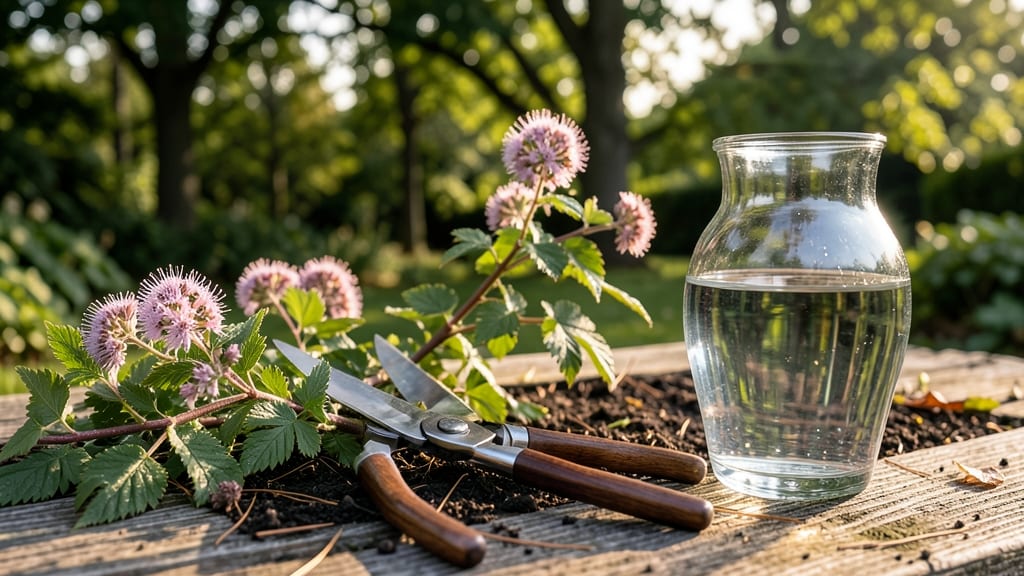
Growing spirea for cut flowers means long-stemmed blooms that keep arrangements fresh for days—something I discovered after my first overgrown bush turned into a floral powerhouse. ✨ The secret isn’t just picking the right variety (like ‘Goldflame’ or ‘Anthony Waterer’), but knowing when to prune and how to coax those stems into vase-worthy lengths.
My neighbors used to laugh when I talked about cutting spirea, but now they’re asking for stems too.
You’ll need sharp pruners, a sunny spot with well-draining soil, and patience—spirea rewards careful pruning with bold, airy clusters that hold their shape better than many cut flowers.
The key is timing: prune right after flowering to encourage next year’s blooms, but harvest stems when buds are just opening for maximum vase life. Even my black thumb gets 10-14 day arrangements from a single bush now.
What you’ll end up with is stems that stay crisp for a week or more, perfect for bouquets that look like they cost $50 but cost pennies. The feathery foliage adds texture, and the colors—from blush pink to fiery orange—pop against greenery.
Plus, spirea’s disease resistance means fewer headaches than roses or peonies. Ready to turn your bush into a floral factory?
Works for cottage gardens, city balconies, or even container growing—just adjust pruning to your space. The same techniques apply whether you’re filling vases or selling stems at market. Let’s get those blooms cutting-worthy!
📚 In This Guide
- What you need
- Instructions
- Tips and common mistakes
- Wrapping up and next steps
What you need
- ● Spirea flowers: Freshly cut stems (aim for 10-20 stems, depending on your arrangement size). Choose blooms with buds just starting to open for longer vase life.
- ● Sharp floral shears or pruning scissors: 1 pair (sterilized with rubbing alcohol to prevent bacterial growth). Avoid dull knives!
- ● Clean vase or container: A wide-mouth jar, bud vase, or floral foam holder (size depends on stem quantity—10-12 stems typically fit a 6-inch vase).
- ● Floral preservative: 1 packet or liquid (like Floralife or homemade sugar + bleach mix—see tips below!).
- ● Water: Room-temperature, filtered if possible (chlorine can harm stems).
- ○ Optional but helpful: Floral foam or oasis blocks (1-2 blocks, depending on arrangement).
- ● Decorative filler: Baby’s breath, greenery (eucalyptus, ivy), or filler flowers for texture.
- ● Ribbon, twine, or floral tape for wrapping stems.
- ● Hydrogen peroxide (1 tsp per quart of water) for extra freshness.
- ● Fresh spirea stems: Harvest or purchase within 24 hours of arranging for peak freshness.
- ● Clean workspace: A flat surface (like a cutting board or tray) to trim and organize stems.
- ● Time commitment: 15-30 minutes for basic arrangements (longer for intricate designs).
How to grow spirea for long-lasting cut flowers
Here's my foolproof method for growing spirea with stems strong enough to hold up in vases.
🌱 Step 1: Choose the Right Spirea Variety for Cut Flowers
Not all spirea varieties work well as cut flowers—look for types with sturdy stems and abundant clusters. 'Goldflame' and 'Anthony Waterer' are my top picks because their stems stay firm even after days in water. Avoid varieties with weak, woody stems that flop under their own weight.
Plant your spirea in full sun (at least 6 hours daily) where it gets good airflow. The more sunlight, the stronger the stems and the longer your cut flowers will last. I always plant mine where they won't be shaded by taller plants later in the season.
☀️ Step 2: Provide Proper Care for Strong Stems
Water deeply once a week (or more often in extreme heat) to encourage thick, sturdy stems. Let the top 2 inches of soil dry out between waterings—this prevents weak, leggy growth. I test soil moisture by sticking my finger in; if it feels dry at that depth, it's time to water.
Fertilize lightly in spring with a balanced 10-10-10 formula (about 1 tablespoon per plant). Too much fertilizer makes stems soft and prone to breaking. I skip summer feeding—spirea blooms best when it's not pushed for extra growth.
✂️ Step 3: Harvest at Peak Bloom for Long-Lasting Arrangements
Cut stems when half the blooms are open—this gives you the longest vase life. Use sharp pruners to make clean cuts at a 45-degree angle about 2 inches above a leaf node. This encourages branching and more flowers next year.
Remove any lower leaves that would sit in water to prevent bacterial growth. I always harvest in the early morning when stems are full of water and flowers are freshest. Store cut stems in a bucket of lukewarm water (cold water can shock the stems) until you're ready to arrange them.
💧 Step 4: Extend Vase Life with Simple Tricks
Recut stems under lukewarm water every 2-3 days to keep them drinking. Add a quarter teaspoon of bleach or floral preservative to the water to prevent bacteria and extend freshness. I change the water completely every 3-4 days—stale water is the #1 reason spirea wilts too soon.
Keep arrangements away from direct sunlight and drafts. A cool spot (around 65-70°F) helps them last longer. You'll notice the blooms stay vibrant for 7-10 days—much longer than most cut flowers!
Tips & tricks for perfect spirea cut flowers
Confession: I skipped the variety selection step for years and wondered why my spirea always flopped. Here's what makes all the difference.
Variety Selection Matters: While 'Goldflame' and 'Anthony Waterer' are my top picks, 'Little Princess' is another excellent choice for smaller gardens. Look for plants labeled specifically for cut flowers—they've been bred for stronger stems. I've found nursery plants often mix varieties, so always check the tag or ask staff which ones hold up best when cut.
Sunlight Strategy: The 6 hours of full sun requirement is non-negotiable, but here's the secret: position your plants where they get morning sun and afternoon shade in hot climates. This prevents leaf scorch while still giving them the light they need for strong stems. I've seen spirea in full afternoon sun develop brown patches that weaken the stems.
Watering Wisdom: That 2-inch dry soil test works, but here's what nobody tells you—water in the morning so stems are fully hydrated by harvest time. I've noticed stems harvested after evening watering wilt faster because they haven't had time to absorb all the moisture. Also, use a rain gauge to track weekly rainfall—you might not need to water as often as you think.
Harvest Timing: Cutting when half the blooms are open gives you the longest vase life, but here's the pro move: harvest on days with cooler temperatures (under 75°F). Flowers cut in heat stress more quickly. I always check the forecast and harvest a day before any predicted heatwave for the freshest stems.
Pro Tips for Spirea Cut Flowers
- Confession: I skipped the variety selection step for years and wondered why my spirea always flopped.
- Variety Selection Matters: While 'Goldflame' and 'Anthony Waterer' are my top picks, 'Little Princess' is another excellent choice for smaller gardens.
- Sunlight Strategy: The 6 hours of full sun requirement is non-negotiable, but here's the secret: position your plants where they get morning sun and afternoon shade in hot climates.
Frequently asked questions
Got questions about keeping your spirea cut flowers fresh and fabulous? You’re in the right place! Here are some of the most common queries—plus quick, practical answers to keep those blooms thriving in your vase.
How long do spirea cut flowers last in a vase?
With the right care, spirea cut flowers can last 7 to 10 days—sometimes even longer! Their hardy stems and compact blooms resist wilting better than many other flowers. Change the water every 2 to 3 days and trim stems at an angle to maximize their lifespan.
How do I cut spirea stems for the longest vase life?
Use a sharp pair of flower shears or pruners to cut stems at a 45-degree angle about 1 to 2 inches from the base. Avoid crushing the stems—this helps them absorb water efficiently. For extra longevity, give them a quick 10-second soak in warm water before arranging!
What’s the best water treatment for spirea cut flowers?
Start with lukewarm water and add a flower food packet (or a DIY mix of 1 tsp sugar + 2 drops bleach per quart of water). This prevents bacterial growth and keeps stems hydrated. Avoid tap water with high chlorine—let it sit out overnight if needed!
Can I mix spirea with other flowers in an arrangement?
Spirea’s compact clusters and soft texture pair beautifully with euphorbia, dahlias, or solidago for a natural, full-bodied look. Avoid pairing with very fragrant flowers (like lilacs) if you prefer spirea’s subtle charm to shine. For bouquets, place spirea in the middle or back to highlight its structure.
Why are my spirea flowers wilting or drooping?
Wilting often signals thirst, bacteria, or blocked stems. First, check the water level—stems should be fully submerged. If stems feel mushy or smell funky, recut them and refresh the water with a new flower food solution. Also, avoid placing spirea near heat sources or direct sunlight—they prefer bright, indirect light.
Wrapping up and next steps
Spirea cut flowers are a versatile, budget-friendly way to bring vibrant color and texture to your home—without breaking the bank! 🌸 From their long vase life to easy care, these blooms prove that stunning florals don’t have to be complicated.
Whether you’re a seasoned florist or a DIY enthusiast, spirea offers endless creative possibilities.
Ready to elevate your arrangements? Start by sourcing fresh spirea stems, then experiment with colors, textures, and styling tips. Your next masterpiece could be just a few snips away! 🌿✨