
Pests
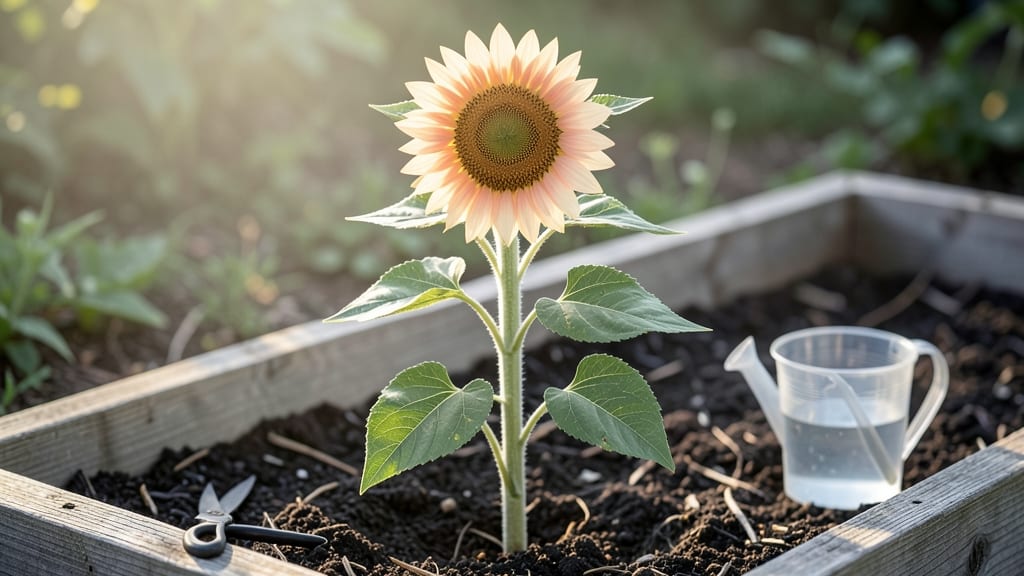
The strawberry blonde sunflower is the golden hue your garden has been missing—soft as a sunset, bold as a statement. 🌻 I fell for this variety the first time I saw it: the petals blush pink at the edges, fading to creamy gold at the center, like a painter’s masterpiece.
It’s not just a flower; it’s the kind of plant that makes neighbors pause and ask, “What’s that called?” This sunflower thrives where others struggle—full sun or partial shade, well-drained soil, and even urban spaces with less-than-ideal conditions.
Pair it with lavender for a dreamy cottage garden vibe or mix in with dusty miller for a modern contrast. The petals stay fresh for days when cut, making them a standout in bouquets too. What you’ll love most is how effortlessly it steals the show.
The fragrant petals (yes, sunflowers can be fragrant!) attract pollinators while adding warmth to any border. Plant a few along a fence or in a pot for instant curb appeal—no fancy design skills required. For best results, space them 18-24 inches apart and watch them grow into a sunlit centerpiece.
The blooms last from mid-summer through fall, giving you months of that strawberry-gold glow. Ready to make your garden the talk of the neighborhood?
📚 In This Guide
- What you need
- Instructions
- Tips and common mistakes
- Wrapping up and next steps
What you need
- ● Neem oil (100% cold-pressed, organic) – 16 oz (473 ml) bottle (for natural pest control and fungal prevention)
- ● Insecticidal soap (mild, plant-safe) – 16 oz (473 ml) spray bottle (targets soft-bodied pests like aphids and spider mites)
- ● Horticultural oil (dormant or summer-grade) – 16 oz (473 ml) spray bottle (smothers mites and scale insects)
- ● Spray bottle (reusable, 16 oz / 473 ml) – For diluting and applying solutions
- ● Garden gloves (nitrile or cotton) – To protect your hands from oils and pests
- ● Pruning shears (sterilized) – For trimming heavily infested leaves or stems
- ● Damp cloth or paper towels – For cleaning tools and wiping residue
- ○ pH test strips (optional but helpful) – Ensures your spray solutions are balanced (5.5–7.0 pH) for plant safety
- ● Beneficial nematodes (Phytophthora or Steinernema) – 1–2 million per acre (for soil-dwelling pest control)
- ● Ladybugs or lacewing larvae – 50–100 per plant (natural predators of aphids)
- ● Diatomaceous earth (food-grade) – 1 lb (454 g) bag (for crawling pests like slugs or beetles)
- ● Compost or worm castings – 1–2 cups per plant (boosts immunity and soil health)
- ● Row covers (lightweight fabric) – Size to fit your garden bed (prevents pest access while allowing sunlight)
How to grow the strawberry blonde sunflower for long-lasting blooms
Here's how to coax those velvety strawberry-hued petals to thrive in your garden.
🌱 Step 1: Choose the Perfect Planting Spot
Strawberry Blonde sunflowers need full sun—at least 6-8 hours daily—to develop their signature rich color and sturdy stems. I always pick the sunniest corner of my garden because these beauties won't tolerate shade. The soil should drain well; they hate soggy feet.
Loosen the soil to a depth of 12 inches with a garden fork to help roots spread. Amend with compost if your soil feels heavy or clay-like. The ideal spot is slightly raised ground where water runs off quickly—this prevents the classic sunflower problem of flopping over.
🌱 Step 2: Plant Seeds at the Right Depth and Spacing
Sow seeds ½ inch deep, about 6 inches apart in rows 18 inches apart. Press them lightly into the soil—don't bury them too deep or they'll struggle to emerge. I like to plant 4 seeds per hole and thin to the strongest sprout after germination.
Water gently right after planting so the soil settles around the seeds. Keep the area moist (not soggy) until you see the first true leaves appear—usually within 7-14 days. Real talk: if you plant too close together, you'll end up with weak, leggy stems that flop before they bloom.
☀️ Step 3: Provide Consistent Care for Strong Stems
Water deeply once a week unless you get heavy rainfall. The key is to soak the soil to 12 inches deep—this encourages deep root growth. You'll know you're doing it right when the soil feels dry 2 inches below the surface before watering again.
Fertilize lightly with a balanced 10-10-10 formula when plants reach 12 inches tall. Too much nitrogen makes them grow leaves instead of flowers. I skip fertilizing after mid-summer so the plant focuses on blooming rather than foliage.
✂️ Step 4: Support and Deadhead for Extended Blooms
Install stakes or cages when plants reach 2 feet tall—Strawberry Blonde varieties can grow 4-5 feet and need support. Tie stems loosely with soft twine so they don't snap in wind or rain. Watch for the first buds to form; this is when the magic happens.
Deadhead spent blooms by snipping the flower head just above the next set of buds. This redirects the plant's energy into producing more flowers instead of going dormant. I do this every 2-3 days during peak bloom season to keep my plants flowering for 6-8 weeks instead of just a few weeks.
🌿 Step 5: Extend the Season with Simple Tricks
For a second flush of blooms in fall, cut back the plant by ⅓ after the first frost. New growth will emerge from the base, giving you another 4-6 weeks of those gorgeous strawberry-hued petals. Just be sure to protect young plants from late frosts.
Here's the thing—these sunflowers are fragrant too. The best time to enjoy their scent is on warm afternoons when the petals are fully open. Cut stems at an angle and place in water immediately to extend vase life for 7-10 days. That's what makes them worth the effort!
Tips & tricks for perfect strawberry blonde sunflowers
These simple secrets will help you grow sunflowers that stay vibrant and fragrant all season.
Sunlight Secret: The 6-8 hours of daily sunlight in Step 1 isn't just about color—it's about strength. I've seen sunflowers planted in partial shade grow tall but floppy, with pale petals that fade quickly. Place them where they'll get morning sun plus afternoon light for the richest strawberry hue and sturdiest stems. A south-facing location works best in northern climates, while east or west exposures work in southern regions.
Planting Precision: When sowing seeds at the ½-inch depth in Step 2, use your finger to make small divots rather than pressing seeds into hard soil. This ensures consistent depth and prevents germination issues. I've found that planting 4 seeds per hole gives you backup plants—just thin to the strongest sprout once they're 2-3 inches tall. The 6-inch spacing between plants prevents overcrowding, which leads to those weak, leggy stems we all hate.
Watering Wisdom: The once-weekly deep watering in Step 3 is crucial—it trains roots to grow deep for stability. To check soil moisture, stick your finger 2 inches down; if it feels dry, it's time to water. Early morning is the best time to water, as it reduces evaporation and fungal risks. I've noticed that watering at noon can cause the petals to close prematurely, which shortens their vase life.
Deadheading Timing: Snipping spent blooms every 2-3 days in Step 4 keeps your plants flowering for weeks instead of just a few. The key is to cut just above the next set of buds—this redirects energy to new blooms. I use clean pruners and always sterilize them with rubbing alcohol between plants to prevent disease spread. This simple habit extended my first season's blooms from 4 to a full 8 weeks!
Pro Tips for Strawberry Blonde Sunflower
- These simple secrets will help you grow sunflowers that stay vibrant and fragrant all season.
- Sunlight Secret: The 6-8 hours of daily sunlight in Step 1 isn't just about color—it's about strength.
- Planting Precision: When sowing seeds at the ½-inch depth in Step 2, use your finger to make small divots rather than pressing seeds into hard soil.
Frequently asked questions
Got questions about your strawberry blonde sunflower? You’re not alone!
Whether you're battling pests, curious about care, or wondering how to keep those golden petals vibrant, we’ve got answers. Dive into these common queries to troubleshoot and thrive with your sunlit beauty.
Why are my strawberry blonde sunflower petals turning brown or crispy?
Brown or crispy petals often signal underwatering or overwatering. Check soil moisture—it should feel like a damp sponge, not soggy. Heat stress or aphids (tiny green bugs) can also cause browning. Inspect leaves for pests and adjust watering to 1-2 times per week (more in extreme heat).
How do I keep pests like aphids off my strawberry blonde sunflowers?
Aphids love these sunflowers! Start with a neem oil spray (mix 1 tbsp neem oil + 1 tsp mild soap + 1 quart water). Spray early morning/evening to avoid harming bees. For severe infestations, introduce ladybugs—they’re natural predators! Prune affected leaves and remove debris to break pest cycles.
When is the best time to plant strawberry blonde sunflowers for pest resistance?
Plant in late spring after the last frost (Zone 5-9: mid-April to early May). This timing helps them grow strong before pests peak. Space plants 12-18 inches apart for airflow, reducing humidity-related fungal issues. Morning sunlight (6+ hours) boosts resilience—just avoid harsh afternoon sun in hot climates.
Can I grow strawberry blonde sunflowers in containers? What size pot do I need?
Yes! Use a 5-gallon pot minimum (bigger = better stability). Add well-draining soil and a trellis if your variety gets tall (some reach 4-5 feet). Containers dry out faster—water daily in summer and fertilize with balanced 10-10-10 every 4-6 weeks. Place in full sun and rotate pots weekly for even growth.
Why are my sunflowers leaning or falling over? How do I fix it?
Leaning often means lack of sunlight or weak stems. Move to a sunnier spot immediately and stake tall varieties with bamboo stakes or tomato cages. Overcrowding weakens stems—thin seedlings to 1 per pot or 12 inches apart in gardens. For extra support, tie stems loosely to stakes as they grow (avoid tight binding!).
Wrapping up and next steps
Growing a strawberry blonde sunflower isn’t just about adding a pop of color to your garden—it’s about embracing nature’s resilience and beauty. 🌻 With the right tools, patience, and a watchful eye for pests, you’ll enjoy vibrant blooms that last and even attract pollinators.
Whether you’re a seasoned gardener or a curious beginner, this sunflower variety is a rewarding choice!
Ready to dive in? Start by gathering your supplies, then head back to the materials list to ensure you’re fully prepped. Plant your seeds with confidence, and soon, you’ll be basking in the sunlit glow of your very own strawberry blonde sunflower!