
Tools
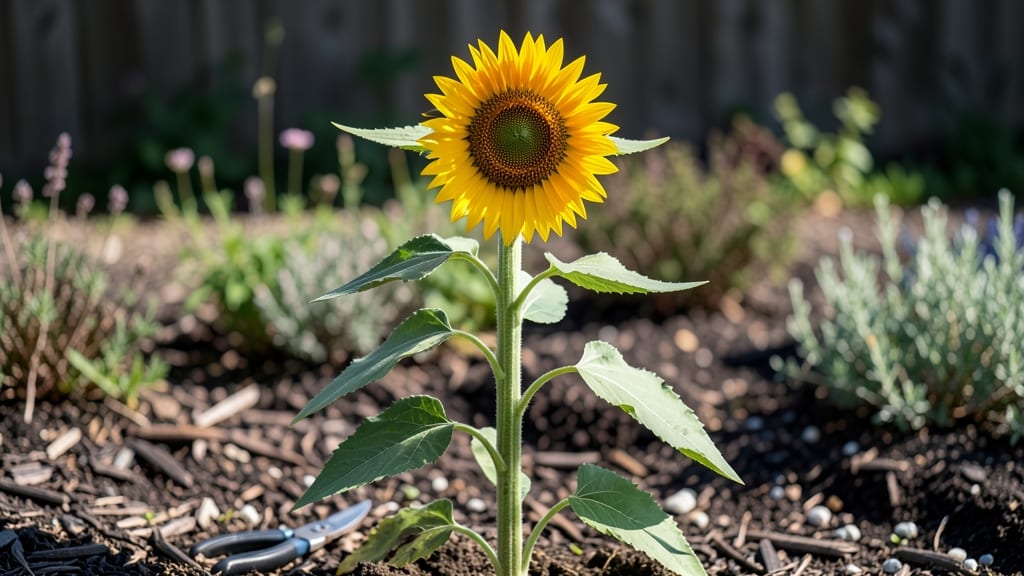
A sunflower garden isn’t just summer—it’s a year-round canvas of texture and movement, from fuzzy seed heads in winter to towering blooms in July. I learned this the hard way after my first garden flopped when I assumed sunflowers were one-and-done plants.
The secret? Three simple trims that turn them into living sculptures, not just seasonal showstoppers.
Start with mixed heights—dwarf varieties for borders, giants as focal points—and let them grow wild until their first blooms. Then comes the magic: deadheading spent blooms to encourage more flowers, shaping leggy stems for structure, and saving seed heads for winter interest.
My 10-foot-tall Mammoths now stand all winter, their dried petals catching the light like golden lanterns.
You’ll end up with a garden that hums with pollinators all season, then becomes a winter wonderland of texture. The three-trims method keeps them looking intentional, not overgrown, and extends their beauty past the usual summer peak. Plus, the saved seeds feed birds through the cold months—nature’s built-in decoration.
Works for city balconies or backyard meadows—just adjust spacing. The key is patience: let them grow, then shape them like a painter’s brushstrokes. Here’s how to make it happen without the guesswork.
📚 In This Guide
- What you need
- Instructions
- Tips and common mistakes
- Wrapping up and next steps
What you need
- ● Sunflower seeds or seedlings: Choose heirloom varieties (e.g., ‘Moulin Rouge’ for red petals) or dwarf varieties (e.g., ‘Teddy Bear’ for compact gardens). Plan for 5–10 seeds per square foot (thin to 1–2 feet apart for full-grown plants).
- ● Well-draining soil: Amend with compost or aged manure (1–2 inches mixed into the top 6–12 inches of soil) to boost fertility. Aim for a pH of 6.0–7.5.
- ● Organic mulch: Straw, wood chips, or grass clippings (2–3 inches thick) to retain moisture and suppress weeds.
- ● Garden trowel or transplanting spade (for digging holes 1–2 inches deep and 1–2 feet apart).
- ● Watering can or hose with a gentle spray nozzle (sunflowers need 1–2 inches of water per week).
- ● Pruning shears or sharp scissors (for trimming deadheads or shaping plants; sterilize with rubbing alcohol between cuts).
- ○ Garden gloves (optional but recommended for thorny varieties like ‘Russian Giant’).
- ● Fertilizer: A balanced 10-10-10 or 5-10-10 organic fertilizer (apply lightly at planting and mid-season).
- ● Trellis or stakes: For tall varieties (6+ feet), use 3–4 foot bamboo stakes or a lightweight trellis to support stems.
- ● Bird netting: Protect seeds from squirrels or birds (especially in early spring).
- ● Drip irrigation system: Automates watering for large gardens (save time and ensure consistent moisture!).
How to maintain a sunflower garden with minimal effort
Here’s the straightforward approach I’ve used to keep sunflowers thriving year after year—just three key trims make all the difference.
🌿 Step 1: First Trim for Strong Stems
Start by removing any weak or damaged stems when plants reach 12 inches tall. Use clean, sharp pruners to cut just above a healthy leaf node. This encourages the plant to focus energy on the strongest stems, preventing floppy growth that can snap in wind or rain.
Watch for stems that lean heavily or show signs of disease—yellowing, spots, or soft spots are red flags. Discard these immediately in the trash, not the compost, to prevent spreading issues. You’ll notice the remaining stems thicken and stand straighter within a week of this first trim.
🌿 Step 2: Mid-Season Trim for More Blooms
Once the first flowers begin to fade, trim the spent blooms back to the next set of healthy leaves. This is where the magic happens—sunflowers respond by producing secondary blooms along the stem. Cut just above a leaf node where new growth can emerge, and avoid leaving stubs that can rot.
Here’s the thing—this step is all about redirecting the plant’s energy. If you skip it, the plant will put all its effort into seed production instead of giving you more flowers. You’ll see new buds forming within 10-14 days of the trim, especially if your sunflowers are varieties like ‘Moulin Rouge’ or ‘Autumn Beauty’.
🌿 Step 3: Final Trim for Winter Prep
After the last frost, cut back the entire plant to 4-6 inches above the ground. This clears out debris that could harbor pests or diseases over winter. Use your pruners to make clean cuts, and avoid leaving ragged stems that can invite rot.
Don’t toss the cuttings—chop them into smaller pieces and use them as mulch around the base of your sunflowers the following spring. The decomposed plant matter will enrich the soil naturally. If you’re in a colder climate, consider covering the base with a 2-inch layer of straw mulch to protect the roots from freezing temperatures.
⏰ Step 4: Seasonal Check-Ins for Year-Round Health
Every 4-6 weeks during the growing season, do a quick scan for pests like aphids or powdery mildew. If you spot issues early, a spray of neem oil (mixed according to package instructions) will keep them in check without harming the plants. Sunflowers are tough, but they’ll reward you with bigger, healthier blooms if you stay on top of this.
Real talk: Overwatering is the biggest mistake here. Sunflowers are drought-tolerant once established—only water when the top 2 inches of soil feel dry. Too much moisture leads to weak stems and fungal problems. You’ll know you’re doing it right when the soil around the base stays slightly dry between waterings.
Tips & tricks for perfect sunflower garden maintenance
Here’s what nobody tells you—these small adjustments make all the difference between a garden that just survives and one that thrives with minimal effort.
Tool Selection Matters: Invest in a pair of bypass pruners with sharp, clean blades to make precise cuts. Dull pruners crush stems instead of cutting cleanly, which can damage the plant and invite disease. I keep a small bottle of rubbing alcohol handy to wipe down the blades between cuts—this prevents cross-contamination if I’ve been trimming diseased foliage. A small hand pruner works best for the first trim when plants are still small, while larger pruning shears handle the final winter cut more efficiently.
Timing Secret: The 10-14 day window after your mid-season trim is critical for new bud formation. This is when sunflowers redirect their energy from seed production back to flowering. Watch for the first signs of new growth—tiny buds forming at the leaf nodes—and be patient. If you trim too early, you might miss the optimal growth window. For varieties like ‘Moulin Rouge’, I’ve found that trimming just as the first blooms begin to fade (not after they’ve fully browned) gives the best results for secondary blooms.
Winter Prep Strategy: When cutting back to 4-6 inches in Step 3, leave the base slightly uneven—this creates micro-ridges that help water pool around the roots during spring rains. For colder climates, I’ve had great success with a 2-inch layer of straw mulch placed directly after the final trim. This acts like a natural blanket, protecting roots from temperature swings while slowly decomposing to enrich the soil. In milder winters, you can reduce this to just 1 inch of mulch.
Pest Prevention: The 4-6 week check-ins are your best defense against aphids and powdery mildew. I’ve found that a 1:10 dilution of neem oil (1 part neem oil to 10 parts water) works wonders when applied in the early morning or late evening to avoid harming beneficial insects. For powdery mildew specifically, I add a teaspoon of baking soda to the mix—this creates an alkaline environment that mildew can’t tolerate. Always apply when leaves are dry and avoid spraying in direct sunlight to prevent leaf burn.
Pro Tips for Sun Flower Garden
- Here’s what nobody tells you—these small adjustments make all the difference between a garden that just survives and one that thrives with minimal effort.
- Tool Selection Matters: Invest in a pair of bypass pruners with sharp, clean blades to make precise cuts.
- Timing Secret: The 10-14 day window after your mid-season trim is critical for new bud formation.
Frequently asked questions
When is the best time to plant sunflowers for year-round blooms?
For continuous color, stagger plantings every 2–3 weeks from early spring (after frost) through midsummer. This ensures blooms at different stages, keeping your garden vibrant until fall. In warmer climates, you can even plant a final batch in late summer for winter interest!
How do I keep my sunflowers from toppling over in wind or rain?
Sunflowers need support as they grow! Bury stakes (3–4 ft tall) 6–8 inches deep near each plant at planting time, or use a cage-like trellis for clusters. For heavy heads, tie stems loosely to stakes with soft fabric strips (like old T-shirts) to avoid damage. Bonus: Tall varieties benefit from planting near fences or walls for natural windbreaks.
Can I grow sunflowers in containers, or do they need a garden bed?
Sunflowers thrive in containers 12+ inches deep with drainage holes. Use a mix of potting soil and compost, and choose dwarf varieties (like ‘Teddy Bear’ or ‘Moulin Rouge’) for smaller spaces. Place pots in full sun and water consistently—containers dry out faster than garden beds.
Why aren’t my sunflowers blooming, even though they’re tall and leafy?
Common culprits include:
- Overcrowding: Thin seedlings to 12–24 inches apart (depending on variety) for better airflow and energy focus on blooms.
- Poor sunlight: Sunflowers need 6+ hours of direct sun daily. If shaded, move pots or prune nearby plants.
- Nutrient deficiency: Feed with a balanced fertilizer (10-10-10) when seedlings emerge and again at flowering time.
- Pests/disease: Check for aphids, powdery mildew, or stem borers—treat early with neem oil or insecticidal soap.
What’s the easiest way to trim sunflowers for long-lasting bouquets?
For sturdy stems, cut flowers at a 45-degree angle just above a leaf node (where leaves meet the stem) in the early morning. Remove lower leaves to reduce water loss, and change vase water every 2 days. Pro tip: Add a splash of bleach (1 tsp per quart) to water to keep cuts fresh longer!
Wrapping up and next steps
Creating a sunflower garden that blooms year-round is simpler than you think—just three strategic trims can keep your space vibrant and full of life! 🌻 Whether you’re a seasoned gardener or a beginner, these techniques ensure your sunflowers stay healthy, productive, and stunning.
Now that you’re armed with the right tools, knowledge, and tips, it’s time to roll up your sleeves and get growing!
Ready to transform your garden? Start by picking a sunny spot, gathering your supplies, and scheduling your first trim this weekend. Your sunflowers—and your neighbors—will thank you!