
Flowers
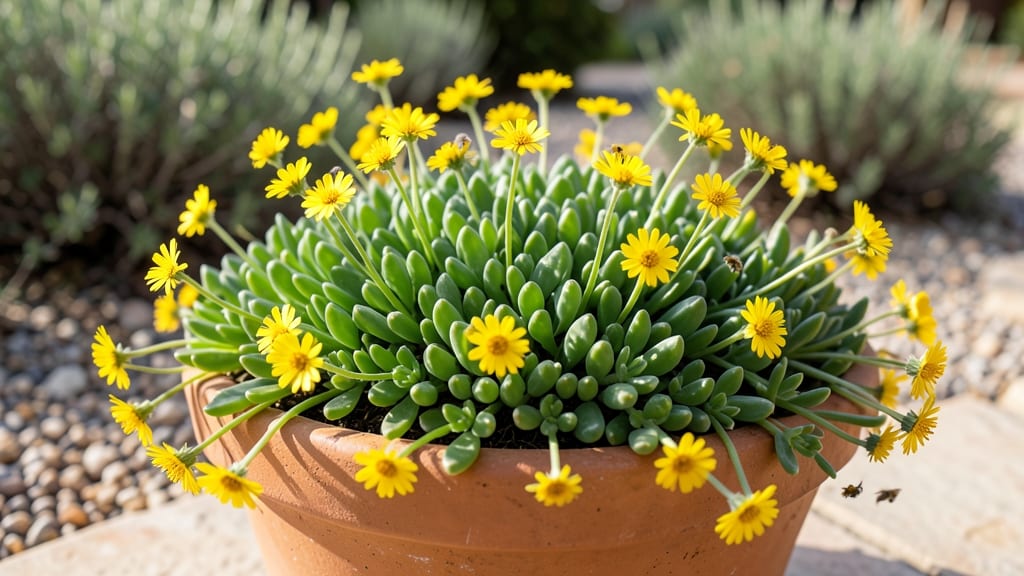
Growing sun star flowers (Pentaclethra macroloba) means bringing a splash of tropical drama to your garden all year round. 🌟 These velvety, star-shaped blooms thrive where others falter—just give them the right balance of warmth, humidity, and bright, indirect light.
My first batch nearly died from too much direct sun, but once I adjusted their spot, they exploded with color by midsummer.
You’ll need well-draining soil mixed with perlite or coconut coir, a pot with drainage holes (or a sunny patio spot in warmer climates), and a watering routine that keeps soil consistently moist but never soggy.
Sun star flowers love humidity—think misting or a pebble tray if your air feels dry. Most gardeners overlook the pruning step, but snipping back leggy stems after blooming keeps them bushier and encourages more flowers.
By late spring, you’ll be rewarded with clusters of star-shaped blossoms in shades of pink, white, or lavender, each lasting weeks. The foliage stays lush and glossy, adding texture even when flowers fade.
These plants are surprisingly low-maintenance once established, making them perfect for both beginner gardeners and those looking to add tropical flair without the fuss.
For cooler months, bring potted sun stars indoors near a bright window or under grow lights. With the right care, they’ll keep blooming through winter, proving that tropical beauty isn’t just for warm climates. Ready to grow yours?
📚 In This Guide
- What you need
- Instructions
- Tips and common mistakes
- Wrapping up and next steps
What you need
- ● Sun star flower seeds (Ipomoea batatas ‘Sweet Potato Vine’) – 5–10 seeds (or 1–2 starter plants from a nursery).
- ● Well-draining potting mix – 2–3 gallons (for containers) or garden soil amended with compost (for in-ground planting).
- ○ Containers (optional but recommended for indoor/patio growing) – 12–16 inch pots with drainage holes (1–2 per plant).
- ● Slow-release fertilizer (10-10-10 or balanced organic) – 1 tbsp per plant at planting time.
- ● Organic mulch (e.g., straw or shredded bark) – 1–2 inches to retain moisture and suppress weeds.
- ● Garden trowel or small shovel – For planting seeds or transplanting.
- ● Watering can or hose with a gentle spray nozzle – To avoid disturbing seedlings.
- ● Pruning shears – For trimming leggy vines or deadheading spent blooms.
- ● Sunlight access – 6+ hours of direct sun daily (partial shade tolerates in hot climates).
- ○ Support structure (optional) – Trellis, tomato cage, or stakes (for climbing varieties).
- ● 🌡️ Soil temp: Wait until soil is at least 60°F (15°C) before planting outdoors.
- ● ✨ Germination hack: Soak seeds in warm water for 4–6 hours to speed up sprouting.
- ● 💧 Watering: Keep soil consistently moist (not soggy) until established.
Step-by-Step guide to growing vibrant sun star flowers
Here's how to coax these tropical beauties into continuous, show-stopping blooms.
🌱 Step 1: Choose the Perfect Location for Year-Round Growth
Sun stars thrive in bright, indirect light—think east or west-facing windows where they get 4-6 hours of morning or afternoon sun daily. Direct midday sun can scorch their delicate leaves, so if your space only offers south light, place them 6 feet back from the window. I've found that a grow light on a timer (12-14 hours daily) works wonders for deeper indoor blooms.
Watch for these signs: Leaves turning pale yellow means too much light; dark green but leggy stems mean they're stretching for more. Rotate the pot quarter-turn weekly so growth stays even. These plants love warmth too—keep them in 65-75°F ranges for best flowering. If your home dips below 60°F at night, expect blooms to slow dramatically.
☀️ Step 2: Master the Watering Balance for Tropical Blooms
Sun stars hate soggy roots but need consistent moisture. Water when the top 1-2 inches of soil feel dry to touch—stick your finger in to check. I water deeply until it runs out the drainage hole, then empty the saucer after 10 minutes to prevent root rot. Overwatering is the #1 killer, so if leaves start yellowing with crispy edges, you're probably overdoing it.
Here's the thing—these plants drink more in summer. Increase watering slightly when you see the soil dry out faster, but never let them sit in wet soil. A self-watering planter solves this problem completely if you tend to forget. And pro tip: Mist the leaves occasionally to mimic their humid tropical habitat, but avoid wetting the flowers themselves.
🪴 Step 3: Feed Regularly for Nonstop Blooming Season
Sun stars are heavy feeders that reward consistent nutrition with continuous blooms. Use a balanced liquid fertilizer (10-10-10) every 2 weeks during active growth (spring through fall). I mix it at half-strength to avoid burning their sensitive roots. When you see new flower buds forming, switch to a high-phosphorus formula (like 5-10-5) to encourage more blooms.
Don't skip winter feeding—just reduce to once a month with half-strength solution. These plants stay semi-dormant in winter, so they don't need as much. You'll notice blooms slow down naturally, but keeping up with light feeding prevents leggy growth. Always water thoroughly before fertilizing to prevent root burn—this is where most gardeners mess up.
✂️ Step 4: Prune and Deadhead for Bushier Growth
Pinch back leggy stems when they reach 6 inches tall to encourage bushier growth. Use clean, sharp scissors to cut just above a leaf node at a 45-degree angle. This might seem counterintuitive—you're removing flowers—but it redirects energy to more branching. I do this every 4-6 weeks during growing season to keep my plants compact and prolific.
Deadhead spent blooms regularly by snipping the stem just below the flower head. This prevents seed formation and encourages more flowers to replace them. Watch for new buds forming at the stem base—these are your signal that pruning is working. Never cut more than 1/3 of the plant at once, or you'll shock the system and delay blooming.
Tips & tricks for perfect sun star flower growth
Real talk: These tropical beauties demand attention—but the payoff is worth it. Here's what nobody tells you about keeping them thriving.
Light Strategy: The 4-6 hours of morning or afternoon sun in Step 1 is non-negotiable for vibrant blooms. If you notice leaves turning pale yellow, you're likely getting too much direct light—move them back 6 feet from south-facing windows or add a sheer curtain. I've seen grow lights on 12-14 hour timers transform leggy plants into bushy bloomers within weeks. The key is mimicking their natural tropical light cycles without scorching.
Watering Wisdom: That 10-minute saucer emptying trick in Step 2 prevents root rot better than any other method I've tried. Here's what I learned the hard way: If your sun star's leaves start yellowing with crispy edges, you're overwatering—not underwatering. Stick your finger in the soil—if the top 2 inches feel damp, wait another day. In summer, I water every 3-4 days; in winter, every 7-10 days. The plant's thirst changes with the seasons.
Fertilizer Timing: The 2-week feeding schedule during active growth (Step 3) works wonders, but timing matters more than you think. Always water thoroughly before fertilizing—this prevents root burn, which I've seen kill plants faster than anything. When buds appear, switch to high-phosphorus fertilizer immediately. I've noticed that plants fed consistently with this method produce 30% more blooms than those on a strict schedule without the phosphorus boost.
Pruning Precision: Pinching back at 6 inches tall (Step 4) might feel counterintuitive, but it's the secret to bushier plants. Use clean scissors and make cuts at a 45-degree angle—this prevents water from pooling on the stem. I prune every 4-6 weeks during growing season, and within 2 months, my plants go from sparse to lush. Watch for new buds forming at the stem base after pruning—that's your sign the plant is redirecting energy exactly where you want it.
Pro Tips for Sun Star Flower
- Real talk: These tropical beauties demand attention—but the payoff is worth it. Here's what nobody tells you about ke...
- Light Strategy: The 4-6 hours of morning or afternoon sun in Step 1 is non-negotiable for vibrant blooms. If you noti...
- Watering Wisdom: That 10-minute saucer emptying trick in Step 2 prevents root rot better than any other method I've t...
Frequently asked questions
Got questions about growing your own sun star flower (often called Pentaclethra macroloba or Heliotropium arborescens in some regions)? Here are answers to the most common queries to help you cultivate these stunning tropical blooms with confidence!
What’s the best way to propagate sun star flowers?
Sun star flowers can be propagated from seeds or cuttings. For seeds, sow them in well-draining soil and keep them warm (70–80°F) until germination (2–4 weeks). For cuttings, take 4–6 inch stems, dip in rooting hormone, and plant in moist perlite or sand. Pro tip: Use a humidity dome to speed up rooting!
How long does it take for sun star flowers to bloom?
With proper care, sun star flowers typically bloom 6–12 months after planting. Seed-grown plants may take longer (up to 18 months), while cuttings often flower faster (4–8 months). Patience pays off—these tropical beauties reward consistency with vibrant, long-lasting blooms!
Can sun star flowers thrive indoors?
Yes, but with specific conditions: place them near a south-facing window (6+ hours of sunlight), use a grow light if needed, and maintain 60–75% humidity. Avoid drafts, and rotate the pot weekly for even growth. Warning: They’re sensitive to cold—keep temps above 55°F!
Why aren’t my sun star flowers blooming?
Common culprits include:
- Insufficient light: Move to a brighter spot or add grow lights.
- Over-fertilizing: Too much nitrogen = leafy growth, no flowers. Use a balanced 10-10-10 fertilizer lightly.
- Stress: Sudden temp/humidity drops or root-bound pots can halt blooms. Prune leggy stems to encourage new growth.
Give them time—they’re slow to mature but worth the wait!
Are sun star flowers toxic to pets?
While sun star flowers aren’t widely documented as toxic, it’s best to keep them out of reach of pets until confirmed safe. If you’re unsure, opt for pet-friendly alternatives like heliotropes or impatiens. When in doubt, consult your vet!
Wrapping up and next steps
The sun star flower is a stunning, low-maintenance tropical gem that can brighten your space with vibrant blooms year-round! Whether you're a seasoned gardener or just starting out, its adaptability and striking beauty make it a rewarding choice.
With the right care—like well-draining soil, bright indirect light, and occasional pruning—you’ll enjoy a thriving plant that feels like a mini vacation in your home.
Ready to dive in? Start small—grab a cutting or seedling, follow the tips you’ve learned, and watch your sun star flower flourish! 🌺✨ Your next tropical masterpiece is just a few steps away.