
Planting
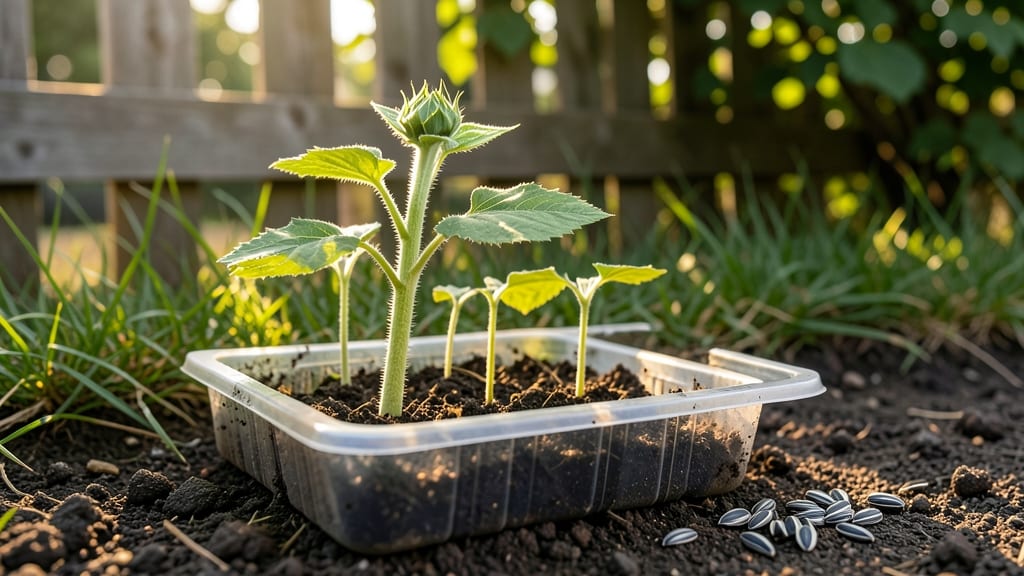
A sunflower planting guide reveals the magic of gardening—just drop a seed in the dirt, and by summer, you’ll have towering blooms that make neighbors stop and stare. 🌻 The secret isn’t just patience; it’s choosing the right variety, timing the plant, and giving them the space to stretch their legs.
My first attempt with dwarf sunflowers ended in disappointment because I crowded them too close, but once I learned the spacing rules, I grew a 12-foot giant that dominated the backyard.
You’ll need a sunny spot with at least 6-8 hours of direct light, well-draining soil, and a few basic tools: a trowel, gloves, and maybe some compost to feed the roots.
Sunflowers are forgiving, but they do hate soggy feet—amend heavy clay or sandy soil with a mix of compost and peat moss for the best start.
The right variety matters too: dwarf types like ‘Teddy Bear’ stay under 3 feet, while ‘Mammoth’ can reach 15 feet—so pick based on your space and goals.
By mid-summer, you’ll have sunflowers that turn heads and attract pollinators like crazy. The key is consistent watering—1-2 inches per week—and watching for pests like aphids, which love to snack on tender new growth.
A quick spray of soapy water usually does the trick. Once they’re established, they’re basically low-maintenance giants, just waiting to become your garden’s star attraction.
Whether you’re growing sunflowers for bouquets, birdseed, or just the sheer joy of watching them grow, this guide covers everything from soil prep to troubleshooting. Let’s get those seeds in the ground and turn your yard into a sunflower spectacle!
📚 In This Guide
- What you need
- Instructions
- Tips and common mistakes
- Wrapping up and next steps
What you need
- ● Sunflower Seeds: Choose heirloom or hybrid varieties (e.g., 'Mammoth', 'Autumn Beauty', or 'Teddy Bear'). Buy 50–100 seeds for a full garden display or 5–10 seeds for containers.
- ● Well-draining potting mix or garden soil: 5–10 gallons (for containers) or enrich your garden bed with compost (1–2 inches mixed into topsoil).
- ● Fertilizer: A balanced 10-10-10 or low-nitrogen (5-10-10) fertilizer to avoid leafy growth over blooms.
- ● Watering can or hose with a gentle spray nozzle: Sunflowers need 1–2 inches of water weekly (more during dry spells!).
- ● Garden trowel or hand shovel: For digging holes 1 inch deep and spacing seeds 6–12 inches apart (closer for dwarf varieties).
- ● Measuring tape or ruler: Ensures proper spacing (giant varieties need 18–24 inches between plants!).
- ○ Garden stakes or trellis (optional): Tall varieties (6+ feet) may need support—use bamboo stakes (5–6 feet long) or a lightweight trellis.
- ○ Mulch (straw or wood chips, optional): Helps retain moisture and suppress weeds. Spread 2–3 inches around plants after germination.
- ● Sunlight: Full sun (6–8+ hours daily)—sunflowers are not shy about soaking up rays!
- ● Warm soil: Wait until after the last frost (soil temp should be 50°F+).
- ● Patience: Germination takes 7–14 days, and full bloom can take 80–120 days depending on the variety.
Step-by-Step instructions for planting sunflowers
Here's how to grow towering sunflowers that'll turn heads in your garden.
🌱 Step 1: Choose the Right Variety and Planting Time
Sunflowers thrive in warm soil, so wait until after your last frost date when soil temperatures reach at least 55°F. I plant mine in late spring to early summer for the best results. Dwarf varieties like 'Teddy Bear' mature in 60 days and work well for containers, while giant types like 'Mammoth' take 90-120 days to reach their full 12-foot height.
Check seed packets for days to maturity—this tells you when to plant for fall blooms. If you live in a short-season area, opt for early-maturing varieties. The key is planting when nighttime temperatures stay above 50°F consistently, as sunflowers won't germinate well in cold soil.
☀️ Step 2: Select a Sunny Location and Prepare the Soil
Sunflowers need full sun—at least 6-8 hours daily. They'll tolerate partial shade, but stems will grow weak and flop over. I always choose the sunniest spot in my garden because even a few hours of shade reduces bloom size dramatically.
Loosen the soil to a depth of 12 inches and mix in 2-3 inches of compost to improve drainage and fertility. Sunflowers have deep taproots, so rocky or compacted soil will stunt their growth. Amend heavy clay by adding sand or perlite if needed. The soil should feel crumbly and drain water within 30 minutes after watering.
🌱 Step 3: Plant Seeds at the Correct Depth and Spacing
Sunflower seeds are large and easy to handle—plant them 1 inch deep and 6 inches apart for dwarf varieties, or 18-24 inches apart for giant types. I like to plant 3-4 seeds per hole and thin to the strongest seedling after germination. This gives you a backup if some seeds fail to sprout.
Space rows 2-3 feet apart to allow airflow and prevent mildew. Press the soil gently around each seed to ensure good contact. Water lightly after planting to settle the soil but avoid soaking, as wet soil can cause seeds to rot before germinating. You'll see sprouts in 7-14 days if conditions are right.
💧 Step 4: Water and Fertilize for Strong Growth
Keep the soil consistently moist but not soggy during germination. Once seedlings emerge, water deeply 1-2 times per week, providing 1-2 inches of water each time. Sunflowers are drought-tolerant once established, but dry spells during flowering will reduce bloom size. You'll know they're thirsty when the leaves start wilting in the afternoon.
Side-dress with a balanced fertilizer (10-10-10) when plants reach 12 inches tall to encourage strong stem and flower development. Avoid high-nitrogen fertilizers, which promote leafy growth at the expense of blooms. Watch for yellowing leaves—they signal either overwatering or nutrient deficiency.
✂️ Step 5: Support Tall Varieties and Deadhead for More Blooms
Giant sunflowers often need staking to prevent them from toppling in wind or rain. I use 3-foot bamboo stakes tied to the main stem with soft plant ties when the stem reaches 3 feet tall. This gives them stability without restricting growth. Remove any side shoots that form at the base to direct energy toward the main flower.
Deadhead spent blooms by cutting the flower head off just above a set of leaves. This encourages the plant to produce a second, sometimes even a third, round of blooms. You'll notice new buds forming at the leaf axils if the plant still has energy to spare. Harvest seeds from the first blooms by cutting the head when the back turns yellow and the seeds rattle inside.
Tips & tricks for perfect sunflower planting
Here's what I've learned from years of growing sunflowers that reach for the sky.
Timing is Everything: The 55°F soil temperature threshold isn't just a suggestion—it's non-negotiable for germination. Use a soil thermometer for accuracy, especially in spring when temperatures fluctuate. I've seen seeds fail to sprout when planted too early, even if air temperatures seemed warm. For extra insurance, consider using a seedling heat mat if you're planting at the edge of your last frost date. The 50°F nighttime minimum is equally critical for consistent germination.
Soil Prep Secret: That 12-inch deep soil loosening in Step 2 creates the perfect environment for sunflower taproots to establish. I like to add a handful of compost directly into each planting hole for an extra nutrient boost. For heavy clay soils, mix in sand or perlite to improve drainage—this prevents waterlogging which can rot seeds before they sprout. The 30-minute drainage test is your best indicator of proper soil preparation.
Germination Hack: Those 7-14 days to sprouting can feel like an eternity, but you can speed things up slightly by soaking seeds overnight before planting. Just wrap them in a damp paper towel and place in a warm spot. I've found this cuts germination time by about 2-3 days. The key is planting immediately after soaking—they'll dry out quickly. Also, avoid overwatering after planting; seeds need moisture but not soggy conditions to prevent rot.
Watering Wisdom: The 1-2 inches per week guideline is perfect, but timing matters just as much as quantity. Water deeply in the morning to give foliage time to dry before evening. Wet leaves overnight invite fungal diseases. I've noticed that sunflowers actually prefer slightly drier conditions once established—they're much more drought-tolerant than most garden plants. The wilting leaves signal is your best indicator of when they truly need water, not just routine watering.
Pro Tips for Sunflower Planting Guide
- Here's what I've learned from years of growing sunflowers that reach for the sky.
- Timing is Everything: The 55°F soil temperature threshold isn't just a suggestion—it's non-negotiable for germination.
- Soil Prep Secret: That 12-inch deep soil loosening in Step 2 creates the perfect environment for sunflower taproots to establish.
Frequently asked questions
Got questions about growing sunflowers?
Here are answers to the most common ones to help you cultivate those cheerful giants with confidence!
When is the best time to plant sunflowers?
Sunflowers thrive in warm soil—plant them after the last frost when temperatures stay above 50°F (10°C). For most regions, this means late spring to early summer. If you’re in a warm climate, you can even plant in fall for winter blooms!
How long does it take for sunflowers to grow?
From seed to full bloom, sunflowers typically take 80–120 days, depending on the variety. Dwarf types may bloom in 60–70 days, while giant varieties can take up to 140 days. Patience pays off—those towering stems are worth the wait!
What are common sunflower pests, and how do I prevent them?
Sunflowers often face aphids, beetles, and birds (who love the seeds!). To protect them:
- Use row covers early in the season.
- Spray neem oil for aphids.
- Cover seeds with netting if birds are a problem.
- Rotate crops yearly to deter pests.
How much water do sunflowers need?
Sunflowers are drought-tolerant once established, but they need 1–1.5 inches of water per week during growth. Overwatering can cause root rot, so water deeply but infrequently—especially during flowering. Mulch around the base to retain moisture!
Can I grow sunflowers in containers?
Dwarf varieties (like ‘Teddy Bear’ or ‘Moulin Rouge’) thrive in 5-gallon pots or larger. Use well-draining soil, place in full sun, and ensure the container has drainage holes. Just be prepared to stake taller varieties for support.
Do sunflowers attract pollinators?
Yes! Sunflowers are a pollinator magnet, drawing bees, butterflies, and birds. Their bright blooms and abundant nectar make them a great addition to pollinator gardens. Plus, they’re low-maintenance and add beauty to any space!
Wrapping up and next steps
Growing sunflowers is a rewarding journey that brings joy, beauty, and even delicious snacks to your table! 🌻 By choosing the right variety, preparing your soil, and giving your plants the love they need, you’ll soon be watching those towering blooms reach for the sky.
Whether you’re a beginner or a seasoned gardener, every step—from planting to harvesting—is a chance to connect with nature and create something amazing.
Now that you’re armed with all the tips and tricks, why not grab your gardening gloves and get started today? Share your sunflower adventures with us—we’d love to see your giant blooms in action! 📸💬