
Blooming
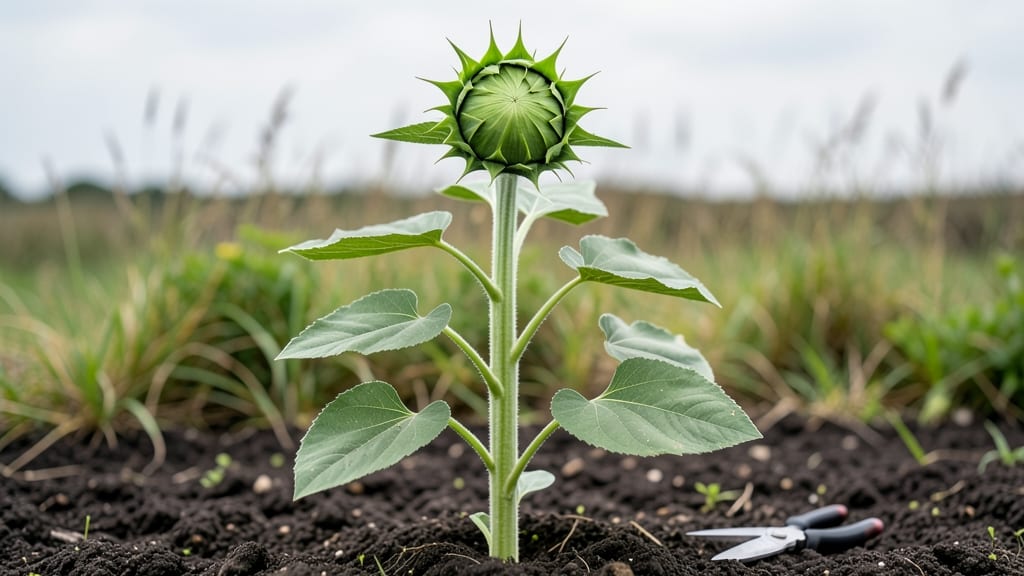
Sunflowers before blooming are all about strong stems and leafy ambition—those towering stalks start as delicate seedlings that need the right care to reach their full height. I remember my first attempt where the stems flopped over by midsummer, and I realized proper early support makes all the difference.
The key stages—from sprouting to bud formation—determine whether your sunflowers will stand proud or topple under their own weight.
You'll need bright sunlight (6+ hours daily), well-draining soil rich in compost, and consistent watering—about 1 inch per week—to keep roots happy without drowning them.
Watch for the first true leaves (not the initial seed leaves) to appear, signaling it's time to thin seedlings to 12 inches apart for maximum airflow. The stems will thicken rapidly, and you'll spot the first bud forming at the top in just 4-6 weeks after planting.
What you're aiming for is vibrant green foliage and sturdy stems that can handle their eventual weight—some varieties top 10 feet tall! Prune lower leaves to encourage upward growth, and consider staking if your garden gets breezy.
The real payoff comes when those buds swell, signaling the sunflower's grand finale is just weeks away.
This care routine works for all sunflower types, from dwarf varieties to giants, and adapts easily to containers or garden beds. The secret? Paying attention to the leaf shape and stem thickness—those are your best indicators of healthy growth. Let's get those stems standing tall!
📚 In This Guide
- What you need
- Instructions
- Tips and common mistakes
- Wrapping up and next steps
What you need
- ● Sunflower seeds: Choose Helianthus annuus varieties like ‘Mammoth’ or ‘Autumn Beauty’ (10–20 seeds per plant, depending on spacing).
- ● Well-draining potting mix: 5–10 gallons (for containers) or enrich garden soil with compost (1–2 cups per square foot).
- ○ Containers (optional): 6–8" deep pots with drainage holes (if starting indoors).
- ● Watering can or hose: With a gentle spray nozzle for seedlings.
- ● Fertilizer: Balanced 5-10-10 or organic options like fish emulsion (mix 1 tbsp per gallon of water).
- ● Gloves & trowel: For handling soil and seeds comfortably.
- ● Plant labels: To track varieties (especially if testing multiple types).
- ● Sunlight access: Full sun (6+ hours daily) or a grow light (12–16 hours/day for indoor starts).
- ○ Thermometer (optional): To monitor soil temps (ideal: 70–85°F for germination).
- ○ Mulch (optional): Straw or shredded leaves (1–2 inches) to retain moisture.
Early season care for sunflowers: building strong stems before blooms
Here’s how to give your sunflowers the sturdy foundation they need before those iconic blooms even appear.
Choose and Prepare the Right Location
Sunflowers thrive in full sun—at least 6-8 hours daily—so pick a spot that gets unobstructed sunlight. I always check the area for at least 6 months before planting, as shade from nearby trees or buildings can stunt growth. If your yard has partial shade, plant taller varieties facing south to maximize light exposure.
Loosen the soil to a depth of 12 inches with a garden fork or tiller. Sunflowers have deep taproots, so compacted soil will restrict their ability to anchor properly. Mix in 2-3 inches of compost to enrich the soil with nutrients before planting. This step is critical—skipping it often leads to weak stems that snap under the weight of blooms later.
Plant Seeds at the Correct Depth and Spacing
Sow seeds ½ to 1 inch deep, about 6 inches apart in rows spaced 18-24 inches apart. Planting too shallow can dry out seeds, while burying them too deep slows germination. I use my finger to make small holes—just enough to cradle the seed without crowding it.
Thin seedlings to 12-18 inches apart once they reach 6 inches tall. Overcrowding forces plants to compete for nutrients, resulting in leggy stems that can’t support heavy blooms. If you’re growing multiple varieties, space them farther apart—taller types like ‘Mammoth’ need 24 inches between plants to avoid shading shorter ones.
Water Deeply and Consistently
Water 1 inch per week, either from rainfall or irrigation, focusing on the soil around the base of the plant. Avoid wetting the leaves, as this can promote fungal diseases like powdery mildew. I use a soaker hose or drip irrigation to deliver moisture directly to the roots without disturbing the soil.
Consistency is key—sunflowers develop deep roots early, and uneven watering leads to weak stems. Check soil moisture by sticking your finger 2 inches deep; if it feels dry, water immediately. Mulch with 2-3 inches of straw or grass clippings to retain moisture and suppress weeds, which compete for water and nutrients.
Fertilize for Stem Strength
Apply a balanced fertilizer (10-10-10) at planting time, following label instructions for your soil type. Sunflowers are heavy feeders, but too much nitrogen early on encourages leafy growth at the expense of stem strength. I avoid high-nitrogen fertilizers—look for a formula with equal parts nitrogen, phosphorus, and potassium.
Side-dress with ½ cup of 5-10-10 fertilizer when plants reach 12 inches tall. This mid-season boost supports rapid stem elongation without causing excessive foliage. Water thoroughly after fertilizing to prevent root burn. If your soil is poor, a foliar spray with seaweed extract can improve resilience without overloading the system.
Monitor for Pests and Support Early Growth
Watch for cutworms, aphids, or beetles, which can chew stems or suck sap from young plants. Handpick larger pests or spray with neem oil if infestations appear. I inspect plants weekly—early intervention prevents damage that weakens stems before blooming season.
Tall varieties may need staking or cages once they reach 3 feet. Use bamboo stakes or tomato cages to prevent stems from bending under their own weight. Avoid tying too tightly; stems should have room to thicken naturally. This support ensures blooms stand upright, even in windy conditions.
Tips & tricks for towering sunflower stems
Here's what I've learned after nurturing hundreds of sunflowers to their full potential—these details make all the difference in stem strength.
Soil Preparation Insight: When loosening that 12-inch depth of soil in Step 1, focus on breaking up any hardpan layers you encounter. I use a garden fork to gently pry these apart—they act like concrete for sunflower roots. If your soil is particularly dense, consider adding a handful of perlite to the compost mix to improve drainage, which prevents waterlogging that weakens stems. The goal is to create a fluffy, crumbly texture that roots can easily penetrate.
Thinning Technique: In Step 2, when thinning seedlings to 12-18 inches apart, I recommend doing this on a cloudy day or in the early morning. The reduced sunlight prevents stress on the remaining plants. Use clean, sharp scissors to snip at the base rather than pulling—this minimizes root disturbance. For taller varieties like 'Mammoth', I actually increase spacing to 24 inches to give their massive blooms proper support from the start.
Watering Strategy: The 1 inch per week guideline in Step 3 works perfectly, but timing matters just as much. I water in the early morning so foliage has all day to dry, reducing fungal risks. For container-grown sunflowers, I increase to 1.5 inches per week since pots dry out faster. Always water at the base—never overhead—to keep those leaves dry and prevent powdery mildew from turning your stems into weak, brittle stalks.
Fertilizer Timing: That ½ cup of 5-10-10 fertilizer in Step 4 should be applied when plants reach 12 inches tall, but I've found the best results come from splitting this into two applications. Give half when they hit 12 inches and the remaining half when they reach 2 feet. This gradual approach prevents nutrient burn while supporting steady stem growth. Always water thoroughly after applying to help distribute the fertilizer evenly through the soil.
Pro Tips for Sunflowers Before Blooming
- Here's what I've learned after nurturing hundreds of sunflowers to their full potential—these details make all the difference in stem strength.
- Soil Preparation Insight: When loosening that 12-inch depth of soil in Step 1, focus on breaking up any hardpan layers you encounter.
- Thinning Technique: In Step 2, when thinning seedlings to 12-18 inches apart, I recommend doing this on a cloudy day or in the early morning.
Frequently asked questions
Got questions about nurturing sunflowers before they bloom? You’re not alone! Here are some of the most common queries—and their answers—to help you grow those towering stems with confidence.
How do I know when my sunflower is "before blooming"?
Sunflowers are "before blooming" when their stems are tall (often 3–6 feet) but the flower bud is still tightly closed, fuzzy, and greenish-yellow. Look for a hard, rounded bump at the top—the tighter the bud, the closer it is to blooming. If the bud is soft or starting to split, it’s nearing its peak!
How long does the pre-blooming stage last?
The pre-blooming stage typically lasts 2–4 weeks, depending on the variety and growing conditions. Dwarf sunflowers may bloom faster (2–3 weeks), while giant varieties can take up to a month. Watch for bud swelling and leaf yellowing at the base—signs the plant is gearing up for its big show!
Should I water sunflowers differently before they bloom?
Yes! During the pre-blooming stage, sunflowers need consistent moisture (about 1–2 inches of water per week) to support stem growth. However, avoid overwatering—soggy soil can weaken stems. Water at the base in the early morning to prevent fungal issues. Once buds form, reduce water slightly to encourage stronger blooms.
What if my sunflower’s bud turns brown before opening?
Brown buds before blooming usually signal stress from overwatering, pests (like aphids), or fungal diseases (e.g., powdery mildew). Check for yellow leaves or sticky residue (pest sign). If caught early, trim affected buds and treat with neem oil. For prevention, ensure good airflow and avoid wetting foliage during watering.
Can I harvest sunflower seeds before the flower blooms?
Not from the same plant! Seeds develop after blooming, once the flower head dries and turns brown. However, you can save seeds from mature sunflowers (after the back turns yellow) for next year’s garden. If you’re growing sunflowers for greens, harvest leaves before buds form—they’re tender and edible!
Wrapping up and next steps
Watching sunflowers transform from sunflowers before blooming to towering giants is a rewarding journey—one that starts with patience, the right tools, and a little love. By focusing on soil prep, proper spacing, and consistent care, you’re setting your plants up for success.
Whether you’re a first-time gardener or a seasoned green thumb, these early steps make all the difference in nurturing vibrant blooms.
Ready to see your hard work pay off? Grab your gloves, step outside, and give those young stems the attention they deserve! 🌱🌻 Next, track their progress and adjust care as they grow—soon, you’ll be admiring sunflowers in full, sunny glory.