
Flowers
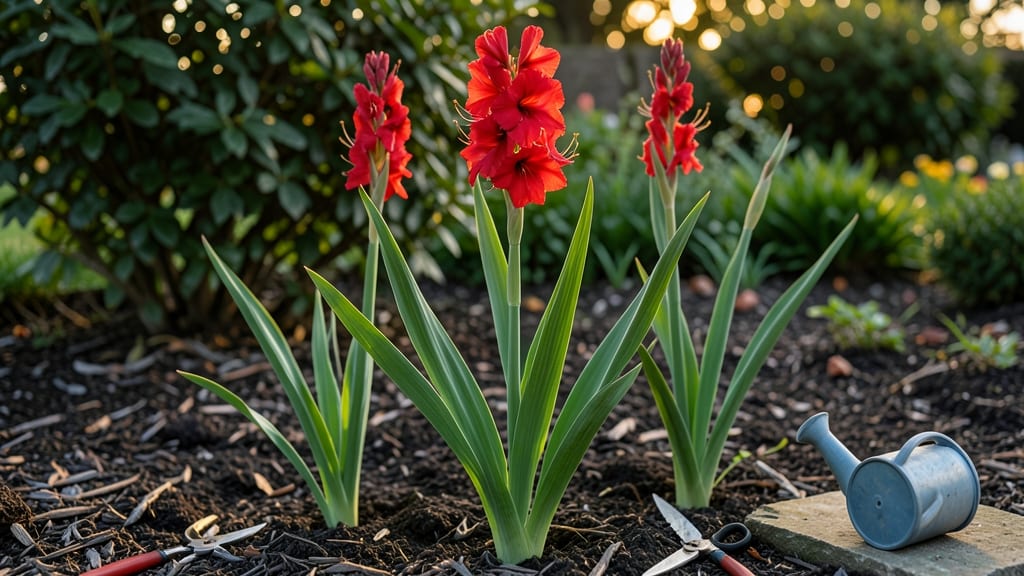
Growing red gladioli flowers delivers the kind of drama that makes your garden the talk of the neighborhood. 🌟 Their towering spikes of bold blooms arrive reliably in 90 days when you follow the right timing and care routine—no mysterious black magic required.
I learned this the hard way after my first batch flopped in soggy soil last summer, but now I’ve cracked the code for consistent, showstopping results.
The secret starts with well-draining soil and full sun—gladioli demand both to reach their full height and vibrant color. You’ll need corms (not seeds) planted 2-3 inches deep in spring after the last frost, spaced about 6 inches apart.
Water them deeply once a week unless it’s raining, and feed them with a balanced fertilizer every 4-6 weeks to keep those stems sturdy and blooms plentiful.
By midsummer, you’ll be rewarded with 3-5 foot spikes bursting with fiery red blooms that last for weeks when cut. The fragrance alone—sweet and slightly spicy—will draw hummingbirds and admirers alike. Just be ready to stake them early, because those stems grow fast and can topple in wind or rain.
Works beautifully in borders, cutting gardens, or even containers (with support). Once you master the basics, you can experiment with different red varieties—some are striped, others deep burgundy, and a few even have ruffled petals. Let’s get those corms in the ground!
📚 In This Guide
- What you need
- Instructions
- Tips and common mistakes
- Wrapping up and next steps
What you need
- ● Red Gladioli Corms: 10–20 healthy, firm corms (size: 2–3 inches in diameter). Look for Malibu, Picasso, or Attilio varieties for bold red blooms!
- ● Well-draining potting mix or garden soil: 5–10 gallons (adjust based on container size). Amend with compost (20% of total mix) for nutrients.
- ○ Containers (optional): 6–8 inch deep pots (if not planting in-ground) with drainage holes.
- ● Garden trowel or bulb planter for easy corm planting.
- ● Balanced fertilizer (10-10-10 or 5-10-10): 1 tbsp per plant at planting time.
- ○ Slow-release fertilizer (optional): 1 cup per 10 sq ft of garden bed.
- ● Mulch (straw or shredded bark): 2–3 inches to retain moisture and suppress weeds.
- ● Watering can or hose with gentle spray nozzle (avoid soaking the corms).
- ● Sunlight access: Full sun (6–8 hours daily) is a must—red gladioli thrive in warmth!
- ○ Stakes or supports (optional): Tall varieties (like Picasso) may need 3–4 ft stakes for stability.
- ● 🌡️ Soil temp: Wait until the soil is at least 60°F (15°C) before planting—cold soil can stunt growth.
- ● ✨ Color boost: Add a pinch of Epsom salt (1 tbsp per gallon of water) when watering for richer red blooms!
- ● 🔥 Patience pays: Corms take 90 days to bloom—mark your calendar!
Step-by-Step instructions for growing stunning red gladioli
Here's how to coax those dramatic red blooms from corms in just three months.
🌱 Step 1: Select and Prepare Your Corms
Choose large, firm red gladioli corms—size matters for those towering stems. I look for corms about 2 inches in diameter with no soft spots or mold. Smaller ones will still grow, but their blooms may be less dramatic. Soak the corms in lukewarm water for 12 hours before planting to soften the outer skin and encourage faster sprouting.
After soaking, let them dry briefly—just until the surface feels slightly tacky to the touch. This prevents them from rotting when you plant. Here's the thing—don't skip this step. Wet corms planted directly will rot within days if drainage isn't perfect.
🪴 Step 2: Plant at the Right Depth and Spacing
Gladioli need 6-8 inches of depth for their corms—plant them 3 times as deep as they are wide. Use a trowel to dig holes in well-draining soil (sandy loam works best). I space mine 6 inches apart in rows 18 inches apart to allow stems to reach their full height without crowding.
Place one corm per hole, pointy side up. If you're unsure which end is up, the pointed end will sprout first—nature's way of telling you. Cover with soil and firm gently around the base. This ensures good root contact without compacting the soil too much.
☀️ Step 3: Provide Full Sun and Consistent Water
Gladioli demand full sun—at least 6-8 hours daily. I've seen them struggle in partial shade, producing weak stems and smaller blooms. Water deeply once a week, aiming for 1 inch of water total. The soil should feel dry 2-3 inches down before watering again—gladioli hate soggy roots.
Here's where it gets fun—they'll shoot up 1-2 inches per week once established. Watch for the first true leaves (not the tiny sprouts) to appear. That's your signal to start fertilizing lightly with a balanced 10-10-10 every 3 weeks until buds form.
✂️ Step 4: Support Stems and Deadhead Wisely
By 6 weeks, stems may reach 3-4 feet tall—they'll need sturdy stakes or a trellis. I use 6-foot bamboo stakes driven 6 inches deep beside each plant, then tie stems loosely with soft twine. Too-tight ties will girdle the stems as they thicken.
When the first blooms open, snip off spent flowers immediately. This redirects energy to new buds lower on the stem. Gladioli produce multiple blooms per stem—let the lower buds mature while removing faded flowers keeps the plant focused on producing fresh ones.
Tips & tricks for perfect red gladioli growth
Common pitfalls—and how to sidestep every one—when growing these showstopping blooms.
Corm Selection Tip: The 12-hour soak in lukewarm water isn't just about sprouting—it's about quality control. I've found that corms with a slight natural sheen after soaking (not slimy) tend to produce the most vibrant red blooms. Discard any that float or feel mushy, as these often rot underground. The size matters too: those 2-inch diameter corms will give you stems reaching 4-5 feet tall, while smaller ones may only reach 2-3 feet.
Planting Depth Secret: In Step 2, the 6-8 inches depth rule is non-negotiable for gladioli. Too shallow, and the corms may rot or produce weak stems. Too deep, and they struggle to push through the soil. I like to use a trowel to create a small trench alongside the hole, which helps guide the emerging shoot upward naturally. This also makes it easier to monitor drainage—your soil should never stay soggy more than 24 hours after watering.
Sunlight Strategy: That 6-8 hours of daily sun requirement is critical, but here's what nobody tells you: morning sun is more important than afternoon sun for gladioli. The intense midday rays can actually scorch the leaves, especially in hot climates. If you're in a region with intense afternoon sun, consider providing some afternoon shade during the hottest months. This prevents leaf burn while still allowing those vibrant red blooms to develop properly.
Fertilization Timing: The 3-week fertilization schedule with 10-10-10 is perfect, but I've found that timing matters more than most gardeners realize. Start fertilizing when you see those first true leaves—not the tiny sprouts that appear right after planting. And here's the key: stop fertilizing completely once you see buds forming. The extra nitrogen can actually cause the stems to become too leafy and weak, reducing bloom quality. Think of it as feeding for growth, then switching to a maintenance mode for flowering.
Pro Tips for Red Gladioli Flowers
- Common pitfalls—and how to sidestep every one—when growing these showstopping blooms.
- Corm Selection Tip: The 12-hour soak in lukewarm water isn't just about sprouting—it's about quality control.
- Planting Depth Secret: In Step 2, the 6-8 inches depth rule is non-negotiable for gladioli.
Frequently asked questions
When is the best time to plant red gladioli?
Plant red gladioli bulbs in early spring (after the last frost) or late summer (6–8 weeks before the first frost) for fall blooms. They thrive in warm soil (60°F+) and need full sun (6+ hours daily). In cooler climates, start bulbs indoors 8–10 weeks before transplanting.
How long does it take for red gladioli to bloom?
With proper care, red gladioli typically bloom 90–120 days after planting. Early-spring plantings often flower in mid-to-late summer, while late-summer bulbs may bloom in fall or early winter in mild climates. Patience pays off—taller varieties (like ‘Attila’) can reach 4–5 feet!
Why aren’t my red gladioli blooming?
No blooms? Check these fixes:
- Light: Ensure 6+ hours of direct sun daily.
- Water: Keep soil consistently moist (not soggy) during growth.
- Fertilizer: Feed with balanced bloom booster (like 10-10-10) every 4–6 weeks.
- Crowding: Space bulbs 6 inches apart for airflow.
Can I grow red gladioli in containers?
Yes! Use a large pot (12+ inches deep) with drainage holes and well-draining soil. Plant 3–4 bulbs per container and stake them early (they top-heavy!). Containers work best in warm climates or as seasonal displays moved indoors before frost.
What can I plant alongside red gladioli for a stunning combo?
Pair red gladioli with:
- Salvia or catmint (contrasting textures).
- Marigolds (repel pests naturally).
- Lavender (adds fragrance and height contrast).
- Dahlias (similar care, bold color pops).
How do I prevent red gladioli from flopping over?
Use stakes or cages early (before stems reach 12 inches). For a natural look, weave in bamboo stakes or tie stems to a trellis. Avoid tying too tightly—loose knots prevent stem damage. In windy areas, plant near a fence or wall for support.
Wrapping up and next steps
Growing red gladioli flowers is a rewarding journey that brings bold color and striking beauty to your garden in just 90 days! With the right soil, sunlight, and care, these vibrant blooms will thrive and become the star of your floral displays.
Whether you're a beginner or a seasoned gardener, their resilience and dramatic presence make them a must-have for any outdoor space.
Ready to transform your garden? 🌸 Start by planting your corms this spring and watch as they grow into stunning, fiery red gladioli—perfect for cutting, bouquets, or adding a pop of drama to your landscape. Happy gardening! 🌱