
Flowers
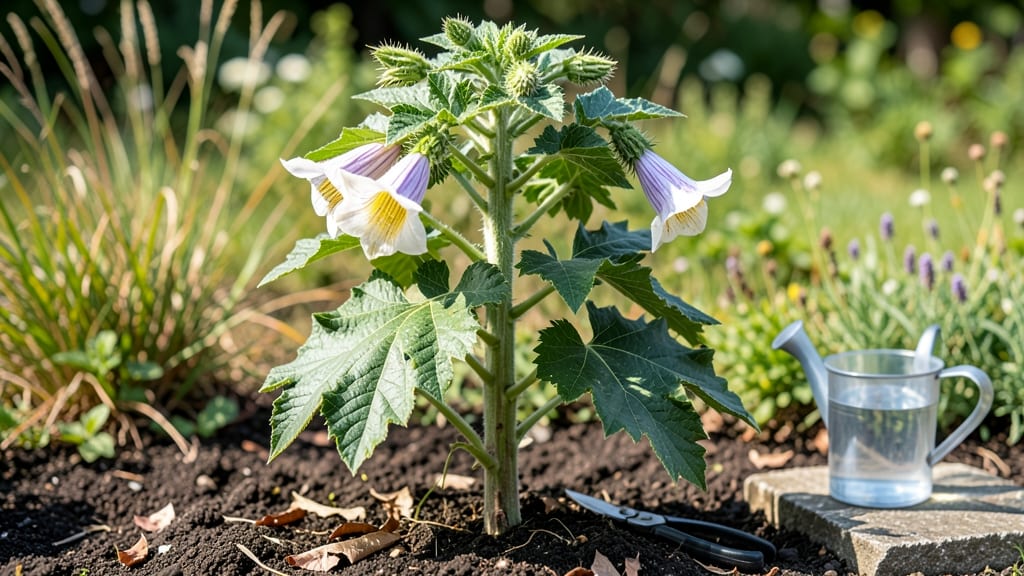
Growing thorn apple flowers (Datura stramonium) means adding dramatic, trumpet-shaped blooms that glow in moonlight—with almost no pruning required. 🌙 These striking white, pink, or purple flowers stand out in any garden, but they demand respect: every part of the plant is toxic.
That caution aside, they're shockingly low-maintenance once established, thriving in poor soil and surviving drought once rooted.
The secret to their bold beauty lies in full sun and well-draining soil—no fancy amendments needed. I’ve grown them in everything from sandy desert soil to rocky slopes, and they always bounce back.
Deadhead spent blooms to encourage more flowers, but don’t overdo it: thorn apples reward neglect more than they reward fussing. Their spiky seed pods add texture even after blooms fade, making them a year-round statement plant.
You’ll love how they transform a corner of your garden into a surreal, almost tropical scene—without the high-maintenance care of roses or peonies. The intoxicating nighttime fragrance is a bonus, though keep pets and kids away.
With proper spacing (2–3 feet apart), they’ll spread happily, filling gaps with their eerie elegance while requiring almost no attention beyond occasional watering.
Perfect for cottage gardens, wildflower meadows, or even containers—just remember their toxicity when placing them. Here’s how to get started without the headaches (or the hospital visits).
📚 In This Guide
- What you need
- Instructions
- Tips and common mistakes
- Wrapping up and next steps
What you need
- ● Thorn apple seeds: 5–10 seeds (organic, untreated preferred; available at nurseries or online seed shops).
- ● Well-draining potting mix: 1–2 gallons (use a blend of 60% garden soil, 30% perlite, and 10% compost).
- ● Containers or garden bed: Containers: 5–7" deep pots with drainage holes (2–3 plants per container).
- ● Garden bed: Full sun exposure (6+ hours/day) and loose, sandy soil.
- ● Watering can or hose: With a gentle spray nozzle (avoid soaking the soil).
- ● Fertilizer: Balanced 10-10-10 or slow-release granular fertilizer (1 tbsp per plant, monthly during growing season).
- ● Gloves: Heavy-duty gardening gloves (thorn apple plants have spiky stems!).
- ● Pruning shears: Sharp, sterilized shears (for trimming dead blooms or overgrowth).
- ● Trowel: For transplanting seedlings or amending soil.
- ○ Mulch (optional): Straw or wood chips (1–2 inches) to retain moisture and suppress weeds.
- ○ Sunlight meter (optional): To confirm your garden’s light exposure.
How to grow thriving thorn apple plants with dramatic blooms
Here's the straightforward method I've used to grow bold, show-stopping thorn apples in any sunny spot.
🌱 Step 1: Select the Perfect Planting Location
Thorn apples (Datura spp.) thrive in full sun with at least 6-8 hours of direct light daily. I always choose the warmest, most exposed spot in my garden because these plants reward generous sunlight with their signature trumpet-shaped blooms. Avoid shady areas—they'll grow leggy and produce fewer flowers.
Check your site's drainage first. Thorn apples despise soggy roots, so if your soil stays damp for more than a day after rain, amend it with 2-3 inches of coarse sand or perlite mixed into the top 12 inches of soil. The ideal planting spot has well-draining soil that warms quickly in spring, which is why I often plant mine against a south-facing wall.
🌱 Step 2: Plant Seeds at the Right Time and Depth
Sow seeds 4-6 weeks before your last frost date in spring, or directly in the garden after all danger of frost has passed. Thorn apple seeds germinate best in 70-80°F soil, so I often start them indoors under grow lights if my climate runs cool. Plant seeds 1/4 inch deep—burying them deeper delays germination because they need light to sprout.
Space seeds 18-24 inches apart since thorn apples grow into 3-5 foot tall shrubs with sprawling branches. Thin seedlings to the strongest plant per spot once they develop their first true leaves. Here's the thing—thorn apple seedlings emerge slowly, often taking 10-20 days to break through the soil, so don't give up if nothing appears immediately.
☀️ Step 3: Provide Minimal Care for Maximum Blooms
Thorn apples are drought-tolerant once established, but young plants need consistent moisture. Water deeply once weekly during the first growing season, aiming for 1 inch of water per week. You'll know you've watered enough when the top 2-3 inches of soil feel moist to your touch—never soggy.
I never fertilize thorn apples because they thrive in lean soil. Too much nitrogen produces lush foliage at the expense of flowers, and these plants are all about those dramatic blooms. Instead, I focus on deadheading spent flowers to encourage continuous blooming throughout the growing season. Simply pinch off faded blooms at the base with your fingers—no pruners needed.
✂️ Step 4: Prune Strategically for Bushier Growth
Thorn apples need minimal pruning, but a light trim in early spring encourages bushier growth. Cut back any dead or damaged branches first, then prune back the remaining stems by 1/3 of their length to promote new growth from the base. This is the moment that matters: prune just as new growth begins to appear in spring, but before the plant flowers.
Real talk: thorn apples grow fast, and their branches can become woody over time. If your plant looks leggy or overgrown, you can do a more aggressive pruning in late winter by cutting back half of the oldest stems to the ground. The plant will respond with vigorous new growth and even more dramatic blooms in the following season.
Tips & tricks for perfect thorn apple blooms
Here's what nobody tells you about growing these dramatic plants—tricks that'll make all the difference between average foliage and show-stopping blooms.
Sunlight Strategy: While the instructions call for 6-8 hours of direct sunlight, I've found that positioning your thorn apples against a light-colored wall can actually increase their sun exposure by reflecting additional light onto the plants. This extra light boosts bloom production, especially in areas where afternoon shade is inevitable. Think of it as giving your plants a natural grow light extension.
Soil Warmth Hack: The instructions mention planting in 70-80°F soil, but here's the secret: I often use black plastic mulch in early spring to warm the soil faster. Lay down a sheet of black plastic over the planting area 2-3 weeks before sowing—it absorbs heat during the day and radiates it back at night, creating the perfect germination conditions without waiting for the soil to warm naturally.
Watering Wisdom: Those weekly waterings in Step 3 should actually be done in the morning rather than evening. Watering in the morning gives the foliage time to dry completely before nightfall, which dramatically reduces the risk of fungal diseases that can plague thorn apples. I've seen plants with powdery mildew after consistent evening watering—don't make my mistake.
Pruning Precision: When you're doing that 1/3 length pruning in Step 4, focus on cutting just above a leaf node where new growth emerges. These nodes are the growth points that'll produce your next set of blooms. I always make my cuts at a 45-degree angle to increase surface area for faster healing, which means less stress on the plant and quicker recovery.
Pro Tips for Thorn Apple Flower
- Here's what nobody tells you about growing these dramatic plants—tricks that'll make all the difference between average foliage and show-stopping blooms.
- This extra light boosts bloom production, especially in areas where afternoon shade is inevitable.
- Soil Warmth Hack: The instructions mention planting in 70-80°F soil, but here's the secret: I often use black plastic mulch in early spring to warm the soil faster.
Frequently asked questions
Got questions about thorn apple flowers?
You're not alone! Here are some of the most common inquiries—plus quick, practical answers to help you grow these striking blooms with confidence.
How long does it take for a thorn apple flower to bloom after planting?
A thorn apple (Datura spp.) typically takes 60–90 days to flower from seed, depending on warmth and sunlight. If starting with a transplant, expect blooms in 4–6 weeks under ideal conditions (full sun, well-draining soil). Patience is key—these plants reward speedy growth with dramatic, trumpet-shaped flowers!
Are thorn apple flowers toxic? How do I keep pets/kids safe?
Yes, all parts of the thorn apple are toxic
—including seeds, leaves, and flowers—due to tropane alkaloids. Symptoms in pets/kids include dizziness, dilated pupils, or seizures. Grow in containers or fenced areas, and avoid deadheading near curious hands or paws. Wear gloves when handling!
Can thorn apple flowers survive winter? What’s the best way to overwinter them?
Thorn apples are annuals in cold climates but may return in mild zones (USDA 9–11). For overwintering, cut back dead foliage in fall, mulch heavily, and protect roots with burlap. In freezing areas, dig up tubers (if present) and store in dry peat moss until spring. Pro tip: Take cuttings before frost for next year’s starts!
Why aren’t my thorn apple flowers opening? Troubleshooting tips?
If buds fail to open, check these fixes:
- Not enough sun: Move to a full-sun spot (6+ hours daily).
- Overwatering: Thorn apples hate soggy soil—let the top inch dry between waterings.
- Nutrient deficiency: Feed with a low-nitrogen fertilizer (like 5-10-10) to encourage blooms.
- Pests: Inspect for aphids or spider mites; spray with neem oil if needed.
Hot tip: Deadhead spent blooms to redirect energy to new flowers!
What are some easy alternatives to thorn apple flowers for low-maintenance blooms?
If thorn apples seem too high-maintenance, try these drought-tolerant, dramatic alternatives:
Plant
Bloom Color
Care Level
Angel’s Trumpet (Brugmansia)
White, yellow, pink
Moderate (needs well-draining soil)
Moonflower (Ipomoea alba)
White (nocturnal blooms!)
Very easy (fast-growing vine)
Black Dahlia (Dahlia ‘Black Nougat’)
Deep purple-black
Moderate (cut back regularly)
All three thrive in heat and add bold drama with less toxicity risk!
Wrapping up and next steps
The thorn apple flower isn’t just a stunning addition to your garden—it’s a low-maintenance superstar that rewards patience with dramatic, moon-like blooms and a touch of exotic allure. Whether you’re drawn to its striking appearance or its resilience, this guide proves you don’t need a green thumb to cultivate beauty.
Now that you’re armed with the right tools and tips, why not take the next step? 🌙✨
- Start small: Plant one thorn apple in a sunny spot this weekend and watch it thrive!
- Experiment: Try growing it in containers or alongside other drought-tolerant plants for a bold garden statement.
- Share the magic: Snap photos of your progress and inspire others to embrace the beauty of minimal-effort gardening.