
Shrubs
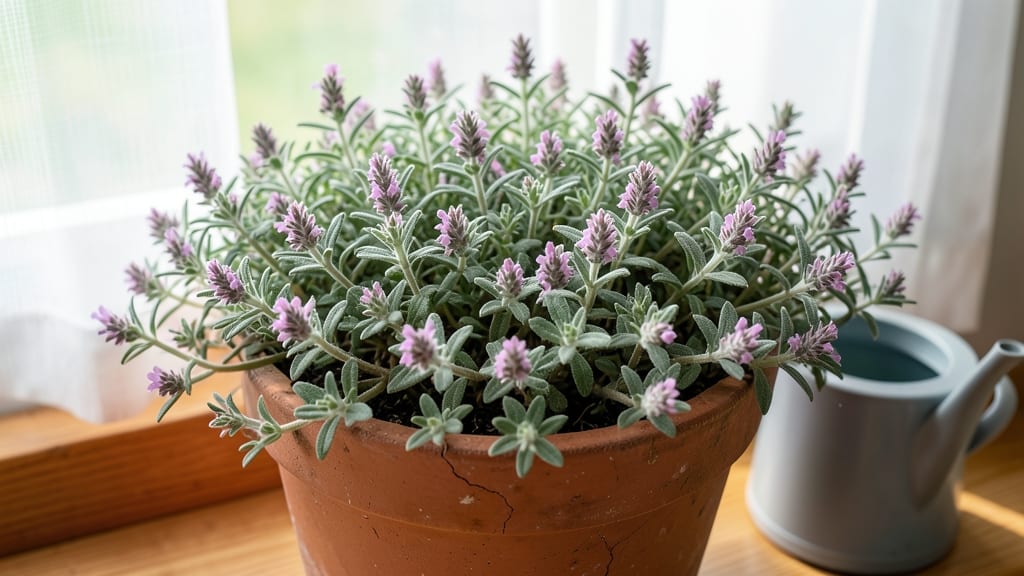
When thyme is flowering, it’s not just showing off—it’s telling you it’s thriving. ✨ That delicate lavender haze means your plant is happy, but it also signals the perfect time to shape it for more growth and fragrance.
The flowers might look pretty, but they’re actually sapping energy from the leaves you love for cooking and garnishes.
Most gardeners make the mistake of waiting too long to prune—by the time you notice the flowers, it’s already mid-season. Instead, snip those blooms back early, right after they appear, to encourage bushier, leafier growth.
A simple pair of clean scissors and a sunny spot (at least 6 hours of direct light daily) are all you need to keep thyme lush and productive.
What you’ll end up with is thyme that stays fragrant all year, even through winter. The leaves stay tender, the stems stay compact, and you’ll have fresh sprigs ready whenever a recipe calls for them.
Prune just above a set of leaves, and you’ll trigger new growth that keeps flowering in check.
This works for both culinary and ornamental thyme varieties, whether you’re growing it in pots on a windowsill or in a sunny border. The key is consistency—prune lightly every few weeks, and your thyme will reward you with steady blooms and even more aroma.
📚 In This Guide
- What you need
- Instructions
- Tips and common mistakes
- Wrapping up and next steps
What you need
- ● Pruning shears – Sharp, bypass-style shears (clean with rubbing alcohol before use).
- ○ Garden gloves – Durable, cut-resistant gloves (optional but recommended for thorny varieties like Thymus serpyllum).
- ● Disinfectant spray – 70% isopropyl alcohol or diluted bleach solution (1 part bleach to 9 parts water).
- ● Pruning saw – Only for woody, overgrown stems (if your thyme has thickened over time).
- ● Rake or small broom – For clearing debris after pruning.
- ● Hand pruners – For delicate trimming (great for small batches or container-grown thyme).
- ● Potting soil & containers – If propagating cuttings (use well-draining soil mix).
- ● Mulch (gravel or straw) – To protect roots post-pruning (especially in winter).
- ● Label markers – To tag different thyme varieties (if you’re growing multiple types).
Step-by-Step guide to pruning flowering thyme for lush growth
Here’s how to keep your thyme bushy, fragrant, and productive—no matter when those pretty blooms appear.
✂️ Step 1: Identify and Remove Flower Stems Early
Thyme flowers are beautiful, but they signal the plant to shift energy from leaf growth to seed production. As soon as you spot tiny flower buds (usually in late spring or early summer), snip them off at the base with clean, sharp scissors. This redirects the plant’s focus back to producing more aromatic leaves.
Work on a dry morning when the plant is fully hydrated—wet stems can tear. Cut just above a set of leaves where the flower stem meets the main stem. You’ll see fresh green growth within a week, and that’s your sign you’re doing it right.
🌿 Step 2: Thin Out Overcrowded Stems for Airflow
Flowering often exposes overcrowded stems in thyme. Look for woody, leggy growth or stems growing away from the center—these are prime candidates for trimming. Use pruning shears to cut these back to the base, leaving only the healthiest, most vibrant stems.
This isn’t just about looks—thinning improves airflow, which prevents fungal diseases like powdery mildew. Aim to leave 3-4 inches of new growth on the remaining stems. If your thyme is young, hold off on aggressive thinning until it’s at least 6 inches tall.
☀️ Step 3: Prune for Shape and Encourage Bushier Growth
After removing flowers and thinning, give your thyme a light shape-up. Trim the outer stems to encourage a fuller, rounded form. Cut just above a leaf node (the point where leaves attach) at a 45-degree angle to prevent water from pooling on the cut.
Here’s the thing—thyme grows best when it’s slightly stressed. Pruning in late summer or early fall (after flowering) stimulates new growth for next season. Just avoid heavy pruning in winter unless your climate is mild; thyme needs some dormancy to recover.
⏰ Step 4: Time Your Final Cut for Winter Prep
About 6 weeks before your first frost, give your thyme one last light trim. Remove any dead or yellowing leaves, and cut back any overly long stems by one-third. This helps the plant focus its energy on root development over winter.
Mulch lightly with 1 inch of organic mulch (like straw or shredded leaves) to protect roots from freezing temperatures. In spring, you’ll see fresh, vibrant growth—proof your pruning paid off. And that’s the moment you’ll notice the fragrance is even stronger than before!
Tips & tricks for pruning flowering thyme
Your thyme’s fragrance and growth depend on these simple but game-changing pruning secrets.
Timing Secret: In Step 1, when you spot those tiny flower buds, act fast! The earlier you remove them—ideally when they’re still pea-sized—your thyme will reward you with fresh, fragrant leaves within just 7 days. I’ve seen gardeners wait until flowers fully bloom, and the plant just doesn’t bounce back as well. Think of it like catching a weed early—prevention is easier than recovery.
Tool Tip: For Steps 2 and 3, your pruning shears should be sharper than your focus. Dull blades crush stems instead of cleanly cutting them, which invites disease. I keep a small pair dedicated just to my herbs, and I sharpen them on a fine-grit stone every few uses. A clean cut also means less stress on the plant—it’s like giving your thyme a spa day.
Seasonal Strategy: That final winter prep in Step 4 is your secret weapon for next year’s growth. When you cut back by one-third 6 weeks before frost, you’re not just tidying up—you’re helping the plant store energy in its roots. I’ve noticed my thyme that gets this treatment comes back twice as vigorous in spring. Just remember: in colder climates, hold off on heavy winter pruning unless your thyme looks completely spent.
Visual Cue: When shaping your thyme in Step 3, look for the little "V" where leaves meet the stem—that’s your leaf node. Cutting just above it (at a 45-degree angle) ensures new growth will sprout right there. I draw an imaginary line between my thumb and index finger to get that perfect angle every time. It’s a small detail, but it makes all the difference in how bushy your plant becomes.
Pro Tips for Thyme Is Flowering
- Your thyme’s fragrance and growth depend on these simple but game-changing pruning secrets.
- Timing Secret: In Step 1, when you spot those tiny flower buds, act fast!
- Tool Tip: For Steps 2 and 3, your pruning shears should be sharper than your focus.
Frequently asked questions
Got questions about keeping thyme blooming and fragrant?
Here are answers to the most common ones—whether you're a first-time gardener or a seasoned green thumb looking to refine your pruning game.
When is the best time to prune flowering thyme for more blooms?
Prune thyme right after it flowers (late spring to early summer) to encourage a second flush of blooms later in the season. Avoid cutting back in fall or winter, as this can stunt new growth. For evergreen varieties, a light trim in early spring keeps them tidy without sacrificing fragrance.
Can I prune thyme too much? How do I know if I’ve overdone it?
Yes! Over-pruning (cutting more than 1/3 of the plant) can stress thyme, leaving it leggy or bare. Signs of over-pruning include sparse foliage or no new growth after 4–6 weeks. If this happens, reduce pruning next year and focus on fertilizing lightly with compost.
Will pruning thyme affect its fragrance or flavor?
Not if done correctly! Pruning promotes denser, more aromatic foliage by removing woody stems. However, avoid heavy cuts in late summer—this can reduce winter hardiness and flavor intensity. For culinary thyme, harvest leaves regularly (snip sprigs) instead of pruning aggressively.
Can I grow thyme indoors? How does pruning differ?
Thyme thrives indoors with bright light (south-facing window or grow lights). Prune indoors the same way—after flowering—but use sterile scissors to prevent mold. Avoid overwatering; thyme hates soggy soil. A light trim every 2–3 months keeps it compact and fragrant.
What if my thyme stops flowering? What’s the fix?
Lack of flowers often means too much shade, over-fertilizing, or not enough sunlight (6+ hours daily). Move thyme to sunnier spot, reduce fertilizer (or skip it entirely—thyme prefers lean soil), and prune lightly to encourage new growth. Deadhead spent blooms to redirect energy to flowering.
Wrapping up and next steps
Thyme isn’t just a hardy herb—it’s a fragrant, year-round superstar when you master the art of pruning! By keeping your plants trimmed, you’ll encourage lush growth, vibrant blooms, and that unmistakable aroma that makes your garden (and kitchen) shine.
Whether you’re a seasoned gardener or just starting, these tricks will turn your thyme into a thriving, always-ready staple.
Ready to take the next step? Grab your shears, head outside, and give your thyme the TLC it deserves! 🌿 With a little patience and practice, you’ll be harvesting fresh, fragrant sprigs in no time—and maybe even sharing your green thumb with friends. Happy pruning!