
Flowers
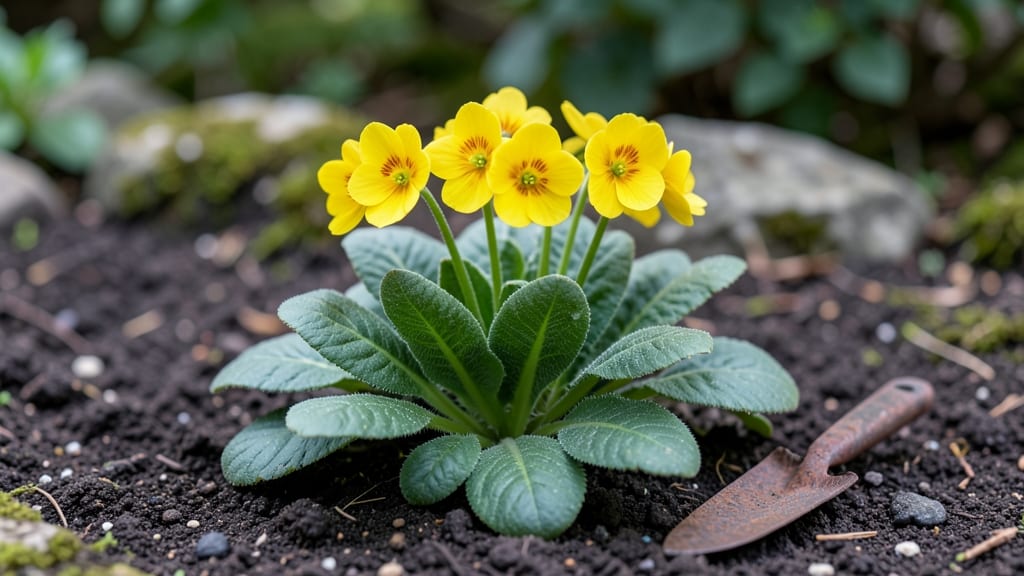
Growing the Tiny Tim flower—that adorable, compact bloomer—transforms any corner into a fairy-tale garden spot. 🌸 I’ve pruned these little powerhouses for years, and they never fail to deliver bursts of color while staying perfectly contained. The key?
Pruning at the right time and knowing exactly where to snip to encourage that lush, bushy growth. These dwarf varieties thrive in partial shade to full sun, making them perfect for small spaces or even container gardens. They’re not fussy about soil, either—just ensure it drains well, and you’re golden.
Watering is simple too: keep the soil consistently moist but never soggy, especially during their first growing season. By late spring, you’ll be rewarded with clusters of tiny, fragrant blooms that last for weeks. The secret to keeping them flourishing?
A light trim after each flowering cycle to shape them and encourage more blooms. It’s a game-changer for anyone with limited space but big garden dreams. Whether you’re tucking them into an orchard edge, lining a pathway, or spilling them over a pot, Tiny Tim flowers bring effortless charm.
Let’s get those shears ready—your compact garden oasis starts here!
📚 In This Guide
- What you need
- Instructions
- Tips and common mistakes
- Wrapping up and next steps
What you need
- ● Tiny Tim Crabapple Tree: 1-3 dwarf varieties (3-6 feet tall at maturity) – choose from local nurseries or mail-order specialists.
- ● Well-draining soil: Mix of topsoil, compost, and sand (or purchase pre-mixed orchard soil).
- ● Planting hole: Twice as wide as the root ball, with loose soil at the bottom.
- ● Mulch: 2-3 inches of wood chips or bark (avoid piling against the trunk).
- ● Slow-release fertilizer: 10-10-10 or balanced orchard blend (follow package rates).
- ● Watering can or hose: With a gentle spray nozzle for post-planting hydration.
- ● Pruning tools: 1 pair bypass pruners (sharp, clean, and sterilized with rubbing alcohol).
- ● 1 hand saw (for thicker branches, if needed).
- ● Gloves: Heavy-duty gardening gloves to protect hands from thorns.
- ● Tree support: 1-2 tree stakes + soft tie straps (for young trees in windy areas).
- ● Tree guard: Plastic or wire mesh to deter pests (e.g., deer or rabbits).
- ● Organic pest control: Neem oil or horticultural soap for aphid/mite prevention.
- ● Drip irrigation system: For consistent moisture (especially in dry climates).
- ○ Pruning sealant: (Optional) To coat cuts only if using on large branches (>1 inch).
Step-by-step guide for pruning Tiny Tim flower
Keep your dwarf orchard tidy and thriving with these simple pruning techniques.
✂️ Step 1: Identify the Right Time to Prune
Prune Tiny Tim flowers during late winter or early spring before new growth begins. This timing ensures you're shaping the plant when it's dormant, reducing stress and preventing disease. Look for bare branches and no visible buds—that's your cue to start.
If you missed the dormant season, you can still prune in early summer after flowering, but avoid heavy cuts. The key is to remove only dead or crossing branches at this point. Never prune in fall or winter when frost is likely—you'll risk damaging tender new growth.
✂️ Step 2: Use the Right Tools and Technique
Grab your sharp, clean pruning shears and hand pruners—dull tools crush branches, inviting infection. Sterilize them with rubbing alcohol before and after pruning to prevent spreading bacteria. Tiny Tim's delicate branches need precision, so make cuts at a 45-degree angle just above a bud or outward-facing leaf.
Start by removing dead, diseased, or weak branches first—these are easy to spot as they're brown, brittle, or lack leaves. Next, thin out crossing branches that rub against each other, as these create wounds and invite pests. Never cut more than one-third of the plant's foliage at once, or you'll shock it.
✂️ Step 3: Shape for Compact Growth
Tiny Tim thrives on an open, airy shape that lets sunlight reach all branches. Step back and visualize the plant as a rounded dome—this encourages even growth and better flowering. Start at the outer edges and work inward, cutting back branches that grow inward or downward to open up the center.
For each cut, aim to leave 2-3 strong buds on the remaining branch. These buds will sprout into new growth, keeping the plant bushy and compact. Avoid "lion's tailing"—cutting back to a single stub—unless you're rejuvenating an overgrown plant. Instead, always leave a bud or leaf to guide new growth.
✂️ Step 4: Post-Pruning Care
After pruning, water deeply to help the plant recover. Tiny Tim's shallow roots need moisture to support new growth, so keep the soil evenly damp for the first 2 weeks. Apply a balanced fertilizer (like 10-10-10) to encourage strong regrowth, but avoid heavy doses—too much nitrogen will promote leafy growth at the expense of flowers.
Watch for new shoots emerging from the buds you left behind—these are your signal that pruning worked. If you see yellowing leaves or wilting branches, you may have over-pruned. In that case, reduce watering slightly and wait for the plant to adjust. With proper care, your Tiny Tim will reward you with compact, blooming beauty all season long.
Tips & tricks for pruning Tiny Tim flowers
Here's what nobody tells you about keeping your Tiny Tim looking its absolute best after pruning.
Timing is Everything: Late winter or early spring is your golden window for pruning Tiny Tim flowers. This is when the plant is dormant, so it can handle the stress without fighting back. If you missed that window, early summer after flowering is your second chance—but only for light maintenance. I learned this the hard way after pruning in late fall and nearly losing a plant to winter frost. The plant's resilience is amazing, but timing matters more than you'd think.
Precision Cuts Prevent Problems: When you're making those 45-degree angle cuts just above a bud, don't just eyeball it. Use a ruler or your fingers to measure about 1/4 inch above the bud. This small detail makes all the difference in how the plant recovers. I've seen beginners cut too close to the bud, which can damage the growth point, or too far away, leaving ugly stubs. The clean cut also helps prevent disease from entering the plant through jagged wounds.
Shape Matters More Than You Think: That rounded dome shape isn't just for looks—it's about airflow and sunlight penetration. When you're cutting back branches that grow inward, imagine you're creating a fishbowl shape where air can circulate freely. This prevents fungal issues and helps every part of the plant get equal sunlight, which means more even flowering. I always step back every few cuts to check the overall shape—it's like giving the plant a haircut where you can see the final look.
Post-Pruning Recovery is Critical: After you've finished pruning, don't just walk away. The first two weeks are make-or-break for your plant's recovery. I've seen people overwater after pruning, thinking the plant needs more moisture, but Tiny Tim's shallow roots actually need time to adjust. Water deeply but less frequently—just enough to keep the soil evenly damp. And that balanced fertilizer? Use half the recommended dose at first. The plant is already stressed from pruning, and too much nitrogen will send it into leafy overdrive instead of focusing on rebuilding its structure.
Pro Tips for Tiny Tim Flower
- Here's what nobody tells you about keeping your Tiny Tim looking its absolute best after pruning.
- Timing is Everything: Late winter or early spring is your golden window for pruning Tiny Tim flowers.
- Precision Cuts Prevent Problems: When you're making those 45-degree angle cuts just above a bud, don't just eyeball it.
Frequently asked questions
How often should I prune Tiny Tim apple trees to keep them compact?
Prune Tiny Tim apple trees twice a year: once in late winter (before buds swell) to shape the tree, and again in summer (after harvest) to remove water sprouts. Light annual pruning encourages dense growth—aim for 20-30% of the tree’s canopy per year. Over-pruning can stress the tree, so take it slow!
Can Tiny Tim flowers produce fruit if I skip pruning?
Yes, but expect smaller yields and weaker structure. Tiny Tim flowers will still bloom without pruning, but unchecked growth leads to crowded branches, poor air circulation (risking disease), and less fruit quality. Pruning boosts fruit size and tree health—worth the effort for a compact orchard!
What if my Tiny Tim tree isn’t flowering after pruning?
Check these fixes:
- Age: Tiny Tim may need 3–5 years to mature before flowering.
- Sunlight: Ensure 6+ hours of direct sun daily—shady spots delay blooms.
- Fertilizer: Test soil for low nitrogen or phosphorus; use a balanced 10-10-10 fertilizer in early spring.
- Pollination: Tiny Tim is self-pollinating, but nearby apple trees can improve fruit set.
Are there dwarf apple tree alternatives to Tiny Tim?
Consider these compact, flowering-friendly options:
- ‘Liberty’ – Disease-resistant, cold-hardy, and productive.
- ‘GoldRush’ – Golden-yellow fruit, great for small spaces.
- ‘Columnar’ varieties (e.g., ‘Urban Apple’) – Ultra-narrow, perfect for tight gardens.
- ‘Sansa’ – Fire blight-resistant, sweet fruit, and low-maintenance.
How do I protect Tiny Tim flowers from late frosts?
Late frosts (below 28°F) can damage blooms. Use these tricks:
- Cover trees with frost cloth or a lightweight blanket (secure edges to avoid wind damage).
- Set up overhead sprinklers the night before—water releases heat as it freezes.
- Plant near a south-facing wall to absorb daytime heat.
- Avoid pruning too late in winter—wait until frost risk passes (typically after mid-April in most zones).
Wrapping up and next steps
The Tiny Tim flower is a charming addition to any compact orchard or garden, offering low-maintenance elegance with its dwarf variety. By mastering pruning techniques, you’ll ensure vibrant blooms and a tidy, picturesque space—perfect for small yards or containers. 🌸
Ready to transform your garden? Start by observing your Tiny Tim’s growth this season, then apply the pruning tips shared here. With patience and care, you’ll cultivate a thriving, miniature masterpiece that brings joy year after year!