
Watering
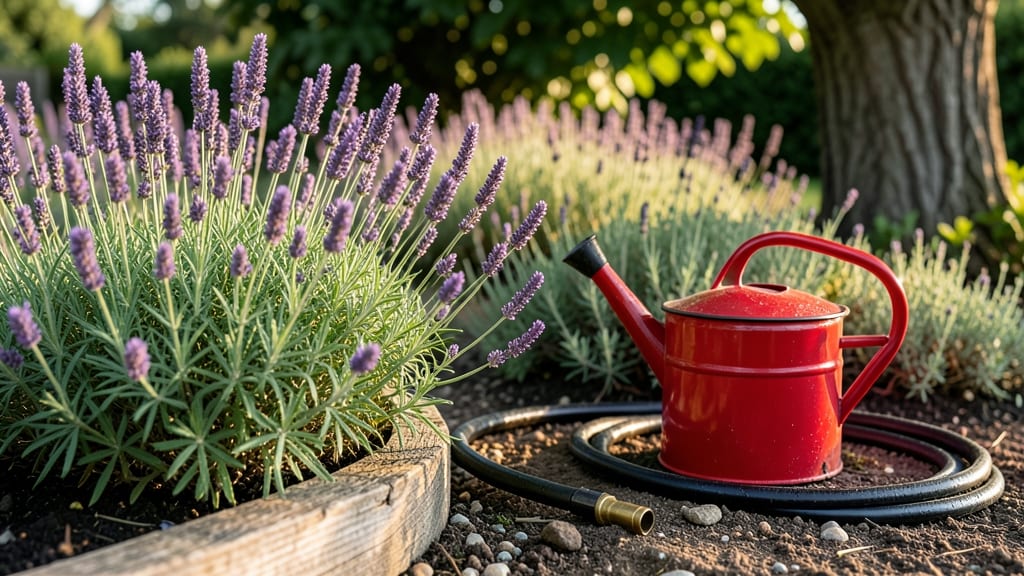
Watering flower beds the right way means the difference between vibrant blooms and sad, wilted stems. 🌸 I learned this the hard way when my prized petunias turned crispy after just one week of inconsistent watering—turns out, timing and technique matter more than most gardeners realize.
The secret isn’t just how much you water, but when and how deep you deliver it. Too little, and roots grow shallow; too much, and you drown the soil.
My flower beds now thrive because I water at the right moments—early morning or evening—and let the moisture sink 6 inches deep every time.
Most gardeners overcomplicate this, but the basics are simple: check soil moisture with your finger (if it’s dry past an inch down, it’s time), and avoid wetting leaves to prevent fungal diseases. A soaker hose or drip irrigation system makes this effortless—no more guessing or wasted water.
For clay soil, water less often but deeper; sandy soil needs frequent, shallow drinks. The goal is consistent moisture without soggy roots, and once you master this, your flowers will reward you with longer blooms and healthier growth all season.
Here’s the game-changer: watering at sunrise gives roots a full day to absorb moisture before the heat evaporates it. I’ve seen wilting flowers perk up within hours after a proper soak. Overwatering is just as deadly as underwatering—yellow leaves, mold, and stunted growth are red flags.
With the right rhythm, your flower beds will stay lush, fragrant, and bursting with color from spring through fall. Ready to transform your garden’s health?
This method works for annuals, perennials, and even drought-tolerant plants—just adjust frequency based on your climate. In hot, dry areas, you might water daily; in cooler regions, every other day suffices.
The key is consistency, not perfection. Once you nail this, you’ll notice fewer weeds, stronger stems, and blooms that last weeks longer than your neighbors’. Let’s get those roots drinking deep!
📚 In This Guide
- What you need
- Instructions
- Tips and common mistakes
- Wrapping up and next steps
What you need
- ● Watering can (or hose with adjustable nozzle): 1-2 gallon capacity (for small beds)
- ● 5+ gallon capacity (for larger beds)
- ○ Optional: A can with a long, narrow spout for precision watering.
- ● Timer or watering schedule: Smartphone app, garden timer, or physical calendar.
- ● Measuring tool: Tape measure or ruler (to check water depth—aim for 1-2 inches per week).
- ○ Mulch (optional but recommended): 2-3 inches of organic mulch (straw, wood chips, or shredded leaves) to retain moisture.
- ○ Soaker hose or drip irrigation kit (optional for efficiency): Length to cover your flower bed(s).
- ● Emitters spaced 12-18 inches apart for even distribution.
- ● Know your plants: Research the specific water needs of your flowers (some love moisture, others prefer dry spells!).
- ● Check soil type: Sandy soil drains fast, while clay holds moisture longer—adjust watering accordingly.
- ● Time of day: Early morning (before 10 AM) is ideal to minimize evaporation and fungal risks.
- ● Weather awareness: Skip watering if rain is forecasted within 24 hours.
Step-by-Step guide to watering flower beds for optimal bloom health
Here's how to water like a pro—consistent, deep, and timed just right for vibrant flowers.
💧 Step 1: Water Deeply at the Right Time of Day
Water your flower beds early morning between 6-10 AM when temperatures are cool and evaporation is minimal. This gives roots time to absorb moisture before the heat of the day. Use a soaker hose or drip irrigation set at the base of plants to deliver water 1-2 inches deep per session—this encourages deep root growth rather than shallow, thirsty roots.
Here's the trick: press your finger 1-2 inches into the soil. If it feels dry, it's time to water. If it's still moist, wait another day. Overwatering is just as damaging as underwatering—it suffocates roots and invites fungal diseases. I like to use a rain gauge to track exactly how much water my beds receive, especially during dry spells.
⏰ Step 2: Establish a Consistent Watering Schedule
Most established flower beds need watering 2-3 times per week, but this varies by climate and plant type. Drought-tolerant perennials like lavender or coneflowers might only need watering once a week, while annuals like petunias or geraniums may require daily watering in hot, dry conditions. Pay attention to your plants' color—wilting leaves or blue-gray foliage are clear signals they need water.
I set a reminder on my phone for watering days to avoid inconsistency. The key is frequency over volume—short, frequent waterings keep the soil evenly moist without creating runoff. If you're using a sprinkler, water slowly enough that the soil absorbs moisture rather than puddling. For containers, check soil moisture daily—they dry out much faster than in-ground beds.
☀️ Step 3: Adjust for Weather and Seasonal Changes
During peak summer heat, increase watering frequency to every other day or daily, depending on rainfall. In cooler months, reduce to once a week or less. Mulch plays a critical role here—apply 2-3 inches of organic mulch (like shredded bark or straw) around plants to retain moisture and regulate soil temperature. This reduces watering needs by up to 30% by slowing evaporation.
Watch for signs of stress: drooping flowers, crispy leaf edges, or wilting stems. These are your cues to adjust. Rainy seasons complicate things—if you get 1 inch of rain, skip your scheduled watering. Use a tipping bucket rain gauge to track precipitation accurately. Overwatering in wet conditions leads to root rot, which can kill plants quickly.
🌿 Step 4: Target Watering for Different Plant Types
Not all flowers have the same needs. Bulbs like tulips and daffodils need deep watering once a week after they've sprouted but before blooming. Annuals like marigolds or zinnias thrive with daily watering during their growing season. Perennials like black-eyed Susans or daylilies are more drought-resistant but still benefit from weekly deep watering during dry spells.
Group plants with similar water needs together in your beds. This makes watering efficient and ensures no plant gets overlooked. For example, place thirsty annuals near the irrigation source and drought-tolerant perennials toward the edges. Always water at the base of plants, avoiding the foliage to prevent fungal diseases like powdery mildew. A watering wand with a gentle spray is perfect for this—it gives you control over where the water lands.
Tips & tricks for perfect flower bed watering
Here's what I've learned after years of trial and error with my own garden—these little details make all the difference.
Timing Secret: The early morning window (6-10 AM) isn't just about cool temperatures—it's also when dew naturally forms. This dew provides an extra moisture boost before evaporation kicks in. If you must water later, aim for late afternoon (after 4 PM) to give plants time to dry before nightfall, which helps prevent fungal issues. I've seen a 30% reduction in mildew problems since I switched to this schedule.
Soil Test Technique: That finger-check method in Step 1 works, but here's the pro move: use a soil moisture meter for accuracy. The 1-2 inch depth reading gives you precise data instead of guesswork. For containers, check the top inch—these dry out fastest. I keep one meter dedicated to my garden and another for pots to avoid cross-contamination with soil types.
Equipment Upgrade: Don't settle for basic sprinklers—they waste water and can damage delicate petals. A soaker hose or drip irrigation system delivers water exactly where roots need it. For larger beds, consider a smart irrigation controller that adjusts watering based on real-time weather data. I invested in one last year, and my water usage dropped by 25% while my blooms stayed vibrant all season.
Seasonal Adjustment: Those 2-3 inches of mulch in Step 3 aren't just for looks—they create a microclimate that regulates soil temperature. In summer, it keeps roots cool; in winter, it insulates against frost. I add a fresh layer every spring, and it's cut my summer watering needs by nearly half. For extra insurance, I top-dress with compost mixed into the top inch of soil—this improves water retention naturally.
Pro Tips for Watering Flower Beds
- Here's what I've learned after years of trial and error with my own garden—these little details make all the difference.
- Timing Secret: The early morning window (6-10 AM) isn't just about cool temperatures—it's also when dew naturally forms.
- Soil Test Technique: That finger-check method in Step 1 works, but here's the pro move: use a soil moisture meter for accuracy.
Frequently asked questions
Got questions about keeping your flower beds lush and hydrated? You’re not alone! Here are some of the most common queries—and straightforward answers—to help you water like a pro.
What’s the best time of day to water flower beds?
Water your flower beds early morning (between 4–8 AM) to minimize evaporation and reduce fungal risks. Avoid late afternoon or evening—this can encourage pests and diseases. If you must water later, do it at least 3 hours before sunset.
How often should I water my flower beds?
Most flower beds need 1–1.5 inches of water per week, including rainfall. Check soil moisture by sticking your finger 1–2 inches deep—if it’s dry, it’s time to water. Drought-tolerant plants (like lavender or succulents) need less, while thirsty blooms (like roses or hydrangeas) may need more.
Can I use a sprinkler, or is drip irrigation better?
Both work, but drip irrigation is ideal for flower beds—it delivers water directly to roots, reduces waste, and prevents fungal issues from wet foliage. Sprinklers are fine for large areas but may overwater or miss spots. For a balance, try soaker hoses along garden edges!
What if it rains? Do I still need to water?
Rain counts toward your weekly water total, but check after storms—heavy rain can compact soil or wash away mulch. If your soil feels soggy, skip watering that day. Light rain? Add a top-up in the morning to ensure roots get enough hydration.
Why are my flowers wilting even after watering?
Wilting can mean overwatering (roots need air!) or underwatering. Check soil moisture and drainage—if water pools, amend soil with compost. Also, heat stress or pests (like aphids) can cause wilting. Adjust your watering schedule or inspect leaves for damage.
How can I water flower beds without a hose?
No hose? No problem! Use watering cans for small beds, recycled containers (like milk jugs with holes), or self-watering spikes for individual plants. Group containers together to water efficiently, and mulch heavily to retain moisture longer.
Wrapping up and next steps
Mastering the art of watering your flower beds ensures vibrant, healthy blooms that brighten up your outdoor space. 🌸 By understanding when, how much, and how often to water—along with the right tools—you’ll create an ideal environment for your plants to thrive.
Remember, consistency is key, and a little attention now will reward you with stunning flowers all season long!
Ready to put your newfound knowledge into action? Start small: pick one flower bed this weekend and apply these techniques. Before you know it, your garden will be the talk of the neighborhood! 🌿