
Flowers
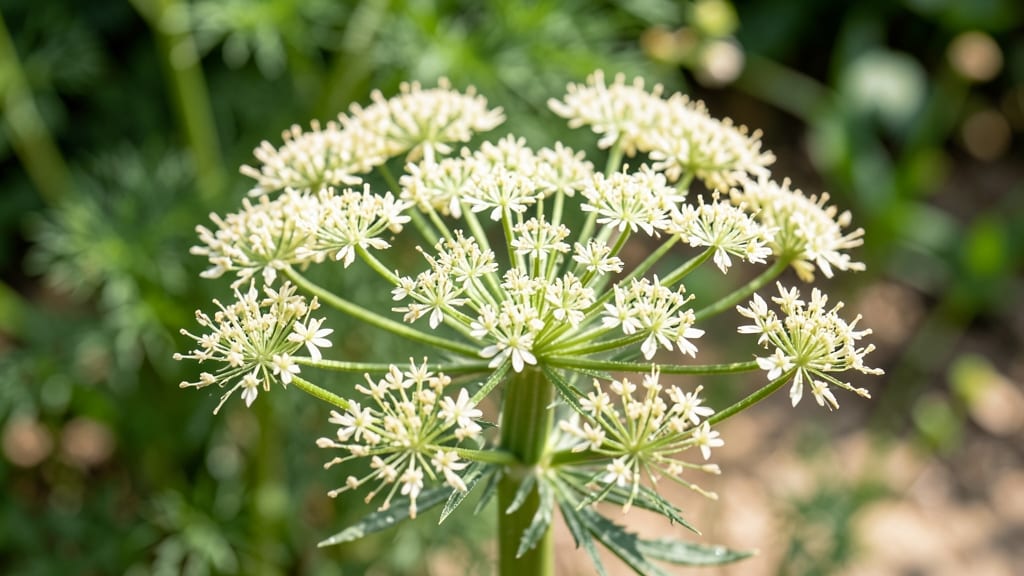
Wasps hate these flowers more than they hate your picnic sandwiches. 🌿 I learned the hard way that planting the wrong blooms can turn your garden into a wasp buffet—until I discovered the plants that send them packing.
The secret lies in strong scents, fuzzy foliage, and specific chemical compounds that wasps actively avoid.
Marigolds, lavender, and geraniums top the list because their citrusy, minty, and camphor-like aromas confuse wasps' scent trails. Even better, these same plants attract pollinators like bees and butterflies, so you're not just repelling pests—you're creating a thriving ecosystem.
The key is strategic placement: bordering paths, near seating areas, and around fruit trees where wasps love to linger.
By summer's end, you'll have a garden where wasps take one look and fly elsewhere—while your tomatoes, peppers, and roses flourish without interruption. The best part? These wasp-deterring plants also boost your garden's beauty and resilience. Let's get planting the right way.
Works equally well in containers, raised beds, or in-ground plantings—just avoid mixing them with wasp magnets like overripe fruit or sugary sodas left outside. Your peaceful garden days are about to begin.
📚 In This Guide
- What you need
- Instructions
- Tips and common mistakes
- Wrapping up and next steps
What you need
- ● Wasp-repellent flowers: Marigolds (10–20 plants, Tagetes species)
- ● Lavender (5–10 plants, Lavandula species)
- ● Basil (3–5 plants, Ocimum basilicum)
- ● Geraniums (4–6 plants, Pelargonium species)
- ● Chrysanthemums (5–8 plants, Chrysanthemum species)
- ● Potting soil: 1–2 bags (1 cubic foot each) of high-quality, well-draining potting mix
- ● Garden gloves: 1 pair (to protect hands from thorns or soil)
- ● Watering can or hose: For consistent hydration (5–10 gallons capacity)
- ● Pruners or shears: 1 pair (for trimming and shaping plants)
- ● Mulch: Straw or wood chips (1–2 bags) to retain moisture and suppress weeds
- ● Fertilizer: Organic, slow-release granules (e.g., compost or balanced 10-10-10) for extra growth
- ● Plant markers: Small labels or stakes to identify your wasp-deterrent flowers
- ○ Spray bottle: For misting basil or lavender leaves (optional for scent boost)
- ● Wasp traps (non-toxic):strong> 1–2 (as a backup, placed far from your garden)
How to choose and plant wasp-repelling flowers for a pest-free garden
Here's how to transform your garden into a wasp-free zone using nature's best defenses.
🌱 Step 1: Select the Right Was-Deterring Flowers
Start with flowers known to repel wasps naturally. Marigolds, chrysanthemums, and geraniums are top choices—their strong scents mask other garden aromas that attract wasps. I always plant lavender near seating areas; its citrusy fragrance keeps pests away while adding beauty. These flowers also attract beneficial insects like ladybugs and bees, creating a balanced ecosystem.
For maximum effect, include a mix of annuals and perennials. Annuals like basil and mint (yes, they're flowers too!) provide instant coverage, while perennials like rosemary and thyme offer long-term protection. Place these near your patio or entry points where wasps are most active. The key is diversity—wasps get confused by too many competing scents.
🌿 Step 2: Plant Strategically Around Problem Areas
Position your wasp-repelling plants near hives you've identified, along walkways, and around outdoor dining spaces. I like to create a 3-foot barrier of marigolds around seating areas—their strong scent creates an invisible shield. For existing gardens, interplant these flowers between your current blooms rather than replacing everything at once.
Focus on sunny locations—most wasp-repelling flowers thrive in full sun to partial shade. If your garden has shady spots, opt for geraniums or mint, which tolerate lower light. Avoid planting these flowers near water sources or sweet-smelling blooms like roses, which attract wasps despite your deterrents.
💧 Step 3: Maintain Healthy, Vibrant Plants
Healthy plants produce stronger scents that repel wasps more effectively. Water deeply once weekly (or daily in extreme heat) until the top 6 inches of soil feel moist. Overwatering can weaken plants and make them more vulnerable to pests, so always check before watering again.
Fertilize lightly every 4-6 weeks with a balanced 10-10-10 formula—too much nitrogen promotes leafy growth at the expense of scent. Prune regularly to encourage bushier growth and stronger fragrance. Deadhead spent blooms to redirect energy into new growth and maintain that wasp-repelling aroma.
☀️ Step 4: Combine with Physical Deterrents
While flowers are your first line of defense, layer in physical deterrents for extra protection. Hang citrus peels or cloves in mesh bags near wasp hotspots—their natural oils confuse wasp scent trails. I also place shallow dishes of soapy water near entry points to trap stray wasps without harming beneficial insects.
Keep your garden tidy by removing fallen fruit and petals, which attract wasps. Avoid using strong chemical sprays—they can harm your repelling plants and beneficial insects. Instead, rely on the strong scents of your chosen flowers as your primary defense system.
Tips & tricks for creating a wasp-free garden sanctuary
Here's what I've learned from years of keeping my garden wasp-free without chemicals—these simple tricks make all the difference.
Layering Scent Strategies: The secret to wasp deterrence lies in overwhelming their scent receptors. Plant marigolds, lavender, and basil together—their combined citrusy, herbal, and peppery aromas create sensory confusion for wasps. I always place lavender near seating areas because its scent lingers beautifully while repelling pests. For extra protection, tuck in a few geraniums near entry points—their lemony fragrance acts like an invisible shield.
Plant Placement Psychology: Wasps follow scent trails, so strategic placement is everything. Create a 3-foot perimeter of marigolds around your patio or dining area—their strong scent creates an invisible barrier. In Step 2, when you're planting near problem areas, remember that wasps are drawn to moisture and sweet scents. Keep your wasp-repelling flowers at least 5 feet away from water sources and avoid planting them near roses or fruit trees, which attract wasps despite your deterrents.
Seasonal Scent Rotation: Wasps are most active during late summer and early fall, so adjust your plant selection accordingly. For spring and summer, focus on marigolds and basil—their strong scents are most effective during peak wasp season. In fall, add chrysanthemums and rosemary to maintain protection as wasps search for food sources. The key is to keep your garden's scent profile diverse and overwhelming throughout the growing season.
Natural Pest Control Synergy: Your wasp-repelling flowers should also attract beneficial insects. In Step 1, when selecting flowers, prioritize those that attract ladybugs and bees—they'll help control other garden pests while keeping your wasp deterrents effective. The balanced ecosystem created by these plants makes your garden more resilient against pests overall. Remember to deadhead spent blooms regularly to maintain strong scents and encourage continuous blooming.
Pro Tips for What Flowers Do Wasps Hate
- Here's what I've learned from years of keeping my garden wasp-free without chemicals—these simple tricks make all the difference.
- Layering Scent Strategies: The secret to wasp deterrence lies in overwhelming their scent receptors.
- Plant Placement Psychology: Wasps follow scent trails, so strategic placement is everything.
Frequently asked questions
about repelling wasps with flowers—because even the most beautiful gardens need a little pest protection!Can I plant wasp-repelling flowers near my patio or seating area?
Flowers like marigolds, geraniums, and basil thrive in containers or garden beds near patios. Just ensure they get enough sunlight (most need 6+ hours/day) and water regularly. Place them strategically—wasps dislike strong scents, so a small cluster around seating areas works wonders.
How long does it take for these flowers to deter wasps?
Results vary, but you’ll often see a reduction in wasp activity within 2–4 weeks after planting. Fast-acting options like catnip or lavender may show effects in 1–2 weeks. Consistency is key—keep plants healthy and well-maintained for the best results.
What if I don’t have a garden? Are there alternatives?
No garden? No problem! Try potted herbs like mint, thyme, or rosemary near doors/windows, or use commercial wasp-repelling sprays (with plant-based oils like eucalyptus). Even citrus peels or coffee grounds scattered around can help—wasps dislike these scents too!
Will these flowers also repel bees?
Most wasp-repelling flowers won’t harm bees—in fact, many (like lavender or sunflowers) attract beneficial pollinators! Wasps are deterred by strong scents (e.g., geraniums), while bees are drawn to fragrant blooms. Always prioritize bee-friendly plants to support local ecosystems.
What should I do if wasps keep coming back?
If wasps persist, try these troubleshooting steps:
- Rotate plants seasonally (e.g., swap summer basil for winter rosemary).
- Add companion plants like alliums or fennel, which wasps dislike.
- Remove food/water sources (spilled drinks, ripe fruit, standing water).
- Use physical barriers like fine mesh near entry points.
Wrapping up and next steps
Now that you know which flowers repel wasps and how to use them effectively, you’re well on your way to a pest-free garden! 🌸 From marigolds and lavender to basil and geraniums, nature offers plenty of free, chemical-free solutions to keep those buzzing pests at bay.
The key is consistency—plant strategically, maintain healthy blooms, and pair these flowers with other organic deterrents for the best results.
Ready to take action? Start small: Pick one or two wasp-repelling flowers to add to your garden this season, or experiment with companion planting near your veggies or patio. Your garden—and your peace of mind—will thank you! 🌿✨