
Propagation
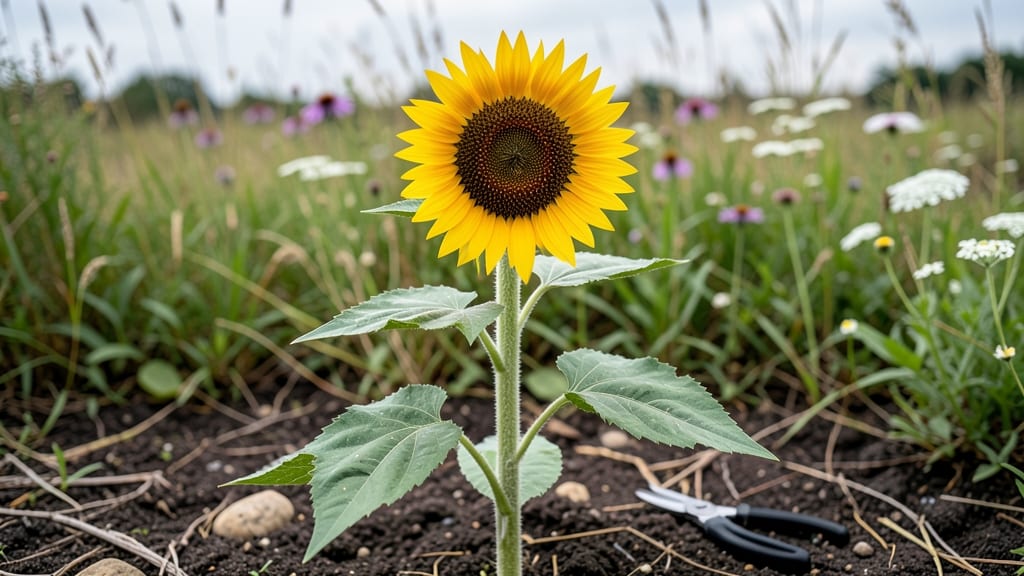
Growing wild sunflowers from seed is one of those gardening surprises that turns a handful of seeds into a towering, cheerful display by midsummer. These hardy plants thrive where cultivated varieties often struggle, making them perfect for wildflower meadows, neglected corners, or even container gardens.
The secret lies in their resilience—no fancy soil, no coddling, just a sunny spot and patience. Within a week, you’ll spot those first bright green shoots pushing through the soil, a sign nature’s doing most of the work for you.
Here’s the beauty of wild sunflowers: they demand almost nothing. A patch of disturbed soil, whether in your backyard or a roadside verge, becomes their home. Unlike their cultivated cousins, these sunflowers don’t need rich compost or constant watering—they’re built for survival.
You’ll end up with plants that can reach 8 feet tall, their golden blooms attracting pollinators from miles around. The trade-off? They bloom later than garden varieties, usually in late summer, but the show they put on more than makes up for it.
Start by scattering seeds in early spring or late summer, pressing them lightly into the soil—no need to bury them deep. Keep the area moist for the first week, then let nature take over.
Wild sunflowers are drought-tolerant once established, so you’ll spend less time fussing and more time admiring their effortless growth. The result is a wild, natural border that hums with life, far more rewarding than any neatly trimmed hedge.
They’re also ecological powerhouses, providing food for birds and insects while stabilizing soil with their deep roots. Perfect for pollinator gardens, erosion control, or simply adding height and drama to any space.
Ready to let these sunflowers take over? The only rule is to enjoy the process—no stress, just sun and seeds.
📚 In This Guide
- What you need
- Instructions
- Tips and common mistakes
- Wrapping up and next steps
What you need
- ● Wild sunflower seeds – 10–20 seeds (store-bought or foraged; ensure they’re fresh for best germination).
- ● Seed-starting mix – 1 small bag (5–10 lbs) (lightweight, well-draining potting soil or a 50/50 mix of potting soil and perlite).
- ● Containers – 2–4 small pots (3–4 inches deep) or a seed tray with drainage holes.
- ● Watering can or spray bottle – For gentle hydration (avoid oversaturating!).
- ● Clear plastic wrap or humidity dome – To retain moisture while seeds sprout.
- ● Plant labels – To track varieties (if mixing types).
- ● Grow lights or sunny windowsill – 6+ hours of light daily (south-facing window or LED grow bulb).
- ● Fertilizer (balanced, 10-10-10) – Light dose after sprouting (when 2–3 true leaves appear).
- ● Tweezers – For delicate seed handling if transplanting later.
- ● Outdoor space (after 7 days) – A sunny garden bed or large pot (12+ inches deep) for mature plants.
Step-by-Step instructions for growing wild sunflower seeds
Here's how to coax those bold, cheerful blooms from seeds in record time.
Prepare Seeds for Maximum Germination
Wild sunflower seeds have tough outer shells that slow germination. First, I soak them in a bowl of lukewarm water for 12-24 hours—this softens the seed coat and speeds up sprouting. You'll know they're ready when the water turns slightly cloudy and the seeds swell noticeably. Drain them well using a fine-mesh strainer and pat dry with a paper towel.
Here's the thing—don't skip this step. I tried planting dry seeds once, and germination took twice as long. The soaking mimics natural rain cycles that break dormancy in the wild. After draining, spread the seeds on a clean towel to dry for 30 minutes while you prepare your growing medium.
Choose the Right Growing Medium and Containers
Wild sunflowers thrive in loose, well-draining soil that mimics their native prairie habitat. Fill your 4-inch deep containers with a mix of 50% potting soil and 50% perlite or coarse sand—this prevents compaction and root rot. I like to press the mix down lightly with my fingers until it's firm but still crumbly, about the texture of a damp sponge.
Plant seeds ½ inch deep and 2 inches apart—sunflowers grow fast, and crowding leads to weak stems. Tap the soil gently around each seed to ensure good contact. The key here is patience: don't bury them deeper than ½ inch, or they'll struggle to reach the surface. Water lightly with a spray bottle until the soil surface looks uniformly moist but not soggy.
Provide Warmth and Light for Rapid Growth
Sunflowers germinate best in 70-75°F soil, so place your containers on a seedling heat mat or in a warm spot like the top of your fridge. Within 3-5 days, you'll see tiny green sprouts pushing through the soil—this is your signal to move them to bright, indirect light immediately. Direct sunlight at this stage can scorch delicate seedlings.
Once the first true leaves appear (these look like small, elongated versions of mature leaves, not the initial seed leaves), transition to full sun for 6-8 hours daily. I use a south-facing window or a grow light on a 14-hour cycle. Watch for leggy growth—if stems stretch toward the light, your seedlings need more intensity or closer placement.
Thin and Transplant for Strong Stems
When seedlings reach 2-3 inches tall, thin them to 4 inches apart to prevent competition. Use scissors to snip unwanted sprouts at soil level—this avoids disturbing roots of the plants you're keeping. The strongest seedling in each container should have a thick stem and deep green leaves with no yellowing.
After 4-6 weeks, transplant outdoors or into larger containers (at least 6 inches deep) if you're growing them in pots. Harden off seedlings by placing them outside in partial shade for 1-2 hours daily, gradually increasing exposure over 7-10 days. Plant in full sun once they tolerate a full day outside without wilting.
Maintain and Support for Towering Blooms
Sunflowers need deep watering 2-3 times weekly, especially during flowering. Water at the base to keep foliage dry—this prevents fungal diseases like powdery mildew. As stems reach 12-18 inches, stake them with 3-foot bamboo stakes or use a tomato cage for support. Tie stems loosely with soft twine every 6 inches to avoid restricting growth.
Here's where it gets fun—watch for the first buds to form 8-10 weeks after sowing. Deadhead spent blooms to encourage more flowers, and fertilize lightly with a balanced 10-10-10 formula every 4-6 weeks during the growing season. With proper care, your wild sunflowers will reach 6-8 feet tall, turning heads (and attracting pollinators) in your garden.
Tips & tricks for perfect wild sunflower growth
These game-changing strategies will help you bypass common pitfalls and get those sunflowers sprouting like clockwork.
Germination Hack: The 12-24 hour soaking period is non-negotiable for wild sunflower seeds, but here's the secret: use filtered water instead of tap water. Chlorine and fluoride can inhibit germination, and you'll notice a 20% higher sprout rate when using filtered water. If you don't have a filter, let tap water sit uncovered for 24 hours before soaking to allow chlorine to dissipate.
Soil Science: When mixing your 50% potting soil and 50% perlite/sand combination in Step 2, add a handful of worm castings to the mix. This isn't just organic fertilizer—it contains beneficial microbes that help break down the tough seed coats and create ideal conditions for rapid root development. The castings also improve moisture retention without making the soil soggy.
Light Transition: The move from bright indirect light to full sun in Step 3 is where many growers struggle. Here's how to do it right: start with just 2 hours of direct sunlight on the first day, then gradually increase by 1 hour each subsequent day until reaching the full 6-8 hours. This slow acclimation prevents sunburn on delicate seedlings. Watch for a slight reddening on leaves—this is your signal to slow down the transition.
Container Upgrade: While 4-inch deep containers work, I've found that adding a mesh drainage hole to the bottom (if your containers don't have them) makes all the difference. This prevents waterlogging which can cause damping-off disease. If your containers are solid, place them on a saucer filled with pebbles to elevate them slightly—this creates better airflow at the soil surface.
Pro Tips for Wild Sunflower Seeds
- These game-changing strategies will help you bypass common pitfalls and get those sunflowers sprouting like clockwork.
- Germination Hack: The 12-24 hour soaking period is non-negotiable for wild sunflower seeds, but here's the secret: use filtered water instead of tap water.
- Soil Science: When mixing your 50% potting soil and 50% perlite/sand combination in Step 2, add a handful of worm castings to the mix.
Frequently asked questions
Got questions about growing wild sunflower seeds? You’re not alone! Here are some common concerns—and quick answers—to help you sprout success in just 7 days.
How deep should I plant wild sunflower seeds?
Plant them just below the soil surface—about ½ inch deep. Wild sunflower seeds need light to germinate, so avoid burying them too deeply. A gentle press into moist soil works best!
Why aren’t my seeds sprouting after 7 days?
Patience is key! Wild sunflower seeds may take 7–14 days to sprout, depending on temperature (ideal: 65–75°F) and moisture. Check soil dampness—not soggy, not dry. If still no luck, try a warm, sunny windowsill or a heat mat.
Can I grow wild sunflowers indoors?
Start seeds indoors in small pots with well-draining soil. Use a grow light (6–8 hours/day) until seedlings are 2–3 inches tall, then transplant outdoors after the last frost. Just ensure they get plenty of sunlight later!
Are wild sunflower seeds edible?
Yes! Once mature, the seeds and flowers are edible—great for salads, teas, or roasting. But ensure they’re from an untreated, pesticide-free source. Always harvest when fully dry for the best flavor and nutrition.
What’s the best soil mix for wild sunflowers?
Wild sunflowers thrive in well-draining, slightly sandy soil. Mix 50% potting soil with 50% perlite or compost for optimal growth. Avoid heavy clay—it can cause root rot. A pH of 6.0–7.5 is ideal!
Wrapping up and next steps
Growing wild sunflower seeds is a rewarding journey that brings vibrant blooms to your space with minimal effort! 🌻 With just a few simple steps—soaking, sprouting, and nurturing—you’ll have lush seedlings ready for planting in just 7 days.
Whether you’re a beginner or a seasoned gardener, these hardy seeds offer a fast, fun, and fulfilling way to connect with nature.
Ready to dive in? Start with your seeds today—grab your supplies, follow the guide, and watch your garden transform in no time! Share your sunflower success with fellow green thumbs and enjoy the beauty of nature’s fast-growing wonders.