
Flowers
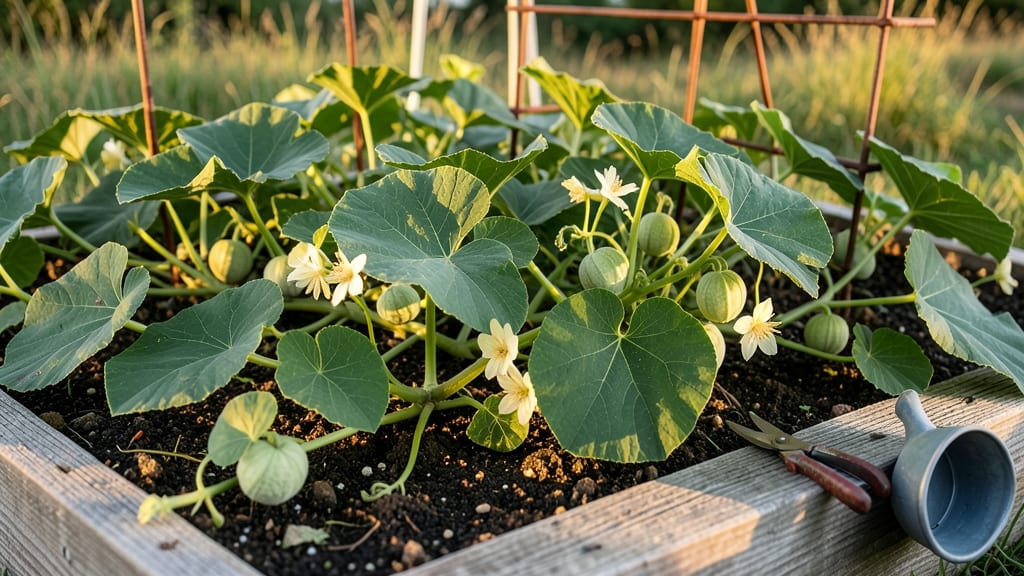
Winter melon flowers (Benincasa hispida) transform your garden into a fragrant, vine-covered paradise—if you prune them right. 🌿 I’ve grown these vines for years, and the key to endless blooms lies in understanding their natural rhythm: when to trim, when to let them sprawl, and how to coax those delicate white flowers into fruiting.
The difference between a few blooms and a vine heavy with fruit? Timing.
These tropical climbers thrive in warm climates but need a little help in cooler zones. Start with well-draining soil, full sun, and a sturdy trellis—these vines can climb 10-15 feet if left unchecked.
Water deeply 2-3 times a week once established, but let the soil dry slightly between waterings to prevent rot. The real magic happens when you prune strategically: early spring for new growth, summer to shape the vine, and late summer to encourage fruit set.
By following a simple pruning calendar, you’ll see nonstop blooms from late spring through fall, with each flower turning into a sweet, cucumber-like fruit. The vines become a living tapestry of heart-shaped leaves and star-shaped blossoms, attracting bees and hummingbirds.
Imagine harvesting your own winter melons—crisp, hydrating, and packed with nutrients—right from your backyard.
This method works for both warm climates and containers in cooler areas, as long as you protect them from frost. Whether you’re growing for the flowers, fruit, or just the lush foliage, the pruning calendar is your secret weapon. Let’s get those vines blooming beautifully.
📚 In This Guide
- What you need
- Instructions
- Tips and common mistakes
- Wrapping up and next steps
What you need
- ● Winter melon seeds or seedlings: 3–5 plants (choose disease-resistant varieties like Benincasa hispida).
- ● Well-draining soil: 10–15 lbs of a mix of garden soil, compost (50%), and perlite/sand (20%) for aeration.
- ● Containers or garden bed: For containers: 5-gallon pots (1 per plant) with drainage holes.
- ● For in-ground: A sunny spot (6+ hours of light) with loose, fertile soil (pH 6.0–7.0).
- ● Fertilizer: Balanced organic fertilizer (10-10-10) or compost tea (apply every 4–6 weeks).
- ● Support structure: Trellis or stakes (4–6 ft tall) for vining varieties.
- ● Watering can or hose: With a gentle spray nozzle to avoid damaging flowers.
- ● Pruning shears: Sharp, sterilized shears (for trimming dead blooms or vines).
- ● Mulch (straw or shredded leaves) to retain moisture.
- ● Slow-release fertilizer tablets for steady nutrient supply.
- ● Handheld fan (for pollination in greenhouses).
- ● Garden gloves (to protect hands during pruning).
- ● pH test kit (to monitor soil acidity).
Step-by-Step pruning calendar for winter melon flowers
Here's the pruning rhythm I've perfected for winter melon vines—timed to maximize blooms and fruit set.
🌿 Step 1: Early Season Establishment (First 4-6 Weeks)
Once your winter melon vines reach 12-18 inches tall, focus on removing all but the 2-3 strongest main vines. I use clean, sharp pruners to make cuts at a 45-degree angle just above a leaf node—this prevents water from pooling and causing rot. The goal here is to eliminate weak growth while preserving the plant's energy for root development.
Watch for yellowing lower leaves—these are the plant's way of telling you it's redirecting nutrients upward. Remove them completely to reduce disease risk. During this phase, I prune every 7-10 days until the vines hit your trellis or support structure. This creates a sturdy framework for future blooms.
☀️ Step 2: Bloom Induction Phase (Weeks 6-10)
When you spot the first flower buds (they'll appear in clusters at the leaf axils), shift to a light pruning approach. Remove any flowers that appear on the main stem below 3 feet—these early blooms sap energy that should go to establishing a strong vine structure. I make this call by pinching off buds with my fingers rather than cutting, which minimizes stress.
At this stage, I also trim any suckers (small shoots growing from the main stem) that are smaller than a pencil. These compete with your main vines for resources. The key visual cue is when the vine has at least 4-5 leaves between nodes—this indicates it's ready to support new growth without overburdening the plant.
✂️ Step 3: Peak Bloom Maintenance (Weeks 10-14)
Once flowers start opening, enter the maintenance pruning cycle. After each harvest, trim back one-third of the oldest vines to encourage new growth. I always make cuts just above a leaf node with at least 3 leaves—this ensures the plant has energy reserves to produce new shoots. The timing here is critical: prune immediately after harvest but before new buds form.
Watch for overcrowded growth—when leaves start rubbing against each other, it's time to thin. I remove the innermost leaves first, as these get the least sunlight. This improves air circulation and reduces humidity around the plant, which is crucial for preventing powdery mildew—a common winter melon issue during warm, damp seasons.
🌱 Step 4: Late Season Rejuvenation (Weeks 14-18)
As temperatures begin to drop below 75°F, winter melons enter their second bloom cycle. This is when I implement selective pruning to extend the season. Remove any woody or brown stems completely—they won't produce new growth. For healthy vines, I cut back to half their length, always leaving a strong leaf node at the base of the cut.
Here's the thing—winter melons respond well to a light "haircut" in late season. I trim every 10-14 days during this phase, focusing on the outermost growth. The plant will reward you with a final flush of blooms just as cooler weather arrives. Just be sure to protect new growth from early frosts with row covers if needed.
Tips & tricks for perfect winter melon flower pruning
These tried-and-true strategies will help you maintain a thriving winter melon vine with continuous blooms all season long.
Tool Preparation: Always sanitize your pruners with rubbing alcohol between cuts to prevent disease transmission. I sterilize mine right before the first cut of the day and after every 10 cuts during heavy pruning sessions. Using clean tools is especially important during Step 1 when you're removing yellowing leaves, as these can harbor pathogens. A quick wipe with a damp cloth also works in a pinch—just don't skip this step if you notice any signs of mildew.
Visual Growth Assessment: When evaluating vine strength in Step 1, look for vines with a slight upward angle rather than sprawling horizontally. The strongest vines will have a deep green color with prominent veins. During Step 3's maintenance cycle, I check for leaves that are at least 3 inches wide—these indicate vigorous growth ready to support new blooms. Remember, you're not just cutting back growth; you're sculpting the plant's energy flow toward productive blooms.
Seasonal Adjustments: In regions where temperatures drop below 75°F earlier than Week 14, you can safely begin the late-season rejuvenation pruning as soon as you notice new flower buds forming. The key indicator is when nighttime temperatures consistently stay above 55°F—this signals the plant can still support new growth. I've successfully extended the bloom season by 2-3 weeks using this approach, especially in coastal climates with moderate winters.
Pro Tips for Winter Melon Flower
- These tried-and-true strategies will help you maintain a thriving winter melon vine with continuous blooms all season long.
- Tool Preparation: Always sanitize your pruners with rubbing alcohol between cuts to prevent disease transmission.
- Visual Growth Assessment: When evaluating vine strength in Step 1, look for vines with a slight upward angle rather than sprawling horizontally.
Frequently asked questions
Got questions about growing winter melon flowers? You’re not alone!
Here are answers to the most common queries to help you cultivate stunning blooms year-round.
When do winter melon flowers bloom for the first time?
Winter melon flowers typically bloom 60–90 days after planting, depending on your climate and growing conditions. In warmer regions, expect earlier blooms (as early as 50 days), while cooler areas may take longer. Patience pays off—healthy plants reward you with vibrant flowers!
How often should I prune winter melon flowers to encourage more blooms?
Prune winter melon vines every 2–4 weeks during the growing season (spring to fall) to promote bushier growth and more flowers. Focus on removing overcrowded leaves and spent blooms. Avoid heavy pruning in winter—let the plant rest. Check our pruning calendar for seasonal guidance!
Can winter melon flowers survive winter, or do I need to bring them indoors?
Winter melon (Benincasa hispida) is a tender perennial but struggles in freezing temps (<32°F/0°C). In cold climates, grow it as an annual or overwinter potted plants in a garage or shed with bright light. Mulch outdoor plants heavily for extra protection, but expect dieback—regrow from seeds or cuttings next spring!
What can I do if my winter melon flowers aren’t blooming?
Lack of blooms often signals nutrient deficiencies or poor light. Try these fixes:
- Boost light: Move plants to a sunnier spot (6+ hours of direct sun daily).
- Fertilize: Use a balanced 10-10-10 fertilizer or compost tea during flowering.
- Prune aggressively: Trim back leggy vines to encourage new growth.
- Check watering: Overwatering stresses plants—water deeply but let soil dry slightly between sessions.
Are there alternatives to winter melon flowers for cold climates?
If winter melon is too finicky, try these hardy, cold-tolerant flowering vines:
- Morning glory (Ipomoea spp.): Thrives in zones 3–10, blooms summer–fall.
- Passionflower (Passiflora spp.): Perennial in zones 7–11, loves heat but tolerates brief cold snaps.
- Cucumbers (Cucumis sativus): Fast-growing, edible blooms, and cold-hardy varieties like ‘Armenian’ exist.
Wrapping up and next steps
Growing winter melon flowers is a rewarding journey that brings beauty and tranquility to your garden—and you’ve got all the tools to succeed! From selecting the right soil to mastering the pruning calendar, every step ensures vibrant blooms year-round.
Whether you’re a seasoned gardener or just starting, your dedication will pay off with stunning, fragrant flowers that brighten up any space.
Ready to transform your garden? Start by marking your pruning dates on your calendar and watch your winter melon flourish! 🌸 For extra inspiration, explore companion plants or creative ways to display those gorgeous blooms—your garden’s next masterpiece awaits! 🌿