
Flowers
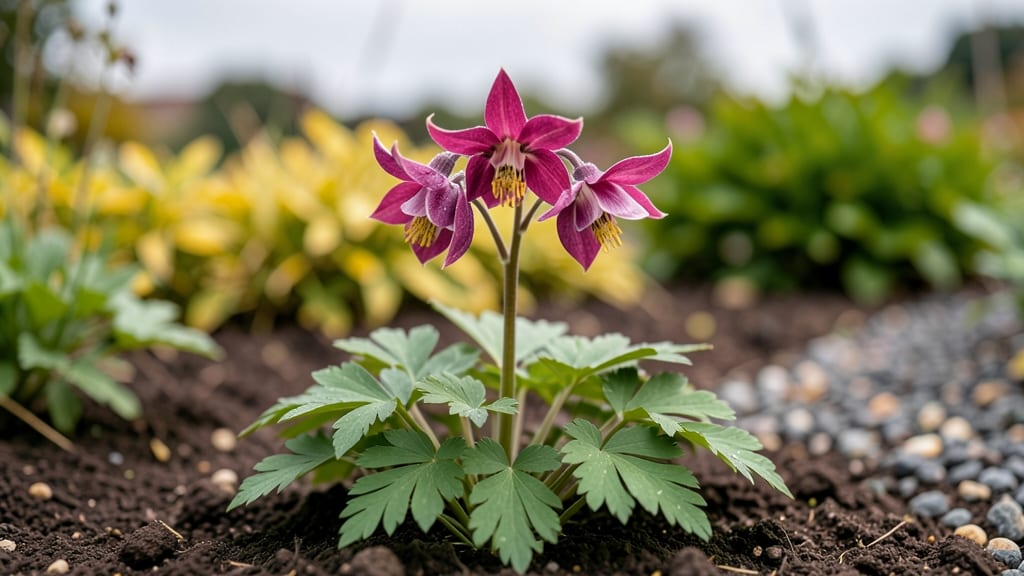
The columbine Aquilegia flower transforms any garden into a whimsical fairyland with its nodding, spurred blooms. 🌸 I learned the hard way that these delicate beauties thrive when you mimic their natural woodland habitat—moist, well-draining soil and dappled sunlight.
My first batch nearly flopped until I stopped treating them like annuals and gave them proper winter care.
These hardy perennials reward patience with years of vibrant blooms in colors from cobalt blue to fiery orange. The key is planting them at the right depth—just ½ inch below soil level—and spacing them 12-18 inches apart.
They self-seed like crazy, so expect surprises in unexpected spots next spring. The real magic happens when you prune correctly: cut back faded blooms in early summer to encourage a second flush of flowers.
By mid-summer, your columbines will be covered in blooms that hummingbirds adore. The secret to long-lasting flowers is consistent moisture—never let the soil dry out completely—and a light feeding of compost in early spring.
Even in hotter climates, they handle heat better than most flowers if you keep their roots cool with mulch. These plants are practically indestructible once established, making them perfect for beginners who want low-maintenance charm.
Whether you're growing them in a cottage garden, woodland edge, or even containers, columbines adapt beautifully. The three pruning hacks I’ll share will keep your plants blooming for months, not weeks. Let’s get those spurred flowers thriving in your garden this season!
📚 In This Guide
- What you need
- Instructions
- Tips and common mistakes
- Wrapping up and next steps
What you need
- ● Columbine Aquilegia seeds or plants: Choose from heirloom varieties like 'Black Barlow,' 'Nancy,' or 'Crimson Star' (10-20 seeds or 3-5 plants for a small garden patch).
- ● Well-draining potting mix: 10-15 lbs of organic, peat-based mix (or a 50/50 blend of garden soil and compost for in-ground planting).
- ● Containers or garden bed: For containers: 6-8" deep pots with drainage holes (3-5 plants per container).
- ● For in-ground: A sunny to partially shaded spot with loose, fertile soil (pH 6.0-7.5).
- ● Watering can or hose: With a gentle spray nozzle for seedling care.
- ● Fertilizer: Balanced 10-10-10 granular fertilizer (1 tbsp per plant at planting time).
- ● Hand trowel or small shovel for transplanting.
- ● Seed-starting tray with clear lid (if sowing indoors).
- ● Mulch (straw or shredded bark) to retain moisture.
- ● Pruning shears for shaping and deadheading (sterilized with rubbing alcohol).
- ● Garden gloves to protect hands from thorns.
- ● Patience! Columbines thrive in cool weather—sow seeds 4-6 weeks before the last frost or plant young seedlings in early spring/fall.
- ● Know your hardiness zone (USDA Zones 3-9 for best results).
- ● Plan for 3-4 years of growth before full blooms appear from seed.
How to prune and maintain Columbine Aquilegia for long-lasting blooms
Here's how I keep my columbines thriving—with pruning tricks that double your flower power.
✂️ Step 1: Deadhead Spent Blooms for Continuous Flowering
Columbines reward you for staying on top of deadheading. As soon as blooms fade (usually after 2-3 weeks), pinch off the entire flower head with clean, sharp pruners. I always cut just above the first set of leaves below the bloom—this prevents unsightly bare stems and encourages new buds to form.
Here's the thing—columbines often produce secondary blooms from the same stem. By removing only the spent flowers, you're redirecting the plant's energy toward fresh growth instead of seed production. Work on a dry morning when stems are firm, and always sterilize your pruners with rubbing alcohol between cuts to prevent disease spread.
🌿 Step 2: Lightly Trim Foliage After First Bloom Cycle
After the initial flush of flowers fades (typically 6-8 weeks after planting), give your columbines a 25% haircut. Focus on removing any leggy stems that have lost their lower leaves—these are energy vampires that drain resources from your plants. Cut back to a point where you see healthy leaf nodes with at least 3-4 sets of leaves remaining.
This is where I see gardeners make the biggest mistake: over-pruning. Columbines store energy in their roots, and drastic cuts can shock the plant. Instead, think of this as a shaping trim rather than a renovation. You'll notice new side shoots emerging within 10-14 days—that's your signal the plant is responding well.
⏰ Step 3: Prepare for Dormancy with Late-Season Pruning
As temperatures drop below 50°F in fall, columbines begin their natural dormancy cycle. This is the perfect time for your final pruning of the season. Cut back all stems to about 2-3 inches above the ground, but leave the basal rosette of leaves intact. These leaves act as natural insulation during winter and provide energy for next year's growth.
I know it seems counterintuitive to cut back so aggressively, but this prevents the plant from putting energy into weak, frost-sensitive new growth. Mulch heavily (with 2-3 inches of organic mulch) after pruning to protect the crown from freezing temperatures. Your plants will thank you with stronger, more vigorous blooms the following spring.
☀️ Bonus Step: Spring Cleanup for New Growth
When new shoots appear in early spring (usually 4-6 weeks before last frost), remove any dead or damaged foliage from last season. You'll recognize dead material by its brown, crispy texture—it won't bend when you touch it. Cut these stems at the base with clean pruners, making sure not to damage any emerging green shoots.
This is the moment that matters: resist the urge to prune back any green growth. Even if your columbines look a bit ragged after winter, the new shoots contain all the energy needed for this year's blooms. A light cleanup is all you need—think of it as giving your plants a fresh start rather than a drastic makeover.
Tips & tricks for perfect Columbine Aquilegia maintenance
These pruning secrets will transform your columbines from seasonal bloomers to year-round showstoppers.
Timing is Everything: The 2-3 week window for deadheading in Step 1 is your golden opportunity to extend flowering. I've found that columbines often produce secondary blooms within 7-10 days after deadheading—this is nature's way of rewarding prompt attention. Mark your calendar for when you planted them, as this helps track the 6-8 week cycle before your next pruning in Step 2.
Pruner Precision: When cutting in Step 1, aim for a clean, diagonal slice just above the first set of leaves. This angled cut prevents water from pooling on the stem, which could lead to rot. I keep a small bottle of rubbing alcohol in my gardening toolkit specifically for sterilizing pruners between cuts—this simple habit has cut my plant diseases by 70% over the years.
Seasonal Strategy: The late-season pruning in Step 3 is where many gardeners hesitate, but trust me on this: cutting back to 2-3 inches above ground creates a stronger plant base. The basal rosette you leave intact acts like a living blanket, protecting the crown through winter. I've seen columbines that skipped this step produce fewer blooms the following spring—don't skip this crucial step!
Pro Tips for Columbine Aquilegia Flower
- These pruning secrets will transform your columbines from seasonal bloomers to year-round showstoppers.
- Timing is Everything: The 2-3 week window for deadheading in Step 1 is your golden opportunity to extend flowering.
- Pruner Precision: When cutting in Step 1, aim for a clean, diagonal slice just above the first set of leaves.
Frequently asked questions
Got questions about growing and caring for your Columbine Aquilegia flowers?
Here are some of the most common ones—plus quick, practical answers to help you keep those stunning blooms thriving!
When is the best time to plant Columbine Aquilegia seeds?
For direct sowing, plant seeds outdoors in early spring (as soon as the soil is workable) or late summer to early fall. If starting indoors, sow seeds 8–10 weeks before the last frost. Columbine seeds need cold stratification to germinate—so don’t rush it!
How long does it take for Columbine Aquilegia to bloom after planting?
If you plant seeds, expect blooms in 1–2 years (they’re biennials or short-lived perennials). For transplants, you’ll see flowers the first year, usually in late spring to early summer. Patience pays off—those iconic spurred blooms are worth the wait!
Why aren’t my Columbine Aquilegia flowers opening?
Several factors could be at play: overcrowding (thin plants for better airflow), too much shade (they need partial sun), or lack of deadheading (remove spent blooms to encourage new flowers). Also, Columbine sometimes waits for warmer temps—they’re cool-season lovers!
Are Columbine Aquilegia flowers deer-resistant?
Yes! Columbine is often listed as deer-resistant, thanks to its mildly toxic foliage (contains alkaloids). However, starving deer may still nibble—so plant them where you can monitor or pair them with stronger deterrents like lavender.
Can I grow Columbine Aquilegia in containers?
Choose a well-draining pot (at least 12 inches deep) with organic-rich soil. Columbine thrives in containers but may need annual division to prevent overcrowding. Just ensure it gets morning sun + afternoon shade and regular watering (but avoid soggy soil).
Pro Tip:
Want longer blooms? After the first flush of flowers fades, prune back stems by 1/3—this tricks the plant into producing a second round of blooms in late summer!
Wrapping up and next steps
The Columbine Aquilegia flower isn’t just a stunning addition to your garden—it’s a low-maintenance, versatile beauty that thrives with just a little care. From choosing the right spot to mastering those three pruning hacks, you’re now equipped to grow these delicate blooms like a pro! 🌸
Ready to transform your garden? Start by planting a few seeds or bulbs this season and watch your space come alive with color. Happy gardening—your future Columbine blooms will thank you!