
Flowers
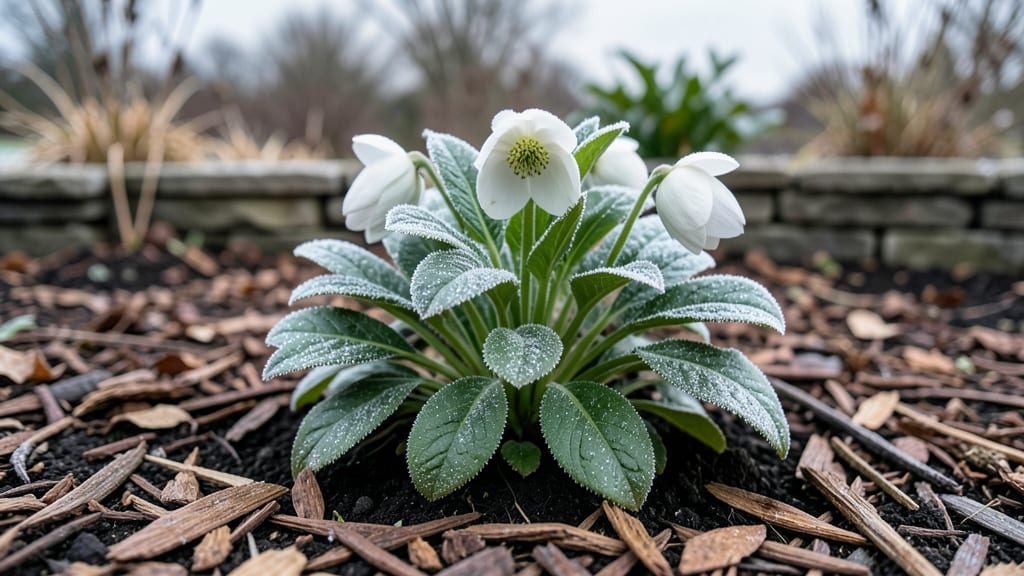
Your winter garden doesn't need to be a blank canvas—frost-resistant shade flowers bring color and life even when temperatures drop. 🌿 I've tested dozens of varieties in my own shady, cold-climate yard, and these are the ones that consistently push through snowfall to deliver cheerful blooms.
The secret isn't just choosing the right plants, but also preparing the soil with extra organic matter and mulching heavily before the first frost hits.
These hardy beauties thrive in partial to full shade, where most gardens give up by December. Think hellebores with their nodding winter blooms, snowdrops that appear like tiny miracles, and cyclamen with their delicate, heart-shaped leaves.
They're not just surviving—they're putting on a show when everything else is dormant. The key is planting them in well-draining soil and giving them a 3-4 inch layer of mulch to protect roots from freezing.
What you'll end up with is a garden that stays vibrant even in January, with flowers that smell like fresh air after a snowfall. The blooms may be smaller than summer varieties, but their resilience makes them all the more rewarding.
Plus, these plants attract pollinators early in the season, giving your garden a head start on spring growth. Let's dive into the specific varieties that perform best in my zone 5 trials.
Whether you're working with a north-facing yard, a densely treed area, or just want to extend your garden's season, these shade lovers deliver. The same principles apply whether you're planting in containers or directly in the ground—just adjust your watering schedule to account for colder temperatures.
Your winter garden can be just as stunning as your summer one with the right choices.
📚 In This Guide
- What you need
- Instructions
- Tips and common mistakes
- Wrapping up and next steps
What you need
- ● Winter-hardy shade flowers: Choose from Hellebores, Cyclamen, Winter Aconite, Lenten Rose, or Snowdrops (3–5 plants per variety for a full display).
- ● High-quality potting soil: 5–10 gallons, well-draining, and rich in organic matter (e.g., miracle-gro potting mix).
- ● Containers or garden beds: Containers: 12–16" diameter pots (3–5 per variety) with drainage holes.
- ● Garden beds: Shady spots with 6+ hours of indirect light and moist, well-amended soil.
- ● Mulch: 2–3 inches of pine straw, shredded bark, or leaf mold to insulate roots.
- ● Organic fertilizer: Slow-release, balanced (10-10-10) or high-phosphorus (5-10-10) for root growth.
- ● Gloves & knee pads (for comfort during planting).
- ● Trowel or hand shovel (for digging and transplanting).
- ● Watering can or hose with gentle spray nozzle (avoid over-saturating soil).
- ○ Optional: Soil pH test kit (ideal range: 6.0–7.0 for most shade flowers).
- ● Slow-release fertilizer spikes (for container plants).
- ● Decorative stones or pebbles (for container aesthetics).
- ● 💡 Know your hardiness zone: Select flowers rated for Zones 3–8 (check USDA zone map).
- ● ✨ Test soil moisture: Shade flowers prefer consistently moist (not soggy) soil.
- ● 🎯 Plan spacing: Allow 12–18 inches between plants for airflow and growth.
Step-by-step guide to planting frost-resistant winter shade flowers
Here's how to create a vibrant winter garden that blooms even in cold, shady spots.
🌱 Step 1: Choose the Right Frost-Hardy Varieties
Start with plants that naturally thrive in winter shade and can handle temperatures down to 10°F. Hellebores, snowdrops, and winter aconites are my top picks—they bloom early and tolerate heavy shade. Check your zone's hardiness rating to ensure your selections match your climate.
Look for plants labeled as "winter-blooming" or "early spring flowers." These varieties often have darker foliage that contrasts beautifully against snow. I always buy from nurseries specializing in shade-loving perennials—they carry healthier stock that's already acclimated to cooler conditions.
🪴 Step 2: Prepare the Soil for Cold-Weather Planting
Winter shade flowers need well-draining soil that stays moist but never soggy. Amend your existing soil with 2-3 inches of compost and a handful of perlite to improve aeration. The goal is soil that holds moisture without becoming compacted—cold roots need oxygen as much as warmth.
Test your soil's drainage by digging a 6-inch hole and filling it with water. If it drains completely within 30 minutes, your soil is ready. If water pools at the bottom after 2 hours, add more organic matter. I like to plant in late fall when the ground is still warm enough to work but cool enough to prevent transplant shock.
☀️ Step 3: Plant at the Correct Depth and Spacing
Dig holes twice as wide as the plant's root ball but only as deep as the container's base. This prevents burying the crown too deeply, which can cause rot in winter's damp conditions. Gently remove plants from their containers and loosen any circling roots with your fingers.
Space plants 12-18 inches apart depending on the variety. Hellebores can handle closer spacing, while larger snowdrops need more room to spread. Water each plant deeply before backfilling, then firm the soil gently around the roots. A 1-inch layer of mulch (like shredded bark) helps insulate roots while keeping them from freezing and thawing too quickly.
💧 Step 4: Water Strategically During Winter Months
Winter shade flowers need less water than summer plants, but they still require consistent moisture. Water deeply once every 2-3 weeks unless you receive significant snowfall. The key is to keep the soil evenly moist—not soggy, but not bone-dry either. I check soil moisture by pushing my finger 2 inches deep; if it feels dry, it's time to water.
Water in the late afternoon to reduce evaporation. Avoid overhead watering when temperatures drop below 32°F, as wet foliage can freeze and damage plants. A soaker hose or drip irrigation system works best for winter watering—it delivers moisture directly to the roots without wetting the leaves.
✂️ Step 5: Protect and Maintain Through Freeze-Thaw Cycles
When temperatures dip below 20°F, cover young plants with 2-3 inches of straw mulch or a layer of evergreen boughs. This creates an insulating barrier that protects tender roots. Remove the cover during the day if temperatures rise above freezing to prevent overheating.
Deadhead spent blooms in early spring to encourage new growth, but leave seed heads on some plants like hellebores—they add winter interest. Fertilize lightly in early spring with a balanced, slow-release fertilizer when you see new growth emerge. Too much fertilizer in winter can stimulate tender growth that won't survive cold snaps.
Tips & tricks for perfect winter shade gardens
Creating a thriving winter garden takes a few key strategies that make all the difference between struggling plants and stunning winter blooms.
Selection Tip: When choosing frost-resistant varieties, look for plants with thicker stems and darker foliage—they handle cold better. I always check the hardiness zone on the tag, but also verify with your local nursery. Some hellebores can handle down to 10°F, while snowdrops might need slightly warmer conditions. The key is matching your local winter lows exactly.
Soil Preparation: The 2-3 inches of compost recommendation is non-negotiable for winter shade plants. I add an extra handful of worm castings to boost microbial activity in cold soil. For the drainage test, if your soil drains too quickly (under 30 minutes), mix in some peat moss to help retain moisture during winter's dry spells. The goal is soil that feels like a well-squeezed sponge—not bone dry, not soggy.
Planting Depth: Buried crowns are a common mistake that leads to rot. When planting, use a reference stick marked at the depth of the container's base—this ensures you never plant deeper than needed. For hellebores, I often plant them slightly shallower than recommended since they naturally grow in woodland conditions where soil is loose. The roots need room to breathe, especially in winter.
Winter Watering: Those 2-3 weeks between waterings can feel like forever in winter, but consistency matters more than frequency. I set a reminder on my phone for the first few months to avoid forgetting. If you get heavy snowfall, let it melt naturally—it provides perfect hydration. The 2-inch deep moisture check is your best friend; if it's dry at that depth, water thoroughly but avoid creating puddles.
Pro Tips for Winter Shade Flowers
- Creating a thriving winter garden takes a few key strategies that make all the difference between struggling plants and stunning winter blooms.
- Selection Tip: When choosing frost-resistant varieties, look for plants with thicker stems and darker foliage—they handle cold better.
- Soil Preparation: The 2-3 inches of compost recommendation is non-negotiable for winter shade plants.
Frequently asked questions
Got questions about bringing winter shade flowers into your garden? Here are some of the most common ones—and their answers!
Which winter shade flowers are easiest for beginners to grow?
Start with hardy, low-maintenance options like Hellebores (Lenten Rose) or Cyclamen. Both tolerate shade, handle frost well, and bloom early. Pansies and Violas are also great for beginners—they’re cold-resistant and add vibrant color to shady spots.
Do winter shade flowers need extra protection from frost?
Most frost-resistant varieties (like Snowdrops or Winter Aconite) don’t need covering, but young plants or delicate blooms may benefit from a light frost cloth. Avoid heavy mulch—it can suffocate roots. Focus on well-draining soil and partial shade to keep them thriving.
When is the best time to plant winter shade flowers?
Fall is ideal! Planting in September or October gives roots time to establish before winter. For spring bloomers (like Bleeding Heart), plant in early fall or late winter. Avoid planting in extreme cold—wait until soil temps are above 40°F (4°C).
Can I grow winter shade flowers in containers?
Use well-draining pots with a mix of peat moss and perlite. Choose compact varieties like Miniature Cyclamen or Dwarf Hellebores. Move containers to a sheltered spot in winter and water sparingly to prevent root rot.
Why aren’t my winter shade flowers blooming?
Check these common issues:
- Too much shade: Some varieties need partial shade (4–6 hours of light). Try moving them slightly.
- Poor soil: Amend with compost for better nutrients.
- Overwatering: Winter shade flowers often need less water. Let soil dry slightly between waterings.
Wrapping up and next steps
Winter shade flowers bring color and life to your garden even when frost paints the landscape. From hardy hellebores to delicate cyclamen, these resilient blooms prove that chilly seasons can be just as vibrant—with the right choices!
Whether you’re a seasoned gardener or just starting, these frost-resistant varieties offer low-maintenance beauty that rewards patience and care.
Ready to transform your shady winter garden? Start small: pick one or two varieties to test, observe their performance, and gradually expand your collection. Your garden’s winter wonderland awaits—happy planting! 🌸❄️