
Flowers
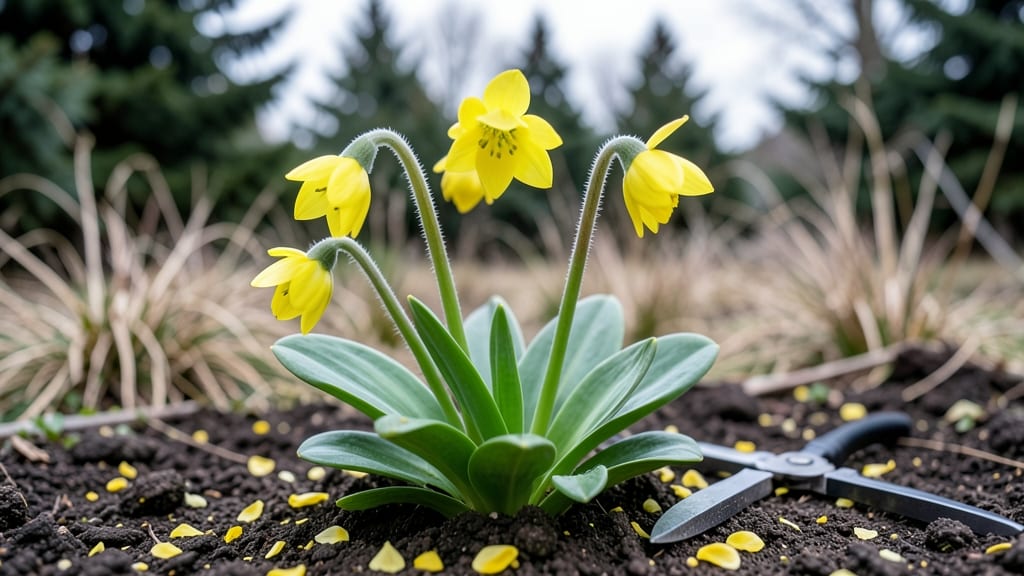
Winter aconite flowers burst through snow like tiny golden stars, defying winter’s chill with their cheerful blooms. 🌱 I’ve grown them for years, and they’re the first sign spring is coming—even when snow still blankets the ground.
These hardy perennials thrive where most plants give up, offering weeks of early color with minimal fuss.
The secret to their success lies in the right conditions: well-draining soil, partial shade, and protection from harsh winds. They’re tough enough for zones 4-8, but a thick layer of mulch in winter keeps them cozy.
Planting is simple—just scatter the corms in fall, cover lightly, and let nature do the rest.
By late winter, you’ll see those bright yellow flowers popping up through the soil, often before daffodils or crocuses. The blooms last for weeks, and the plants spread slowly over time. Just be cautious—every part is toxic if ingested, so keep them away from pets and kids.
Perfect for rock gardens, woodland edges, or containers, winter aconite adds early-season drama with almost no effort. Once established, they multiply on their own, giving you free plants for years to come. Let’s get yours growing!
📚 In This Guide
- What you need
- Instructions
- Tips and common mistakes
- Wrapping up and next steps
What you need
- ● Winter aconite bulbs: 5–10 bulbs (choose healthy, firm ones with no signs of rot).
- ● Well-draining soil: A mix of garden soil and compost (60% soil, 40% compost) or a cactus/succulent blend if planting in containers.
- ● Sunlight: Partial shade to full sun (4–6 hours of light daily).
- ● Watering can or hose: With a gentle spray nozzle for hydration.
- ○ Mulch (optional but helpful): A thin layer of straw or shredded leaves to protect bulbs in winter.
- ● Garden trowel or bulb planter: For digging holes (6–8 inches deep).
- ○ Gloves (optional): To protect hands while handling soil or bulbs.
- ● Patience! 🌸 Winter aconites take 2–3 weeks to bloom after planting.
Step-by-Step instructions for planting and caring for winter aconite
These cheerful yellow blooms thrive with minimal fuss—here's how to set them up for years of winter color.
🌱 Step 1: Choose the Perfect Planting Spot
Winter aconite loves full sun to partial shade, but in hot climates, afternoon shade protects the delicate foliage. I always plant mine where they'll get at least 4 hours of morning sun—this prevents the tubers from overheating in summer dormancy. The soil should drain well; these plants hate soggy roots.
Here's the thing—winter aconite spreads slowly but steadily. Space plants 6-8 inches apart to give them room to multiply naturally over time. If you're planting in a garden bed, mix in 1 inch of compost to enrich the soil without making it too heavy.
🪴 Step 2: Plant Tubers at the Right Depth and Time
Timing matters most with winter aconite. Plant the tubers in early fall, about 6-8 weeks before your first frost. This gives the roots time to establish before winter. Dig holes 2 inches deep—deeper planting delays blooming, while shallower planting can expose tubers to frost damage.
Place each tuber with its pointy end up (this is where the shoot will emerge). Cover lightly with soil and water gently to settle it in. Don't overwater now—just enough to moisten the soil around the tubers. You'll see first green shoots in late winter, often while snow still covers the ground.
☀️ Step 3: Provide Minimal Care After Planting
Winter aconite is one of the most low-maintenance perennials you'll grow. Once established, it needs very little watering. Water lightly after planting, then only when the soil feels bone-dry to the touch in summer. Overwatering in summer causes rot—these plants naturally go dormant and store energy in their tubers.
In early spring, you'll notice bright yellow flowers appearing before the leaves. This is their signature look! Let the blooms fade naturally—they self-seed readily, creating new plants for future years. After flowering, the foliage will die back on its own, signaling the plant's summer dormancy period.
✂️ Step 4: Divide and Multiply Every 3-4 Years
Winter aconite forms dense clumps over time. To keep them vigorous, divide them in early fall when the foliage has yellowed. Dig up the entire clump, then separate the tubers gently with your hands or a small trowel. Each tuber should have at least one growth point to ensure it regrows.
Real talk: I've found that dividing in September gives the new plants enough time to establish roots before winter. Replant the divisions at the same 2-inch depth and water lightly. You'll see new growth next spring—proof that your winter aconite is thriving.
Tips & tricks for perfect winter aconite planting
Winter aconite's early blooms are magical, but a few simple tricks will help you avoid common pitfalls and maximize those cheerful yellow flowers.
Sunlight Strategy: In Step 1, when choosing your planting spot, prioritize that 4 hours of morning sun—it's non-negotiable for winter aconite. I've seen tubers fail in spots with only afternoon sun because the heat stresses them during dormancy. For hot climates, create afternoon shade with nearby shrubs or a lattice structure. The key is keeping those tubers cool during their summer rest.
Tuber Placement: That 2-inch depth in Step 2 is crucial—any deeper and blooming gets delayed, any shallower and frost damage becomes a risk. Here's what nobody tells you: mark the pointy end of each tuber with a toothpick before planting. This ensures you always place them correctly, and you'll spot those first green shoots in late winter much faster. Trust me on this.
Watering Wisdom: The minimal care in Step 3 means no soggy tubers! After planting, water just enough to moisten the soil—think damp sponge, not wet towel. In summer, only water when soil feels bone-dry, and always water at the base to avoid wetting the foliage. I've lost plants to rot after enthusiastic watering sessions during dormancy.
Division Timing: When dividing in Step 4, September is ideal, but don't stress if you miss it. You can also divide in early spring before new growth appears. The critical factor is ensuring each tuber has at least one growth point—this is how you guarantee regrowth. I've successfully divided in October before frost, though spring divisions tend to establish faster.
Pro Tips for Winter Aconite Flower
- Winter aconite's early blooms are magical, but a few simple tricks will help you avoid common pitfalls and maximize those cheerful yellow flowers.
- Sunlight Strategy: In Step 1, when choosing your planting spot, prioritize that 4 hours of morning sun—it's non-negotiable for winter aconite.
- Tuber Placement: That 2-inch depth in Step 2 is crucial—any deeper and blooming gets delayed, any shallower and frost damage becomes a risk.
Frequently asked questions
Got questions about winter aconite? You’re not alone! Here are some of the most common inquiries—plus straightforward answers to help you grow and enjoy these cheerful early bloomers with confidence.
When is the best time to plant winter aconite?
Winter aconite thrives when planted in early fall (September–October) or late winter (February–March). This gives roots time to establish before summer heat arrives. If planting in spring, water deeply and mulch to retain moisture—just avoid soggy soil!
Can winter aconite survive heavy snow or frost?
These hardy perennials tolerate USDA Zones 3–8 and often bloom under snow. Their low-growing habit protects them from cold, but avoid heavy mulch (like thick straw) that could smother the plant. A light dusting of snow? No problem!
Why aren’t my winter aconite flowers opening?
If buds stay closed, check these fixes:
- Light: Needs full sun to partial shade (6+ hours of sun). Too much shade delays blooms.
- Soil: Prefers well-draining, slightly alkaline soil. Amend clay soil with sand or compost.
- Age: Young plants may take 2–3 years to bloom. Be patient!
Are there non-toxic alternatives to winter aconite?
Yes! If you’re wary of its mild toxicity (from alkaloids), try these pet-friendly, early-blooming perennials:
- Crocus (Crocus spp.) – Deer-resistant and cheerful!
- Snowdrops (Galanthus nivalis) – Fully non-toxic.
- Hellebores (Helleborus) – "Lenten roses" for shade.
Do winter aconite flowers attract pollinators?
While not a pollinator magnet like daffodils, winter aconite’s early blooms do feed bees when few other flowers are available. For extra buzz, pair it with crocus or hellebores to extend the pollinator buffet!
Wrapping up and next steps
The winter aconite flower is a true marvel of resilience, bringing vibrant color to your garden even when most plants are dormant. Its cheerful blooms and low-maintenance nature make it a perfect choice for gardeners eager to defy winter’s chill.
Whether you’re a seasoned gardener or just starting out, adding this hardy perennial to your landscape is a rewarding step toward a year-round garden full of life.
Ready to transform your winter garden? Start by gathering your supplies and following our planting tips—soon, you’ll be enjoying a burst of golden cheer right through the snow! 🌸✨