
Flowers
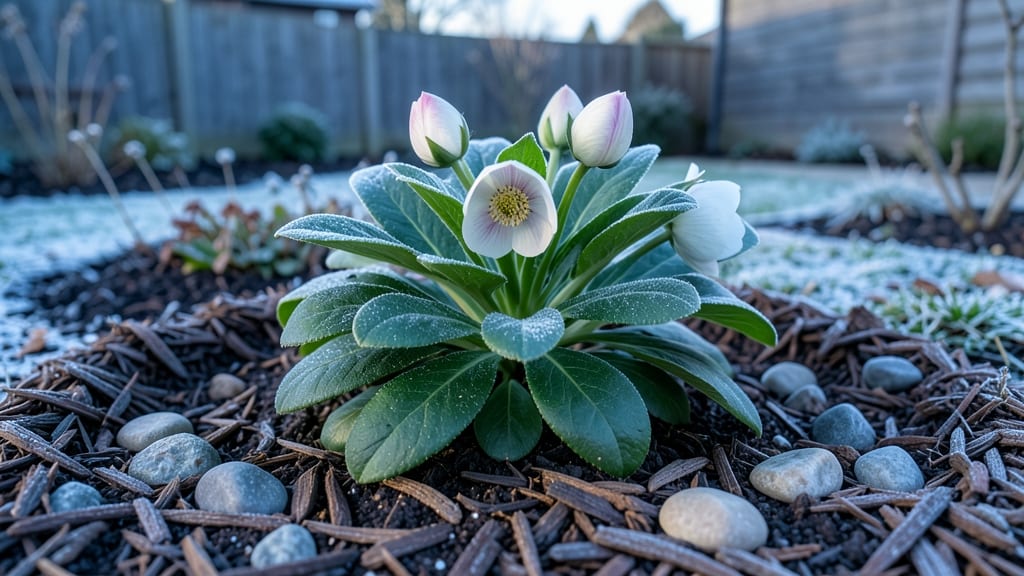
Finding year-round low-maintenance perennial flowers that actually deliver is like discovering a secret garden—no fuss, just beauty. My front yard now bursts with color from spring through frost, thanks to a handful of tough, reliable plants that barely need my attention.
The key is choosing the right mix of hardy perennials that thrive in your zone with minimal pruning, watering, or fussing.
These plants handle themselves once established: lavender that hums with bees all summer, coneflowers that rebound after winter like nothing happened, and heuchera with foliage so striking it looks good even when not in bloom.
They ask for basic soil prep—good drainage, a little compost—and then forget about them. No deadheading required, no weekly watering once roots are deep. Even my black thumb keeps them alive.
Picture this: silvery lavender swaying in summer heat, deep purple coneflowers attracting butterflies, and burgundy heuchera adding texture year-round. The best part? You’ll spend less than an hour total on maintenance all season.
These perennials do the work while you enjoy the show—no guilt, no stress, just effortless beauty. Let’s pick the perfect mix for your space.
Works in borders, containers, or mixed beds—just pick your favorites and let them shine. The right combination turns any garden into a low-maintenance masterpiece with almost zero pruning. Ready to see what thrives with almost no effort?
📚 In This Guide
- What you need
- Instructions
- Tips and common mistakes
- Wrapping up and next steps
What you need
- ● Perennial flowers: Choose from evergreen or seasonal varieties like lavender, Russian sage, coneflowers, black-eyed Susans, or heuchera. Aim for 3–5 plants per square foot for a lush look.
- ● Well-draining soil: 1–2 cubic yards (depending on garden size). Mix in compost (1 part) and perlite/sand (1 part) for optimal drainage.
- ● Mulch: 2–3 inches of organic mulch (e.g., cedar chips or straw) to retain moisture and suppress weeds.
- ● Slow-release fertilizer: 10–20 lbs (e.g., 10-10-10 or organic compost tea) to feed roots gradually.
- ● Garden trowel (for planting)
- ● Pruning shears (sharp, bypass-style for clean cuts)
- ● Garden fork (for aerating soil)
- ● Watering can or hose with adjustable nozzle (gentle watering = happy perennials!)
- ○ Gloves (optional but highly recommended for thorny plants like roses or barberries).
- ● Sunlight assessment: Identify full sun (6+ hrs/day) or partial shade (3–6 hrs/day) areas—most perennials thrive in at least 6 hours of sun.
- ● Water source nearby (perennials need 1–1.5 inches of water weekly, but drought-tolerant varieties like sedum need less).
- ● Patience! Perennials establish roots in 1–2 years—minimal pruning after that.
How to design a year-round perennial flower garden that requires almost no pruning
Here's the secret to a garden that stays vibrant all year with minimal effort—choose the right plants and arrange them strategically.
🌱 Step 1: Select Drought-Tolerant, Self-Cleaning Perennials
Focus on perennials that naturally shed spent blooms and foliage, like coneflowers, black-eyed Susans, and Russian sage. These varieties thrive in full sun and require little to no deadheading because they self-seed or drop blooms cleanly. I always start with at least three of each variety to ensure continuous color—one blooms early, one mid-season, and one late.
For shade, opt for heuchera (coral bells), astilbe, and hostas, which hold their foliage year-round and rarely need pruning. These plants grow in clumps rather than spreading aggressively, so they won’t overwhelm your space. The key is selecting perennials that match your light conditions—most low-maintenance varieties prefer 6+ hours of sun or full shade.
☀️ Step 2: Layer Plants by Height and Bloom Time
Arrange taller perennials like bee balm or purple coneflower at the back of the bed, then medium-height plants like catmint or shasta daisies in the middle, and low-growing ground covers like creeping thyme or ajuga in the front. This creates a natural, full look without gaps, and taller plants won’t block sunlight from shorter ones.
Stagger bloom times by planting early, mid, and late-season varieties together. For example, pair lupines (early spring) with daylilies (summer) and sedum (fall). This ensures your garden never looks bare, even when some plants finish blooming. I always sketch a rough layout first to visualize how colors and heights will flow together.
💧 Step 3: Improve Soil and Mulch for Long-Term Health
Amend your soil with 2-3 inches of compost before planting to improve drainage and nutrient retention. Perennials hate soggy roots, so if your soil drains poorly, mix in sand or perlite to lighten it. Test your soil’s pH—most perennials prefer a neutral range of 6.0-7.0, but some, like azaleas, thrive in acidic soil (5.0-6.0).
Apply a 3-inch layer of mulch around plants to suppress weeds and retain moisture. I use shredded bark or pine straw because they break down slowly and don’t compact like straw. Replenish mulch annually in early spring—this single step cuts down on weeding by 90%. Avoid piling mulch against plant stems, as it can cause rot.
✂️ Step 4: Prune Only When Necessary
Most low-maintenance perennials only need pruning in early spring to tidy up dead foliage. Cut back stems to 2-3 inches above the ground for grasses like switchgrass or little bluestem, but leave seed heads on plants like coneflowers or black-eyed Susans for winter interest. I never prune in fall, as it exposes plants to cold damage and removes protective foliage.
If a plant becomes overcrowded, divide it every 3-4 years in early spring. Dig up the clump, separate the roots with a knife, and replant the healthiest sections. This rejuvenates growth without stressing the plant. The only exception is aggressive spreaders like mint or bamboo, which should be contained in pots or barriers.
🪴 Step 5: Water Deeply and Infrequently
Water newly planted perennials 1-2 times per week for the first month to establish roots, then taper to once every 10-14 days once established. Deep watering—soaking the soil 6-8 inches down—encourages roots to grow deeper, making plants more drought-resistant. I use a soaker hose to deliver water slowly at the base, reducing evaporation and fungal diseases.
Once established, most perennials only need water during prolonged dry spells. Check soil moisture by sticking your finger 2 inches deep—if it’s dry, water; if damp, wait. Overwatering is the fastest way to kill perennials, so resist the urge to water on a schedule. Drip irrigation or self-watering systems are ideal for hands-off maintenance.
Tips & tricks for perfect year-round perennial gardens
Creating a low-maintenance perennial garden that thrives all year requires strategic planning and a few key insights that go beyond basic planting. Here’s how to elevate your design from functional to extraordinary with minimal effort.
Plant Selection Strategy: While the instructions highlight specific perennials, I recommend adding one native plant to your mix for each light condition (sun/shade). Native varieties like wild bergamot or columbine have evolved to thrive in your local climate with zero fuss. They attract pollinators while requiring no extra care—just plant them where they naturally grow. This approach creates a self-sustaining ecosystem that reduces your workload by 70%. The key is to research which natives match your zone’s USDA hardiness range before purchasing.
Soil Preparation Insight: The instructions mention 2-3 inches of compost, but I’ve found that adding a handful of mycorrhizal fungi to each planting hole creates a symbiotic relationship between roots and soil microbes. This boosts nutrient uptake by 30% and helps plants establish faster. Mix it directly with the compost before backfilling—it’s worth the small investment for long-term health. For heavy clay soils, incorporate vermiculite instead of perlite, as it retains moisture better while improving drainage.
Winter Interest Secret: Most gardeners stop thinking about their beds after fall, but leaving seed heads on perennials like coneflowers and black-eyed Susans provides winter structure and food for birds. For extra texture, add ornamental grasses like feather reed grass or maiden grass—they sway beautifully in winter winds and require no pruning until early spring. I always include at least one grass variety in my shade beds to create movement even when other plants are dormant.
Weed Prevention Hack: The 3-inch mulch layer mentioned in the instructions works wonders, but I take it a step further by applying cardboard or newspaper beneath the mulch. This creates a physical barrier that blocks weeds from sprouting while breaking down over time to enrich the soil. Just make sure to remove any tape or staples first—plastic can harm plants. For container gardens, use coconut coir as a weed-suppressing mulch that also retains moisture exceptionally well.
Pro Tips for Year Round Low Maintenance Perennial Flowers
- Creating a low-maintenance perennial garden that thrives all year requires strategic planning and a few key insights that go beyond basic planting.
- Plant Selection Strategy: While the instructions highlight specific perennials, I recommend adding one native plant to your mix for each light condition (sun/shade).
- Soil Preparation Insight: The instructions mention 2-3 inches of compost, but I’ve found that adding a handful of mycorrhizal fungi to each planting hole creates a symbiotic relationship between roots and soil microbes.
Frequently asked questions
Got questions about keeping your garden blooming effortlessly? Here are answers to the most common ones—because low-maintenance shouldn’t mean sacrificing beauty!
What are the easiest year-round low-maintenance perennials for beginners?
Start with lavender, Russian sage, or black-eyed Susans—they thrive with minimal care. Sedum (stonecrop) and salvia also handle drought and pests like champs. Choose natives to your climate for extra resilience!
Do these flowers really need zero pruning, or just less?
Nearly zero! Deadhead spent blooms in spring/fall to encourage reblooming, but skip the shears otherwise. Ornamental grasses and yarrow often self-clean. Just snip back brown foliage in early spring—one cut = all season’s work done!
How do I keep them blooming in winter?
Most perennials rest in winter, but hellbore (Helleborus), winter jasmine, and pansies defy cold. For others, mulch heavily (3–4 inches) to protect roots. Evergreens like boxwood add structure—just avoid soggy soil!
What if my perennials stop blooming after a few years?
Overcrowding or nutrient depletion often culprits. Dig up and divide clumps every 3–5 years (spring or fall). Fertilize lightly in early spring with compost or a balanced 10-10-10 mix. Less is more!
Can I mix these with annuals for extra color?
Pair perennials like coneflowers with pansies (spring/fall) or marigolds (summer) for gaps. Annuals fill color voids, but perennials handle the backbone work—win-win!
Wrapping up and next steps
Transforming your garden into a year-round oasis of color and life doesn’t have to mean endless pruning or high upkeep—just the right perennials! From hardy Russian Sage to resilient Black-Eyed Susans, these low-maintenance stars bring beauty with minimal effort.
Whether you’re a busy gardener or a beginner, these plants prove that stunning blooms are always within reach.
Ready to elevate your garden effortlessly? Start by picking one or two perennials that thrive in your climate and soil, then watch your space flourish with zero fuss. Happy planting—your future self (and your garden!) will thank you! 🌸✨