
Flowers
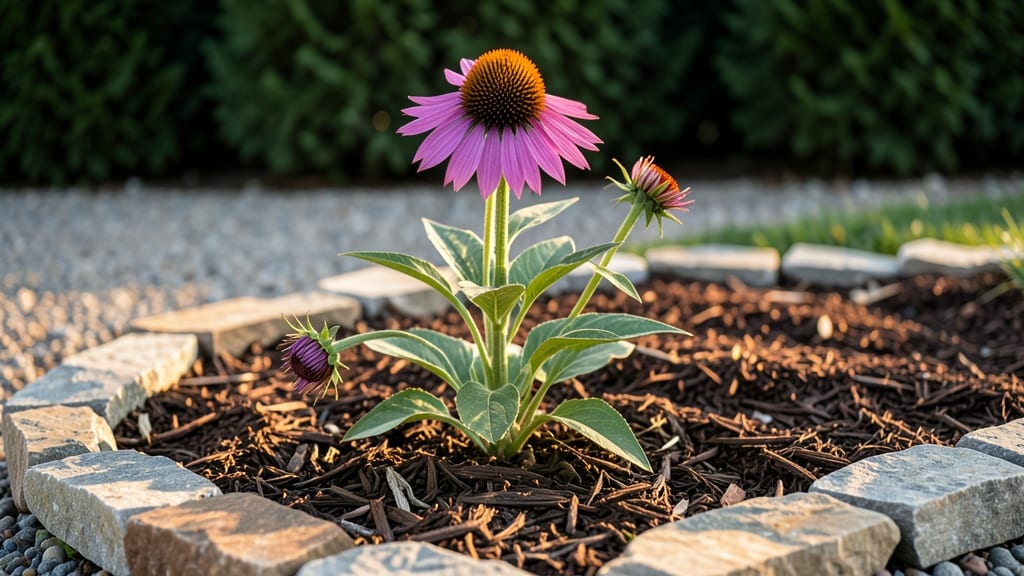
These low-maintenance perennial flowers in my front yard burst with color every season—without a single extra hour of work. 🌼 The secret? Drought-tolerant perennials that thrive on neglect, like coneflowers and black-eyed Susans, which handle heat, dry spells, and even forgetful watering with ease.
I swapped high-maintenance annuals for these tough bloomers after my first summer of wilting petunias and spent weekends weeding.
These perennials need three simple things: full sun (or at least 6 hours of light), well-draining soil, and a one-time spring mulch to keep weeds at bay. No deadheading, no fertilizing, no fuss—just cut back spent stalks in early spring and watch them bounce back.
My favorites include purple coneflowers that attract pollinators, golden black-eyed Susans for late-summer cheer, and daylilies that bloom from June to frost.
By midsummer, your front yard will look like a curated garden magazine spread—without the upkeep. The blooms layer naturally, with taller varieties like Joe Pye weed in the back and shorter daylilies spilling over edges.
Even in drought years, these plants stay vibrant, saving you time and water while still turning heads. The best part? They multiply over time, giving you free plants to share with neighbors.
Perfect for busy homeowners, eco-conscious gardeners, or anyone tired of fighting weeds and wilting flowers. Let’s design a front yard that stays beautiful with almost no effort—your future self will thank you.
📚 In This Guide
- What you need
- Instructions
- Tips and common mistakes
- Wrapping up and next steps
What you need
- ● Perennial flowers: Choose drought-tolerant varieties like Lavender, Black-Eyed Susan, Coneflower, or Russian Sage (5–10 plants per square yard, depending on spacing needs).
- ● High-quality soil: 2–3 cubic yards of well-draining, amended soil (mix in compost or organic matter for nutrients).
- ● Mulch: 2–3 bags of organic mulch (e.g., shredded bark or straw) to retain moisture and suppress weeds.
- ● Garden gloves: 1 pair (heavy-duty for durability).
- ● Watering can or hose: With a gentle spray nozzle for even watering.
- ● Pruners: Bypass pruners (for clean cuts without crushing stems).
- ● Garden trowel or spade: For digging holes (1–2 tools, depending on yard size).
- ● Measuring tape: To ensure proper spacing (6–12 inches apart for most perennials).
- ○ Drip irrigation system (optional): For automated, efficient watering (especially in hot climates).
- ● Fertilizer (slow-release, organic): 1 bag to boost initial growth (e.g., 10-10-10 or compost tea).
- ● Garden stakes or markers: To label plants and track care needs.
- ● Wheelbarrow: For hauling soil, mulch, or plants (1–2, depending on yard size).
Step-by-step guide to planting drought-tolerant perennial flowers
Here's how to create a stunning, self-sustaining front yard garden that thrives on nature's rhythm.
🌱 Step 1: Select and Prepare Your Planting Sites
Choose perennial varieties known for their drought tolerance, like black-eyed Susan, coneflower, or Russian sage. These beauties store moisture in their deep roots and bounce back from dry spells. I always scout my yard for sun exposure patterns—most drought-tolerant perennials need full sun (6+ hours daily).
Mark each planting site with flags or stakes, spacing them 18-24 inches apart to allow mature growth without competition. Dig holes twice as wide as the root ball but only as deep—planting too deep suffocates roots. Loosen the sides of each hole with your fingers to encourage root spread into surrounding soil.
☀️ Step 2: Amend Soil and Plant Strategically
Drought-tolerant perennials prefer well-draining soil, so I mix in 2-3 inches of compost into each hole to improve moisture retention without compacting. Avoid heavy amendments like peat moss—they can create waterlogged pockets. For clay-heavy soils, add a handful of coarse sand to each hole before planting.
Place each plant so the top of its root ball sits ½ inch below soil level. This prevents stem rot while encouraging root expansion. Backfill with native soil, pressing gently around the base to eliminate air pockets. Water immediately after planting to settle the soil and eliminate gaps.
💧 Step 3: Establish Deep Watering Routines
Water newly planted perennials deeply once a week for the first month, ensuring moisture reaches 6 inches down. You'll know you've watered enough when the soil feels damp at that depth—like a wrung-out sponge. Mulch with 2-3 inches of organic mulch around each plant, keeping it 3 inches away from stems to prevent rot.
After the first month, reduce watering to every 10-14 days, adjusting based on rainfall. Drought-tolerant perennials develop deep roots over time, making them resilient to dry spells. Watch for wilting leaves—this is your cue to water again, but only if it persists for more than a day.
✂️ Step 4: Maintain Through Seasonal Transitions
Deadhead spent blooms in late summer to encourage a second flush of flowers, but only if your perennials are hardy to your zone. I leave seed heads on some plants like coneflower for winter interest and wildlife support. Cut back entire plants in late fall or early spring, leaving 2-3 inches of stem to protect emerging growth from cold snaps.
Fertilize lightly in early spring with a balanced, slow-release fertilizer (10-10-10) to support new growth. Avoid high-nitrogen fertilizers—they encourage leafy growth at the expense of blooms. Your goal is to maintain, not overstimulate, these self-sufficient plants.
Tips & tricks for perfect low-maintenance perennial landscaping
Creating a front yard that thrives with minimal effort starts with these game-changing strategies—learn from my hard-won lessons about what truly makes these plants resilient.
Sun Exposure Secrets: While most drought-tolerant perennials love full sun (6+ hours), some like Russian sage can handle partial shade in hotter climates. I've learned to observe my yard's microclimates—what gets afternoon shade might need different plant selections. For example, black-eyed Susans will still thrive with 4-5 hours of sun if the remaining hours are cooler.
Planting Depth Precision: That ½-inch below soil level recommendation isn't just arbitrary—it's about creating the perfect balance. Planting too deep suffocates roots by preventing oxygen exchange, while planting too shallow exposes them to temperature extremes. I always use a level tool to verify this depth, especially when working with larger root balls that might settle differently.
Watering Technique: The "6 inches deep" watering guideline is critical, but how you achieve it matters. I use a long screwdriver to check moisture levels—if it comes out dry, water again. For clay soils, consider using a soaker hose to deliver water slowly at the root zone rather than surface watering, which evaporates quickly. This mimics natural rainfall patterns and encourages deeper root development.
Seasonal Maintenance: When cutting back in late fall, I leave those 2-3 inches of stem intentionally—this creates a natural windbreak for emerging shoots in spring. For plants like coneflower, I actually leave some seed heads standing year-round to provide winter interest and food for birds. The key is knowing which plants benefit from this approach versus those that need complete dormancy.
Pro Tips for Front Yard Low Maintenance Perennial Flowers
- Creating a front yard that thrives with minimal effort starts with these game-changing strategies—learn from my hard-won lessons about what truly makes these plants resilient.
- Sun Exposure Secrets: While most drought-tolerant perennials love full sun (6+ hours), some like Russian sage can handle partial shade in hotter climates.
- Planting Depth Precision: That ½-inch below soil level recommendation isn't just arbitrary—it's about creating the perfect balance.
Frequently asked questions
Got questions about keeping your front yard vibrant with minimal effort? Here are some of the most common concerns—and answers—to help you create a stunning, low-maintenance perennial garden with confidence!
What are the easiest perennial flowers for beginners?
Start with coneflowers (Echinacea), black-eyed Susans (Rudbeckia), or daylilies (Hemerocallis). These perennials are drought-tolerant, disease-resistant, and thrive in full sun with little care. They also attract pollinators, adding extra beauty to your yard!
How long does it take for low-maintenance perennials to establish?
Most perennials take 1-2 years to fully establish and bloom reliably. In the first year, focus on watering deeply (1 inch per week) and avoiding heavy foot traffic. Patience pays off—once rooted, they’ll return year after year with minimal effort!
Can I still grow perennials if my yard has poor soil?
Amend your soil with compost or mulch to improve drainage and fertility. Many drought-tolerant perennials, like lavender or sedum, thrive in rocky or sandy soil. Test your soil’s pH (most perennials prefer 6.0–7.0) and adjust with lime or sulfur if needed.
What’s the best way to prevent pests without chemicals?
Encourage beneficial insects (like ladybugs and lacewings) by planting native perennials. Use neem oil or insecticidal soap sparingly for pests like aphids. Mulch around plants to deter weeds and reduce hiding spots for pests—nature’s pest control!
How do I keep perennials looking neat without constant pruning?
Deadhead spent blooms in early summer to encourage more flowers, but avoid cutting back perennials until late winter or early spring. Leave seed heads for winter interest (and wildlife!). A 3-inch layer of mulch suppresses weeds and retains moisture—set it and forget it!
Wrapping up and next steps
Transforming your front yard into a vibrant, low-maintenance paradise is easier than you think! With drought-tolerant perennials like coneflowers, black-eyed Susans, and lavender, you’ll enjoy stunning blooms year after year—without the hassle.
These hardy plants not only save time but also water, making them perfect for busy homeowners or eco-conscious gardeners.
Ready to get started? Pick 2-3 perennials that suit your climate and soil, then sketch a simple layout—your future garden will thank you! 🌸💚 Browse our plant care guide for step-by-step tips to kick off your project today.