
Blooming
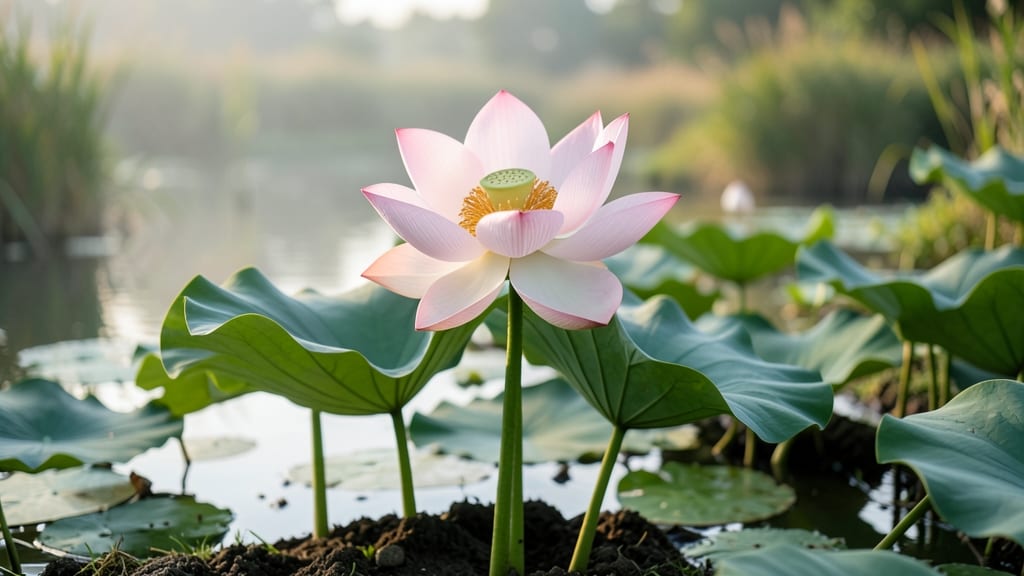
Few flowers carry as much meaning as lotus blossoms emerging from still water—each petal unfurling like a silent prayer. 🌸 These sacred symbols transform any water garden into a living sanctuary, their velvety blooms standing for purity, enlightenment, and renewal across cultures.
My first lotus plant taught me how a single plant can anchor an entire garden's soul, its roots in the mud and its spirit reaching toward the sky.
The magic lies in their placement: lotuses need at least 18 inches of water depth to thrive, with roots anchored in nutrient-rich pond soil.
You'll want to choose varieties based on your climate—hardy lotuses like Nelumbo lutea bloom reliably in zones 4-9, while tropical species like Nelumbo nucifera demand warmer waters. Pair them with water lilies for contrast or cattails for natural texture, and watch how the garden becomes a meditative space.
What starts as a small sprout becomes a 6-foot-tall statement by midsummer, its blooms opening at dawn and closing by dusk. The scent—clean, slightly sweet—fills the air, and the way sunlight catches the petals turns every morning into a golden revelation.
Even in winter, the lotus's dormant rhizomes promise next year's rebirth, making it the ultimate symbol of resilience in any water garden.
Whether you're creating a serene retreat or a culturally themed garden, lotuses adapt beautifully to containers, ponds, or even large pots. Just remember: they need full sun and regular fertilization to reward you with blooms that feel like a secret shared between earth and sky.
Ready to make your water garden sacred?
📚 In This Guide
- What you need
- Instructions
- Tips and common mistakes
- Wrapping up and next steps
What you need
- ● Lotus rhizomes or tubers: Choose healthy, disease-free rhizomes (1-3 per plant, depending on desired size). Sacred lotus (Nelumbo nucifera) and hardy water lilies (Nymphaea) are popular picks!
- ● Water garden container or pond: Minimum depth of 12–18 inches (deeper for tropical varieties). Use a pre-formed pond liner or a large, sturdy container (e.g., plastic tub, koi pond).
- ● Pond soil or substrate: 2–3 inches of aquatic plant soil or a mix of 60% topsoil, 30% sand, and 10% compost to anchor rhizomes.
- ● Gravel or pebbles: Small-sized (¼–½ inch) for drainage and root stability (1–2 inches layer).
- ● Fertilizer: Slow-release aquatic plant tabs (e.g., Fish Emissions or Aquascape) or organic options like blood meal (1–2 tabs per plant, 2–3 times per season).
- ● Garden trowel or spade: For planting rhizomes (6–8 inch blade ideal).
- ● Pond net or rake: To clear debris and maintain water quality.
- ○ Water testing kit: Optional but helpful for monitoring pH (ideal: 6.0–7.5) and nutrient levels.
- ● Pond aerator or fountain: Ensures oxygenation (critical for tropical lotuses).
- ● Gloves: Protects hands from sharp pond edges and rhizome debris.
- ● Floating plants (e.g., water hyacinth) to provide shade and reduce algae.
- ● Decorative rocks or driftwood for aesthetic appeal.
- ● Pond dye (e.g., black or blue) to block sunlight and prevent algae blooms.
- ● Solar-powered pond heater (for tropical lotus varieties in cooler climates).
Step-by-Step guide for cultivating lotus blossoms in water gardens
Here’s how to grow these majestic aquatic flowers—where patience meets beauty.
🪴 Step 1: Choose the Right Pond or Container
Lotus roots need at least 18 inches of water depth to thrive, so select a pond with 3-4 feet of depth or a large container (like a half-barrel) that can hold 5+ gallons of water per plant. I use a pre-formed pond liner for durability—it won’t crack under seasonal temperature shifts like plastic containers might. Place your lotus in full sun (6+ hours daily), as partial shade will stifle blooms.
If using a container, ensure it has no sharp edges—lotus roots are delicate and can tear easily. Drill drainage holes if needed, but avoid full submersion in freezing climates. The water should stay warm (70-85°F) for best growth, so position your pond where it absorbs sunlight early in the day.
🌱 Step 2: Plant the Rhizomes Correctly
Lotus rhizomes (the thick, knobby roots) should be planted horizontally, not vertically, with the eyes (buds) facing upward. Bury them 3-4 inches deep in pond soil or aquatic substrate—never garden soil, which will compact and suffocate roots. I like to use a lightweight clay or coconut coir mix for buoyancy and drainage.
Space rhizomes 12-18 inches apart in the pond or 6 inches apart in containers to allow roots to spread. If planting multiple, stagger them so blooms appear at different times throughout the season. Waterlogged soil around the rhizome is normal—this is how they thrive—but avoid muddy water, which can rot the roots.
☀️ Step 3: Maintain Water Quality and Sunlight
Lotus plants are heavy feeders, so fertilize monthly with a slow-release aquatic plant tablet (like Osmocote) placed near the rhizome. Overfeeding causes algae blooms, which compete for sunlight and smother your lotus. Test water weekly for clarity—cloudy water means it’s time to partially replace it (20-30%) with fresh, dechlorinated water.
Watch for yellowing leaves—this usually means too much shade or nutrient deficiency. If leaves float, your plant is starving for light; if they sink, the water’s too cold. Adjust the pond’s depth or move it to a sunnier spot. In containers, rotate the pot weekly so all sides get even light exposure.
✂️ Step 4: Prune and Overwinter for Next Season
After blooms fade, trim spent stalks to 2 inches above the waterline to redirect energy to next year’s growth. Never cut the rhizome itself—this is where new buds form. In fall, when water temps drop below 50°F, move container-grown lotuses to a cool, dark basement (not freezing) and reduce water depth to 6 inches. Keep the rhizome barely submerged in lukewarm water to prevent rot.
Real talk: Lotus rhizomes are not cold-hardy—they’ll die if frozen. If you’re in Zone 5 or colder, dig up rhizomes in late fall, store them in moist peat moss, and replant in spring when water temps hit 60°F. This is the secret to multi-year lotus gardens, even in chilly climates.
Tips & tricks for perfect lotus blossom cultivation
Mastering these sacred aquatic beauties takes patience—but these insights will help you grow them like a pro.
Sunlight Strategy: The 6+ hours of full sun mentioned in Step 1 is non-negotiable for blooms, but here's the thing: morning sun is most important. Position your pond where it catches the first rays—this kickstarts photosynthesis for the entire day. If you notice leaves floating by afternoon, your lotus is begging for more morning light.
Rhizome Placement: When planting horizontally in Step 2, think of the rhizome like a sleeping dragon—its eyes (buds) must face upward. I've seen beginners bury them vertically, which stunts growth. The 3-4 inch depth is perfect: shallow enough for roots to spread, deep enough to anchor them. Use your finger to create a slight trench in the substrate before placing them.
Water Temperature Watch: The 70-85°F range in Step 1 is ideal, but here's what nobody tells you: lotuses hate sudden temperature swings. If your pond water drops below 60°F, growth stalls. In containers, I place a small aquarium heater (set to 75°F) during cool mornings—it's a game-changer for northern climates. Just don't let it exceed 85°F or you'll cook the roots.
Fertilizer Finesse: That monthly slow-release tablet in Step 3 is brilliant, but timing matters. I fertilize right after water changes (the 20-30% replacement mentioned) because fresh water absorbs nutrients better. And here's a pro move: place the tablet near the rhizome's outer edges where new roots are forming—not right on top.
Pro Tips for Lotus Blossom Flowers
- Mastering these sacred aquatic beauties takes patience—but these insights will help you grow them like a pro.
- Sunlight Strategy: The 6+ hours of full sun mentioned in Step 1 is non-negotiable for blooms, but here's the thing: morning sun is most important.
- Rhizome Placement: When planting horizontally in Step 2, think of the rhizome like a sleeping dragon—its eyes (buds) must face upward.
Frequently asked questions
Got questions about growing and caring for lotus blossom flowers? You’re not alone! Here are some of the most common queries—plus clear, practical answers to help your water garden flourish.
When is the best time to plant lotus flowers?
Plant lotus tubers in early spring (after the last frost) or late summer (before the first frost). Water temperatures should be at least 65°F (18°C)—lotuses are tropical and need warmth to thrive. If planting in fall, use a heated pond or container to keep roots cozy until spring!
How deep should the water be for lotus flowers?
Lotus flowers need 12–24 inches of water to grow, but rhizomes (roots) must stay submerged while leaves and blooms rise above. For smaller varieties, 12–18 inches works; larger lotuses need deeper water (up to 3 feet). Use a pond liner or container if your water isn’t deep enough!
Can I grow lotus flowers in a small pond or container?
Dwarf lotus varieties (like ‘Mini Star’) thrive in 5-gallon containers or small ponds (3+ feet wide). Just ensure the container has drainage holes and use a lightweight potting mix (like coconut coir). For containers, place them in partial sun (6+ hours/day)—they’ll still bloom beautifully!
Why aren’t my lotus flowers blooming?
No blooms? Check these fixes:
- Not enough sun: Lotus need 6–8 hours of direct sunlight daily.
- Cold water: Water temps below 65°F (18°C) can stall growth.
- Nutrient deficiency: Feed with aquatic plant fertilizer in spring.
- Overcrowding: Thin out tubers if roots are tangled.
Patience is key—some lotuses take 2–3 years to bloom after planting!
Are lotus flowers safe for fish and ponds?
Yes! Lotus flowers provide shade and oxygen for fish, plus their roots offer hiding spots. However, avoid overcrowding—too many can deplete oxygen at night. If you have koi or goldfish, ensure blooms don’t block their access to food or surface water.
Wrapping up and next steps
The lotus blossom flower isn’t just a breathtaking addition to your water garden—it’s a symbol of resilience, purity, and renewal. 🌸 From its sacred roots in ancient cultures to its practical care tips, this flower proves that beauty thrives even in challenging conditions.
Whether you’re drawn to its spiritual significance or its stunning visual appeal, the lotus is a rewarding choice for any gardener.
Ready to bring this magical bloom into your space? Start small—research local climates, gather the right supplies, and dive in! Your water garden will thank you with months of serene, radiant beauty.