
Flowers
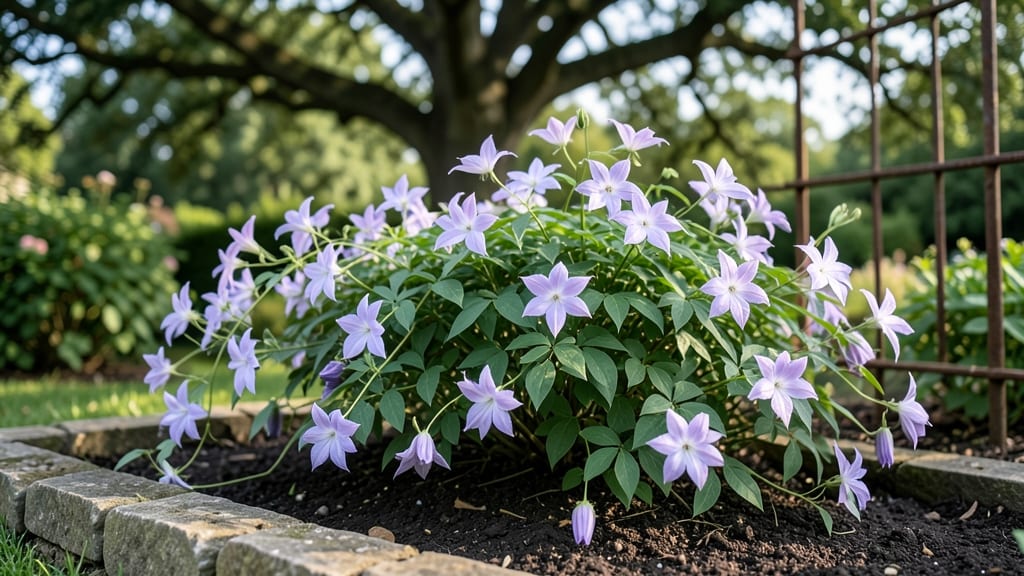
Purple and white vine flowers instantly transform any garden into a pollinator paradise. ✨ I fell in love with them after my first clematis bloomed—those velvety purple blooms against crisp white petals create a contrast so striking it stops neighbors in their tracks.
These vines aren’t just beautiful; they’re lifelines for bees, butterflies, and hummingbirds, turning your yard into a thriving ecosystem.
The best part? They adapt to almost any space. Train wisteria up a sturdy trellis for a romantic arbor, let morning glories spill from hanging baskets, or weave clematis through an old fence for instant vertical drama.
My favorite combo pairs purple clematis with white roses—both love climbing structures and bloom at the same time, doubling the impact. Even small balconies can shine with trailing nasturtiums or sweet peas in white and purple hues.
You’ll end up with a garden that feels like a living painting—deep purples against snowy whites create drama, while the movement of vines adds natural rhythm. The fragrance alone will have you lingering in the garden longer, and the pollinators will reward you with endless visits.
Plus, these plants thrive with minimal fuss once established, making them perfect for gardeners who want beauty without the hassle.
Whether you’re working with a sunny patio or a shady corner, these vines bring structure, color, and life to any spot. Let’s pick the perfect varieties for your space and get those blooms climbing!
📚 In This Guide
- What you need
- Instructions
- Tips and common mistakes
- Wrapping up and next steps
What you need
- ● Purple and white vine flowers: Seeds (e.g., Wisteria floribunda, Clematis, or Morning Glory—choose varieties with purple/white blooms). Quantity: 5–10 seeds per vine (or 1–2 young plants if buying established).
- ○ Optional: Pre-germinated cuttings (for faster growth).
- ● Potting soil: Well-draining, organic mix (e.g., Miracle-Gro Potting Mix or Black Gold Natural & Organic). Quantity: 1–2 gallons per plant.
- ● Containers or garden bed: Containers: 5–10 gallon pots with drainage holes (for vines, aim for at least 12 inches deep).
- ● Garden bed: Loose, fertile soil with a trellis or arbor (6+ feet tall for climbing vines).
- ● Fertilizer: Balanced, slow-release (e.g., 10-10-10 NPK) or organic options like fish emulsion. Quantity: Follow package instructions.
- ● Gloves & knee pads (for comfort during planting).
- ● Trowel or hand shovel (for transplanting).
- ● Watering can or hose with a gentle spray nozzle.
- ● Pruning shears (for shaping and maintenance).
- ● Mulch (e.g., shredded bark or straw) to retain moisture.
- ○ Optional: Epsom salt (for magnesium boost, especially for Clematis).
- ● Pollinator-friendly companion plants (e.g., bee balm or lavender).
- ● Sunlight: 6+ hours of direct sun daily (adjust for shade-tolerant varieties like Clematis).
- ● Climate: Check your USDA hardiness zone—most vines thrive in zones 5–9 (some need winter protection).
- ● Patience: Vines can take 1–3 years to fully bloom! Plan ahead for long-term beauty. ✨
How to create a stunning purple-and-white vine flower display
Nothing transforms a garden like cascading vines in bold purple and white—here's how to make it happen.
🌱 Step 1: Choose the Right Vine Varieties
Start with four pollinator-friendly vines that thrive together: morning glory (vibrant purple blooms), clematis (romantic white flowers), passionflower (exotic purple-and-white hybrids), and cobaea (bell-shaped white blossoms with purple throats). Each brings a different texture and bloom time for continuous color.
Morning glories climb fast—plant them near trellises or fences where they can scramble upward. Clematis needs sturdy support like a 6-foot arbor to showcase its heavy blooms. Passionflower vines are more delicate but produce dramatic, tropical-looking flowers. Cobaea's bell-shaped blooms add a whimsical touch that opens in the late afternoon.
Here's the thing—location matters. Morning glories and cobaea love full sun (6+ hours daily), while clematis and passionflower prefer morning sun and afternoon shade, especially in hot climates. I always plant clematis on the north or east side of structures to protect its roots from drying out.
☀️ Step 2: Build a Support System for Maximum Impact
Use the 4-foot trellis and 6-foot arbor from your supplies to create vertical layers. Install the arbor first—it becomes the centerpiece. Position it where it receives at least 6 hours of morning sun (critical for clematis). Then, attach the trellis nearby for morning glories and cobaea, which can climb more aggressively.
For passionflower, add a wire mesh panel (like chicken wire) to the side of the arbor. Its tendrils need something to grip that won't snap under the weight of its flowers. I twist the wire into loose loops every 6 inches—this gives the vines purchase points without restricting growth.
Don't skip the soil prep here. Work in 2 inches of compost around each support base. This improves drainage and gives roots room to establish before vines start their rapid ascent. The compost also feeds beneficial microbes that help vines absorb nutrients faster.
💧 Step 3: Plant and Water for Rapid Establishment
Dig holes twice as wide as each vine's root ball but only as deep as the container they came in. This prevents burying the crown too deeply, which causes rot. Place each vine so its strongest stems face the support structure—they'll lead the way upward.
Water deeply immediately after planting, then again in 3-4 days. The goal is to settle soil around roots without creating air pockets. You'll know you've done it right when the soil surface looks slightly firm and the top inch feels moist but not soggy. Add 1 inch of mulch (like shredded bark) to retain moisture and suppress weeds.
Here's where it gets fun—watch for new growth within 7-10 days. Morning glories will shoot up 6-12 inches per week if conditions are right. Clematis might take longer to show leaves, but don't worry—it's storing energy for its first big bloom. Passionflower's heart-shaped leaves are your signal that roots are happy.
✂️ Step 4: Train Vines and Encourage Continuous Blooms
As vines grow, gently weave new shoots through the trellis loops or arbor slats. Never force them—let them find their own path. For clematis, prune back the previous year's growth by one-third in early spring. This redirects energy to new, flower-producing stems. I always use clean, sharp pruners to avoid tearing the bark.
Feed vines monthly with a balanced liquid fertilizer (10-10-10 ratio) during the growing season. The key is consistency over excess—over-fertilizing leads to lush foliage but fewer flowers. You'll see the difference when your clematis produces more blooms per stem after just two feedings.
Deadhead spent flowers weekly to encourage more blooms. For morning glories, simply pinch off faded blossoms with your fingers. Clematis needs a little more care—cut stems back to the first set of healthy leaves after flowers fade. This trick tells the plant, "Keep going!" instead of signaling it's time to rest.
🐝 Step 5: Maintain for Year-Round Pollinator Traffic
Your display will attract butterflies, hummingbirds, and bees—but only if you keep it thriving. Water deeply once a week during dry spells, aiming for 1 inch of water total. The soil should feel damp 2 inches down—if it's bone dry, increase frequency. Vines are drought-tolerant once established, but they'll reward you with bigger blooms if you stay consistent.
In late summer, add a slow-release fertilizer (like 14-14-14) around the base of each vine. This gives them a nutrient boost for fall blooms. I always apply it after a watering so it dissolves into the soil instead of burning roots. By September, you'll see second flushes of flowers on clematis and passionflower—proof that your efforts paid off.
Winter prep is simple: cut back dead vines to 6 inches tall in late fall. Morning glories and cobaea will die back naturally, but clematis and passionflower benefit from a clean start. Mulch heavily (3-4 inches) to protect roots from freezing. Come spring, new growth will emerge faster because the soil stays warmer.
Tips & tricks for perfect purple-and-white vine displays
Want that jaw-dropping vertical garden everyone raves about? These little-known tricks will turn your vine display from "nice" to "showstopper."
Location is Everything: The 6+ hours of morning sun for clematis and passionflower isn't just a suggestion—it's non-negotiable for those dramatic white blooms. I learned this the hard way after my clematis produced sad little buds in the afternoon sun. For morning glories and cobaea, full sun means faster growth (those 6-12 inches per week is real!), but watch for leaf scorch in extreme heat. A simple shade cloth over the arbor during peak afternoon sun can make all the difference.
Support System Secrets: When twisting that wire mesh for passionflower, make the loops just slightly larger than your thumb—big enough for tendrils to grip but small enough to prevent them from slipping through. For clematis, I've found that wrapping the base of the arbor with burlap creates a natural "starter" for vines to climb, saving you weeks of training. And here's a pro move: install your supports at least 3 weeks before planting. The roots will find them faster when they emerge!
Watering Wisdom: That first deep watering after planting isn't just about settling soil—it's about waking up dormant microbes in your compost. I always add a handful of worm castings to the planting hole for clematis and passionflower; they'll thank you with stronger root systems. For the weekly deep watering, use a soaker hose set to low flow. This delivers that 1 inch of water evenly without disturbing the soil surface or encouraging fungal growth.
Pruning Payoff: When you're pruning clematis back by one-third in spring, don't just hack away! Look for the largest, thickest stems—they'll produce the most flowers. For deadheading, I've switched to using small pruning shears instead of fingers. It's faster and keeps your hands clean, especially when dealing with cobaea's sticky stems. And here's a bonus: save those spent flowers in a jar of rubbing alcohol for 24 hours—you'll have gorgeous pressed flowers to remember your display!
Pro Tips for Purple And White Vine Flowers
- Want that jaw-dropping vertical garden everyone raves about?
- Location is Everything: The 6+ hours of morning sun for clematis and passionflower isn't just a suggestion—it's non-negotiable for those dramatic white blooms.
- Support System Secrets: When twisting that wire mesh for passionflower, make the loops just slightly larger than your thumb—big enough for tendrils to grip but small enough to prevent them from slipping through.
Frequently asked questions
Got questions about growing purple and white vine flowers? You’re not alone—these vibrant blooms bring beauty but also a few common curiosities. Here’s what gardeners ask most often, plus quick answers to help you cultivate success!
What’s the best way to train these vines for maximum bloom?
Use a trellis, arbor, or fence for vertical growth—this encourages air circulation and sunlight exposure, both key for abundant purple and white flowers. Prune leggy stems in early spring to redirect energy to blooms. For fast coverage, weave vines loosely through supports to avoid stressing the plant.
How long does it take for these vines to flower after planting?
Most varieties (like Clematis or Wisteria) take 1–2 years to establish and flower. Patience pays off! For quicker color, choose established nursery plants labeled “flowering size.” Pro tip: Deadhead spent blooms to prompt repeat flowering in the same season.
Are these vines toxic to bees or butterflies?
Not at all! Purple and white vine flowers (e.g., Morning Glory or Honeysuckle) are pollinator magnets. Avoid pesticides, and opt for native species to support local ecosystems. Just ensure vines aren’t treated with neonicotinoids—these harm beneficial insects.
Can I grow these in containers? What size pot do I need?
Yes! Choose 5-gallon+ containers for climbing vines (like Passionflower) with drainage holes. Use lightweight potting mix and a moisture-retentive blend. For trailing types (e.g., Sweet Pea), 3–5 gallons works. Move pots to partial shade in hot climates to prevent wilting.
Why aren’t my vine flowers opening? Troubleshooting tips?
Check these fixes:
Too much shade? Most need 6+ hours of sun for blooms.
Over-fertilized? Too much nitrogen = leafy growth, no flowers. Switch to low-N, high-P fertilizer (e.g., 5-10-10).
Dormant now? Some (like Wisteria) bloom on old wood—prune after flowering.
Quick test: If buds swell but don’t open, try a cool night (50–60°F) to trigger blooming.Wrapping up and next steps
Transforming your garden into a vibrant haven for pollinators is easier—and more rewarding—than you think! The striking purple and white vine flowers aren’t just a feast for the eyes; they’re a lifeline for bees, butterflies, and hummingbirds.
Whether you’re a seasoned gardener or just starting, these bold blooms prove that beauty and ecology go hand in hand.
Ready to take the next step? Start small:
- 🌱 Pick a vine—like clematis or morning glories—and plant it in a sunny spot.
- 💧 Water and watch as your garden becomes a buzzing, blooming paradise!