
Flowers
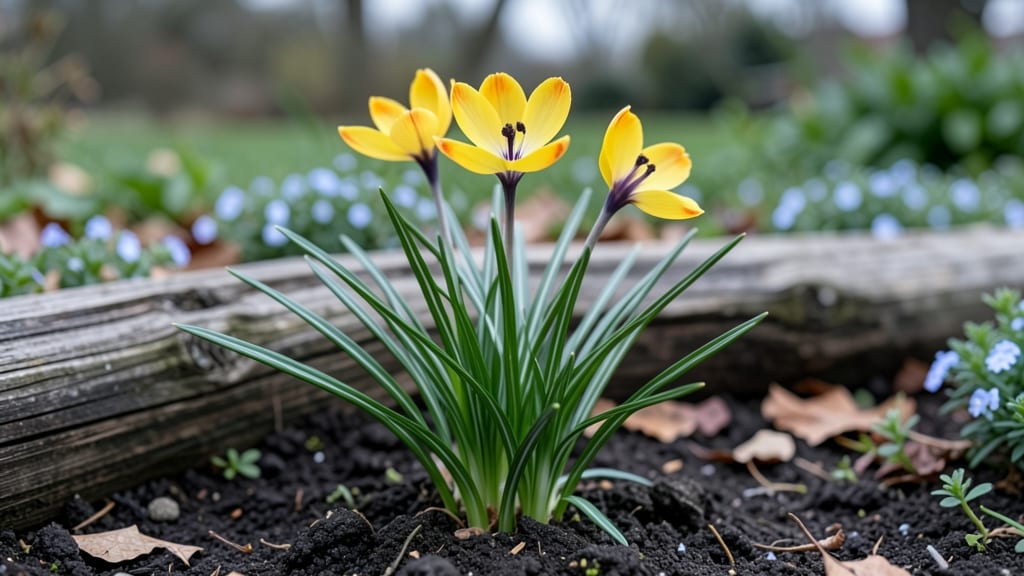
There’s nothing more magical than watching the first yellow crocus flower burst through snow to greet the returning spring in your garden. I planted mine last October, and by late February, their cheerful faces brightened the yard before daffodils even thought about waking up.
These hardy little bulbs thrive where others struggle, turning bare soil into a splash of sunshine.
They’re fuss-free perennials that multiply over time, so you’ll get more blooms each year with almost no effort. Plant them in well-draining soil with full sun to partial shade, and water sparingly—just enough to keep the soil from drying out completely.
The secret to their early bloom? Planting bulbs in fall when temperatures dip below 60°F but before the ground freezes.
📚 In This Guide
- What you need
- Instructions
- Tips and common mistakes
- Wrapping up and next steps
What you need
- ● Yellow crocus corms: 10–20 bulbs (choose certified disease-free corms for best results).
- ● Well-draining soil: A mix of garden soil, compost, and coarse sand (ratio: 60% soil, 30% compost, 10% sand).
- ● Sunlight: A spot with full sun to partial shade (4–6 hours of sunlight daily).
- ● Watering can or hose: With a gentle spray nozzle for hydration.
- ● Garden trowel or bulb planter: For digging holes (6" deep, 3–4" apart).
- ● Garden gloves: To protect hands while handling soil and corms.
- ○ Mulch (optional): Straw or shredded leaves to insulate bulbs in winter.
- ○ Fertilizer (optional): A balanced 10-10-10 or bulb-specific fertilizer for extra vigor.
How to plant and care for yellow crocus flowers
Here's how to bring early spring color to your garden with these cheerful blooms.
Choose the Right Location and Prepare the Soil
Yellow crocus thrives in full sun to partial shade, making it perfect for borders, rock gardens, or even under deciduous trees where they'll bloom before leaves emerge. The key is well-draining soil—crocus bulbs rot quickly in soggy conditions. If your soil is heavy clay, mix in 1-2 inches of coarse sand or grit to improve drainage.
Test your soil's moisture level before planting. Stick your finger 2 inches deep—if it feels damp, wait until the ground dries out slightly. Yellow crocus prefers soil temperatures between 40-50°F at planting time, which is why early fall is ideal. If planting in late fall, cover the area with a 2-inch layer of mulch to protect bulbs from freezing temperatures.
Plant the Bulbs at the Correct Depth and Spacing
Yellow crocus bulbs are small—typically 1-2 inches in diameter—so plant them 3-4 inches deep and 2-3 inches apart. This shallow depth ensures they'll push through frozen ground in early spring. Use a hand trowel to dig small holes, gently place the bulb with the pointed end facing upward, and cover with soil.
Don't worry about overcrowding—crocus bulbs multiply naturally over time, creating dense patches of color. If planting in grassy areas, consider using a bulb planter to avoid disturbing the lawn. Water lightly after planting to settle the soil, but avoid soaking the bulbs. The goal is to keep the soil around them moist but not waterlogged until roots establish.
Provide Minimal Care After Planting
Yellow crocus is one of the most low-maintenance spring flowers. Once planted, they require almost no care until blooming season. In late winter or early spring, when the ground is thawed but still cool, you'll see green shoots emerging. This is your cue that the bulbs are active and ready for minimal watering.
Water lightly once a week if rainfall is scarce, focusing on the soil around the emerging foliage. Avoid overhead watering—it can spread fungal diseases. Fertilizer isn't necessary, but if you want to encourage future blooms, apply a balanced, low-nitrogen fertilizer in early fall after planting. The bulbs store energy for next year's flowers, so resist the urge to fertilize in spring.
Enjoy the Blooms and Let Foliage Die Back Naturally
Yellow crocus blooms typically appear 4-6 weeks after planting, often in late winter or early spring. Each flower lasts only 1-2 weeks, but the cheerful color brightens gardens before most other spring blooms. Let the flowers fade naturally—they'll produce seed pods, but the bulbs store enough energy to rebloom next year without needing the seeds.
After blooming, allow the foliage to yellow and wither completely before cutting it back. This process ensures the bulbs replenish their energy for next season. If you can't wait, trim the dead foliage only after it turns brown and crispy. Avoid cutting green leaves—they're photosynthesizing and feeding the bulb for future blooms.
Plan for Next Year's Display
Yellow crocus bulbs are perennial and will return year after year if given the right conditions. After the foliage dies back, you can divide and transplant bulbs if they've spread too much or if you want to share them with friends. Dig up clumps in early summer when the foliage has fully died back, separate the bulbs gently, and replant them immediately.
Here's the thing—yellow crocus thrives in poor soil, so you don't need to amend the ground before replanting. Just ensure the new location has good drainage and receives at least 4 hours of sunlight daily. With minimal effort, you'll have another round of early spring color in just a few months.
Tips & tricks for perfect yellow crocus planting
These simple tricks will help you grow vibrant yellow crocus blooms year after year with minimal effort.
Soil Preparation Secret: The 1-2 inches of coarse sand or grit mentioned for heavy clay soil isn't just about drainage—it also warms up faster in early spring. This helps those 40-50°F soil temperatures we want for planting arrive sooner. I like to mix in a little perlite too for extra insulation against winter freezes.
Planting Depth Visual: When planting at 3-4 inches deep, think of a standard golf tee—about that length. This depth keeps bulbs protected from winter heaving while allowing them to push through frozen ground. If your soil is sandy, you can plant slightly shallower at 2-3 inches since it drains faster.
Timing is Everything: The 4-6 weeks until blooming might seem long, but it's actually perfect timing. Planting in early fall gives bulbs time to establish roots before winter, while the cool temperatures prevent premature sprouting. If you miss fall planting, you can still plant in late winter, but blooms may be delayed until next spring.
Foliage Care: That yellow and wither completely stage is crucial—don't rush it! The foliage feeds the bulb for next year's flowers. If you're impatient and cut it too soon, you'll get fewer blooms next season. I wait until the leaves turn completely brown and crispy before trimming, usually about 6-8 weeks after blooming.
Pro Tips for Yellow Crocus Flower
- These simple tricks will help you grow vibrant yellow crocus blooms year after year with minimal effort.
- Soil Preparation Secret: The 1-2 inches of coarse sand or grit mentioned for heavy clay soil isn't just about drainage—it also warms up faster in early spring.
- Planting Depth Visual: When planting at 3-4 inches deep, think of a standard golf tee—about that length.
Frequently asked questions
about the yellow crocus flower—here’s what you need to know to grow these cheerful harbingers of spring with confidence!When is the best time to plant yellow crocus bulbs?
Plant Crocus vernus or Crocus flavus bulbs in fall (September–November), about 6–8 weeks before the ground freezes. They thrive in cooler temperatures and need time to establish roots before winter. For container growing, plant them slightly later (October–November) to avoid early frost damage.
How long does it take for yellow crocus to bloom after planting?
With proper care, yellow crocus bulbs typically bloom 4–6 weeks after the ground thaws in early spring. They’re among the first flowers to push through snow, often appearing in February–March (depending on your climate). Patience pays off—these early bloomers are worth the wait!
Can yellow crocus grow in containers, or do they need garden beds?
Yes! Yellow crocus thrives in containers—just use well-draining soil and a pot with drainage holes. Choose shallow pots (6+ inches deep) and plant 3–4 bulbs per container. They’re perfect for window boxes, patios, or forcing indoors for early spring color. Just keep them in a cold, dark place until winter passes.
Are yellow crocus flowers toxic to pets or wildlife?
Yes, yellow crocus (Crocus spp.) contains colchicine, a toxin harmful to dogs, cats, and horses if ingested. Keep pets away from blooming plants and consider planting them in less accessible areas (e.g., under trees or in raised beds). Wildlife like deer usually avoid them, but rabbits might nibble.
Why aren’t my yellow crocus bulbs blooming this year?
No blooms? Check these common issues:
- Too much shade: They need full sun to partial shade (6+ hours of light).
- Overcrowded bulbs: Divide bulbs every 3–4 years if they’re not blooming.
- Poor drainage: Waterlogged soil can rot bulbs. Ensure well-draining soil.
- Young bulbs: Crocus bulbs often take 1–2 years to bloom reliably.
Give them time, and they’ll reward you with vibrant yellow cheers!
Wrapping up and next steps
The yellow crocus flower is a true harbinger of spring, bringing vibrant color and life to your garden before most bulbs even stir. With the right soil, sunlight, and care, you can enjoy these cheerful blooms year after year—proving that patience and a little effort yield stunning rewards. 🌱
Ready to transform your early spring landscape? Start by marking your calendar for planting (now’s the perfect time!) and gather your supplies. Before you know it, your garden will burst into golden cheer—just in time to welcome the season with open arms!