
Flowers
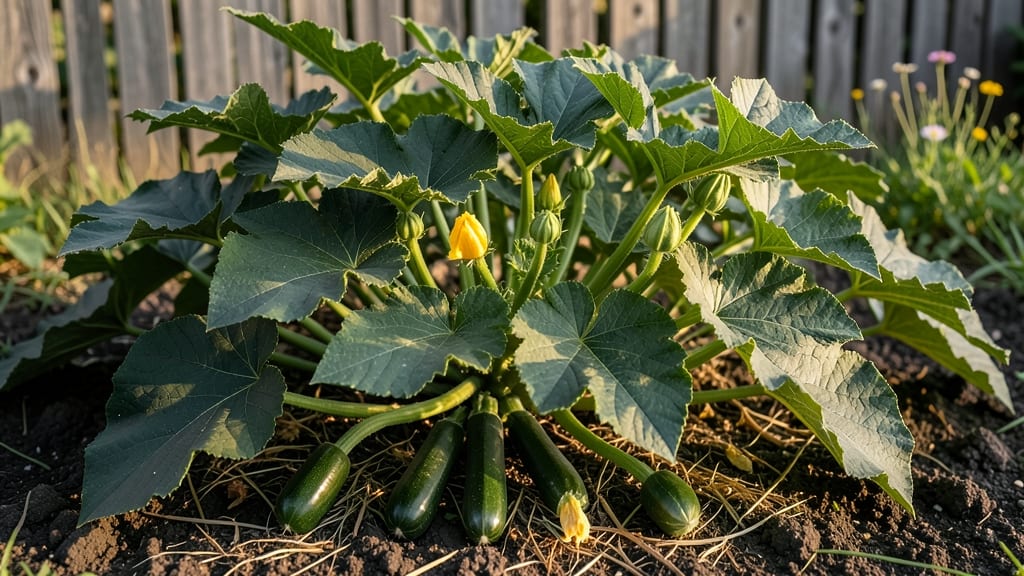
Those delicate zucchini flower buds are the secret to your summer harvest—and they’re far more versatile than you might think. 🌿 I’ve learned that treating them right from the first sprouts means bigger fruit, better flavor, and even edible blooms for your table.
The key? Understanding how these buds work and what they need before they even open.
Most gardeners focus on the fruit, but the buds are where it all starts. You’ll need rich soil, consistent water, and plenty of sunlight to keep them growing strong.
Once they form, proper pollination (or a little help from you) turns those buds into the zucchini you love—and sometimes into stunning garnishes for salads or pasta dishes.
By week 6, you’ll have a plant loaded with buds ready for harvesting or pollination. The buds themselves are tender, sweet, and packed with flavor—perfect for frying or stuffing. And if you let them turn into fruit? You’ll get the classic summer harvest we all crave.
This method works for any zucchini variety, whether you’re growing in pots or a full garden bed. Let’s get those buds thriving—and your harvest growing!
📚 In This Guide
- What you need
- Instructions
- Tips and common mistakes
- Wrapping up and next steps
What you need
- ● Zucchini seeds: Choose heirloom or hybrid varieties like ‘Black Beauty’ or ‘Gold Rush’ (2-4 seeds per plant).
- ● Potting mix: 10-12 inches of well-draining, organic potting soil (or compost + perlite mix for DIY).
- ● Containers or garden bed: Containers: 5-gallon pots (1 plant per pot) with drainage holes.
- ● Garden bed: Full sun (6+ hours/day) and loose, fertile soil.
- ● Watering can or hose: With a gentle spray nozzle for hydration.
- ● Fertilizer: Balanced organic fertilizer (10-10-10) or compost tea (1 tbsp per plant every 2 weeks).
- ● Gloves & trowel: For planting and soil prep.
- ○ Spray bottle: For misting buds (optional, to prevent wilting).
- ● Pest control: Neem oil or insecticidal soap (if aphids or squash bugs appear).
- ○ Support (optional): Small stakes or cages for tall varieties.
- ● 🌡️ Temperature: Start seeds indoors (70–85°F) or direct-sow after last frost (soil temp ≥60°F).
- ● ✨ Harvest timing: Pick buds when <1 inch wide—before they open!
Step-by-step instructions for cultivating zucchini flower buds at home
Here’s how I grow tender, edible zucchini blossoms—ready for harvest in just six weeks.
🌱 Step 1: Start Seeds Indoors for Early Blooms
Fill a 4-inch seed tray with seed-starting mix and plant 2-3 seeds per cell at a depth of ½ inch. Press the soil lightly to secure seeds, then mist with water until the surface is damp but not soggy. Cover the tray with plastic wrap to retain warmth and moisture—zucchini seeds germinate best at 70-80°F.
Place the tray in a bright spot (south-facing window or under a grow light) and keep the soil consistently moist. You’ll see sprouts in 5-10 days, but don’t rush to remove the plastic wrap until 50% of seeds have germinated. This prevents damping-off, a fungal disease that can wipe out seedlings overnight.
☀️ Step 2: Transplant Seedlings Outdoors After Frost
Wait until nighttime temperatures stay above 55°F before moving seedlings outside. Harden them off by placing them in a sheltered spot for 1-2 hours daily over 5-7 days, gradually increasing exposure. Choose a sunny location with 6+ hours of direct sunlight—zucchini plants thrive in full sun and produce more buds when happy.
Dig holes 12 inches apart and transplant seedlings carefully, burying them up to their first true leaves. This encourages stronger root growth. Water deeply at the base to settle the soil, and avoid wetting the leaves to prevent disease. Mulch around the base with 2 inches of straw to retain moisture and suppress weeds.
💧 Step 3: Fertilize and Water for Lush Buds
Feed plants with a balanced, water-soluble fertilizer (10-10-10) every 2 weeks once they’ve established themselves. Zucchini plants are heavy feeders, so don’t skimp—this ensures abundant blooms. Water at the base 1 inch per week, keeping the soil evenly moist but not waterlogged. Yellowing leaves often signal overwatering, while wilting means the plant needs more moisture.
Watch for the first female flowers—they appear as tiny zucchini-shaped buds at the base of the leaf stems. These are the ones you’ll harvest for cooking. Male flowers (long stems with no bulge) can be eaten too, but they’re less flavorful. Hand-pollinate by transferring pollen from male to female flowers with a small brush if bees are scarce.
✂️ Step 4: Harvest Buds at Peak Freshness
Pick zucchini flower buds when they’re 1-2 inches long and still tightly closed. Use clean scissors or pruners to snip the stem just above a leaf node. Harvesting in the morning ensures the most tender, flavorful blooms. Regular picking encourages more buds to form—don’t let them grow into full-sized zucchinis if you’re after flowers.
Store harvested buds in the fridge for up to 3 days or blanch and freeze them for later use. If a bud starts to open or develop into a zucchini, remove it immediately—it’s past its prime for eating. With consistent care, you’ll enjoy a steady supply of fresh, edible zucchini blossoms all season long.
Tips & tricks for perfect zucchini flower buds
Here's what nobody tells you about growing these delicate edible blooms—tricks that'll make all the difference between a few sad flowers and a bountiful harvest.
Seed Starting Secret: When filling your 4-inch seed tray, press the seed-starting mix firmly around each seed after planting. This creates better soil-to-seed contact, which is especially important for zucchini seeds that need consistent moisture at 70-80°F to germinate reliably. I also like to label each cell with the planting date—this helps track germination progress and prevents confusion when seedlings finally appear in 5-10 days.
Transplanting Technique: The 5-7 day hardening off period in Step 2 is your chance to observe your seedlings' resilience. Start with just 1-2 hours of exposure on day one, then gradually increase. I've found that moving seedlings to a sheltered spot like a porch or under a patio cover works better than full sun exposure right away—it mimics natural shade conditions and prevents shock. Also, transplant on a cloudy day if possible to reduce stress on the delicate seedlings.
Fertilizer Timing: That 2-week feeding schedule with 10-10-10 fertilizer is perfect, but here's the thing: zucchini plants actually respond better to slightly weaker feedings more frequently. Instead of waiting full 2 weeks, I feed every 10 days once the plants establish themselves. This steady nutrient supply prevents the sudden growth spurts that can lead to weak stems and fewer buds. Always water the soil before applying fertilizer to prevent root burn.
Harvesting Hack: For the absolute freshest buds, harvest between 8-10am when the dew has evaporated but the morning coolness hasn't yet set in. I keep a small bowl of water nearby while harvesting—dipping freshly cut stems in water for 30 seconds before storage helps maintain their crispness. And here's a pro move: harvest male flowers first (they open earlier) to encourage more female buds to form. The male flowers are edible too, but they're less flavorful than the female buds we're after for cooking.
Pro Tips for Zucchini Flower Buds
- Here's what nobody tells you about growing these delicate edible blooms—tricks that'll make all the difference between a few sad flowers and a bountiful harvest.
- Seed Starting Secret: When filling your 4-inch seed tray, press the seed-starting mix firmly around each seed after planting.
- Transplanting Technique: The 5-7 day hardening off period in Step 2 is your chance to observe your seedlings' resilience.
Frequently asked questions
Got questions about zucchini flower buds?
You’re not alone! Here are answers to the most common queries—whether you’re a first-time grower or a seasoned gardener looking to perfect your harvest.
How do I know when zucchini flower buds are ready to pick?
Zucchini flower buds are best harvested when they’re just starting to open—about the size of a nickel (1–2 inches wide). The petals should be tightly curled but not fully unfurled. Wait too long, and they’ll turn into blossoms (or worse, zucchini!). Pro tip: Check your plants daily in the morning for peak freshness.
Can I eat zucchini flower buds if I miss the perfect picking window?
Yes! Even if the buds fully bloom, the male flowers (with long stems) are still edible—just remove the petals and use the stamens. Female flowers (with tiny zucchini behind them) are less tender but can be eaten too. For best texture, though, harvest buds early. Bonus: Overripe buds make great compost!
What’s the best way to store zucchini flower buds?
Store buds in the fridge for up to 3–4 days in a paper towel-lined container to absorb moisture. For longer storage, blanch them (dip in boiling water for 30 seconds) and freeze in olive oil or butter. Avoid washing until ready to use—excess moisture speeds up spoilage. Use them ASAP for the best flavor!
Are there any alternatives if my zucchini plants don’t produce buds?
If your plants aren’t budding, try these fixes:
- Check the ratio: Remove male flowers (long stems) to encourage female buds (with zucchini bumps).
- Boost pollination: Gently shake plants or hand-pollinate with a paintbrush.
- Adjust care: Ensure full sun (6+ hours), consistent watering, and balanced fertilizer (high in phosphorus).
- Try another variety: Some zucchini (like ‘Tromboncino’) produce more edible buds.
How do I cook zucchini flower buds to avoid a bitter taste?
Bitter flavors come from overcooking or underripe buds. Quick tips:
- Blanch for 30–60 seconds in boiling water, then shock in ice water.
- Sauté in olive oil with garlic and lemon for 2–3 minutes (high heat!).
- Avoid heavy sauces—they can mute the delicate flavor.
Top pick: Stuff them with cheese, herbs, or breadcrumbs for a gourmet bite!
Wrapping up and next steps
Growing zucchini flower buds is a rewarding journey that brings beauty and flavor to your garden in just six weeks! 🌱 With the right soil, sunlight, and care, you’ll enjoy edible blooms that elevate dishes and attract pollinators.
Whether you’re a beginner or seasoned gardener, these delicate flowers are a fun, low-maintenance way to boost your harvest.
Ready to dive in? Start by gathering your supplies, then follow the step-by-step guide to nurture your plants from seed to bloom. Happy growing—and soon, you’ll be savoring the sweet, crisp rewards of your labor! 🌸