
Flowers
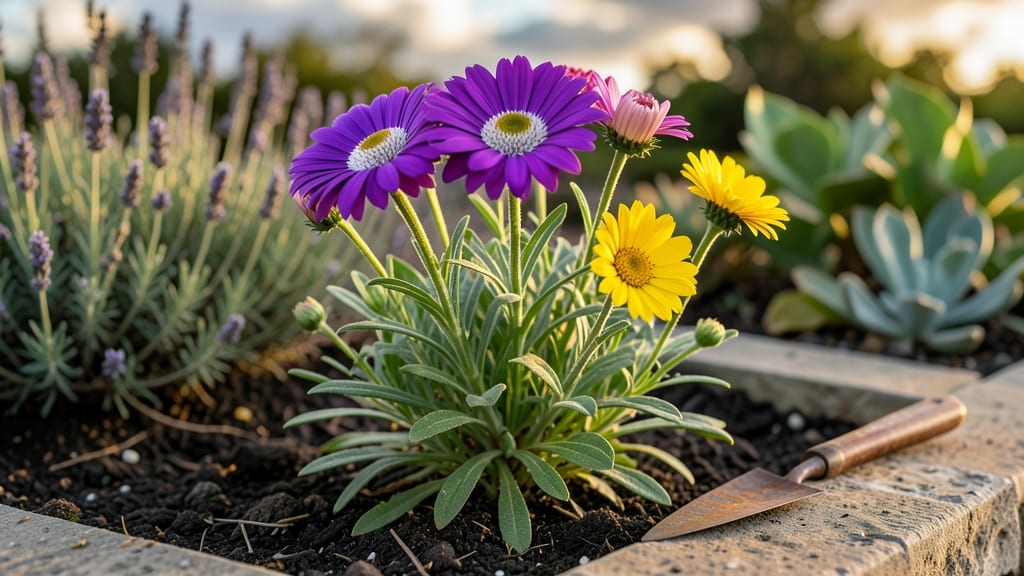
African daisies flowers bring shockingly vibrant color to gardens with almost no effort—just sun, soil, and occasional water. I still remember the first time I saw them in a neighbor’s yard: those cheerful, papery blooms in every shade from white to deep magenta, thriving through summer’s heat.
The secret isn’t fancy care—it’s choosing the right spot and letting them do their thing.
These drought-tolerant stars love full sun (at least 6 hours daily) and well-draining soil—even rocky ground won’t stop them. A 5-gallon container works for patio growing, or scatter seeds directly in garden beds after your last frost.
Water only when the top inch of soil feels dry; overwatering is their only enemy. Deadhead spent blooms to encourage more flowers, and watch them self-seed like crazy.
By mid-summer, you’ll have a nonstop floral display that hummingbirds can’t resist. The foliage stays tidy, and pests rarely bother them—just keep an eye out for slugs in damp climates.
Whether you’re growing in pots or borders, these flowers reward minimal work with months of effortless beauty. Let’s get those seeds in the ground!
Bonus: Save seeds from your best blooms for next year, or propagate cuttings in spring for new plants. They’re tough enough to handle indoor growing under bright lights too. Once you try them, you’ll wonder why you didn’t start sooner!
📚 In This Guide
- What you need
- Instructions
- Tips and common mistakes
- Wrapping up and next steps
What you need
- ● African daisy plants: Seedlings or mature plants (available at nurseries or online—check local climate suitability)
- ● Seeds (if starting from scratch; fast-growing varieties like ‘Sunny Citrus’ or ‘Pink Velour’ are great picks)
- ● Containers or garden beds: Well-draining pots (5–7 inches deep, 1–2 per plant for container gardening)
- ● Garden soil amended with 20–30% perlite or sand (for drainage)
- ● Raised beds or in-ground plots (if planting outdoors; ensure 6+ hours of sunlight)
- ● Growing medium: Potting mix (lightweight, moisture-retentive but well-aerated)
- ● Slow-release fertilizer (5–10–5 NPK ratio, 1 tbsp per plant)
- ● Watering tools: Watering can with a rose nozzle (for gentle watering)
- ● Spray bottle (for seedlings or humidity control)
- ● Basic tools: Trowel or small shovel (for transplanting)
- ● Pruning shears (for deadheading or shaping)
- ● Gloves (to protect hands from soil or thorns)
- ○ Optional upgrades: Mulch (organic or inorganic, 1–2 inches thick to retain moisture)
- ● Grow lights (for indoor setups or winter growing)
- ● Support stakes (if stems flop; bamboo stakes work well)
- ● Compost tea or liquid fertilizer (for a nutrient boost)
- ● Climate: USDA Zones 8–11 (or indoor growing with proper light)
- ● Sunlight: Full sun (6+ hours/day)—partial shade tolerates dappled light
- ● Watering routine: Weekly deep watering (let soil dry slightly between waterings)
- ● Knowledge level: Beginner-friendly, but drainage is critical—avoid soggy soil!
Step-by-step guide to cultivating African daisies for lasting blooms
These vibrant flowers thrive with surprisingly little fuss once you nail a few key basics.
🌱 Step 1: Select the Right Location and Prepare the Soil
African daisies flourish in full sun to partial shade, with at least 6 hours of direct sunlight daily. Choose a spot sheltered from strong afternoon winds that can damage delicate petals. The soil should drain well—amend heavy clay with 2-3 inches of compost to improve aeration and prevent root rot.
Test your soil's pH before planting; African daisies prefer a slightly acidic to neutral range (6.0-7.0). If your soil is alkaline, mix in 1-2 inches of peat moss or sulfur-based amendment to adjust the pH gradually. Avoid fresh manure, which can burn tender roots.
☀️ Step 2: Plant at the Correct Depth and Spacing
Dig holes twice as wide as the root ball but only as deep as the container's bottom. Gently remove the plant from its pot and tease apart any circling roots—this encourages outward growth. Place the plant so the top of the root ball sits level with the surrounding soil, not buried deeper.
Space plants 18-24 inches apart for bushy varieties or 24-36 inches for taller cultivars. Crowding leads to poor air circulation, increasing fungal risks like powdery mildew. Water deeply after planting to settle the soil and eliminate air pockets around roots.
💧 Step 3: Establish a Consistent Watering Routine
Water newly planted African daisies every 2-3 days until established, keeping the soil evenly moist but not soggy. Use a drip irrigation system or soaker hose to deliver water at soil level—avoid overhead sprinklers, which can damage petals and promote disease.
Once roots are established (after 4-6 weeks), reduce watering to once a week, allowing the top 1-2 inches of soil to dry out between sessions. Yellowing leaves signal overwatering, while crispy petals indicate underwatering. Mulch with 2-3 inches of organic mulch to retain moisture and suppress weeds.
✂️ Step 4: Prune for Continuous Blooming and Shape
Deadhead spent blooms weekly by snipping stems just above the first set of healthy leaves. This redirects energy from seed production to new flower growth, extending the blooming season. Use clean, sharp pruners to avoid tearing stems—dull tools crush tissues and invite infections.
After the first flush of blooms, give plants a light trim by cutting back leggy stems by one-third to encourage bushier growth. Avoid heavy pruning in late summer, as new growth won't harden off before winter. Always prune on dry, cloudy days to reduce stress on the plant.
🌿 Step 5: Protect and Maintain Through Seasons
In winter, reduce watering to every 10-14 days unless temperatures drop below 20°F, when you should protect plants with frost cloth or move containers to a sheltered location. African daisies are tender perennials in most climates and may need annual replanting in colder zones.
Fertilize monthly during the growing season with a balanced, water-soluble fertilizer (10-10-10) diluted to half strength. Over-fertilizing leads to lush foliage at the expense of flowers. Stop fertilizing 6-8 weeks before the first frost to allow plants to harden off naturally.
Tips & tricks for perfect African daisy cultivation
African daisies reward patience with stunning blooms—here's how to maximize their potential without the guesswork.
Sunlight Strategy: While 6 hours of direct sunlight is the minimum, aim for 8-10 hours daily for the most vibrant blooms. Morning sun with afternoon shade works best in hot climates—this prevents petal scorch while still providing full light exposure. I've seen dramatic color differences between plants in full sun versus partial shade, especially in cooler seasons.
Soil Preparation Secret: The 2-3 inches of compost recommendation is non-negotiable, but here's what nobody tells you—mix in a handful of perlite or coarse sand to create air pockets. This prevents that dreaded soggy soil feeling while maintaining moisture retention. I learned this the hard way after losing two batches to root rot in heavy clay.
Watering Wisdom: When establishing your plants, check soil moisture by sticking your finger 1-2 inches deep between waterings. If it feels dry, water deeply until moisture reaches 6 inches down. The key is consistency—African daisies hate wet feet but also can't handle drought stress. I set a timer for my watering schedule to avoid overwatering, especially during rainy periods.
Pruning Precision: That weekly deadheading might seem tedious, but here's the game-changer: use clean pruning shears and make cuts at a 45-degree angle just above a leaf node. This encourages new growth from that exact spot. I keep a small pair of pruners in my gardening bag and do this during my morning coffee—it takes less than 5 minutes per plant and makes all the difference in bloom longevity.
Pro Tips for African Daisies Flowers
- African daisies reward patience with stunning blooms—here's how to maximize their potential without the guesswork.
- Sunlight Strategy: While 6 hours of direct sunlight is the minimum, aim for 8-10 hours daily for the most vibrant blooms.
- Soil Preparation Secret: The 2-3 inches of compost recommendation is non-negotiable, but here's what nobody tells you—mix in a handful of perlite or coarse sand to create air pockets.
Frequently asked questions
Got questions about growing African daisies?
Here are some of the most common ones—and their easy answers!
How often should I water African daisies?
Water African daisies deeply but infrequently—about once a week, or when the top inch of soil feels dry. Overwatering is a bigger risk than underwatering, so let the soil dry out between waterings to prevent root rot. Mulching helps retain moisture and keeps roots cool.
Can African daisies grow in full shade?
While they tolerate partial shade, African daisies thrive in full sun (6+ hours daily) for the brightest blooms. In shady spots, they’ll grow but may produce fewer flowers. If shade is unavoidable, pick a spot with at least 3–4 hours of morning sun for best results.
Why aren’t my African daisies flowering?
Lack of blooms often means too much shade, over-fertilizing, or not enough sunlight. Try moving them to a sunnier spot, cutting back on high-nitrogen fertilizer (use a balanced 10-10-10 instead), and deadheading spent blooms to encourage new growth.
Are African daisies toxic to pets?
Good news! African daisies are non-toxic to cats and dogs, making them a pet-friendly choice. However, always monitor your pets—some animals may still nibble out of curiosity. If you notice vomiting or drooling, contact a vet (though reactions are rare).
What’s the best way to overwinter African daisies?
In cold climates (below 20°F/-7°C), African daisies may die back but often regrow in spring. Cut back dead foliage in late fall, mulch heavily (3–4 inches), and protect with burlap or frost cloth if heavy freezes are expected. In containers, move pots to a sheltered spot or indoors (if possible).
Wrapping up and next steps
African daisies are a low-maintenance, high-reward addition to any garden, offering vibrant blooms that brighten spaces year-round with minimal fuss. Whether you're a seasoned gardener or a beginner, their resilience and beauty make them a perfect choice for adding color effortlessly.
Ready to transform your outdoor—or indoor—space? Start with a single pot or a full garden bed today! 🌸✨
Next steps:
- Grab your soil, seeds, and containers—your African daisy adventure begins now!
- Share your progress or blooms with fellow plant lovers for extra inspiration.