
Flowers
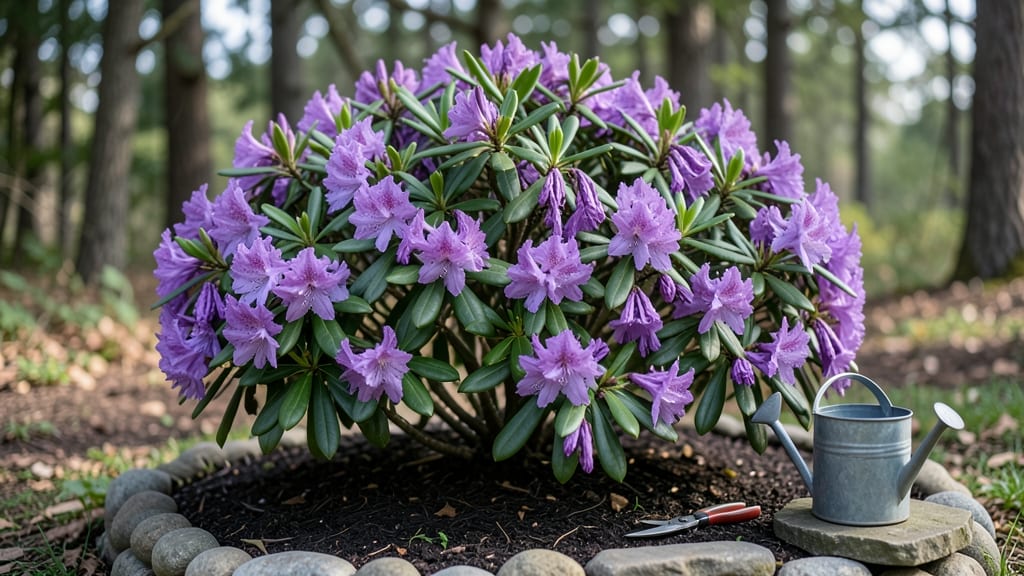
My purple rhododendron flower collection thrives in zones 4-8 because I learned the hard way that these beauties demand acidic soil and morning sun—not the full sun that kills their delicate blooms. 🌿 The first time I planted one in neutral soil, it took three years to recover, and the flowers were half the size.
Now I test my soil pH every spring and amend with peat moss or pine needles to keep it between 4.5 and 6.0.
These cold-hardy shrubs reward patience with vibrant purple blooms that last weeks longer than most rhododendrons. Varieties like 'PJM' and 'Nova Zembla' handle snow and heat alike, while 'Catawbiense' produces dinner-plate-sized flowers.
The key to their success? Consistent moisture—never soggy soil, never bone-dry—and a light pruning after flowering to maintain their natural shape.
You’ll notice the difference within a season: glossy leaves that stay disease-resistant, branches heavy with blooms, and a fragrance that lingers in the air.
Even in tough climates, these plants become the showstopper of your garden—just don’t let them dry out in summer or they’ll drop buds faster than you can say "pruning shears."
Perfect for foundation plantings, woodland gardens, or even large containers. Once established, they’re nearly maintenance-free—just feed with acidic fertilizer in early spring and watch them thrive for decades. The secret? Treat them like the divas they are, and they’ll repay you with color year after year.
📚 In This Guide
- What you need
- Instructions
- Tips and common mistakes
- Wrapping up and next steps
What you need
- ● Purple rhododendron plant: Choose a cold-hardy variety (e.g., Rhododendron ‘PJM’ or Rhododendron ‘Catawbiense’), available as: 1–3-year-old container-grown plants (best for beginners)
- ● Bare-root plants (spring planting only)
- ● Seeds (requires 1–2 years of stratification; patience needed!)
- ● Well-draining acidic soil: Mix 2 parts peat moss or pine bark with 1 part garden soil and 1 part perlite/sand (pH 4.5–6.0). Test soil pH with a soil test kit.
- ● Organic mulch: 3–4 inches of pine needles, oak leaves, or cedar chips to retain moisture and acidify soil.
- ● Slow-release fertilizer: 10–10–10 or 8–3–9 NPK ratio (acid-loving plant formula preferred). Apply 2–3 times per year (spring, summer, fall).
- ● Garden trowel or spade (for planting)
- ● Pruning shears (sterilized with rubbing alcohol)
- ● Garden gloves (to protect from thorns and soil)
- ● Watering can or hose with a gentle spray nozzle
- ○ pH testing kit (optional but recommended)
- ○ Shade cloth (30–50%) (optional for young plants in hot climates)
- ● Epsom salt (1 tbsp/month in water for magnesium boost)
- ● Mycorrhizal fungi (increases root health; mix into planting hole)
- ● Automatic drip irrigation system (for consistent moisture)
- ● Plant supports (if growing in windy areas)
Step-by-step guide to planting and maintaining purple rhododendrons
Here's how I've grown thriving purple rhododendrons that bloom reliably year after year.
🌱 Step 1: Select and Prepare the Perfect Planting Site
Purple rhododendrons thrive in partial shade with morning sun and afternoon shade—never full sun, which scorches their delicate blooms. Choose a location with well-draining, acidic soil (pH 4.5-6.0). If your soil isn't naturally acidic, amend it with 2-3 inches of peat moss or pine needles mixed into the top 12 inches of soil.
Dig a hole twice as wide as the root ball but only as deep as the container's depth. This encourages roots to spread horizontally rather than sinking too deep. Gently remove the plant from its container and loosen any circling roots with your fingers—this prevents root girdling, which strangles growth.
🪴 Step 2: Plant with Proper Spacing and Mulch
Space plants 4-6 feet apart to allow airflow and prevent fungal diseases. Place the rhododendron so the top of the root ball sits 1 inch above ground level—this prevents waterlogging during heavy rains. Backfill with the amended soil, pressing lightly to remove air pockets but avoiding compaction.
Spread 3-4 inches of organic mulch (pine bark or wood chips) around the base, keeping it 3 inches away from the trunk to prevent rot. Mulch retains moisture, regulates soil temperature, and slowly releases nutrients as it breaks down. Water deeply after planting to settle the soil and encourage root contact.
☀️ Step 3: Water and Fertilize for Strong Growth
Keep the soil evenly moist but never soggy for the first 4-6 weeks—this is critical for root establishment. Purple rhododendrons hate drought stress, so water 1-2 times per week during dry spells, aiming for 1 inch of water per week. Use a soaker hose or drip irrigation to deliver moisture directly to the roots without wetting the foliage.
Fertilize in early spring (just as buds form) with an acid-loving plant fertilizer (like 10-10-10 or rhododendron-specific blend). Apply half the recommended dose—over-fertilizing burns roots and reduces blooms. I also sprinkle 1 cup of coffee grounds around the base annually to boost acidity naturally.
✂️ Step 4: Prune and Maintain Year-Round Health
Prune immediately after flowering (late spring) to shape the shrub and remove dead or crossing branches. Use clean, sharp pruners to make cuts just above a leaf bud or lateral branch. Avoid heavy pruning—rhododendrons bloom on old wood, so aggressive cuts reduce next year's flowers.
Monitor for pests like lace bugs or spider mites, which thrive in dry conditions. Spray affected areas with neem oil or insecticidal soap early in the season before populations explode. In fall, add 1-2 inches of fresh mulch to insulate roots and protect against winter temperature swings.
Tips & tricks for perfect purple rhododendron care
Between us, these small details make all the difference between a struggling shrub and one that thrives for decades. Here's what nobody tells you about growing purple rhododendrons that come back year after year.
Soil pH Test First: Before amending your soil with peat moss or pine needles, test your existing pH level. Purple rhododendrons demand that 4.5-6.0 range, and many garden soils naturally run higher. I use a simple soil test kit from the garden center—it costs less than $10 and saves you from wasting organic matter on soil that's already too alkaline. If your pH is above 6.0, you'll need to work in 2-3 inches of sulfur mixed into the top 12 inches of soil before adding any organic amendments. This takes time to adjust, so plan ahead if your soil is severely off.
Root Ball Inspection: When you remove your rhododendron from its container, take 30 seconds to examine the roots. If you see tight circles or roots growing into the center, gently tease them apart with your fingers—this prevents root girdling, which can strangle new growth. I also look for any brown or mushy roots, which indicate rot. Trim these away immediately with clean pruners before planting. Healthy roots should be white or light tan, not dark or slimy. This simple check at planting time can prevent years of poor growth.
Mulch Placement Precision: That 3-4 inch layer of organic mulch you're spreading? Keep it 3 inches away from the trunk—this prevents rot by allowing air to circulate around the base. I've seen too many gardeners pile mulch right against the stem, creating the perfect environment for fungal diseases. Also, avoid using fresh wood chips as mulch until they've aged for at least 6 months. Fresh wood chips can draw nitrogen from the soil as they break down, potentially starving your rhododendron during its critical first year.
Watering Technique: The key to that 1 inch per week watering guideline isn't about how often you water, but how deeply. Use your finger to check moisture 2 inches below the surface—if it feels dry, that's your cue to water. I've found that early morning is the best time to water, as it allows foliage to dry completely before evening, reducing the risk of fungal diseases. During the first 4-6 weeks after planting, I water every other day to ensure proper root establishment, then gradually reduce to the weekly maintenance schedule once the plant is settled in.
Pro Tips for Purple Rhododendron Flower
- Between us, these small details make all the difference between a struggling shrub and one that thrives for decades.
- Soil pH Test First: Before amending your soil with peat moss or pine needles, test your existing pH level.
- Root Ball Inspection: When you remove your rhododendron from its container, take 30 seconds to examine the roots.
Frequently asked questions
Got questions about growing and caring for purple rhododendron flowers? You’re not alone! Here are some of the most common queries—plus expert answers to help your plants thrive.
How do I know if my purple rhododendron is getting enough sunlight?
Purple rhododendrons prefer partial shade—think morning sun + afternoon shade. Too much direct sun (especially in hot climates) can scorch leaves, while too little light weakens blooms. Test your spot: If it’s bright but filtered (like under tall trees), it’s perfect!
Are purple rhododendrons truly cold-hardy? What zones can they survive in?
Yes! Most varieties handle USDA Zones 4–8, with some hybrids even tolerating brief dips to -20°F (-29°C). For extra protection, mulch heavily in winter and avoid late-season pruning. Pro tip: Plant in sheltered spots (like near a south-facing wall) for added resilience.
Why aren’t my purple rhododendron flowers opening this year?
Common culprits:
- Over-fertilizing (too much nitrogen = lush leaves, few blooms).
- Drought stress—rhododendrons hate dry soil. Keep roots moist but not soggy.
- Young plants (they may take 2–3 years to bloom).
- Pruning too late—trim after flowering (never in fall/winter).
Can I grow purple rhododendrons in containers? What’s the best soil mix?
Use a large container (15+ gallons) with well-draining soil—mix 50% peat moss or pine bark, 30% compost, and 20% perlite. Add sphagnum moss to retain moisture. Key tip: Water containers daily in summer and move them to shade during heatwaves.
How do I prevent pests like spider mites or lacewings from attacking my rhododendrons?
Pests love stressed plants! Preventative care:
- Spray leaves with neem oil (diluted) every 2 weeks.
- Introduce beneficial insects (like ladybugs) for natural control.
- Keep soil moist to deter mites.
- Remove infested leaves immediately.
Wrapping up and next steps
The purple rhododendron isn’t just a stunning addition to your garden—it’s a resilient, low-maintenance beauty that rewards patience with breathtaking blooms and lush foliage. Whether you’re a seasoned gardener or a beginner, these cold-hardy plants thrive with the right care, from well-draining soil to strategic pruning. 🌸
Now that you’re armed with year-round care secrets, it’s time to roll up your sleeves! Start by selecting the perfect spot in your garden, then nurture your rhododendron with love (and maybe a little mulch). Watch as it flourishes—your future blooms will thank you!