
Flowers
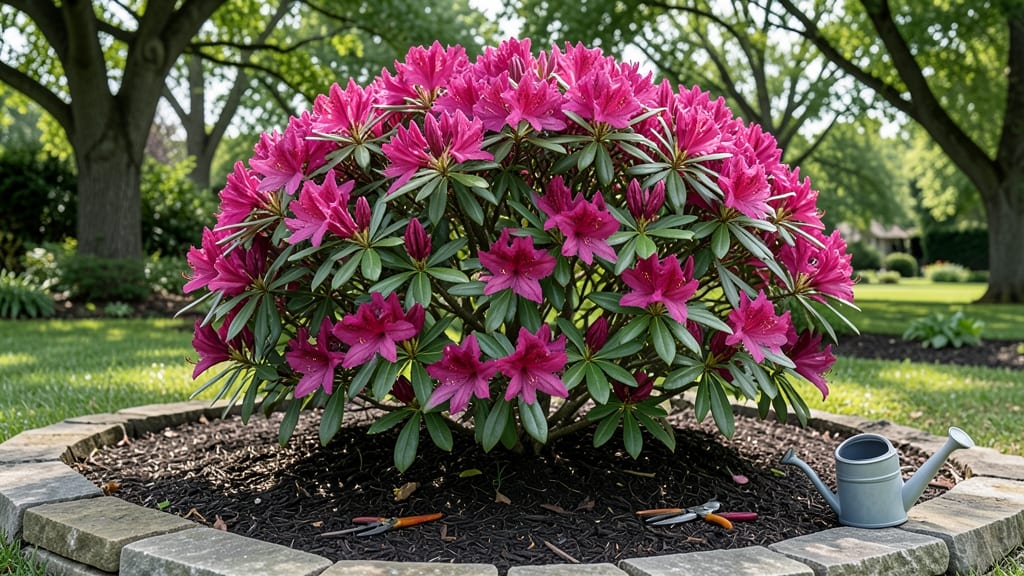
My azalea flower bed along the shady patio edge bursts into a fragrant purple canopy each spring, turning every morning coffee into a living masterpiece. ✨ like a celebration.
The secret isn't just the azaleas—it's how you layer them with shade-loving companions and prepare the soil to keep them thriving for decades.
Start with acidic, well-draining soil—azaleas hate soggy roots, so amend clay with pine bark or peat moss. Space plants 3-5 feet apart (closer for dwarf varieties) to let them bush out without competing.
I pair mine with hellebores for early color, ferns for texture, and boxwood for structure—each plant plays a role in the long-term show.
By summer, your bed will be a lush, velvety green backdrop with blooms that last from late spring through early summer. The fragrance alone—sweet, honey-like, and intoxicating—makes it worth the effort.
With proper pruning after flowering and a light mulch to retain moisture, these azaleas keep their drama year after year.
Works as a border, focal point, or even a container arrangement for patios. The key is patience—azaleas take 2-3 years to fully mature, but once they do, they become the star of the garden. Let's get planting!
📚 In This Guide
- What you need
- Instructions
- Tips and common mistakes
- Wrapping up and next steps
What you need
- ● Azalea plants: 9–12 healthy nursery-grown azaleas (choose Rhododendron varieties like 'Girard’s' or 'Hershey's Red' for vibrant blooms).
- ● Well-draining soil: 5–10 bags of acidic, organic potting mix (pH 4.5–6.0; avoid alkaline soil!).
- ● Mulch: 2–3 cubic feet of pine bark or wood chips (preserves moisture and acidity).
- ● Compost: 1–2 bags of peat moss or composted leaves (boosts nutrients).
- ● Fertilizer: 1–2 lbs of slow-release azalea/rhododendron fertilizer (10-10-10 or similar).
- ● Garden tools: Trowel or hand shovel
- ● Garden fork (for aerating soil)
- ● Pruning shears (sterilized!)
- ● Measuring tape or string (for layout)
- ● Watering supplies: Garden hose with a spray nozzle or drip irrigation kit.
- ● Edging: Flexible metal or plastic edging (to define the bed shape).
- ● Ground cover plants: Ferns, hellebores, or ivy (adds texture and year-round interest).
- ● Decorative stones: River rocks or gravel (for a polished look).
- ● Soil tester kit: To double-check pH levels before planting.
- ● Slow-release watering granules: For drought-prone areas.
Step-by-step guide to designing a stunning azalea flower bed
Here's how to create a vibrant, low-maintenance azalea display that thrives year after year.
🌱 Step 1: Select the Perfect Location and Soil
Azaleas demand acidic soil with a pH between 4.5 and 5.5—test your soil before planting. Choose a spot with morning sun and afternoon shade to protect blooms from harsh afternoon rays. I always dig a 12-inch deep hole for each plant, twice as wide as the root ball, to encourage root expansion.
Amend the native soil with 3 parts peat moss and 1 part sand to improve drainage while maintaining acidity. Avoid garden soil—it's too alkaline and will stunt growth. Mix the amendments thoroughly and water the hole deeply before planting. The soil should feel like a damp sponge, not muddy or dry.
🪴 Step 2: Plant Azaleas at the Right Depth and Spacing
Position each azalea so the top of the root ball sits 1 inch above ground level—burying too deep suffocates roots. Space plants 3-5 feet apart depending on variety (dwarf types need less room). I like to spread the roots gently outward in the hole before backfilling with amended soil.
Press the soil lightly around the roots to eliminate air pockets but don't compact it. Water immediately after planting to settle the soil and remove any gaps. Mulch with 2-3 inches of pine bark (not wood chips) to retain moisture and acidify the soil over time. Keep mulch 6 inches away from the stem to prevent rot.
☀️ Step 3: Water and Fertilize for Peak Blooms
Water 2-3 times per week for the first month, keeping the soil evenly moist but never soggy. Azaleas hate dry roots but despise waterlogged conditions. I check moisture by sticking my finger 2 inches deep—if it's dry, it's time to water. After establishment, water once weekly during dry spells.
Feed with acid-loving fertilizer (like azalea/camellia blend) in early spring before buds form and again after blooming. Avoid high-nitrogen fertilizers—they produce lush foliage but few flowers. I always follow package instructions precisely, as over-fertilizing burns roots. Watch for dark green leaves and abundant buds—that's your sign the plant is thriving.
✂️ Step 4: Prune and Maintain for Long-Term Health
Prune right after flowering (late spring) to shape the plant and encourage next year's blooms. Remove dead or crossing branches first, then trim back any leggy growth by one-third. Never cut into old wood—azaleas bloom on new growth, so prune just above a leaf bud.
Deadhead spent blooms regularly to redirect energy to new flowers. I also check for yellowing leaves—a sign of overwatering or poor drainage. If you notice this, reduce watering and ensure the mulch layer isn't smothering the roots. Azaleas are surprisingly resilient once established, but they reward consistent care with vibrant blooms for decades.
Tips & tricks for perfect azalea flower beds
Creating a thriving azalea display takes more than just planting—it's about understanding the subtle details that make all the difference. Here's what I've learned after years of growing these delicate beauties.
Soil Science: The pH test is non-negotiable—azaleas won't thrive in alkaline soil. If your soil tests above 5.5, mix in sulfur granules (follow package instructions) when amending with the 3:1 peat moss to sand ratio. I've seen azaleas struggle in amended soil that still had hidden alkalinity—always double-check with a pH meter. The damp sponge texture is crucial too: if your soil feels muddy, add more sand to improve drainage, but if it feels dry, incorporate more peat moss to retain moisture.
Planting Precision: That 1-inch elevation above ground level matters more than you'd think. I've seen new gardeners bury the root ball too deep, which suffocates the plant. Use a level or small board to create a consistent planting depth across all your azaleas. For spacing, remember that dwarf varieties need the 3-foot minimum, while standard types can handle up to 5 feet—this prevents overcrowding that leads to disease. And when spreading roots, don't force them—gently tease them outward naturally to avoid root damage.
Watering Wisdom: The 2-inch moisture check is your best friend during establishment. I've learned the hard way that azaleas wilt dramatically when roots dry out, but they also suffer from soggy conditions. Water deeply at the base rather than overhead to prevent fungal diseases. After the first month, you can reduce to weekly watering, but always check that 2-inch depth—especially during heatwaves when evaporation increases. The key is consistent moisture without waterlogging.
Fertilizer Strategy: Timing is everything with acid-loving fertilizer. I apply it in early spring when buds begin to swell and again after blooming has finished—this two-step approach prevents over-fertilization that burns roots. Look for fertilizers with equal parts nitrogen, phosphorus, and potassium (like 10-10-10) specifically formulated for azaleas. The dark green leaves and abundant buds are your confirmation that you've got the feeding schedule right. And remember: less is more with these sensitive plants.
Pro Tips for Azalea Flower Bed
- Creating a thriving azalea display takes more than just planting—it's about understanding the subtle details that make all the difference.
- Soil Science: The pH test is non-negotiable—azaleas won't thrive in alkaline soil.
- Planting Precision: That 1-inch elevation above ground level matters more than you'd think.
Frequently asked questions
Got questions about creating or maintaining your azalea flower bed?
Here are answers to the most common queries to help you grow a stunning, fragrant display with ease!
When is the best time to plant azaleas for a flower bed?
The ideal times are early spring (after the last frost) or fall (6-8 weeks before the first frost). Planting in spring gives roots time to establish before summer heat, while fall planting allows them to settle before winter. Avoid planting in extreme heat or cold—azaleas thrive in cooler temperatures!
How often should I water my azalea flower bed?
Azaleas need consistent moisture but hate soggy roots. Water deeply 1-2 times per week (or daily in extreme heat), ensuring the top 2-3 inches of soil stay damp. Mulch (2-3 inches) helps retain moisture and protect roots. Pro tip: Water in the morning to reduce evaporation and fungal risks.
Can I mix azaleas with other plants in my flower bed?
Azaleas pair beautifully with evergreen shrubs (like boxwood or pieris), hostas, ferns, or camellias for year-round texture. Avoid competitive plants (e.g., aggressive grasses or deep-rooted trees) that steal nutrients. For a low-maintenance bed, try heucheras or ajuga as ground covers.
Why are my azalea leaves turning yellow or dropping?
Yellow leaves often signal overwatering, nutrient deficiency, or pH issues. Check soil pH (4.5-6.0 is ideal)—azaleas need acidic soil. Brown edges? It could be underwatering or salt buildup from tap water. Dropping buds? Sudden temperature swings or lack of winter chill (600+ hours below 45°F) may be the culprit. Adjust care and monitor!
Do azaleas bloom every year, and how can I encourage more flowers?
With proper care, azaleas bloom reliably every spring (some varieties bloom again in fall). To boost flowers: Prune after blooming (never in fall—it removes next year’s buds!), fertilize in early spring with an acid-loving plant food, and ensure full sun to partial shade (4-6 hours of sun daily). Deadhead spent blooms to redirect energy to new growth!
Wrapping up and next steps
Creating a stunning azalea flower bed is a rewarding way to add vibrant color and fragrance to your garden while attracting pollinators and boosting curb appeal.
With the right soil, sunlight, and care, your azaleas will thrive and reward you with breathtaking blooms for years to come—and the best part? You don’t need a green thumb to make it happen!
Ready to dive in? Start by sketching your design—whether it’s a bold border, a cozy corner, or a cascading hillside masterpiece. Then, gather your supplies and get planting! Your future self (and your neighbors) will thank you for this fragrant, purple paradise. 🌸✨