
Planting
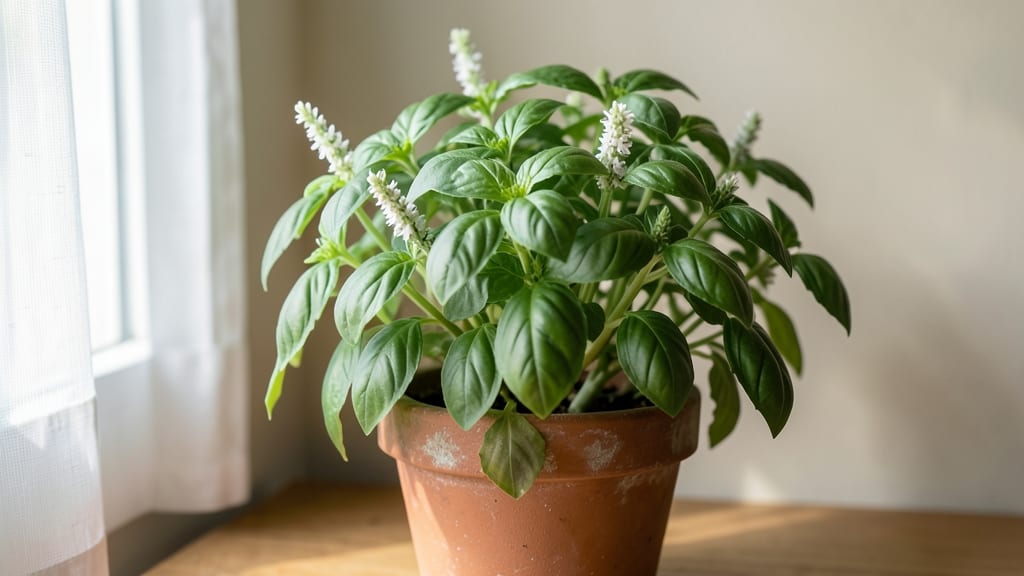
When basil plant flowers appear, it’s not a sign to panic—it’s an invitation to decide how you’ll use them. ✨ Those delicate purple blooms might look pretty, but they signal your plant’s shift from leaf production to seed-making, which means tender leaves start turning bitter.
I’ve learned the hard way that letting basil flower too early cuts my harvest short, but with the right timing and pruning, you can keep those sweet leaves coming all season.
The key is watching for those first flower buds and acting fast. Snip them off before they open—just pinch or cut above a set of leaves—and your plant will reward you with fresh, flavorful growth for weeks longer.
I’ve found that harvesting leaves regularly (every 2-3 weeks) also delays flowering, giving you more time to enjoy that classic basil taste. The trade-off? Those blooms are edible too, adding a peppery note to pesto or attracting pollinators to your garden.
You’ll end up with a basil plant that stays productive for months, its leaves bright green and packed with flavor. The secret is balance: prune aggressively early in the season, then let a few flowers form late summer if you want seeds for next year.
Just don’t wait too long—once those blooms open, the leaves start losing their magic. With this approach, you’ll have fresh basil for pesto, salads, and cooking all season long.
Works for both container gardens and in-ground plantings, and the same rules apply whether you’re growing Genovese, Thai, or purple basil. The only real mistake is ignoring those first signs of flowering—so keep an eye out and prune early. Here’s how to keep your basil thriving!
📚 In This Guide
- What you need
- Instructions
- Tips and common mistakes
- Wrapping up and next steps
What you need
- ● Basil seeds or seedlings: Choose sweet basil (Ocimum basilicum) for culinary use. Opt for organic, non-GMO seeds (e.g., Genovese or Thai basil). Quantity: 1–2 packets (or 10–20 seedlings if starting with plants).
- ● Well-draining potting mix: Use a high-quality, organic blend (e.g., Miracle-Gro Potting Mix or a homemade mix of 60% peat moss, 30% perlite, and 10% compost). Quantity: 1–2 bags (5–10 quarts).
- ● Containers or garden bed: Containers: 6–12" deep pots with drainage holes (1–2 plants per 6" pot).
- ● Garden bed: Full sun (6+ hours/day) with loose, fertile soil (pH 6.0–7.0).
- ● Fertilizer: Balanced organic fertilizer (10-10-10 or fish emulsion) or compost tea. Quantity: 1–2 applications during growth.
- ● Hand trowel or small shovel: For planting seeds or seedlings.
- ● Watering can or spray bottle: With a gentle nozzle to avoid disturbing seedlings.
- ● Pruning shears or scissors: Sharp, clean pair for harvesting flowers and leaves.
- ○ Gloves (optional): To protect hands from soil or sap.
- ○ Pollinator-friendly companion plants (optional): Marigolds, borage, or nasturtiums to attract bees and butterflies.
- ● Climate: Basil thrives in USDA Zones 10–12 year-round. In cooler zones, start seeds indoors 6–8 weeks before the last frost or plant after soil warms to 70°F (21°C).
- ● Sunlight: Full sun (6+ hours/day) is a must for healthy growth and flowering.
- ● Watering routine: Keep soil consistently moist (not soggy) but avoid overhead watering to prevent fungal diseases.
- ● Patience: Basil flowers typically appear 6–8 weeks after planting, depending on variety and conditions.
How to encourage and harvest edible basil flowers
Here's how to coax those delicate blooms from your basil—and use them before they turn bitter.
🌱 Step 1: Identify and Prune Early Flower Stems
Basil flowers start as tiny buds in the leaf axils, often hidden until they open. Pinch off any stems showing buds or flowers the moment you spot them—this redirects energy back to leaf production. Use clean fingernails or small pruning shears to avoid damaging the plant.
I check my plants twice weekly for these early signs. The moment you see a flower bud, remove the entire stem down to the main stem. This ensures your basil stays lush and leafy, not woody and bitter. Don't wait until flowers open—once they do, the plant's flavor shifts dramatically.
☀️ Step 2: Optimize Light and Heat for Blooming
Basil flowers best when it receives 6-8 hours of direct sunlight daily and daytime temperatures stay between 70-85°F. If your basil is indoors, place it near a south-facing window or under a grow light positioned 6-12 inches above the plant. Too little light causes leggy growth and delays flowering.
Watch for signs of stress—yellowing leaves or slow growth mean it needs more light. I've found that a small fan near the plant (set to low speed) actually encourages more compact growth and better flowering. Just don't let it blow directly on the leaves.
💧 Step 3: Harvest Flowers at Peak Freshness
Harvest basil flowers in the morning after dew has dried but before the heat of the day. Use clean scissors to snip the entire flower cluster, cutting just above a leaf node. The flowers should be fully open but still vibrant—purple, white, or pale pink—with no brown edges.
Here's the thing—flowers picked too late become bitter. You'll know they're past their prime when the petals start curling or the center turns brown. Store harvested flowers in a paper towel-lined container in the fridge for up to 3 days or dry them immediately for later use.
✂️ Step 4: Use Flowers Immediately or Preserve Properly
For pesto, add fresh flowers to your blender with basil leaves, garlic, olive oil, and cheese. The floral notes complement the peppery basil beautifully. If you're not using them right away, dry the flowers by tying small bundles with twine and hanging them upside down in a dark, dry place for 7-10 days.
Once dried, store the flowers in an airtight container away from light. They'll keep for months and can be crumbled into dishes or steeped in oils for infused flavors. I like to mix dried basil flowers with my winter herb blends—just a pinch adds incredible depth.
Tips & tricks for perfect basil plant flowers
Took me a while to figure these out, so here's how to get the best edible basil blooms without the bitterness.
Timing Secret: In Step 1, don't just prune flowers—check your plants twice weekly for those tiny buds hiding in the leaf axils. I've ruined batches of pesto by waiting too long, and the flavor difference is night and day. Use a magnifying glass if needed—those early buds are sneaky!
Light Optimization: The 6-8 hours of direct sunlight in Step 2 is non-negotiable, but here's the trick: if your basil is indoors, rotate the pot quarter-turn daily so all sides get even light. I learned this after my plant grew lopsided—now it's bushier and flowers more consistently. South-facing windows are ideal, but west-facing works too if you supplement with a grow light for 2-3 hours in the evening.
Harvesting Hack: When harvesting in Step 3, cut the entire flower cluster but leave at least one set of leaves below the cut. This ensures the plant keeps photosynthesizing and producing more flowers. I used to cut too close, and my plants would get stressed—now they keep blooming like crazy. Always harvest in the morning when dew is gone but before the heat sets in.
Preservation Wisdom: For drying in Step 4, bundle flowers with paper towels between each bundle to absorb moisture. This prevents mold during the 7-10 day drying process. I hang mine in my pantry closet where it stays dark and dry—no need for fancy equipment! Once dried, store in a small jar with a piece of dried silica gel packet to keep them fresh for months.
Pro Tips for Basil Plant Flowers
- Took me a while to figure these out, so here's how to get the best edible basil blooms without the bitterness.
- Timing Secret: In Step 1, don't just prune flowers—check your plants twice weekly for those tiny buds hiding in the leaf axils.
- Light Optimization: The 6-8 hours of direct sunlight in Step 2 is non-negotiable, but here's the trick: if your basil is indoors, rotate the pot quarter-turn daily so all sides get even light.
Frequently asked questions
Got questions about basil plant flowers? You’re not alone! Here are some common queries—and answers—to help you grow, harvest, and enjoy these edible blooms like a pro.
Do basil flowers taste the same as the leaves?
Not exactly! While basil flowers are edible and add a mild, sweet, slightly peppery flavor, they’re more delicate than the leaves. They’re perfect for garnishes, teas, or infused oils—but save the boldest flavor for fresh leaves in pesto.
How long does it take for basil to flower?
Most basil varieties flower 6–8 weeks after planting, especially in warm weather. If you’re growing basil for leaves, pinch off flowers early to encourage more foliage. But if you’re cultivating flowers for pollinators or edible use, let them bloom naturally!
Can I still use basil leaves if flowers appear?
Flowers signal the plant is mature, but you can still harvest leaves. Just trim flowers after harvesting leaves to avoid stunting growth. For pesto, pick leaves before flowers open for peak flavor.
What should I do if my basil flowers but doesn’t produce leaves?
This usually means the plant is stressed or over-mature. Try these fixes:
- Prune back 1/3 of the plant to encourage new growth.
- Ensure it gets 6+ hours of sunlight daily.
- Water consistently—basil hates soggy soil.
Are basil flowers good for pollinators?
Yes! Basil flowers are a pollinator magnet, attracting bees and butterflies. Plant basil near veggies like tomatoes or peppers to boost your garden’s ecosystem. Just avoid pesticides—keep it organic for happy visitors!
Wrapping up and next steps
Growing basil with its delicious flowers is a rewarding way to elevate your cooking and support local pollinators! 🌸 Whether you're crafting homemade pesto or simply enjoying the beauty of edible blooms, these vibrant flowers add both flavor and purpose to your garden.
Now that you’re equipped with the know-how, why not take the next step? Try planting a few basil seeds or seedlings today—your taste buds and the bees will thank you!
💡 Pro Tip: Share your harvest with friends or local chefs who love fresh, homegrown ingredients!