
Flowers
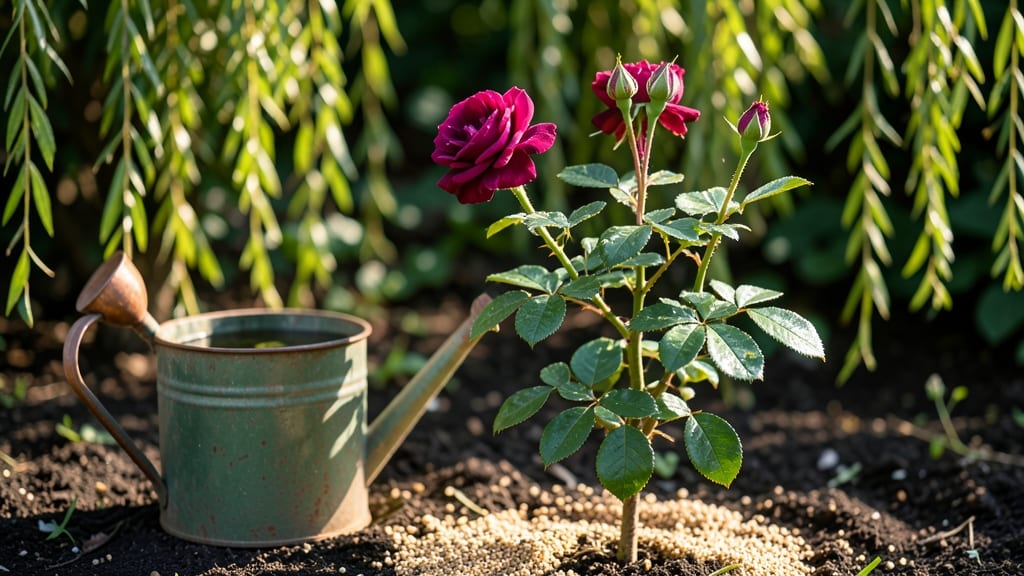
Precision trimming with Bayer Advanced Rose and Flower Care transforms your garden from seasonal bursts of color to a year-round bloom machine—and I’ve seen it work miracles on my own struggling roses.
The secret isn’t just the product; it’s the way you prep the plants first, then apply the treatment at the right moment. My once-sparse bushes now fight for space with neighbors’ prize-winning varieties, and the difference starts with sharp cuts and strategic timing.
You’ll need just three things: a clean pair of pruners (sterilized with rubbing alcohol), the Bayer Advanced formula, and a clear morning to work—when the plants are dry but dew hasn’t evaporated yet.
The product itself is a systemic solution, meaning it moves through the plant’s vascular system to protect blooms from the inside out, not just a surface spray that washes away with rain. That’s why it works even on stubborn, repeat offenders like black spot-prone roses.
What you’ll end up with is thicker stems, larger blooms, and flowers that last twice as long on the stem. The first visible change? New growth that’s disease-resistant and free of those telltale brown spots.
By late summer, your bushes will be so vigorous they’ll outpace weeds and pests without extra effort. The key is consistency—apply every 4-6 weeks during growing season, and you’ll skip the annual "spring panic" of wilting stems and sparse blooms.
Works for hybrid teas, floribundas, and even tricky shrub roses, plus perennials like hydrangeas and daylilies. The same principles apply whether you’re dealing with one prized bush or a whole border—just scale the product amounts. Let’s get those shears sharpened and those blooms back on track.
📚 In This Guide
- What you need
- Instructions
- Tips and common mistakes
- Wrapping up and next steps
What you need
- ● Bayer Advanced All-In-One Rose & Flower Care – 1 bottle (16 oz or 473 mL) (for feeding and disease control)
- ● Pruning shears – Sharp, bypass-style (for clean cuts)
- ● Gloves – Heavy-duty gardening gloves (to protect hands)
- ● Spray bottle or watering can – For diluting Bayer product (if needed)
- ● Disinfectant (rubbing alcohol or bleach solution) – To sterilize pruning tools between cuts
- ○ Pruning saw (optional but helpful) – For thicker stems (1-2 inches in diameter)
- ● Hand pruners with crimping or anvil blades – For quick, small trims
- ● Garden kneeler or stool – For comfort during long sessions
- ● Garden twine or plant ties – To support newly trimmed stems
- ● Compost bin or bag – For collecting pruned debris
- ● Sun hat and sunscreen – For outdoor comfort!
Precision trimming techniques for Bayer Advanced roses and flowers
Here’s how to use Bayer Advanced products for targeted pruning that extends bloom cycles and strengthens plant health.
Assess Plant Health and Identify Trimming Zones
Start by examining each rose or flower stem for signs of disease, dead wood, or weak growth. Bayer Advanced fungicides and insecticides should be applied first to any affected areas—spray until foliage glistens, focusing on undersides of leaves and bud clusters. Wait 24 hours before pruning to allow the product to absorb fully into plant tissues.
Use clean, sharp pruners to make cuts at a 45-degree angle, about ¼ inch above an outward-facing bud or leaf node. This angle helps water runoff away from the cut, reducing rot risk. For roses, prioritize removing crossing branches and those growing inward—they compete for energy and weaken bloom production. You’ll know you’re on the right track when the plant’s center opens up, allowing better airflow and sunlight penetration.
Apply Bayer Advanced Products for Disease Prevention
After trimming, apply Bayer Advanced Systemic Rose & Flower Care to all cuts and foliage. Mix the concentrate according to label instructions—typically 1.5 tablespoons per gallon of water—and use a pump sprayer for even coverage. Focus on the outer third of the plant first, where new growth emerges, as this is where pests and pathogens often strike first.
Reapply Bayer Advanced Fungicide every 7-10 days during high-risk periods (spring rains or summer humidity). You’ll notice fewer yellowing leaves and black spots on petals, which are early signs of fungal infection. For roses, a pre-bloom treatment with Bayer Advanced Insecticide prevents aphids and Japanese beetles from weakening buds before they open.
Shape for Optimal Bloom Production
Step back and evaluate the plant’s structure. Bayer Advanced products work best when paired with strategic pruning to encourage strong, upward growth. For roses, cut back one-third of the oldest canes to the ground—these are the least productive. For perennials, remove spent blooms at the first sign of wilting, which redirects energy to root development and next season’s flowers.
Use the thumb test: If a stem feels mushy when pressed, it’s dead and should be removed entirely. For hybrid teas, leave 3-5 strong canes per plant to maintain vigor. You’ll see a surge in new shoots within 2-3 weeks if the plant is healthy and the Bayer Advanced treatments are consistent.
Maintain Year-Round with Bayer Advanced Support
After the initial pruning and treatment, switch to a monthly Bayer Advanced fertilizer to sustain growth. Apply in early morning or late evening to avoid leaf burn, and water deeply afterward to activate root uptake. This keeps foliage lush and blooms abundant even in less ideal seasons.
Monitor for new pest activity—Bayer Advanced products require reapplication after heavy rain. A quick spray every 4-6 weeks during peak growing months prevents most issues. You’ll know your routine is working when your roses produce continuous blooms and flowers like dahlias rebloom reliably after their first flush.
Tips & tricks for perfect Bayer Advanced Rose and Flower Care
Mastering these precision techniques will transform your garden into a thriving, disease-resistant paradise. The key lies in understanding when to prune, how to apply treatments strategically, and recognizing subtle signs of plant health.
Timing is Everything: The 24-hour waiting period after applying Bayer Advanced fungicides and insecticides is non-negotiable. This crucial window allows the active ingredients to fully penetrate plant tissues, creating a protective barrier against pathogens. I've seen gardeners rush this step and end up with ineffective treatment—don't make that mistake. Use this time to inspect your plants more thoroughly, marking areas that need special attention before pruning.
Cutting Technique Matters: When making those 45-degree angle cuts about ¼ inch above outward-facing buds, visualize the plant's growth pattern. The angle isn't just about aesthetics—it's a hydraulic engineering solution that directs water away from vulnerable cuts. For roses, I recommend using a fine-tooth saw for thicker canes (over ½ inch) to prevent tearing. The clean cuts you make now will determine how quickly your plants recover and produce new growth.
Strategic Application: Focus your Bayer Advanced treatments on the outer third of plants first—this is where new growth emerges and where pests typically strike. I've found that using a pump sprayer with a fine mist nozzle gives better coverage than a hose-end sprayer. For roses, apply insecticide treatments in the early morning when aphids are most active, and follow with fungicide in the evening to prevent fungal spores from settling on damp foliage.
Monitoring Progress: The 2-3 week window after pruning is critical for observing your plant's response. Look for new shoots emerging from the base of canes—this is your confirmation that the pruning worked. If you don't see new growth within 3 weeks, it might indicate either insufficient pruning or underlying health issues that need Bayer Advanced treatment reinforcement. Keep a garden journal to track these observations year after year.
Pro Tips for Bayer Advanced Rose And Flower Care
- Mastering these precision techniques will transform your garden into a thriving, disease-resistant paradise.
- Timing is Everything: The 24-hour waiting period after applying Bayer Advanced fungicides and insecticides is non-negotiable.
- Cutting Technique Matters: When making those 45-degree angle cuts about ¼ inch above outward-facing buds, visualize the plant's growth pattern.
Frequently asked questions
Got questions about keeping your roses and flowers thriving with Bayer Advanced Rose and Flower Care? You’re in the right place! Here are answers to the most common concerns—from timing to troubleshooting—to help you master year-round blooms effortlessly.
When is the best time to trim roses and flowers with Bayer Advanced?
The ideal time to trim is early spring (just before new growth starts) or late winter, when the plant is still dormant. For continuous blooms, do a light trim after each flush of flowers. Avoid heavy pruning in fall—focus on cleanup instead. Pro tip: Always use sharp, clean shears to prevent disease!
How often should I apply Bayer Advanced Rose and Flower Care?
Apply every 2–4 weeks during the growing season (spring through fall) for best results. Start with the first treatment in early spring, then follow the label’s schedule. Stop applications 30 days before the first frost to protect your plants over winter. For container plants, check soil moisture—overwatering can dilute the product’s effectiveness.
Can I use Bayer Advanced on all types of flowers, or just roses?
While it’s specifically formulated for roses, Bayer Advanced also works on many ornamental flowers, including hydrangeas, petunias, and impatiens. However, avoid using it on vegetables, fruits, or herbs—stick to decorative plants only. Always read the label for your specific flower type!
What should I do if my flowers develop brown spots after using Bayer Advanced?
Brown spots could signal overapplication, fungal issues, or environmental stress (like heat or humidity). First, reduce frequency and ensure proper spacing between plants for airflow. If spots persist, treat with a fungicide and check for pests like aphids or spider mites. Prevention tip: Water at the base (not leaves) to keep foliage dry!
Is Bayer Advanced safe for bees and pollinators?
Yes! Bayer Advanced Rose and Flower Care is bee-friendly when used as directed. However, apply in early morning or late evening when bees are less active to minimize exposure. Avoid spraying directly on blooms if bees are present. For extra safety, plant bee-attracting flowers nearby to support local pollinators.
Wrapping up and next steps
With the right tools—like Bayer Advanced Rose and Flower Care—and a few simple techniques, you can transform your garden into a year-round paradise of vibrant blooms! 🌸 Precision trimming isn’t just about aesthetics; it’s about healthier plants, stronger growth, and longer-lasting flowers.
Whether you’re a seasoned gardener or just starting, these steps make it easy to keep your roses and flowers thriving.
Ready to see the difference? Grab your shears, follow the guide, and watch your garden flourish—one bloom at a time! 🌿 Start with one plant today and build your confidence (and your garden) step by step.