
Flowers
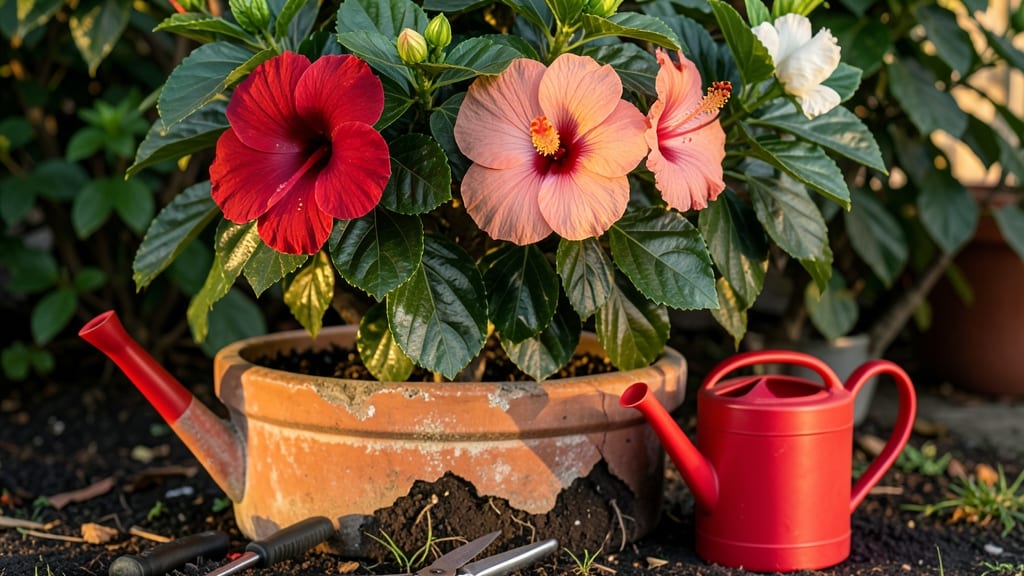
Hibiscus flower maintenance starts with a simple truth: those bold blooms won't last without the right care. 🌸 I've watched my tropical hibiscus go from sparse, sad stems to a riot of color by mastering just three key habits—pruning at the right time, feeding when it matters most, and keeping the roots happy without drowning them.
The payoff? Flowers from spring through frost, not just a single summer burst.
Most gardeners overcomplicate this. You don't need fancy tools or complicated schedules—just sharp pruners, a balanced fertilizer, and about 15 minutes a week during peak season.
The real secret is timing: prune after blooms fade to encourage new growth, feed every 4-6 weeks during active growth, and watch for pests before they become problems. My hibiscus now produces 2-3 times more flowers than it did when I followed random advice.
What you'll end up with is a plant that looks like it belongs in a tropical paradise, not your backyard. The blooms stay vibrant longer, the stems stay sturdy, and you'll actually enjoy maintaining it instead of dreading the upkeep.
The best part? These techniques work for both tropical and hardy hibiscus varieties, so you're covered no matter what zone you're in.
Here's where it gets interesting—once you nail the basics, you can experiment with deadheading spent blooms for even more flowers, or try winter care tricks to extend the season. But first, let's get those stems trimmed and feeding right so you see results fast.
📚 In This Guide
- What you need
- Instructions
- Tips and common mistakes
- Wrapping up and next steps
What you need
- ● Pruning shears: Sharp, bypass-style shears (3-4 inch blades) for clean cuts. Pro tip: Disinfect with rubbing alcohol before and after use! 💡
- ● Gloves: Heavy-duty gardening gloves (one pair) to protect from thorns.
- ○ Pruning saw: Optional but handy for thicker branches (if your hibiscus is mature).
- ● Horticultural oil or fungicide: 1 small bottle (for treating cuts and preventing disease).
- ● Mulch: 2-3 bags of organic mulch (e.g., shredded bark) to retain moisture and suppress weeds.
- ● Garden hose or watering can: For post-pruning hydration.
- ● Trash bags: 2-3 large bags for debris disposal.
- ● Rake: Small handheld rake to clear fallen leaves.
- ● Fertilizer (balanced 10-10-10 or hibiscus-specific): 1 small bag for post-pruning nourishment.
- ● Plant food spray: For a quick nutrient boost after pruning.
- ● Plant tie/wire: To support new growth if needed.
- ● Camera or phone: Capture your hibiscus’s progress—because before-and-after shots are satisfying! 📸
Step-by-Step guide to pruning hibiscus for continuous blooms
Here's how to keep your hibiscus flowering all season with simple, precise cuts.
✂️ Step 1: Time Your First Pruning for Spring Growth
Wait until after your last frost date when new growth appears—usually in late April or early May—before making your first cuts. This timing ensures you're not pruning dormant wood, which won't regrow. Look for fresh, green stems emerging from the base or along branches; these are your cues that the plant is waking up.
Use clean, sharp pruning shears to cut back 1/3 of the plant's height. Make your cuts just above a leaf node where new growth can emerge. This doesn't mean hacking off random branches—focus on removing any dead, crossing, or weak stems first. The goal is to open up the plant's center for better airflow and light penetration, which encourages more blooms.
Here's the thing—hibiscus respond dramatically to this early pruning. You'll see new shoots emerging within 2-3 weeks if you've pruned at the right time. If you wait too long, the plant may already be setting flower buds, and pruning could reduce blooms.
🌿 Step 2: Maintain Shape and Encourage Blooms Throughout the Season
Every 4-6 weeks after your initial pruning, check your hibiscus for any branches that are growing too long or leggy. These are the stems that stretch upward without producing flowers. Use your pruning shears to trim them back to a leaf node, but never cut more than 1/3 of the plant's height at once—this prevents shock.
Pay special attention to the plant's shape. Hibiscus naturally grow in a bushy form, but they can become top-heavy if not guided. Pinch back the tips of new growth to encourage branching. You'll know you're doing it right when you see multiple side shoots forming instead of just one long stem. This creates a fuller plant with more potential bloom sites.
Real talk: If you see flower buds forming, don't prune those branches. The buds will turn into beautiful blooms, and cutting them off means fewer flowers. Instead, focus on the non-flowering growth. The plant will reward you with continuous blooms if you maintain this balance.
⏰ Step 3: Prepare for Winter Dormancy with Late-Season Pruning
When temperatures drop below 50°F at night and your hibiscus stops producing new growth, it's time for the final pruning of the year. This usually happens in October or November, depending on your climate. The goal here is to clean up the plant and prepare it for dormancy, not to encourage new growth.
Cut back all the stems to about 12-18 inches tall, leaving a few strong, healthy branches if possible. This makes it easier to cover the plant over winter and reduces the risk of damage from snow or ice. Remove any dead, diseased, or weak stems completely. You can also trim off any remaining flower stems—these won't bloom again and can harbor pests or diseases.
Don't worry if the plant looks bare after this pruning. Hibiscus are tough and will regrow vigorously in spring. The key is to keep the cuts clean and at a 45-degree angle just above a leaf node. This ensures the plant has a strong base to grow from when warmer weather returns.
☀️ Step 4: Post-Pruning Care for Strong Regrowth
After any major pruning, your hibiscus will need extra care to recover and produce new growth. Water deeply right after pruning to help the plant establish new roots. Keep the soil consistently moist but not soggy—1 inch of water per week is ideal. You'll notice new shoots emerging within 2-4 weeks if conditions are right.
Fertilize lightly with a balanced, water-soluble fertilizer (like 10-10-10) diluted to half strength. This gives the plant the nutrients it needs to recover and grow new branches. Avoid heavy fertilization right after pruning—it can encourage leafy growth at the expense of flowers. Instead, focus on giving the plant the right conditions to regrow strong and healthy.
Here's where it gets fun—watch the new leaves emerge. They'll be smaller at first but will grow larger and stronger as the plant recovers. This is your signal that the pruning worked. Keep an eye out for flower buds forming on the new growth, which means your efforts are paying off with more blooms to come.
Tips & tricks for perfect hibiscus flower maintenance
These simple strategies will help you keep your hibiscus blooming beautifully all year.
Timing is Everything: The late April to early May window for your first pruning is critical—this aligns with when hibiscus naturally wake from dormancy. If you prune too early, you risk cutting back growth that's just starting. Look for fresh green stems emerging from the base or along branches as your cue. I've seen hibiscus that bloomed heavily after this precise timing, while others missed their first flush because we pruned too soon.
Pruning Precision: When you cut back 1/3 of the plant's height in Step 1, make your cuts just above a leaf node at a 45-degree angle. This angle prevents water from pooling on the cut, which could rot the stem. Also, always use clean, sharp pruning shears—dull blades crush stems instead of making clean cuts, which stresses the plant. I learned this the hard way after noticing slower regrowth from poorly cut branches.
Seasonal Balance: During the growing season, focus on maintaining shape by trimming leggy branches every 4-6 weeks. But here's the thing: if you see flower buds forming, leave those branches alone. Those buds will become your beautiful blooms, and cutting them off means fewer flowers. I once accidentally pruned a branch with buds just forming, and it took months for that section to bloom again.
Winter Prep: When temperatures drop below 50°F at night, it's time for your final pruning of the year. Cut back to 12-18 inches tall to make winter protection easier. This also gives your hibiscus a clean start in spring. After doing this for years, I've noticed that plants pruned this way always seem to bounce back faster in spring compared to those left too tall.
Pro Tips for Hibiscus Flower Maintenance
- These simple strategies will help you keep your hibiscus blooming beautifully all year.
- Timing is Everything: The late April to early May window for your first pruning is critical—this aligns with when hibiscus naturally wake from dormancy.
- Pruning Precision: When you cut back 1/3 of the plant's height in Step 1, make your cuts just above a leaf node at a 45-degree angle.
Frequently asked questions
Got questions about keeping your hibiscus thriving? Here are answers to the most common ones—so you can enjoy those stunning blooms year-round!
How often should I prune my hibiscus for the best blooms?
Prune your hibiscus lightly every 3–4 months (spring, summer, and early fall) to encourage new growth and blooms. After the first frost, do a harder prune (cut back by ⅓) to shape the plant for next season. Avoid heavy pruning in late fall or winter, as it can stress the plant.
When is the best time to fertilize hibiscus flowers?
Fertilize hibiscus every 4–6 weeks during the growing season (spring to fall). Use a balanced, water-soluble fertilizer (like 10-10-10) or a slow-release granular for steady nutrients. Skip fertilizing in winter—your plant is dormant and doesn’t need extra food!
Why are my hibiscus leaves yellowing, and how do I fix it?
Yellow leaves usually mean overwatering or nutrient deficiency. Check soil moisture—hibiscus prefers well-draining soil and should only be watered when the top 1–2 inches are dry. If the issue persists, test soil pH (ideal: 6.0–6.5) and add a chelated iron supplement if needed.
Can I grow hibiscus indoors, and what do I need to know?
Yes! Hibiscus can thrive indoors with bright, indirect light (south or west-facing windows). Use a grow light if natural light is limited. Keep humidity high (mist leaves or use a pebble tray) and avoid drafts. Dwarf varieties like Hibiscus rosa-sinensis ‘Dwarf Red’ are great for containers.
How do I prune hibiscus for a bushier shape?
To encourage bushiness, pinch back new growth tips when they’re 6–8 inches long. Cut just above a leaf node (where leaves grow) at a 45-degree angle. Remove dead or crossing branches first, then shape by trimming outer growth to open the center for airflow and sunlight.
Wrapping up and next steps
With the right hibiscus flower maintenance, your plant can thrive and reward you with stunning blooms year-round! 🌺 Focus on pruning precision, proper watering, and a balanced diet of nutrients—these small efforts make a big difference.
Don’t let overwhelm hold you back; start with one step, like trimming dead branches or adjusting sunlight, and watch your hibiscus flourish.
Ready to see your garden glow? Grab your shears and get pruning! 🌿 For extra tips, check out our hibiscus care guide or tag us in your blooming progress—we’d love to cheer you on!