
Flowers
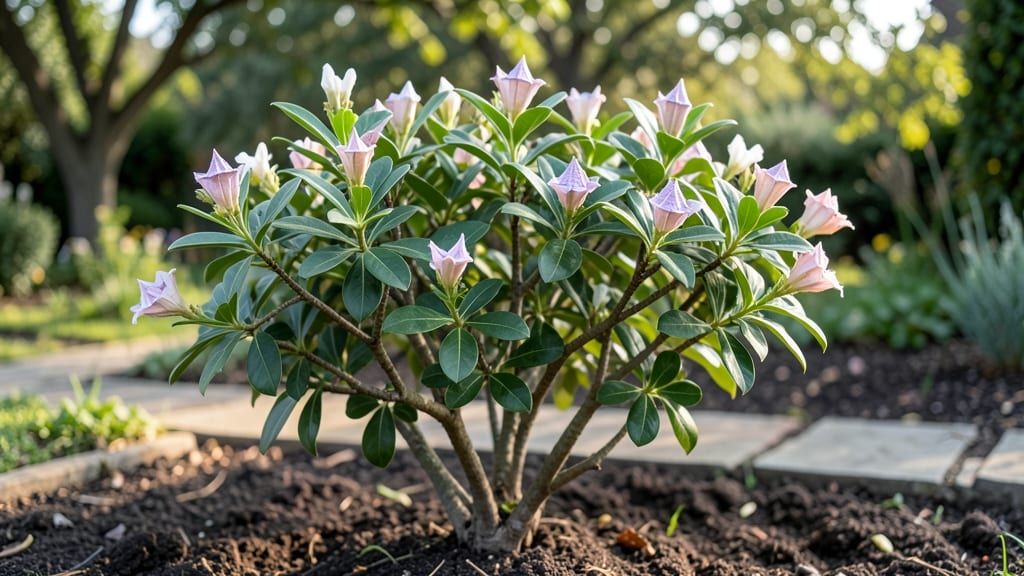
Clerodendrum trichotomum—better known as pagoda flower—transforms any garden into a fragrant sanctuary with its clusters of white blooms and intoxicating scent. 🌿 I grew mine from a single cutting years ago, and now it’s the star of my patio, humming with bees and filling the air with a sweet, spicy perfume that lingers long after the flowers fade.
The secret to keeping it thriving lies in its love for well-draining soil and morning sun, paired with strategic pruning to shape its distinctive pagoda-like branches. Unlike finicky tropicals, this plant handles USDA zones 6-9 with proper winter protection, and its adaptability makes it perfect for containers or hedges.
The key is balancing growth and bloom—prune too late, and you risk losing next year’s flowers.
By summer, you’ll be rewarded with football-sized clusters of white blooms that smell like vanilla and citrus, drawing hummingbirds and butterflies to your space. The glossy leaves add texture year-round, and with the right care, it even produces edible fruit that tastes like a mix of apple and cherry.
The fragrance alone makes it worth the effort.
Whether you’re shaping it as a hedge, training it up a trellis, or growing it in a pot, this plant delivers low-maintenance beauty with high impact. Let’s get into the specifics—so you can enjoy that signature scent in your garden too.
📚 In This Guide
- What you need
- Instructions
- Tips and common mistakes
- Wrapping up and next steps
What you need
- ● Pagoda Flower Clerodendrum (Clerodendrum trichotomum): 1-3 plants (nursery-grown or propagated from cuttings/seeds)
- ○ Optional: Fragrant varieties like ‘Variegatum’ for extra visual appeal
- ● Well-draining potting mix: 50% high-quality garden soil or potting mix
- ● 30% perlite or coarse sand (for aeration)
- ● 20% compost or organic matter (for nutrients)
- ● Container or garden bed: For containers: 12-18" diameter pot with drainage holes (1 plant per pot)
- ● For in-ground planting: Full sun to partial shade spot with loose, fertile soil
- ● Pruning tools: Sharp bypass pruners (for clean cuts)
- ● Garden shears (for trimming foliage)
- ● Planting supplies: Trowel or transplanting spade
- ● Mulch (straw or shredded bark, 2-3 inches thick)
- ● Fertilizer: Balanced 10-10-10 or slow-release granular fertilizer (apply in spring)
- ○ Optional: Liquid bloom booster (like fish emulsion) for fragrant flowers
- ● Watering tools: Watering can or hose with gentle spray nozzle
- ● Pro tip: Drip irrigation system for consistent moisture (💡 prevents overwatering!)
- ● Hardiness: USDA Zones 5-9 (adjust care for colder climates with mulch or containers)
- ● Sunlight: 4-6 hours of direct sun daily (partial shade in hotter zones)
- ● Temperature: Thrives in 60–85°F; protect from frost (bring containers indoors if temps drop below 30°F)
Step-by-Step instructions for cultivating pagoda flower clerodendrum
Here's how to coax that intoxicating fragrance from your plant year-round.
🌱 Step 1: Choose the Perfect Spot and Soil Mix
Pagoda flower clerodendrum thrives in full sun to partial shade, with at least 6 hours of direct sunlight daily. I position mine where it gets morning sun and afternoon shade to prevent leaf scorch. The soil should be well-draining—amend heavy garden soil with compost or perlite to improve aeration.
Dig a hole twice as wide as the root ball but only as deep. Loosen the sides of the hole to encourage root spread. This plant hates soggy feet, so if your soil drains poorly, consider planting in a large container with drainage holes. The ideal soil pH is 6.0-7.0, which most garden soils naturally provide.
🪴 Step 2: Plant and Establish with Proper Spacing
Remove the plant from its container and gently tease apart the roots if they're circling. Place it in the hole so the top of the root ball sits 1 inch below soil level. Backfill with native soil mixed with compost, tamping lightly as you go to eliminate air pockets. Water deeply to settle everything.
Space plants 6-8 feet apart—this gives them room to develop their signature pagoda-like branching without competition. For container growing, choose pots at least 18 inches in diameter to accommodate mature root systems. Mulch around the base with 2-3 inches of organic mulch to retain moisture and suppress weeds.
✂️ Step 3: Master the Art of Strategic Pruning
Prune in early spring to shape the plant and encourage dense growth. Cut back one-third of the previous year's growth to the nearest leaf node, making cuts just above a set of leaves. This stimulates bushier, more fragrant blooms. I always sterilize my pruners with rubbing alcohol between cuts to prevent disease spread.
Deadhead spent flowers regularly to redirect energy into new growth rather than seed production. The key is to prune just above a leaf node where new shoots will emerge. Avoid heavy pruning in fall—this plant needs its foliage to photosynthesize through winter. If you notice leggy growth, it's a sign of insufficient light rather than over-pruning.
💧 Step 4: Water and Feed for Continuous Blooms
Water deeply once weekly during the growing season, allowing the top 2-3 inches of soil to dry out between waterings. Overwatering causes root rot, which this plant is particularly susceptible to. In containers, you may need to water every 4-5 days depending on heat and humidity.
Feed monthly during spring and summer with a balanced 10-10-10 fertilizer diluted to half strength. The fragrance intensifies when plants are actively growing, so consistent feeding pays off. In fall, switch to a low-nitrogen 5-10-10 formula to promote root development rather than leafy growth. Always water before fertilizing to prevent root burn.
☀️ Step 5: Winter Care for Year-Round Fragrance
In colder climates, protect your pagoda flower with 2-3 inches of mulch around the base and a frost blanket over the plant. This helps maintain soil temperature and prevents root damage. I've found that evergreen varieties handle winter better than deciduous ones in marginal climates.
Reduce watering in winter to every 2-3 weeks, only when the soil feels completely dry. Avoid fertilizing during dormancy—this plant stores energy in its roots for spring growth. Watch for signs of winter stress like yellowing leaves or stunted growth, which may indicate insufficient protection or overwatering.
Tips & tricks for perfect pagoda flower clerodendrum cultivation
Real talk: These are the hard-won lessons that'll turn your pagoda flower from a struggling understudy to a fragrant star.
Sunlight Strategy: That 6 hours of direct sunlight requirement is non-negotiable, but here's the thing—morning sun is your friend. Position your plant to catch eastern sunlight first, then move it to partial shade by afternoon. This prevents the brutal leaf scorch I saw on my first plant after a summer of unprotected afternoon sun. Think of it like sunscreen for your leaves—gradual exposure builds resilience.
The Pruning Precision: When you're cutting back one-third of last year's growth in Step 3, aim for clean cuts just above a leaf node. I learned this the hard way after making jagged cuts that left my plant vulnerable to disease. Use sharp pruners and make cuts at a 45-degree angle to prevent water from pooling on the wound. The goal is to encourage new growth from those leaf nodes, not create open sores.
Soil Science: That 6.0-7.0 pH range is ideal, but here's what nobody tells you—test your soil before planting. I assumed my garden soil was perfect until I got my first yellowing leaves. A simple soil test kit (around $10) reveals the truth. If your soil is too acidic, add lime; if it's too alkaline, work in sulfur. The right pH makes all the difference in fragrance intensity.
Winter Survival: For that 2-3 inches of mulch in winter, don't just throw down leaves or straw—use a mix of compost and shredded bark. This creates an insulating blanket that regulates temperature while preventing compaction. I've seen plants survive winters that would have killed them with just a thin layer of mulch. Think of it as a cozy blanket for your plant's roots.
Pro Tips for Pagoda Flower Clerodendrum
- Real talk: These are the hard-won lessons that'll turn your pagoda flower from a struggling understudy to a fragrant star.
- Sunlight Strategy: That 6 hours of direct sunlight requirement is non-negotiable, but here's the thing—morning sun is your friend.
- The Pruning Precision: When you're cutting back one-third of last year's growth in Step 3, aim for clean cuts just above a leaf node.
Frequently asked questions
Got questions about growing and caring for your pagoda flower clerodendrum? You’re not alone! Here are some of the most common queries—plus quick, practical answers to keep your fragrant beauty thriving.
How often should I prune my pagoda flower clerodendrum?
Prune your clerodendrum lightly after flowering (fall or early spring) to shape it and encourage bushier growth. For aggressive pruning (like rejuvenating an overgrown plant), do it in late winter or early spring before new growth starts. Avoid heavy cuts in fall—it can stunt blooms for next season!
Why aren’t my pagoda flowers blooming?
Lack of blooms often stems from over-fertilizing with high-nitrogen food (which promotes leaves over flowers) or inconsistent watering. Try a balanced 10-10-10 fertilizer in spring/summer and ensure well-draining soil. Also, full sun (6+ hours/day) is key—partial shade may reduce flowering.
What pests commonly attack pagoda flower clerodendrum?
Watch for aphids, spider mites, and whiteflies, which love tender new growth. Treat mild infestations with a soapy water spray or neem oil. For severe cases, use insecticidal soap. Scale insects can also appear—scrub them off with a cotton swab dipped in rubbing alcohol.
Can pagoda flower clerodendrum survive winter outdoors?
In USDA Zones 9–11, it thrives year-round outdoors. For colder climates (Zones 7–8), prune back hard in fall, wrap the base with burlap, and mulch heavily. Move potted plants to a cool, bright garage or shed (above freezing). Avoid freezing temps—it’s not cold-hardy!
What’s a good alternative if I can’t grow pagoda flower clerodendrum?
If your climate is too harsh or you crave similar fragrance and foliage, try:
- Sweet osmanthus (Osmanthus fragrans) – Delicate white flowers with intoxicating scent.
- Jasmine (Jasminum polyanthum) – Climbing vine with star-shaped blooms and heavy perfume.
- Gardenia (Gardenia jasminoides) – Glossy leaves and creamy, highly fragrant flowers.
- Plumeria (Frangipani) – Tropical beauty with waxy, scented blooms (needs warmth!).
Wrapping up and next steps
Growing a fragrant pagoda flower clerodendrum is a rewarding journey that brings beauty and natural perfume to your garden year-round! 🌿 With the right pruning techniques, well-draining soil, and a little patience, you’ll enjoy its stunning blooms and intoxicating scent for seasons to come.
Whether you’re a beginner or a seasoned gardener, this versatile plant is a fantastic addition to any outdoor space.
Ready to transform your garden? Start by observing your plant’s growth and adjusting your care routine as needed—soon, you’ll be the envy of the neighborhood with your blooming, fragrant masterpiece! 🌸