
Companion Plants
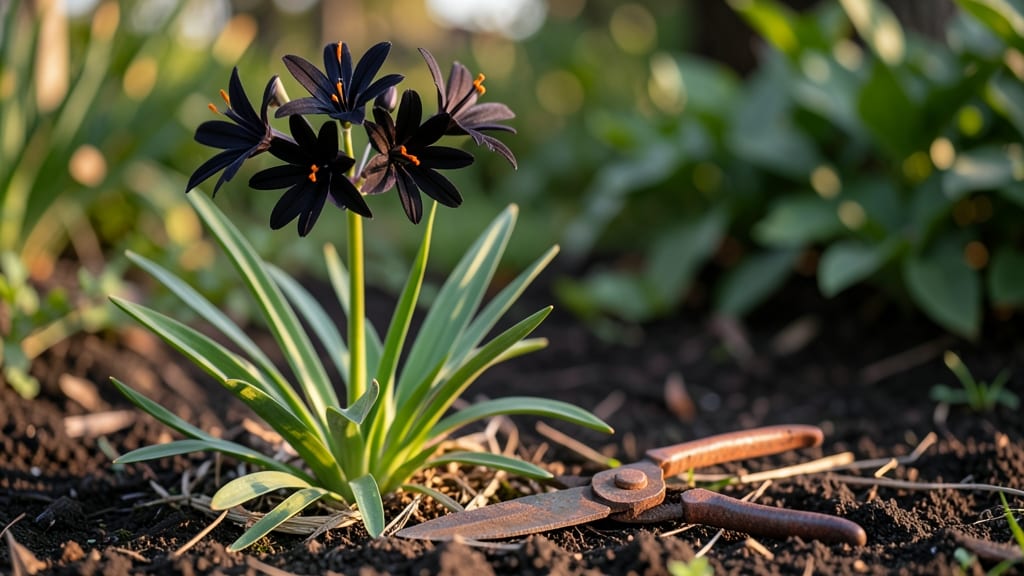
Black plants and flowers don’t just stand out—they make your garden feel like a moody masterpiece. 🌿 I’ll never forget the first time I saw Ophiopogon planiscapus 'Nigrescens' in a friend’s shade garden: its deep black leaves made every other plant look like a pale supporting actor.
The contrast isn’t just striking—it’s transformative, turning ordinary spaces into dramatic focal points.
These plants thrive where others struggle, often in partial shade where silver foliage or bright blooms would fade. Think of them as the dark stars of your garden: Dahlias with velvety black petals, Callas with deep purple-black blooms, or even Ilex 'Black Lace' berries that add winter intrigue.
They’re low-maintenance once established, so you get bold drama without the fuss.
Pair them with chartreuse or silver foliage for maximum impact—your eyes will follow the contrast like a spotlight. A single black-leaved shrub can anchor a border, while clusters of dark flowers create a moody, romantic vibe.
The best part? These plants work in containers too, letting you bring the drama to patios or balconies.
Whether you’re designing a shadow garden or just want to add depth to a sunny border, black plants deliver. They’re the secret weapon for gardeners who love drama but hate high-maintenance plants. Let’s dive into the best picks and how to style them like a pro.
📚 In This Guide
- What you need
- Instructions
- Tips and common mistakes
- Wrapping up and next steps
What you need
- ● Black plants & flowers: Ophiopogon planiscapus 'Nigrescens' (Black Mondo Grass) – 5-10 plants
- ● Heuchera 'Plum Pudding' (Black Coral Bells) – 3-5 plants
- ● Dahlia 'Black Narcissus' – 2-3 tubers
- ● Black Callas (Zantedeschia aethiopica) – 3-4 tubers
- ● Black Lace Elderberry (Sambucus nigra 'Black Lace') – 1-2 shrubs
- ● Black Mondo Grass (Ophiopogon japonicus 'Nigrans') – 5-10 plants
- ● Companion plants (for contrast): Silver foliage (e.g., Lamb’s Ear or Dusty Miller) – 3-5 plants
- ● White or pale blooms (e.g., White Shasta Daisy or Moonflower) – 2-4 plants
- ● Chartreuse or golden foliage (e.g., Golden Hosta or Variegated Fern) – 3 plants
- ● Garden trowel – 1 (stainless steel recommended)
- ● Pruning shears – 1 (sharp, for trimming)
- ● Garden gloves – 1 pair (for protection)
- ● Compost or slow-release fertilizer – 5-10 lbs (organic preferred)
- ● Mulch (dark brown or black) – 2-3 bags (for moisture retention)
- ● Watering can or hose with nozzle – 1 (for gentle watering)
- ○ Soil pH tester (optional) – 1 (to check acidity levels)
- ● Well-draining soil (amend with compost if needed)
- ● Partial to full shade (most black plants thrive in low light)
- ● Consistent moisture (but avoid waterlogging)
- ● Patience! Some plants (like Black Mondo Grass) grow slowly but reward with deep color over time.
Step-by-Step instructions for designing a dramatic black plant garden
Here’s how to create a striking, high-contrast garden using deep blacks—it’s easier than you think.
🌱 Step 1: Choose Your Black Plants and Flowers
Start with plants that naturally produce deep black or near-black foliage and blooms. My go-to picks are Ophiopogon planiscapus ‘Nigrescens’ (black mondo grass), Heuchera ‘Midnight Rose’ (black coral bells), and Dianthus ‘Blackout’ for bold flowers. Pair these with silver or chartreuse foliage—like Lamium maculatum ‘White Nancy’—to make the blacks pop even more.
If you’re working with limited space, focus on 4-6 plants total to avoid overwhelming the design. I like grouping 3 black foliage plants with 1-2 black-flowering varieties for maximum impact. Arrange them in odd-numbered clusters (3, 5, or 7) for natural flow.
🪴 Step 2: Prepare the Planting Area
Black plants thrive in well-draining soil with a slightly acidic to neutral pH (6.0-7.0). Mix 3 gallons of premium potting mix with 1 gallon of perlite to improve aeration—this prevents root rot, which is a common issue with dense foliage. If planting in the ground, amend native soil with 2 gallons of compost per 4 square feet of space.
Dig holes twice as wide as the root ball but only as deep as the container the plant came in. Gently loosen the roots if they’re circling—this encourages outward growth. Place each plant so the top of the root ball sits just below soil level (never deeper). The reason? Black foliage looks best when the plant’s base is flush with the ground, creating a clean, dramatic silhouette.
☀️ Step 3: Position for Light and Contrast
Most black plants need 4-6 hours of morning sun to maintain their deep color—too much afternoon sun can fade them over time. I place mine on the east or north side of the garden where they get gentle light but stay protected from harsh afternoon rays. If your garden is shady, Heuchera and Ophiopogon will still thrive, though their color may soften slightly.
For maximum drama, plant black foliage near silver, white, or bright yellow plants. The contrast makes the blacks appear richer. For example, pairing black mondo grass with silver lamb’s ear (Stachys byzantina) creates a striking visual punch. Step back after planting—you’ll see how the colors interact in natural light.
💧 Step 4: Water and Mulch for Long-Lasting Color
Water deeply once a week (or more in extreme heat) until the top 2 inches of soil feel moist. Black foliage plants often have thick leaves that hold moisture, so they’re drought-tolerant once established—but they need consistent watering to keep their color vibrant. I water in the early morning to reduce evaporation and prevent fungal issues.
Spread 2 gallons of mulch (like shredded bark or black dye-free mulch) over the soil surface to retain moisture and suppress weeds. Keep mulch 2-3 inches away from plant stems to avoid rot. This step is crucial—mulch helps maintain the deep color by keeping roots cool and soil evenly moist.
✂️ Step 5: Prune and Maintain for Year-Round Drama
Trim back leggy growth in early spring to encourage bushier, darker foliage. For flowering plants like Dianthus ‘Blackout’, deadhead spent blooms to redirect energy into new flowers. I use clean, sharp scissors to make cuts just above a leaf node—this prevents disease and keeps the plant looking tidy.
Fertilize lightly in early spring with a balanced, slow-release fertilizer (like 10-10-10) to support healthy growth without overfeeding. Too much nitrogen can make black foliage lose its intensity. Watch for yellowing leaves—this often signals overwatering or nutrient imbalance. Adjust care based on what you see, and your black garden will stay bold all season.
Tips & tricks for stunning black plant gardens
Creating a bold black garden isn't about luck—it's about strategic choices that make the colors pop. Here’s how to take your design from good to show-stopping.
Lighting Secret: The 4-6 hours of morning sun mentioned in Step 3 is non-negotiable for maintaining that deep black color. I’ve seen gardens where plants faded to a dull purple because they got too much afternoon sun—trust me, it’s worth moving that one stubborn plant to the east side if needed. For extra drama, add a few small solar-powered garden lights near your black plants at night—the contrast against dark foliage is absolutely stunning.
Plant Pairing Magic: When arranging your 4-6 plants, think about height and texture as much as color. Place taller plants like Dianthus ‘Blackout’ at the back, medium-height Heuchera in the middle, and low-growing Ophiopogon at the front. The layered effect makes the blacks appear richer and more intentional. I like adding a single silver or chartreuse plant in the center—it acts like a spotlight, drawing the eye to the darkest elements.
Soil Science: The 3:1 ratio of premium potting mix to perlite in Step 2 isn’t just about drainage—it’s about creating the perfect environment for those deep colors to develop. I’ve found that adding a handful of worm castings to that mix gives an extra boost to color intensity. For in-ground planting, test your native soil’s pH first—if it’s too alkaline, the blacks will look muddy instead of dramatic.
Year-Round Maintenance: That early spring pruning in Step 5 is your chance to shape your garden for maximum impact. I like to do a second light pruning in late summer to encourage fresh, dark growth before winter. For flowering varieties, don’t wait until blooms fade to deadhead—cut back spent stems immediately to prevent seed formation, which can drain energy from your plants’ color production.
Pro Tips for Black Plants And Flowers
- Creating a bold black garden isn't about luck—it's about strategic choices that make the colors pop.
- Lighting Secret: The 4-6 hours of morning sun mentioned in Step 3 is non-negotiable for maintaining that deep black color.
- Plant Pairing Magic: When arranging your 4-6 plants, think about height and texture as much as color.
Frequently asked questions
Got questions about adding black plants and flowers to your garden? You’re not alone! Here are some of the most common queries—and their answers—to help you navigate this striking choice with confidence.
Why do some plants and flowers look black but aren’t actually black?
Many "black" plants, like Ophiopogon planiscapus 'Nigrescens' (black mondo grass) or Dianthus 'Black Prince', are actually deep purple, maroon, or velvety blue-black due to how light reflects off their surfaces. True black pigments are rare in nature, but these shades create the same dramatic effect in your garden. Think of them as nature’s darkest hues!
Are black plants and flowers high-maintenance?
Not necessarily! While some, like Calla lilies or Black Baccara roses, thrive in partial shade and moist soil, others (such as Lamium maculatum 'Purple Dragon') are drought-tolerant once established. The key is matching their needs to your climate. Pro tip: Amend soil with compost to improve drainage—black-leaved plants often dislike soggy roots.
What are the best black plants for full-sun gardens?
If your garden basks in sunlight, opt for heat-tolerant varieties like:
- Lantana 'Black Beauty' (drought-resistant blooms)
- Agastache 'Black Adder' (pollinator magnet)
- Canna 'Black Knight' (tropical drama)
- Sedum 'Black Jack' (succulent for ground cover)
When is the best time to plant black foliage or flowers?
For most black plants, spring (after the last frost) or early fall are ideal. This gives roots time to establish before extreme heat or cold. If planting perennials like Heuchera 'Black Scallop', divide clumps in spring or fall for best results. Annuals? Sow seeds indoors 6–8 weeks before your last frost date.
What if my black plants turn brown or crispy?
Brown edges or wilting often signal overwatering, underwatering, or sunburn. Check soil moisture (stick your finger in—top inch should be dry for most black plants). If leaves scorch in full sun, provide afternoon shade. Fungal issues? Ensure good airflow and avoid wetting foliage. Fertilize lightly in spring with a balanced formula to encourage vibrant growth.
How can I style black plants for maximum drama?
Use black foliage as a focal point in containers or borders, or pair it with:
- Bright blooms (e.g., red geraniums or yellow coreopsis)
- Textural contrast (spiky Yucca or fuzzy Lamb’s Ear)
- Light-colored mulch (white gravel or sand to pop the dark tones)
Wrapping up and next steps
Black plants and flowers are more than just a striking design choice—they’re a bold statement that transforms any garden into a dramatic, high-contrast masterpiece. 🌑 From velvety Ophiopogon to deep Queen of Night tulips, these plants add depth, intrigue, and a touch of mystery.
Whether you’re a seasoned gardener or just starting out, embracing these dark beauties is an easy way to elevate your outdoor space with minimal effort.
Ready to dive in? Start small—pick one or two black plants to pair with bright blooms or foliage for instant impact. Your garden’s next star is just a seed (or a click) away! 🌱