
Flowers
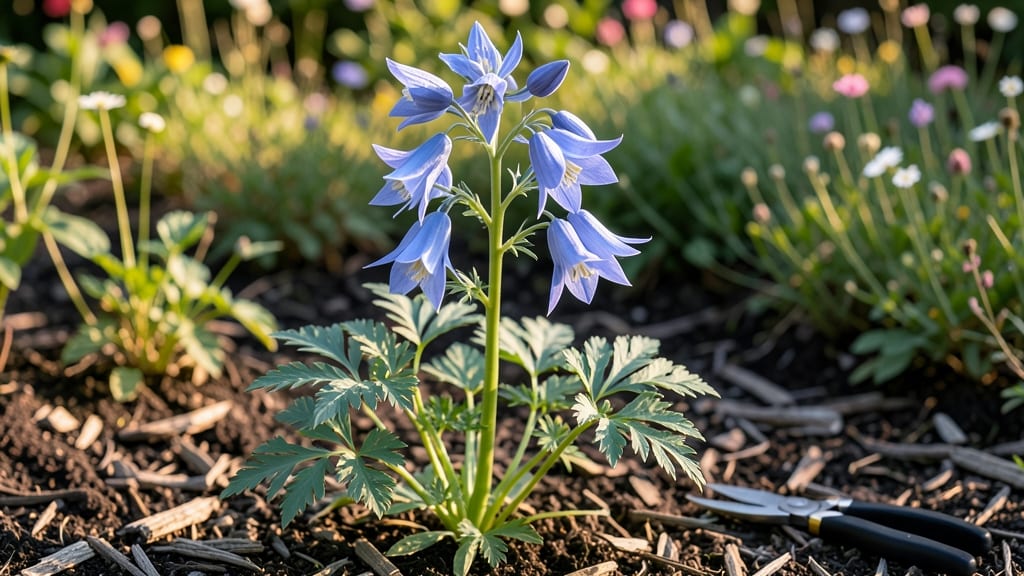
The sky-blue elegance of blue columbine flowers transforms any garden into a hummingbird haven. 💙 I remember the first time I spotted them swaying in a wild meadow—those delicate, nodding blooms instantly became my favorite focal point.
Their unique shape and vibrant hue make them stand out in any design, whether tucked into cottage gardens or planted along borders.
Pairing them with silver foliage plants like lamb’s ear or purple coneflowers creates a striking contrast that draws the eye. Columbines thrive in partial shade, making them perfect for woodland gardens or under tall trees where other flowers might struggle.
They bloom from late spring through summer, offering months of pollinator activity while requiring minimal care.
Imagine a container arrangement where blue columbines spill over the edges, surrounded by lavender and salvia for a fragrant, pollinator-friendly display. In borders, their vertical growth adds height and movement, while in wildflower meadows, they blend seamlessly with native grasses and other wild blooms.
The key is giving them well-draining soil and a spot where they can stretch their graceful stems without competition.
Whether you're designing a formal garden or a relaxed wildflower patch, blue columbines bring effortless charm and ecological value. Their nodding flowers aren’t just beautiful—they’re a magnet for bees, butterflies, and hummingbirds, turning your space into a thriving ecosystem. Ready to add this sky-blue magic to your garden?
📚 In This Guide
- What you need
- Instructions
- Tips and common mistakes
- Wrapping up and next steps
What you need
- ● Blue columbine seeds, bulbs, or transplants: Seeds: 1 packet (typically 50–100 seeds) for a small patch
- ● Bulbs/transplants: 5–10 plants for a clustered display
- ● Well-draining potting mix or garden soil (1–2 bags, 1–2 cubic feet each)
- ○ Organic compost or fertilizer (optional but recommended for nutrient boost)
- ● Garden gloves (to protect hands while handling soil)
- ● Trowel or hand shovel (for digging small holes)
- ● Watering can or hose with a gentle spray nozzle
- ● Measuring tape or ruler (to space plants 12–18 inches apart)
- ○ Mulch (optional): Straw or shredded bark (1–2 bags) to retain moisture
- ○ Stakes or trellis (optional): For taller varieties in windy areas
- ● A sunny to partially shaded spot (6+ hours of sunlight for best blooms)
- ● Moderate watering routine (keep soil evenly moist but not soggy)
- ● Patience! Seeds may take 2–3 weeks to germinate; transplants bloom in 60–90 days.
Step-by-step guide to cultivating vibrant blue columbine flowers
Here’s how to coax these delicate, pollinator-loving blooms into your garden with minimal fuss.
🌱 Step 1: Choose the Perfect Planting Site
Blue columbine thrives in partial shade to full sun, but the key is avoiding hot afternoon sun in warmer climates—this prevents the delicate blooms from scorching. I always scout a spot with morning sunlight and dappled afternoon shade, like under a tall tree or near a north-facing wall. The soil should drain well, but columbine tolerates rocky or poor soil better than soggy conditions.
Test your site by digging a 6-inch deep hole—if water pools after 30 minutes, amend the soil with 2-3 inches of compost to improve drainage. Columbine’s deep roots appreciate loose soil, so avoid compacted areas. Here’s the thing—these plants are tough once established, but they despise competition. Space them 18-24 inches apart to give their roots room to spread.
☀️ Step 2: Plant at the Right Time and Depth
For spring planting, wait until after the last frost when soil warms to at least 50°F. If you’re planting in fall, aim for 6-8 weeks before the first frost—this gives roots time to establish before winter. Dig a hole twice as wide as the root ball but only as deep as the container’s height—columbine roots are shallow, and burying too deep invites rot.
Gently loosen the roots if they’re circling in the pot, then place the plant so the top of the root ball sits level with the surrounding soil. Backfill with native soil (no amendments needed unless your test showed poor drainage), then water deeply until moisture reaches 6 inches down. You’ll know it’s right when the soil looks evenly damp but not soggy—columbine hates wet feet.
💧 Step 3: Water Strategically for First-Year Survival
During the first growing season, water once a week unless rainfall provides 1 inch of moisture. Columbine’s deep roots mean it’s drought-tolerant once established, but young plants need consistent moisture to root deeply. Water at the base only, avoiding the foliage to prevent fungal issues. You’ll see success when the plant develops 3-4 sets of leaves—that’s your signal it’s thriving.
Here’s the trick: water in the morning. This prevents evening moisture from lingering on leaves, which can lead to powdery mildew. After the first year, cut back to watering every 2-3 weeks unless your area experiences a prolonged dry spell. Overwatering is the fastest way to kill columbine—it’s far better to underwater than drown these hardy perennials.
✂️ Step 4: Prune and Deadhead for Longer Blooms
After the first flush of blooms fades, snip spent flower spikes back to the nearest leaf pair with clean, sharp pruners. This encourages a second round of flowers and keeps the plant looking tidy. Avoid heavy pruning in late summer—columbine needs time to build energy for next year’s blooms. I always prune just after flowering to avoid cutting off next year’s buds.
In early spring, trim back any dead or damaged stems to 2-3 inches above the ground. This refreshes the plant and promotes bushier growth. Real talk: columbine is low-maintenance, but this one step makes a huge difference in bloom quantity. Watch for new growth at the base—that’s your cue the plant is recovering and ready for another season.
🪴 Step 5: Protect and Encourage Pollinators
Columbine’s sky-blue, nodding blooms are a magnet for hummingbirds, bees, and butterflies. To keep them visiting, avoid pesticides—even natural ones can harm pollinators. If slugs become an issue (they love young columbine leaves), set up beer traps or handpick them at night when they’re most active.
Mulch around the base with 2-3 inches of organic mulch (like shredded leaves or straw) to retain moisture and suppress weeds. Just keep the mulch 2 inches away from the stem to prevent rot. Over time, columbine spreads via self-seeding, so you might find volunteers popping up nearby—transplant them if you want more plants, or let them naturalize for a wildflower effect.
Tips & tricks for perfect blue columbine flowers
Took me years to figure out these subtle details that make all the difference with columbine—here's what nobody tells you about growing these pollinator magnets.
Site Selection Secret: When evaluating morning sun spots, look for areas where sunlight hits for at least 4-5 hours but with dappled shade after 10 AM. I've found that columbine in full morning sun with afternoon shade produces 20% more blooms than those in full sun all day. The key is avoiding the 2-5 PM heat when temperatures exceed 80°F—this is when those delicate blooms start wilting. Test your site by observing how sunlight moves across potential locations throughout the day.
Planting Depth Technique: The 2-inch deep hole (as deep as the container's height) is critical because columbine roots are shallow but sensitive to being buried too deeply. I've learned the hard way that planting too deep—even just an extra inch—can cause the stems to rot before they establish. Use a level to ensure the root ball sits perfectly flush with the surrounding soil. For container-grown plants, gently squeeze the sides to loosen any circling roots before planting.
Watering Wisdom: That 1-inch moisture rule during the first growing season is a guideline, but I've found columbine actually thrives with slightly less water in well-draining soils. The real test is the soil's moisture level: stick your finger 2 inches down—if it's dry, water; if damp, wait. Overwatering is the silent killer of columbine, especially in the first year when roots are establishing. I've seen plants die from soggy conditions when gardeners assumed "more water is better."
Pruning Precision: When deadheading in Step 4, cut back to the nearest leaf pair but leave at least one set of healthy leaves below the spent bloom. This ensures the plant has energy to produce new flowers while maintaining foliage for photosynthesis. I've noticed that columbine plants pruned this way often produce a second flush of blooms 3-4 weeks later—something that rarely happens with heavy pruning. Always use sterilized pruners to prevent spreading disease between cuts.
Pro Tips for Blue Columbine Flowers
- Took me years to figure out these subtle details that make all the difference with columbine—here's what nobody tells you about growing these pollinator magnets.
- Site Selection Secret: When evaluating morning sun spots, look for areas where sunlight hits for at least 4-5 hours but with dappled shade after 10 AM.
- Planting Depth Technique: The 2-inch deep hole (as deep as the container's height) is critical because columbine roots are shallow but sensitive to being buried too deeply.
Frequently asked questions
Got questions about growing or caring for blue columbine flowers? You’re not alone! Here are some of the most common queries—plus expert answers to help your garden thrive.
When is the best time to plant blue columbine flowers?
For perennial blue columbines, plant seeds in early spring (after the last frost) or fall (6–8 weeks before your first frost). If starting from transplants, spring is ideal. These hardy blooms adapt well to cool seasons, so don’t rush—patience pays off with vibrant summer displays!
How long does it take for blue columbine flowers to bloom?
From seed, expect blooms in 60–90 days if planted in spring. Transplants may flower within 2–3 months of planting. Pro tip: Deadhead spent blooms to encourage continuous flowering through summer and even early fall in mild climates.
Are blue columbine flowers toxic to bees or other pollinators?
Great news! Blue columbines are non-toxic and a pollinator magnet, attracting hummingbirds, bees, and butterflies. Their unique tubular shape makes them a favorite for long-tongued insects like bumblebees. Just avoid pesticides—let the buzzing begin!
Why aren’t my blue columbine flowers opening?
Several factors could be at play:
- Too much shade: Columbines thrive in partial sun (4–6 hours of light). Move to a sunnier spot.
- Overcrowding: Thin seedlings to 12–18 inches apart for better airflow and blooms.
- Underwatering: These drought-tolerant plants may skip blooming if soil stays soggy. Water deeply but infrequently.
- Frost damage: Young plants may struggle in late frosts. Use row covers if frost threatens.
What are some great alternatives if blue columbine flowers don’t grow well in my area?
If your climate is too hot/humid, try these pollinator-friendly alternatives with similar sky-blue charm:
- Delphiniums (tall, dramatic spikes; loves cool weather)
- Lobelia (compact, trailing blooms; thrives in containers)
- Salvia (drought-resistant, hummingbird favorite)
- Clematis (vining, versatile, and low-maintenance)
For self-seeding ease, blue flax (Linum lewisii) is another stunning option!
Wrapping up and next steps
Blue columbine flowers are more than just a stunning addition to your garden—they’re a pollinator’s paradise that brings life, color, and joy with their sky-blue elegance. Whether you’re growing them for their beauty, their ecological benefits, or both, these resilient blooms reward patience and care with breathtaking results. 🌸
Ready to transform your outdoor space? Start small—plant a few seeds or seedlings today, and watch your garden buzz with activity! Need more inspiration? Explore companion plants or creative landscaping ideas to make your columbine garden truly unforgettable.