
Flowers
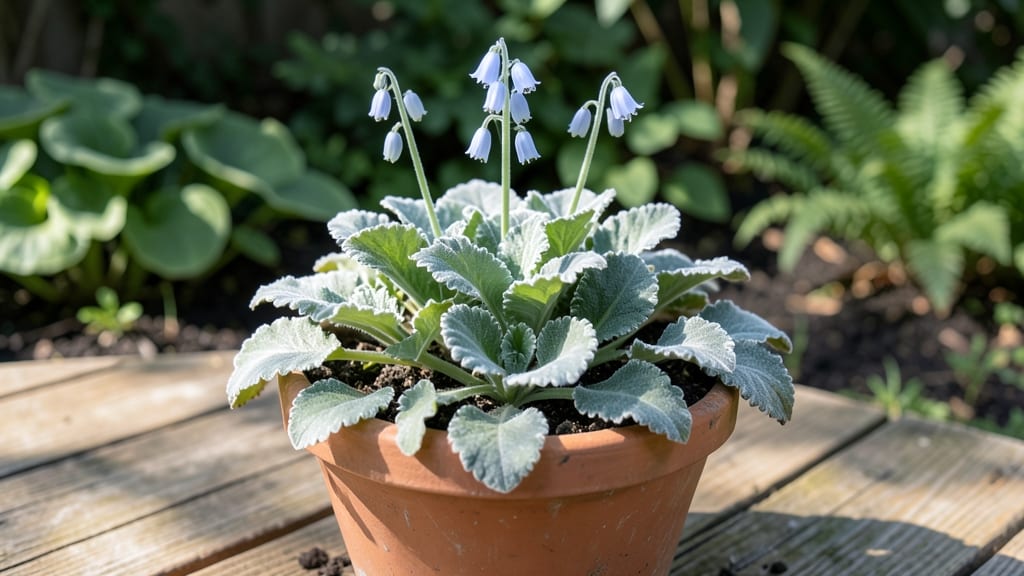
Growing the brunnera blue flower—that dreamy shade-lover with heart-shaped silver leaves and delicate blue blooms—is like having a little piece of a woodland garden in your yard.
I still remember the first time I saw one in a nursery, and how those silvery leaves caught the light like a secret message from spring. This plant thrives where others struggle, making it the perfect choice for shady spots that feel forgotten.
You’ll need well-draining soil that stays consistently moist but not soggy—think of it like a damp forest floor. Partial to full shade is ideal, so it’s perfect for under trees or along north-facing walls.
Plant in early spring or fall, spacing them about 18-24 inches apart to give their foliage room to spread. The key to those stunning blue flowers? A little patience and the right balance of nutrients—more on that later.
Once established, brunnera is low-maintenance but rewards attention. Water deeply when the top inch of soil feels dry, and you’ll see those silvery leaves stay vibrant all season. In late winter or early spring, trim back any dead growth to make way for fresh new foliage.
The blue blooms arrive in late spring, and if you deadhead them, you’ll encourage even more flowers the following year.
Pair it with hostas, ferns, or astilbes for a lush, textured shade garden that feels alive even on cloudy days. It’s cold-hardy down to zone 3, so it’s a reliable performer in gardens across the country.
Whether you’re filling a shady corner or adding contrast to a mixed border, this plant delivers beauty with almost no fuss.
📚 In This Guide
- What you need
- Instructions
- Tips and common mistakes
- Wrapping up and next steps
What you need
- ● Brunnera macrophylla plants: 1–3 nursery-grown plants (mature size: 12–18" tall, 18–24" wide)
- ● OR seeds (if starting from scratch—germination can be slow!)
- ● Soil: 1 bag (50 lbs) of well-draining potting mix or garden soil amended with:
- ● 1 part compost (for nutrients)
- ● 1 part perlite or coarse sand (for aeration)
- ○ Containers (optional for pots): 1–3 12–14" diameter containers with drainage holes
- ● Garden tools: 1 hand trowel (for transplanting)
- ● 1 pruning shears (for deadheading or shaping)
- ● 1 garden fork or spade (for digging)
- ○ Optional (but helpful!): 1 mulch (2–3 inches of shredded bark or straw)
- ● 1 slow-release fertilizer (10-10-10 or organic option)
- ● 1 watering can or hose with gentle spray nozzle
- ● Location: Partial shade (3–6 hours of morning sun; protects foliage from scorching)
- ● Well-draining soil (avoid waterlogged areas!)
Step-by-Step guide to planting and caring for brunnera
Here's how to cultivate this showstopping shade perennial with minimal fuss.
🌱 Step 1: Choose the Right Planting Location
Brunnera thrives in partial to full shade, making it perfect for under trees or north-facing garden beds. Select a spot with morning sun and afternoon shade—this protects the delicate foliage from harsh afternoon rays while still giving it enough light to develop those signature silver leaves. The soil should drain well but retain moisture, so avoid heavy clay unless amended with organic matter.
Test the site by pressing your finger 1 inch into the soil—it should feel slightly damp but not soggy. If your soil drains too quickly, mix in 2 inches of compost before planting. Brunnera's roots spread gradually, so give each plant 18-24 inches of space to prevent overcrowding later. I always mark the area with stakes to visualize spacing before digging.
🪴 Step 2: Prepare the Soil and Plant
Dig a hole twice as wide as the plant's root ball but only as deep—planting too deep can suffocate the crown. Loosen the sides of the hole with a fork to encourage root spread. Amend the native soil with 1 part compost to 2 parts garden soil to improve fertility and drainage. This ensures the plant gets the nutrients it needs without becoming waterlogged.
Gently remove the brunnera from its container and tease apart any circling roots. Place it in the hole so the top of the root ball sits level with the surrounding soil—burying the crown too deep invites rot. Backfill with the amended soil, pressing lightly to eliminate air pockets. Water deeply to settle the soil and encourage root contact.
☀️ Step 3: Water and Mulch for Establishment
After planting, water 1 inch per week—more if your area experiences hot, dry spells. Brunnera's roots are shallow, so consistent moisture is key, especially during the first growing season. Water at the base rather than overhead to prevent fungal diseases. You'll know it's getting enough water when the soil feels damp 1 inch below the surface but not saturated.
Spread 2-3 inches of mulch (like shredded bark or pine needles) over the soil surface, keeping it 6 inches away from the stem to prevent rot. This conserves moisture, regulates soil temperature, and suppresses weeds. Replenish the mulch annually as it breaks down. Avoid thick layers, which can smother the plant and trap too much moisture.
🌿 Step 4: Maintain Through the Growing Season
Brunnera is low-maintenance once established, but a little care keeps it looking its best. Fertilize lightly in early spring with a balanced 10-10-10 formula—too much nitrogen promotes leaf growth at the expense of those prized blue flowers. I use about 1 tablespoon per plant, working it into the top inch of soil. Avoid fertilizing in fall, as new growth won’t harden off before winter.
Deadhead spent flower stalks in late spring to encourage a second flush of blooms and tidy up the plant. Cut back any yellowed or damaged leaves in early spring before new growth emerges. Brunnera spreads slowly via underground runners, so divide clumps every 3-4 years in early spring to prevent overcrowding. Dig up the plant, separate the sections with a sharp knife, and replant the healthiest divisions.
⏰ Step 5: Prepare for Winter and Encourage New Growth
Brunnera is cold-hardy down to USDA Zone 3, but a little winter prep ensures it returns strong. In late fall, trim back any remaining foliage to 2 inches above the ground—this prevents disease and makes it easier to spot new growth in spring. The silver foliage often lingers through winter, adding texture to the garden even when bare branches dominate.
In early spring, as soon as you see new shoots, remove the old mulch and replace it with fresh material. This signals the plant to focus on above-ground growth rather than root development. Brunnera’s foliage emerges slowly, so be patient—it may take 3-4 weeks for the leaves to fully unfurl. Once established, it’s nearly indestructible, handling everything from deer browsing to urban pollution with grace.
Tips & tricks for perfect brunnera blue flower planting
Here's what I've learned from years of growing these stunning shade plants—avoid these common pitfalls for the healthiest brunnera.
Location Secret: While brunnera thrives in shade, don't plant it in complete darkness. The morning sun in Step 1 is crucial for developing that signature silver foliage. I've seen plants in deep shade turn dull green—those delicate leaves need at least 2-3 hours of morning light daily to maintain their stunning metallic sheen. If your garden only offers deep shade, consider placing brunnera near a north-facing window or under trees with high canopies that filter sunlight.
Soil Preparation Tip: When amending soil in Step 2, don't just add compost—mix in some coarse sand or perlite if your native soil is heavy clay. This improves drainage while maintaining moisture retention, which brunnera's shallow roots need. I've found that adding 1 part coarse sand to the 1:2 compost-to-soil ratio prevents waterlogging that can cause root rot. The goal is soil that feels like a well-wrung sponge—damp but not soggy.
Watering Wisdom: The 1 inch per week guideline in Step 3 is perfect, but timing matters just as much. Water brunnera in the morning so the leaves have all day to dry before evening. This prevents fungal diseases that can turn those beautiful silver leaves yellow. I've seen many gardeners struggle with leaf spot issues because they watered in the evening—trust me, your brunnera will thank you for this simple habit change.
Mulching Makeover: While 2-3 inches of mulch is ideal in Step 3, consider using a lighter mulch like straw or leaf mold instead of heavy bark. These materials break down more slowly and won't smother the plant as bark can. I've also found that mulching in concentric circles around each plant helps direct water straight to the roots rather than spreading it across the entire bed. This creates a microclimate that keeps the soil consistently moist without creating soggy conditions.
Pro Tips for Brunnera Blue Flower
- Here's what I've learned from years of growing these stunning shade plants—avoid these common pitfalls for the healthiest brunnera.
- Location Secret: While brunnera thrives in shade, don't plant it in complete darkness.
- Soil Preparation Tip: When amending soil in Step 2, don't just add compost—mix in some coarse sand or perlite if your native soil is heavy clay.
Frequently asked questions
Got questions about growing and caring for Brunnera macrophylla with its stunning blue flowers?
Here are some of the most common queries gardeners have—plus straightforward answers to help you nurture this cold-hardy beauty like a pro.
What’s the best time to plant Brunnera blue flowers?
Plant Brunnera macrophylla in early spring or fall when soil temperatures are cool (50–65°F). Avoid extreme heat or frost, as roots need time to establish. For container gardening, spring planting works best—just ensure pots have drainage holes to prevent root rot.
How cold-hardy is Brunnera, and can it survive winter?
This perennial thrives in USDA Zones 3–8 and handles winter well with mulch protection (2–3 inches of shredded leaves or straw). In harsh winters (Zone 3), add a light frost blanket over the crown. Brunnera’s silver foliage often stays evergreen in mild climates!
How often should I water Brunnera blue flowers?
Water deeply but infrequently—about once a week in dry spells (adjust for clay vs. sandy soil). Let the top 1–2 inches dry out between waterings. Overwatering causes yellow leaves or fungal issues. Mulch (2–3 inches) retains moisture and regulates soil temp.
Why aren’t my Brunnera flowers blooming?
Blue flowers may skip blooming due to over-fertilizing (too much nitrogen = leafy growth, no flowers), poor sunlight (partial shade is ideal; full shade reduces blooms), or age (young plants may take 2–3 years to flower). Try pruning spent blooms to encourage reblooming!
What plants pair well with Brunnera for shade gardens?
Combine Brunnera with:
- Hostas (for texture and height contrast)
- Astilbe (feathery plumes add movement)
- Hellebores (early spring blooms)
- Ferns (e.g., Matteuccia struthiopteris)
How do I troubleshoot yellowing leaves?
Yellow leaves often signal overwatering (check soil moisture), nutrient deficiency (feed with balanced fertilizer in spring), or pests (inspect for slugs or aphids). If leaves curl and yellow, it could be powdery mildew—improve airflow and apply neem oil if needed.
Wrapping up and next steps
Growing Brunnera macrophylla—with its stunning blue flowers and silvery foliage—is a rewarding way to add year-round beauty to your garden. Whether you're drawn to its cold-hardy resilience or its easy-care charm, this perennial delivers effortless elegance.
Ready to transform your space? Start by selecting the perfect spot, gather your supplies, and plant with confidence—your garden will thank you!
- 🌱 Pro Tip: Share your progress with fellow gardeners or tag us—we love seeing your Brunnera blooms in action!