
Flowers
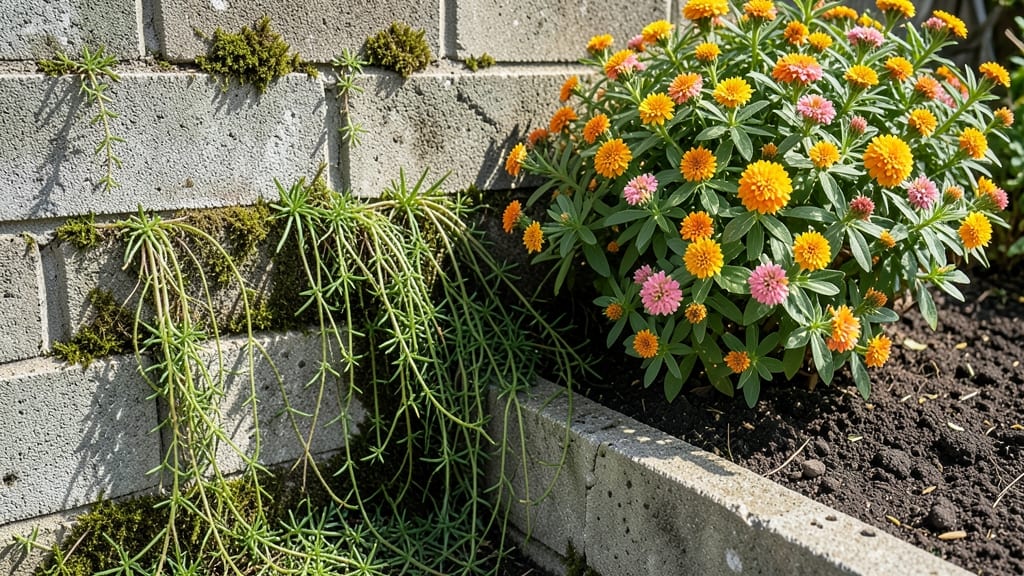
Building a concrete block flower wall turns blank walls into lush, modern living art—something I learned the hard way after my first attempt with flimsy wooden slats collapsed under the weight of vines.
The blocks provide structure, drainage, and a sleek foundation that elevates any garden space, whether you're working with a city balcony or a backyard nook.
You’ll need basic masonry skills (or a willing contractor), concrete blocks, landscape fabric, drainage pipes, and plants that thrive in vertical spaces—think trailing ferns, creeping thyme, or cascading petunias.
The setup takes a weekend, and the payoff? A year-round green backdrop that blooms from spring through fall with minimal upkeep. Even my black thumb kept this one alive.
Picture morning sunlight catching dew on delicate foliage while your neighbors stare in envy—because this isn’t just a wall, it’s a living room upgrade. The blocks create pockets for roots, so you can mix perennials for structure with annuals for color bursts.
Lightweight soils and drip irrigation keep maintenance simple, and the design adapts to any style, from minimalist to wildflower maximalism.
Here’s the kicker: you can start small with a single section or go full-on feature wall. The key is spacing blocks to avoid waterlogging and choosing plants that complement each other’s growth habits. Ready to turn that empty space into a vertical masterpiece? Let’s get those blocks stacked.
📚 In This Guide
- What you need
- Instructions
- Tips and common mistakes
- Wrapping up and next steps
What you need
- ● Concrete blocks: 10–20 blocks (depending on wall size; standard 8" x 8" x 16" blocks work well). Opt for hollow-core blocks for easier planting.
- ● Concrete mix: Pre-mixed bagged concrete (e.g., Quikrete) or fast-setting grout for securing blocks.
- ● Drainage solution: Perforated drain pipe (½" diameter, cut to fit wall height).
- ● Landscape fabric (to wrap around pipes and block roots).
- ● Growing medium: Potting soil (lightweight, well-draining mix).
- ● Organic compost or coconut coir (for nutrient boost).
- ● Plants: Choose succulents, ferns, or trailing flowers (e.g., ivy, petunias, or sedum). Plan for 1–2 plants per block.
- ● Waterproofing: Waterproof membrane (e.g., Tyvek Housewrap) to protect walls from moisture.
- ● Wheelbarrow or bucket (for mixing concrete).
- ● Trowel or masonry trowel (for spreading concrete).
- ● Level (to ensure blocks are straight).
- ● Drill with masonry bit (for creating drainage holes in blocks).
- ● Safety gear: Gloves, goggles, and dust mask.
- ○ Optional (but helpful!): Stakes and string (for marking layout).
- ● Spray bottle (for misting plants during installation).
- ● Decorative elements (e.g., pebbles, mosaic tiles, or metal accents).
- ● Sturdy wall or freestanding frame (ensure it can support the weight of blocks + soil).
- ● Access to water (for mixing concrete and watering plants).
- ● Sunlight analysis: Most plants need 4–6 hours of sunlight daily—choose a spot accordingly!
- ● Weather check: Aim for a dry, mild day (avoid extreme heat or rain).
Step-by-Step instructions for building a modern vertical concrete block flower wall
Here's how to create a sleek, functional vertical garden that transforms any space into a lush, year-round display.
🪴 Step 1: Plan and Prepare the Foundation
Start by selecting a location that receives at least 6 hours of sunlight daily—this ensures your plants thrive year-round. Concrete blocks need a sturdy base, so lay down a 2-inch layer of compacted gravel along the back wall where your structure will sit. This prevents shifting and provides drainage. Measure your space and determine how many blocks you'll need for a 4-foot-tall by 8-foot-long wall (standard dimensions for a single-serving vertical garden).
For a modern look, use cinder blocks or interlocking concrete pavers that can be stacked without mortar. The key here is stability: your wall must support both its own weight and the weight of soil and plants. If building against a wall, use L-brackets or heavy-duty screws to secure the bottom row. I always sketch a quick layout first—this helps visualize how plants will cascade and fill the gaps between blocks.
🌱 Step 2: Assemble the Block Structure
Begin by placing the first row of blocks directly on the gravel base, ensuring they're level. Use a rubber mallet to tap them into place if needed—this prevents wobbling. For a clean, modern aesthetic, stagger the blocks in a running bond pattern (like brickwork) rather than stacking them straight. This adds visual interest while maintaining structural integrity.
Fill the cavities between blocks with landscape fabric to prevent soil from spilling through gaps. This is critical for maintaining moisture and keeping roots contained. As you stack each row, leave 4-inch gaps between blocks horizontally—these will become your planting pockets. For a 4-foot-tall wall, you'll need 4 rows of blocks, with each row offset slightly from the one below. Use a level to check alignment after every other row to avoid a leaning tower.
💧 Step 3: Install Irrigation and Soil
Before adding soil, install a drip irrigation system along the back of the wall. Run ¼-inch tubing horizontally behind each row of blocks, spacing emitters 12 inches apart to ensure even water distribution. Connect the tubing to a timer for automated care—this is the secret to a low-maintenance vertical garden. For a 4-foot section, you'll need about 10 feet of tubing and 8 emitters. Bury the tubing slightly in the soil to protect it from sunlight and keep it hidden.
Fill each planting pocket with a lightweight, well-draining potting mix (avoid garden soil—it compacts and suffocates roots). I blend equal parts potting mix and perlite for extra aeration. Fill pockets to 2 inches below the top edge of each block to allow for watering without spillage. Press the soil gently but don't compact it—roots need air as much as they need soil. Leave a ½-inch gap at the top of each pocket for mulch, which will help retain moisture.
☀️ Step 4: Select and Plant Drought-Tolerant, Trailing Plants
For a modern look, choose plants with varied textures and colors that cascade elegantly. Succulents like sedum or echeveria thrive in tight spaces and require minimal water. Pair them with trailing ferns or creeping thyme for contrast. Avoid heavy foliage—plants like ivy can overwhelm the structure. I like to plant 3-4 small plants per pocket to create a full, lush appearance without overcrowding.
Dig a 1-inch-deep hole in each pocket, place the plant, and backfill with soil, pressing gently to eliminate air pockets. Water immediately after planting to settle the roots. Space plants so their canopies touch as they grow—this creates a seamless, unified look. For a 4-foot section, you'll need about 20-24 plants to achieve full coverage. Mulch the surface with ½ inch of shredded bark to conserve moisture and suppress weeds.
✂️ Step 5: Maintain and Prune for Long-Term Growth
Water your wall 2-3 times per week during the first month to help roots establish, then taper to once weekly once plants are mature. The drip system ensures even distribution, but always check the soil—if it feels dry 1 inch below the surface, it's time to water. Fertilize lightly every 4-6 weeks with a balanced, water-soluble fertilizer (10-10-10) during the growing season. Over-fertilizing can burn roots in confined spaces.
Prune regularly to encourage bushier growth and maintain the wall's modern aesthetic. Trim back leggy stems to 2 inches above a leaf node to promote branching. Remove spent blooms immediately—this redirects energy to new growth and keeps the wall looking tidy. In late fall, cut back one-third of the foliage to prepare for winter dormancy. This simple step ensures your wall stays vibrant year-round with minimal effort.
Tips & tricks for perfect concrete block flower wall
Building a concrete block flower wall is all about precision and planning—here's how to elevate your design while avoiding common pitfalls.
Stability is Everything: When securing your bottom row against a wall, use L-brackets at each corner and reinforce with heavy-duty screws spaced every 12 inches along the length. I learned this the hard way after watching a wall lean slightly—this simple reinforcement prevents any shifting over time. For freestanding walls, bury the bottom row 2 inches into the ground to anchor the structure, especially in windy areas.
Planting Pocket Precision: The 4-inch gaps between blocks in Step 2 are your most valuable real estate—don't skimp on space. For a 4-foot section, use 3-inch diameter plants to maximize coverage without overcrowding. I've found that spacing plants 2 inches apart within each pocket creates a denser, more professional look while allowing roots to establish properly. This technique also prevents water from pooling between plants.
Irrigation Insight: When installing your ¼-inch tubing in Step 3, place emitters 1 inch above the soil line rather than burying them completely. This ensures water reaches the roots directly while preventing clogs from soil buildup. For a 4-foot section, I recommend adding 2 extra emitters at the corners to compensate for potential uneven water distribution. The timer should run for 10-15 minutes per cycle—longer runs can lead to runoff.
Winterization Strategy: Before the first frost, remove one-third of the foliage as instructed in Step 5, but take it further by wrapping the entire wall in burlap during extreme cold snaps. This protects tender plants while allowing sunlight to penetrate. I also recommend adding 2 inches of straw mulch on top of the existing ½-inch bark mulch—this extra insulation prevents soil temperature fluctuations that can stress roots during winter.
Pro Tips for Concrete Block Flower Wall
- Building a concrete block flower wall is all about precision and planning—here's how to elevate your design while avoiding common pitfalls.
- Stability is Everything: When securing your bottom row against a wall, use L-brackets at each corner and reinforce with heavy-duty screws spaced every 12 inches along the length.
- Planting Pocket Precision: The 4-inch gaps between blocks in Step 2 are your most valuable real estate—don't skimp on space.
Frequently asked questions
Got questions about creating your own concrete block flower wall? You’re not alone—this project is packed with possibilities, but it’s smart to plan ahead. Here are answers to the most common queries to help you build with confidence!
Can I build a concrete block flower wall without mortar?
Yes! You can stack blocks dry (like a stack bond pattern) for a simpler, reversible design. However, mortar ensures long-term stability and prevents shifting. For taller walls (over 3 feet), mortar is recommended to avoid safety risks. If you skip it, use landscape fabric between layers to deter weeds and pests.
How long does it take to complete a concrete block flower wall?
Timing depends on size and skill level. A small wall (3–4 feet wide) can take 4–8 hours for assembly, plus drying time for mortar (24–48 hours). Planting and soil prep add another 1–2 hours. For larger projects, budget a full weekend. Pro tip: Pre-cut blocks and tools to save time!
What’s a budget-friendly alternative to concrete blocks?
Consider recycled bricks, cinder blocks, or even stacked logs for a rustic look. Retaining wall blocks (like Allcrete or Keystone) are affordable and designed for vertical gardens. For ultra-low-cost options, repurpose pallets or wooden crates—just ensure they’re treated for weather resistance.
How do I keep plants alive in a concrete block wall?
Drainage and soil quality are key! Use a lightweight potting mix (add perlite or vermiculite) to prevent root rot. Water deeply but infrequently—concrete blocks dry out fast. Troubleshooting: If leaves yellow, check for overwatering; brown edges? It’s likely underwatering. Mulch the top layer to retain moisture.
What’s the best way to fix a cracked or uneven block?
For minor cracks, use concrete patch compound or hydraulic cement for a quick fix. If blocks are misaligned, gently tap them into place with a rubber mallet. For severe damage, remove the block, re-level the base, and reinsert with fresh mortar. Prevention tip: Use a level every 2–3 rows to avoid unevenness!
Can I plant winter-hardy flowers in a concrete block wall?
Opt for perennials like lavender, sedum, or ornamental grasses—they thrive in confined spaces and tolerate temperature swings. For extra insulation, add a 1-inch layer of straw mulch in winter. Avoid heavy annuals (like petunias) unless your climate is mild.
Wrapping up and next steps
Building a concrete block flower wall is a fantastic way to add year-round greenery and modern charm to your outdoor space—without breaking the sweat! Whether you’re a DIY beginner or a seasoned gardener, this project transforms plain walls into a vibrant, low-maintenance masterpiece. 🌿✨
Ready to take the next step? Start small with a single block section, or go bold with a full wall—your garden deserves it! Grab your tools, pick your plants, and let your creativity bloom!