
Flowers
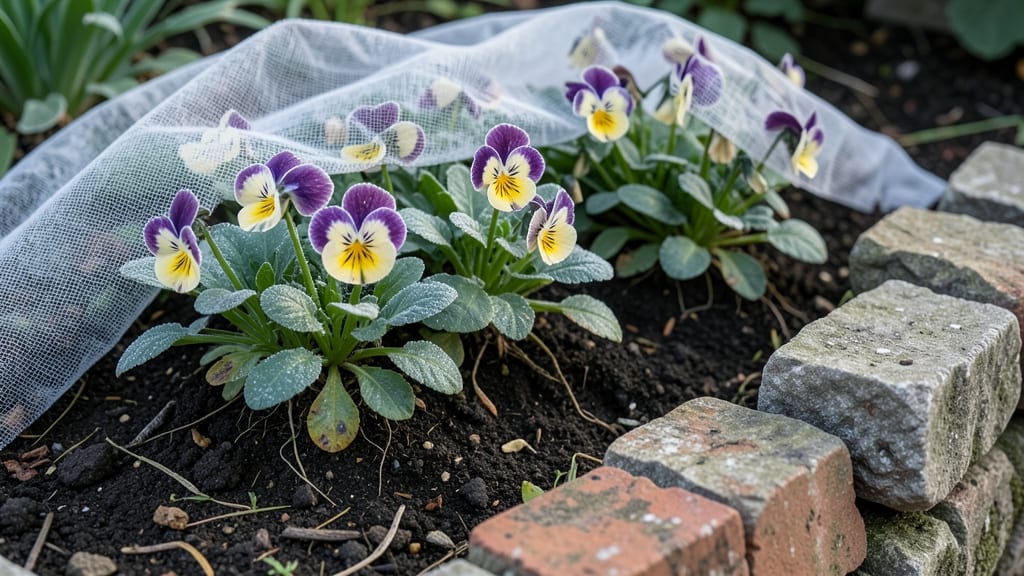
Covering flowers for frost isn’t just about saving your plants—it’s about preserving next year’s blooms before they even appear. 🌸 I learned this the hard way when my prize-winning dahlias turned to mush overnight, but now I’ve got a foolproof system that works for everything from tender annuals to hardy perennials.
The trick is timing and the right materials: lightweight frost cloth breathes better than blankets, and you’ll want to cover plants just as temperatures dip to 32°F—not when frost is already forming.
Most garden centers sell frost cloth by the yard, but old bedsheets in a pinch work too, as long as you secure them tightly to avoid wind damage.
What you’ll end up with are plants that bounce back stronger after frost, with fewer damaged stems and more energy stored for spring growth. My roses now push out new buds by early May instead of June, and the difference in bloom quantity is shocking.
The best part? You can reuse the same covers year after year.
Works for climates from Zone 5 to Zone 9, though southern gardeners might only need protection for late-season blooms. Here’s how to do it without turning your garden into a tent city—just a few simple steps that make all the difference.
📚 In This Guide
- What you need
- Instructions
- Tips and common mistakes
- Wrapping up and next steps
What you need
- ● Frost cloth or row covers: Choose breathable fabric (30–50% shade cloth works best). You’ll need enough to cover each plant with a 1–2 foot overlap on all sides.
- ● Burlap sacks or old blankets: A budget-friendly alternative (ensure they’re clean and dry). Use 1–2 per plant, depending on size.
- ● Stakes or hoops: Metal, wooden, or PVC pipes (6–12 inches tall) to create a support frame for frost cloth. Aim for 1–2 stakes per plant.
- ● Clips or weights: Plastic clips, rocks, or bricks to secure the cover without crushing stems. Avoid heavy objects that could damage foliage.
- ● Watering can or hose: For a light mist before covering (helps insulate). Use ½ gallon per plant max.
- ● Plastic milk jugs or bottles: Cut the bottom off and place over small plants (like seedlings) for a mini greenhouse effect. Use 1 per plant.
- ● Straw or mulch: Spread a 1–2 inch layer around the base of plants to add extra insulation.
- ○ Thermometer (optional): A soil or air thermometer to monitor temps—aim to keep plants above 28°F (-2°C).
- ● Twine or zip ties: For quick securement of frost cloth to stakes.
Step-by-Step instructions for protecting flowers in cold weather
Here's how to shield your blooms without stressing—just three simple moves.
🌱 Step 1: Choose the Right Covering Material
Start with lightweight, breathable fabric like frost cloth or old bedsheets. Heavy plastic traps moisture and smothers plants—you want airflow but insulation. I like to use 30-50% shade cloth for delicate blooms since it blocks wind while allowing some light. Avoid anything that touches the leaves directly; even a light frost can damage petals if they're damp.
If you're using sheets, opt for cotton or flannel—they trap more air than polyester. Cut the fabric to fit your garden bed snugly, leaving enough to tuck into the soil around the edges. This prevents wind from lifting the cover and exposing tender stems. Real talk: I once used a plastic tarp and woke up to soggy, rotting petals the next morning.
☀️ Step 2: Time Your Covering for Maximum Protection
Cover your flowers in the late afternoon before temperatures drop below 32°F. This gives plants time to adjust to cooler evening air without sudden shock. I set a reminder on my phone for 4 PM—just before sunset—because that's when temps usually start plummeting fastest. Check your local forecast for exact timing; some nights drop faster than others.
Remove covers the next morning once the sun warms the air to 40°F or above. Lifting them too early can trap cold air and actually lower temperatures near the ground. You'll know it's safe when you see dew evaporating from the fabric or hear birds chirping actively. Never leave covers on past mid-morning—they'll block sunlight and stress your plants.
🪴 Step 3: Secure and Adjust for Wind and Temperature
Use bricks, stakes, or even small garden rocks to weigh down the corners of your covering. A gust of wind can rip fabric right off, leaving your flowers vulnerable. I like to create a tent shape with stakes at each corner—this lifts the cover slightly above the plants while keeping it stable. For small pots, I drape the fabric loosely and secure it with clothespins to avoid crushing stems.
If you're expecting a hard freeze (28°F or lower), add an extra layer of insulation. I keep old towels or bubble wrap handy to place directly over the soil before adding the main cover. This creates a tiny air pocket that buffers against extreme cold. Check your covers every few hours during overnight freezes—if they feel damp inside, lift them briefly to let moisture escape.
Tips & tricks for protecting flowers in cold weather
Keeping your garden blooms safe during frost doesn't have to be complicated—just a few smart tricks make all the difference.
Fabric Selection Matters: The breathability of your covering is everything. Cotton or flannel sheets work better than polyester because they allow moisture to escape while still trapping warmth. If you're using frost cloth, opt for the 30-50% shade cloth mentioned in Step 1—it blocks wind without suffocating your plants. I've seen plastic tarps cause more damage than good, especially when condensation builds up overnight.
Timing is Everything: That 4 PM reminder isn't arbitrary—it gives your plants time to adjust to cooler evening air. If you cover too early, you might trap heat that could actually stress the plants. For the 40°F removal time in Step 2, look for dew evaporation as your cue. I've learned the hard way that leaving covers on too long can bake plants in trapped heat once the sun rises.
Windproofing Without Sacrificing Airflow: The stakes and bricks in Step 3 aren't just for show—they create that crucial air pocket between the cover and plants. For small pots, clothespins are my go-to because they're gentle on stems. I once had a windstorm rip a cover right off, exposing all my pansies to a hard freeze—needless to say, I've become a stake fanatic since then.
Hard Freeze Hack: When temperatures drop below 28°F, that extra layer of insulation (like towels or bubble wrap) can mean the difference between survival and damage. I keep a stash of old towels specifically for this purpose—they're lightweight but add significant insulation. The key is to check periodically for dampness; trapped moisture is worse than cold for most plants.
Pro Tips for Cover Flowers For Frost
- Keeping your garden blooms safe during frost doesn't have to be complicated—just a few smart tricks make all the difference.
- Fabric Selection Matters: The breathability of your covering is everything.
- Timing is Everything: That 4 PM reminder isn't arbitrary—it gives your plants time to adjust to cooler evening air.
Frequently asked questions
Got questions about protecting your plants from frost? You’re not alone! Here are some of the most common concerns—and straightforward answers—to help you keep your flowers thriving even when temperatures drop.
What’s the best material to cover flowers for frost?
Use lightweight, breathable materials like frost cloth (rated for 25–32°F) or old bedsheets to allow airflow while trapping heat. Avoid plastic—it can trap moisture and harm plants. For delicate blooms, opt for burlap or cardboard boxes (with ventilation holes) for extra insulation.
When should I cover my flowers for frost?
Act before temperatures drop below 32°F (0°C). Check your local frost forecast and cover plants in the late afternoon or evening to trap daytime warmth. Remove covers early the next morning once temperatures rise above freezing to prevent overheating.
Can I use household items like towels or blankets?
Yes! Towels, blankets, or even newspaper can work in a pinch, but secure them tightly to avoid gaps. Avoid heavy materials that could crush stems or trap too much moisture. For repeat use, frost cloth is the most durable and effective long-term solution.
What if frost hits and I didn’t cover my plants in time?
Don’t panic! Gently water the soil (if not frozen) to provide some insulation, then cover plants immediately with whatever you have (even a plastic bag with holes in an emergency). Check for damage the next day—wilting or discolored leaves may recover, but blackened stems are likely dead.
How do I protect potted plants from frost?
Move pots to a sheltered spot (like a garage or under an eave) or wrap them in bubble wrap or frost cloth. Add a layer of mulch or straw around the base for extra insulation. For extra-cold nights, group pots together—they’ll retain heat better as a cluster!
Wrapping up and next steps
Protecting your flowers from frost doesn’t have to be complicated—just a little prep and love goes a long way! 🌸 With the right materials and techniques, you can keep your garden thriving even when winter bites.
Whether you choose burlap wraps, cloche covers, or row covers, your plants will thank you with vibrant blooms come spring.
Ready to give your garden some extra TLC? Grab your supplies, follow the steps, and watch your flowers flourish! For even more tips, check out our guide on long-term frost protection strategies—your green thumb is about to shine brighter than ever. 🌿✨