
Flowers
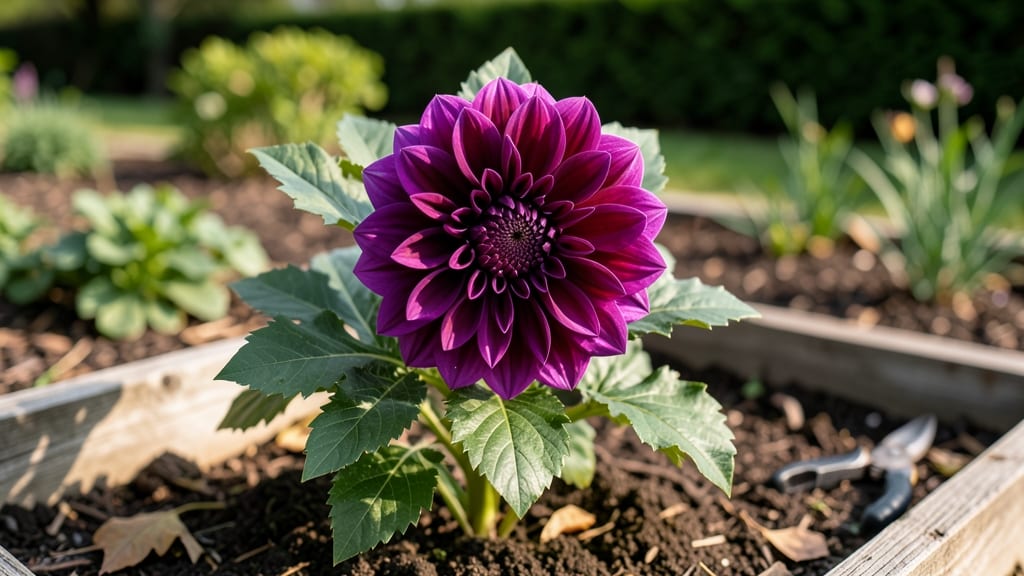
Purple dahlias bring drama and depth to gardens like no other flower—those velvety petals catch the light differently every hour. 🌿 I remember the first time I saw a deep violet dahlia in full bloom: it stopped me in my tracks, the way the color shifted from plum to lavender as the sun moved across the sky.
These aren’t just flowers; they’re the centerpiece that makes your garden feel like a curated masterpiece.
They thrive as border plants, where their height creates a stunning vertical line, or in containers where you can move them to highlight different areas. Pair them with silvery foliage like lamb’s ear or dusty miller to make those purple blooms pop even more.
And here’s the secret—most varieties bloom from mid-summer through frost, giving you months of that rich, velvety color.
Imagine cutting a bouquet in late September when everything else is fading—your dahlias will still be at their peak, their petals soft to the touch and fragrant in the afternoon sun.
The key is choosing the right variety for your space: tall dinnerplate types for focal points, smaller pom-poms for borders, or cactus varieties for containers where their spiky petals add texture.
Whether you’re designing a formal garden or a wild, romantic border, purple dahlias adapt beautifully. They work with almost any color scheme—try them with gold foliage for contrast or with other purples for a monochromatic look that feels luxurious. Ready to make them the star of your outdoor space?
📚 In This Guide
- What you need
- Instructions
- Tips and common mistakes
- Wrapping up and next steps
What you need
- ● Purple Dahlia Tubers: 3–5 healthy tubers (choose varieties like 'Karma Choc' or 'Bishop' for deep purples).
- ● Well-Draining Potting Mix: 5–10 gallons (look for a blend with perlite or coconut coir for aeration).
- ● Containers or Garden Bed: Containers: 12–18" deep pots (1–2 tubers per 5-gallon container).
- ● Garden Beds: Full sun (6+ hours daily) and loose, fertile soil (amend with compost if needed).
- ● Slow-Release Fertilizer: 10–20–10 NPK ratio (1–2 tbsp per plant at planting).
- ● Mulch: 2–3 inches of straw or shredded bark to retain moisture.
- ● Garden Trowel or Transplanter (for gentle tuber handling).
- ● Pruning Shears (to trim dead foliage and encourage bushier growth).
- ● Stakes or Tomato Cages (for tall varieties like 'Arabian Night').
- ○ Liquid Bloom Booster (optional: dilute 1 tbsp per gallon of water every 2–3 weeks).
- ○ Dahlia Food (High-Potassium) (optional: apply mid-season for vibrant blooms).
Step-by-step instructions for growing stunning purple dahlias
Here's how to coax those velvety blooms from seed to showstopper display.
🌱 Step 1: Start Seeds Indoors at the Right Time
Begin seeds 10-12 weeks before your last frost date. I like to use biodegradable pots filled with seed-starting mix—this prevents root disturbance later. Plant seeds ½ inch deep in a warm spot (70-75°F), as dahlias need warmth to germinate. Cover the pots with plastic wrap to retain moisture until sprouts appear.
Keep the soil consistently moist but never soggy—dahlias hate wet feet. You'll see tiny green sprouts in about 10-14 days. Once they emerge, remove the plastic wrap immediately to prevent fungal issues. The moment first true leaves (not the initial seed leaves) appear, move the seedlings to a sunny windowsill or under grow lights for 14-16 hours daily.
☀️ Step 2: Harden Off and Transplant After Frost
Two weeks before transplanting, start hardening off your seedlings by placing them outside in a sheltered spot for 1-2 hours daily. Gradually increase their outdoor time over 7-10 days until they can handle full sun. Dahlias love warmth but need time to adjust—rushing this step causes shock and stunted growth.
Transplant after all danger of frost has passed and soil temperatures reach 60°F. Choose a location with full sun (6+ hours daily) and well-draining soil. Dig holes 2-3 inches deeper than the root ball—dahlias have thick tubers that need room to settle. Space plants 18-24 inches apart to allow for their mature size and airflow.
💧 Step 3: Water Deeply and Feed for Continuous Blooms
Water dahlias at the base 1-2 inches per week, letting the soil dry slightly between waterings. Overhead watering can cause mildew on the lush foliage, so use a soaker hose or water at the soil level. Mulch with 2-3 inches of organic mulch to retain moisture and keep roots cool—this is key for purple varieties, which thrive in consistent conditions.
Feed every 2-3 weeks with a balanced fertilizer (10-10-10) once blooms appear. Purple dahlias respond beautifully to occasional fish emulsion for deeper color. Pinch back the first set of flowers to encourage bushier growth—this ensures a longer blooming season. Watch for buds forming at the base of the plant; these will produce your most vibrant blooms.
✂️ Step 4: Deadhead and Support for Long-Lasting Color
Deadhead spent blooms immediately to redirect energy to new flowers. Use clean pruners to snip just above a set of leaves—this prevents disease and encourages more buds. I also remove any yellowing or damaged leaves throughout the season to keep the plant healthy and focused on producing those rich purple blooms.
Stake or cage dahlias as soon as they reach 12 inches tall. Their stems can get heavy with blooms, and without support, they'll flop. I use 5-6 foot stakes tied loosely with soft twine to avoid damaging the stems. This keeps the flowers upright and makes harvesting easier—just snip stems at the base with clean shears for long-lasting bouquets.
Tips & tricks for growing velvety purple dahlias
These simple strategies will help you coax those stunning purple blooms from seed to full glory.
Warmth is Key: That 70-75°F temperature range for germination is non-negotiable—dahlias won't sprout in cooler conditions. I place my seed trays on top of my fridge (not inside) to create that perfect warm microclimate. If your home runs cooler, consider using a seedling heat mat for consistent warmth during those critical first 10-14 days.
Lighting Strategy: Those 14-16 hours of light daily after true leaves appear are essential for strong stems. If your windowsill isn't sufficient, supplement with LED grow lights placed just 4-6 inches above the seedlings. I keep mine on a timer to maintain consistency—dahlias won't tolerate erratic light exposure.
Transplanting Secret: When transplanting, don't be afraid to bury those stems deeper than they were in pots. The extra 2-3 inches of soil actually encourages stronger root growth. Just make sure to leave the top set of leaves above soil level—they'll be your plant's energy source for new growth.
Color Boost: For those deepest purple hues, add a handful of eggshells to the planting hole when transplanting. The extra calcium helps maintain vibrant color and prevents browning on the petals. I also avoid overhead watering after transplanting—water at the base only to prevent mildew that can dull the purple tones.
Pro Tips for Dahlia Flower Purple
- These simple strategies will help you coax those stunning purple blooms from seed to full glory.
- Warmth is Key: That 70-75°F temperature range for germination is non-negotiable—dahlias won't sprout in cooler conditions.
- Lighting Strategy: Those 14-16 hours of light daily after true leaves appear are essential for strong stems.
Frequently asked questions
When is the best time to plant purple dahlias?
Plant purple dahlias after the last frost when soil temperatures reach at least 60°F (15°C). In warmer climates (zones 8-10), they thrive year-round! For cooler areas, start tubers indoors 4-6 weeks before the last frost or wait until spring. Pro tip: Soak tubers in water for 24 hours before planting to encourage faster growth!
How do I keep my purple dahlias blooming all season?
Deadhead spent blooms regularly to encourage new flowers. Fertilize every 2-3 weeks with a balanced 10-10-10 or phosphorus-rich formula (like 5-10-10) to support blooming. Mulch around the base to retain moisture and protect roots. Bonus: Cut flowers early in the morning for longer vase life!
What pests or diseases should I watch for with purple dahlias?
Common pests include slugs, aphids, and earwigs. Use organic slug bait or neem oil to deter them. Watch for powdery mildew (white dust on leaves) in humid climates—improve airflow and spray with fungicide if needed. Prevention tip: Space plants 12-18 inches apart and avoid overhead watering!
Can I grow purple dahlias in containers?
Choose a container at least 12 inches deep with drainage holes. Use well-draining potting mix and a larger pot (18+ inches) for varieties with big blooms. Place in full sun (6+ hours/day) and fertilize regularly. Container hack: Add a time-release fertilizer at planting for steady nutrition!
How do I overwinter purple dahlias in cold climates?
Before the first frost, dig up tubers, shake off soil, and let them dry. Trim stems to 2 inches, then store in a cool (35-45°F/2-7°C), dark place (like a garage) with good airflow. Replant in spring when temperatures warm. Storage tip: Wrap tubers in newspaper to prevent rot!
Are there purple dahlias that attract pollinators?
Yes! Varieties like ‘Galaxy’ or ‘Café au Lait’ (with purple undertones) draw bees and butterflies. Plant near herbs or other pollinator-friendly flowers to create a bee buffet. Bonus: Purple dahlias also repel some pests naturally!
Wrapping up and next steps
From their stunning purple hues to their year-round blooming potential, dahlias are a gardener’s dream! 🌸 Whether you’re drawn to their velvety texture, vibrant colors, or low-maintenance care, these flowers bring effortless beauty to any space.
With the right knowledge—like choosing the perfect soil, providing consistent watering, and protecting them from pests—you’re well on your way to cultivating a breathtaking garden.
Ready to dive in? Start small—plant a single purple dahlia today and watch your garden transform! 🌱