
Companion Plants
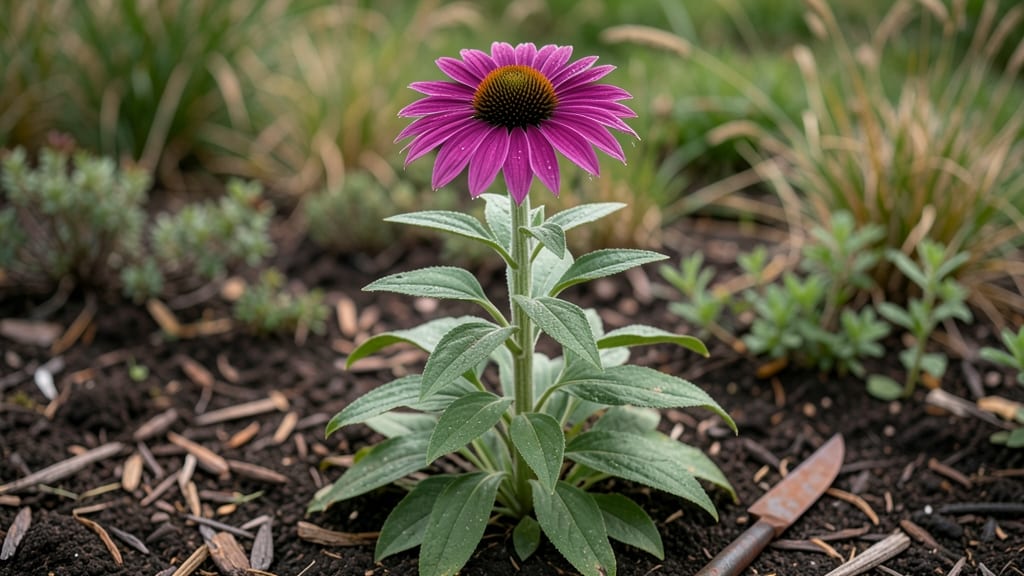
Double coneflower plants (Echinacea purpurea) are the unsung heroes of the pollinator garden—those velvety-petaled blooms feed bees and butterflies while keeping your yard vibrant from early summer into frost. 🌸 I still remember the first time I saw a double variety in bloom: the way the layered petals caught the light like tiny stained-glass windows.
These aren't just pretty faces; they're the workhorses of the perennial border, thriving with minimal fuss and rewarding you with months of color that other flowers can't match.
The secret to their success starts with the right conditions: full sun (at least 6 hours daily), well-draining soil, and 18-24 inches of spacing between plants. Most gardeners overwater them, but double coneflowers actually prefer to dry out between drinks—think of them as drought-tolerant survivors rather than thirsty divas.
Once established, they'll bounce back from neglect, making them perfect for busy gardeners or those with rocky, poor-quality soil. The real magic happens in late summer when you deadhead spent blooms; this simple step can extend flowering into October.
What you end up with is a pollinator magnet that stays stunning even after the petals fade. The seed heads provide winter interest for birds, while the deep roots improve soil health over time.
My neighbors used to tease me for planting "weeds," but now they're asking where to buy their own—because once you see how easy these are to grow, you'll never want to garden without them. The only downside? You might get hooked on collecting more varieties than you have space for.
Works beautifully in borders, meadows, or even containers, though they'll get leggy if crowded. For best results, plant them in groups of three or more—both for visual impact and to attract more pollinators.
The first year might be slower as they establish, but by year two, you'll have a low-maintenance powerhouse that outshines many annuals. Ready to make room for these pollinator superstars?
📚 In This Guide
- What you need
- Instructions
- Tips and common mistakes
- Wrapping up and next steps
What you need
- ● Double coneflower seeds or plants: Seeds: 1–2 oz (per 100 sq ft) for direct sowing (e.g., Echinacea purpurea ‘Double Scoop’ or ‘White Swan’). Transplants: 3–5 mature plants (18–24" spacing) or 6–8 young starts (12" spacing).
- ● Well-draining soil: Amend with 2–3 inches of compost or aged manure to improve fertility and drainage.
- ● Organic mulch: 2–3 inches of shredded bark, straw, or pine needles to retain moisture and suppress weeds.
- ● Balanced fertilizer: 5-10-10 or slow-release granular (1 tbsp per plant at planting time).
- ● Garden trowel or transplant spade (for digging holes 12–18" deep).
- ● Garden gloves (to protect hands from thorns and soil).
- ● Watering can or hose with nozzle (gentle watering to avoid disturbing seeds/roots).
- ● Pruners or shears (for deadheading spent blooms and shaping plants).
- ○ Optional: Soil pH tester (ideal range: 6.0–7.0; adjust with lime or sulfur if needed).
- ● Drip irrigation kit (for consistent moisture, especially in dry climates).
- ● Stakes or cages (if your variety grows tall, like ‘Magnus’, to support stems).
- ● Sunlight: Full sun (6+ hours/day) for optimal blooms and vigor.
- ● Spacious beds: Double coneflowers thrive in open, airy spaces (avoid overcrowding).
- ● Drought tolerance: Once established, they need minimal watering (1–2 inches/week in dry spells).
- ● Pollinator-friendly location: Plant near other perennials like bee balm or black-eyed Susans for a dynamic ecosystem!
Step-by-step guide for planting and cultivating double coneflower
Here’s how to establish these pollinator magnets for vibrant blooms and lasting garden impact.
🌱 Step 1: Choose the Perfect Planting Site
Double coneflowers thrive in full sun to partial shade, with at least 6 hours of direct sunlight daily for optimal blooming. I always scout the sunniest spot in my garden first—these plants reward bright locations with bold, long-lasting flowers. Test the soil moisture by digging a small hole; if water pools after 10 minutes, the area drains poorly and needs amending with sandy loam or raised beds.
For container growing, select pots with at least 12-inch depth and drainage holes. The roots spread wide, so larger containers improve stability and water retention. I’ve seen double coneflowers topple in shallow pots after heavy rain—choose sturdy, wide-based containers if growing in pots.
🪴 Step 2: Prepare Soil and Plant Correctly
Double coneflowers adapt to most soil types but perform best in well-draining, slightly alkaline soil with a pH between 6.5 and 7.5. Mix 2-3 inches of compost into the top 12 inches of soil to improve fertility without compacting the roots. Avoid heavy clay—amend it with 1 part perlite to 3 parts native soil to prevent waterlogging.
Dig a hole twice as wide as the root ball and no deeper than the container’s base. Gently remove the plant from its pot, loosen any circling roots with your fingers, and place it in the hole so the top of the root ball sits level with the surrounding soil. Backfill with native soil, pressing lightly to eliminate air pockets. Water deeply to settle the soil.
☀️ Step 3: Water and Mulch for First-Year Success
After planting, water deeply once a week during the first growing season to encourage deep root development. You’ll know it’s time when the top 2 inches of soil feel dry to the touch. Overwatering causes root rot, so always check moisture before adding more. I use a moisture meter for accuracy, especially in hot climates where evaporation is rapid.
Spread 2-3 inches of mulch around the base, keeping it 3 inches away from the stem to prevent rot. I prefer shredded hardwood mulch because it breaks down slowly and improves soil structure over time. Mulch also suppresses weeds and maintains even soil temperatures, which double coneflowers appreciate during summer heatwaves.
✂️ Step 4: Prune and Maintain for Year-Round Blooms
Deadhead spent blooms in early fall to encourage a second flush of flowers, but leave the seed heads in late fall and winter for wildlife. The unique double blooms attract goldfinches and other seed-eating birds, creating a winter food source. I always leave 3-4 seed heads per plant for natural reseeding and pollinator support.
In early spring, cut back dead or damaged stems to 4-6 inches above the ground. This promotes fresh growth and prevents disease. Avoid heavy pruning in late summer—it removes next year’s flower buds. Double coneflowers are drought-tolerant once established, but a light watering every 2-3 weeks during dry spells keeps them thriving.
Tips & tricks for perfect double coneflower cultivation
Here’s what I’ve learned from years of growing these stunning pollinator magnets—small details that make all the difference.
Sunlight Secret: That 6-hour daily sunlight minimum is non-negotiable for vibrant blooms, but don’t assume every sunny spot is equal. I’ve found that morning sun with afternoon shade (especially in hot climates) actually produces more robust plants. Test your spot by observing how quickly water evaporates—if it disappears in under 30 minutes, your coneflowers may need afternoon shade to prevent stress.
The Root Ball Technique: When planting, the key is keeping that root ball level with the surrounding soil—never burying the crown. I’ve seen beginners plant too deep, which causes rot, or too shallow, which leads to weak stems. Pro tip: Use a small stick or marker to create a reference line at the root ball’s top before planting. Also, those circling roots? Gently tease them apart with your fingers—they’ll spread wider and establish faster.
Mulch Placement Matters: That 2-3 inch mulch layer is gold, but placement is everything. Keep it 3 inches away from the stem to prevent rot while still protecting roots. I’ve noticed that mulch breaks down faster in hot summers—replenish it annually in spring to maintain that protective barrier. For extra heat protection, consider a light straw mulch on top of the shredded hardwood in peak summer months.
Pruning Timing: The early fall deadheading (Step 4) is crucial for that second flush of flowers, but timing is everything. Wait until the blooms are fully spent but still upright—don’t cut too early or you’ll miss the chance for reblooming. In my garden, I mark plants with small flags when they first bloom to track the 3-4 month window for fall deadheading. And those seed heads? Leave them until late winter—they’re winter buffets for goldfinches and other birds.
Pro Tips for Double Coneflower Plants
- Here’s what I’ve learned from years of growing these stunning pollinator magnets—small details that make all the difference.
- Sunlight Secret: That 6-hour daily sunlight minimum is non-negotiable for vibrant blooms, but don’t assume every sunny spot is equal.
- The Root Ball Technique: When planting, the key is keeping that root ball level with the surrounding soil—never burying the crown.
Frequently asked questions
Got questions about growing and caring for double coneflower plants?
You're not alone! Here are some of the most common queries from gardeners looking to add these pollinator-friendly beauties to their landscapes.
How do I propagate double coneflower plants?
Double coneflowers are easiest to grow from seeds or by dividing mature plants. Sow seeds directly in spring or fall in well-draining soil, pressing them lightly into the ground. For divisions, dig up established clumps in early spring or fall, separate the roots, and replant. Seeds may take 10-14 days to germinate.
When is the best time to plant double coneflowers?
Plant seeds in early spring or late summer/fall for the best results. If starting from transplants, aim for spring after the last frost or early fall in mild climates. Double coneflowers thrive in USDA Zones 3-9, making them versatile for most gardeners.
Are double coneflowers deer-resistant?
While no plant is 100% deer-proof, double coneflowers are moderately deer-resistant due to their tough foliage and milky sap. However, hungry deer may still nibble, especially in winter. Pair them with deer-resistant companions like lavender or Russian sage for added protection.
What are some great companion plants for double coneflowers?
Double coneflowers pair beautifully with native grasses, black-eyed Susans, bee balm, and sedum. They also thrive alongside perennials like daylilies, sedum, and Russian sage, creating a low-maintenance, pollinator-friendly garden. Avoid planting near mint or invasive species, which can outcompete them.
Why aren’t my double coneflowers blooming?
If your double coneflowers aren’t blooming, check these common issues:
- Overcrowding – Thin plants to 18-24 inches apart for better airflow and sunlight.
- Poor soil – Amend with compost for well-draining, slightly alkaline soil (pH 6.0-7.0).
- Excess fertilizer – Too much nitrogen promotes foliage over flowers. Use a balanced, low-nitrogen fertilizer in early spring.
- Deadheading – Remove spent blooms to encourage continuous flowering through the season.
Wrapping up and next steps
Double coneflower plants are a low-maintenance, high-reward addition to any garden, offering stunning blooms, pollinator support, and year-round interest. Whether you're a seasoned gardener or just starting, their resilience and beauty make them a must-have for vibrant, eco-friendly landscapes. Ready to transform your outdoor space?
🌱 Next steps:
- Pick your favorite variety and plant with confidence—your pollinators will thank you!
- Share your progress with fellow gardeners for tips and inspiration.