
Flowers
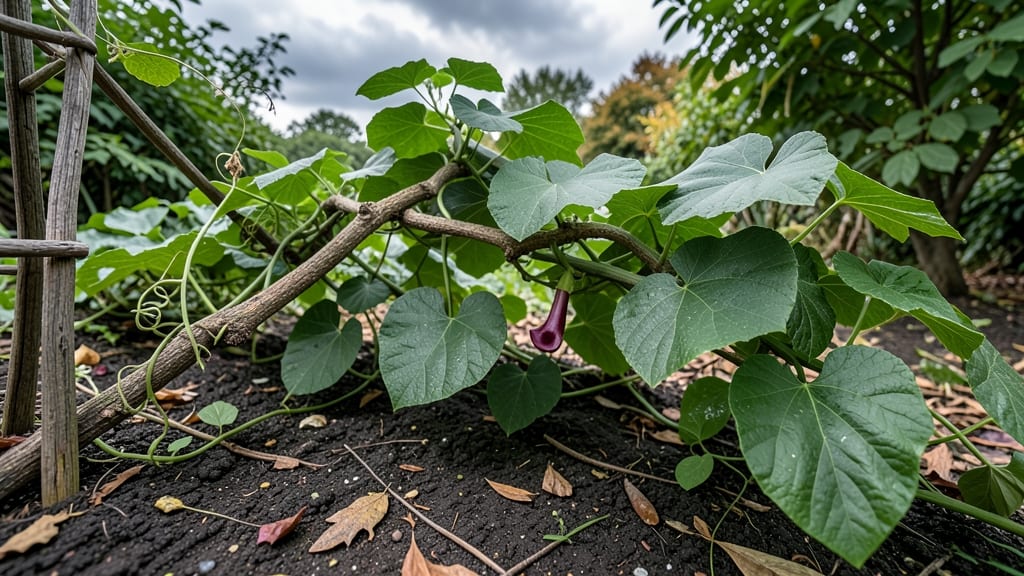
Growing Dutchman's pipe flowers transforms your garden into a mysterious, fragrant jungle corner. 🌿 These unusual vines produce pipe-shaped blooms that hummingbirds adore, and their glossy leaves add dramatic texture to any space.
The key to success lies in mimicking their natural woodland habitat—moist, rich soil and dappled shade where they can climb without scorching.
You’ll need a sturdy trellis or fence for their 6-10 foot climbing ambitions, plus well-draining soil amended with compost. Dutchman’s pipe thrives in zones 5-9, making it versatile for cool climates too—just protect young plants from late frosts.
Water consistently to keep roots happy, but avoid soggy soil, which invites root rot.
What makes these vines special is their season-long blooming and wildlife magnetism—hummingbirds and bees can’t resist them. The fragrance, though subtle, lingers like a secret in the air on warm evenings. Prune aggressively after flowering to encourage bushier growth, and divide mature plants every 3-4 years to keep them vigorous.
Perfect for shady corners, arbors, or even containers with support. Whether you’re a woodland gardener or urban vine enthusiast, Dutchman’s pipe delivers drama with minimal fuss. Let’s get those pipes growing!
📚 In This Guide
- What you need
- Instructions
- Tips and common mistakes
- Wrapping up and next steps
What you need
- ● Dutchman’s pipe plant: 1–3 mature plants (nursery-bought or propagated)
- ● OR seeds (from a trusted supplier—germination can be tricky!)
- ● Well-draining potting mix: 1 bag (5–10 gallons) of a blend with 50% perlite or orchid bark + 50% peat or coco coir.
- ● Pot or container: 1 large container (12–18 inches deep) for mature plants
- ● OR individual 4–6 inch pots for seedlings (with drainage holes!)
- ● Slow-release fertilizer: 1 lb of balanced 10-10-10 or 20-20-20 (for potted plants).
- ● Watering can or spray bottle: With a fine rose nozzle (to avoid disturbing soil).
- ● Support structure: 1–2 trellises, stakes, or obelisks (6+ feet tall for climbing varieties like Aristolochia gigantea).
- ● Twine or soft plant ties (to secure vines gently).
- ● Pruning shears: Sharp, sterilized shears (for trimming leggy growth).
- ● Humidity tray: A shallow tray + pebbles (to boost moisture-loving varieties).
- ● Mulch: 1–2 inches of orchid bark or shredded leaves (retains moisture).
- ● Grow lights: LED full-spectrum bulb (if growing indoors with <10+ hours of light/day).
- ● Compost tea or worm castings: 1 cup (for a nutrient boost—especially for seed-started plants).
- ● Insecticidal soap: 1 bottle (prevents aphids or spider mites).
Step-by-step guide to cultivating Dutchman’s pipe vines
Here’s how to coax these fragrant climbers into lush, blooming vines that perfume your garden all season.
🌱 Step 1: Select the Perfect Site and Support
Dutchman’s pipe (Aristolochia) thrives in partial shade to dappled sunlight, making it ideal for trellises near east- or north-facing walls. I always choose a spot with morning sun and afternoon shade—this prevents leaf scorch while ensuring enough light for vigorous growth. The vines need a sturdy 6-8 foot trellis or arbor since they can climb aggressively. Install the support before planting so you avoid disturbing roots later.
Here’s the thing—these vines are heavy when mature. I like to use a metal or wooden trellis with cross-bracing to handle the weight. If you’re planting near a fence, ensure it’s securely anchored. The roots spread moderately, so avoid planting too close to foundations or sidewalks where they might cause issues.
💧 Step 2: Prepare Soil and Plant With Care
Amend the soil with 2-3 inches of compost mixed into the top 12 inches of soil. Dutchman’s pipe prefers moist but well-draining conditions—think rich, humusy soil that retains moisture without becoming soggy. I test drainage by digging a hole, filling it with water, and checking if it drains within 30-60 minutes. If it pools, add sand or perlite to improve aeration.
Plant bare-root tubers or container-grown plants in early spring after the last frost. Dig a hole twice as wide as the root ball but only as deep as the top of the roots. Position the plant so the crown sits just below the soil surface—burying it too deep can cause rot. Space multiple plants 3-4 feet apart to allow for their sprawling habit.
☀️ Step 3: Water and Fertilize for Lush Growth
Water deeply once a week during the first growing season, ensuring the soil stays evenly moist but not waterlogged. You’ll know it’s right when the top 2 inches of soil feel damp but not saturated. Mulch with 2-3 inches of organic mulch (like shredded bark or leaves) to retain moisture and suppress weeds. This is especially important in hot, dry climates where the soil can dry out quickly.
Feed with a balanced, slow-release fertilizer (10-10-10) in early spring and again in mid-summer. I avoid high-nitrogen fertilizers—they promote leafy growth at the expense of blooms. Instead, I use a low-nitrogen, high-phosphorus formula (like 5-10-10) to encourage flowering. Stop fertilizing by late summer to allow the plant to harden off for winter.
✂️ Step 4: Train Vines and Prune for Health
Train young vines onto the trellis by tying them gently with soft garden twine every 6-8 inches as they grow. Avoid plastic ties—they can girdle the stems as the vine thickens. Here’s the trick: I wait until the vine has 3-4 sets of leaves before securing it to the support. This gives the plant enough strength to climb on its own.
Prune in early spring before new growth begins. Remove any dead, damaged, or crossing stems to improve airflow and reduce disease risk. You can also lightly trim back any overly long vines to encourage bushier growth. If your vine gets leggy, cut it back by one-third to promote denser foliage and more blooms. The key is to prune just after flowering to avoid removing next year’s buds.
🌿 Step 5: Overwinter and Encourage Repeat Blooms
In USDA Zones 8-10, Dutchman’s pipe is perennial and will return year after year with minimal care. In colder zones (5-7), mulch heavily with 4-6 inches of straw or leaves and cover the base with burlap or frost cloth once temperatures drop below 25°F. The tubers are hardy but benefit from extra insulation.
To extend the blooming season, deadhead spent flowers by pinching them off just above a set of leaves. This redirects the plant’s energy into producing new blooms instead of seed pods. I also fertilize lightly in early summer with a low-nitrogen formula to keep the vines flowering well into fall. With proper care, your Dutchman’s pipe can bloom from late spring through frost, filling your garden with its exotic, pipe-shaped flowers and intoxicating fragrance.
Tips & tricks for thriving Dutchman's pipe vines
These insider strategies will help you cultivate fragrant, blooming vines that thrive year after year with minimal fuss.
Site Selection Strategy: When evaluating morning sun vs. afternoon shade, prioritize east-facing locations—this provides gentle morning light that won't scorch leaves while still offering sufficient energy for vigorous growth. I've found that vines planted near north-facing walls with morning sun exposure develop particularly lush foliage. The key is to avoid harsh afternoon rays that can bleach the leaves and reduce flowering potential.
Soil Preparation Tip: The 30-60 minute drainage test is your best friend when preparing soil. If water pools after 60 minutes, you'll need to amend with more sand or perlite—aim for soil that drains like a well-wrung sponge. I like to mix in a handful of worm castings during this process, as they provide beneficial microbes that help the tubers establish more quickly. This step is particularly important in clay-heavy soils where drainage is naturally poor.
Trellis Training Technique: For the 6-8 inch tying intervals mentioned in Step 4, I recommend using jute twine instead of garden twine—it's more natural and will break down without harming the vine as it thickens. The 3-4 sets of leaves rule is crucial: wait until you see the third or fourth set of mature leaves before securing the vine. This ensures the plant has developed enough strength to support its own weight between ties. I've seen vines snap when tied too early, especially in windy conditions.
Winter Protection Wisdom: In colder zones (5-7), the 25°F threshold is when you should start monitoring your vines. I've had success using a combination of straw mulch and frost cloth that's secured with bricks or landscape staples. For extra insurance, you can also mound additional soil around the base of the plant—just be sure to remove it in spring before new growth begins. This layered approach creates a microclimate that protects the tubers while allowing air circulation to prevent rot.
Pro Tips for Dutchman'S Pipe Flower
- These insider strategies will help you cultivate fragrant, blooming vines that thrive year after year with minimal fuss.
- I've found that vines planted near north-facing walls with morning sun exposure develop particularly lush foliage.
- Soil Preparation Tip: The 30-60 minute drainage test is your best friend when preparing soil.
Frequently asked questions
Got questions about growing Dutchman’s pipe flowers?
Here are the most common ones—plus quick answers to help you cultivate these fragrant vines with confidence.
How fast does Dutchman’s pipe grow?
These vines are fast growers! With ideal conditions (sunlight, moisture, and support), they can climb 6–10 feet per season. Prune regularly to manage size and encourage bushier growth. Pro tip: Train vines early to trellises or fences for better structure.
When do Dutchman’s pipe flowers bloom?
Blooms typically appear in late spring to early summer, but with proper care, they may rebloom sporadically into fall. For year-round interest, deadhead spent flowers and fertilize lightly. Note: Some varieties (like Aristolochia durior) bloom later in the season.
Why aren’t my Dutchman’s pipe flowers fragrant?
Fragrance fades if plants are stressed—check for:
- Poor drainage (root rot kills scent glands)
- Low humidity (mist leaves or use a pebble tray)
- Nutrient deficiencies (feed with a balanced fertilizer in spring)
Bonus: Morning sunlight boosts fragrance—plant near patios or windows!
Can Dutchman’s pipe grow in containers?
Yes! Use a large pot (15+ gallons) with drainage holes and a well-draining mix (50% potting soil, 30% perlite, 20% compost). Choose compact varieties like Aristolochia gigantea for smaller spaces. Warning: Containers dry out faster—water deeply 2–3x/week.
Are Dutchman’s pipe flowers toxic to pets?
Yes, they’re toxic to cats, dogs, and horses due to aristolochic acids. Symptoms include vomiting, drooling, or lethargy. Keep plants out of reach or opt for pet-safe alternatives like Clematis or Honeysuckle. Safety tip: Wear gloves when handling!
Wrapping up and next steps
The Dutchman’s pipe flower is a fragrant, low-maintenance gem that brings year-round beauty to any garden with its cascading vines and intoxicating scent. Whether you’re a seasoned gardener or just starting out, these versatile climbers are perfect for adding charm and elegance to trellises, fences, or containers. 🌿
Ready to transform your outdoor space? Start by gathering your supplies and following the simple steps—soon, you’ll be enjoying the lush, aromatic blooms of this stunning vine. Happy gardening!