
Flowers
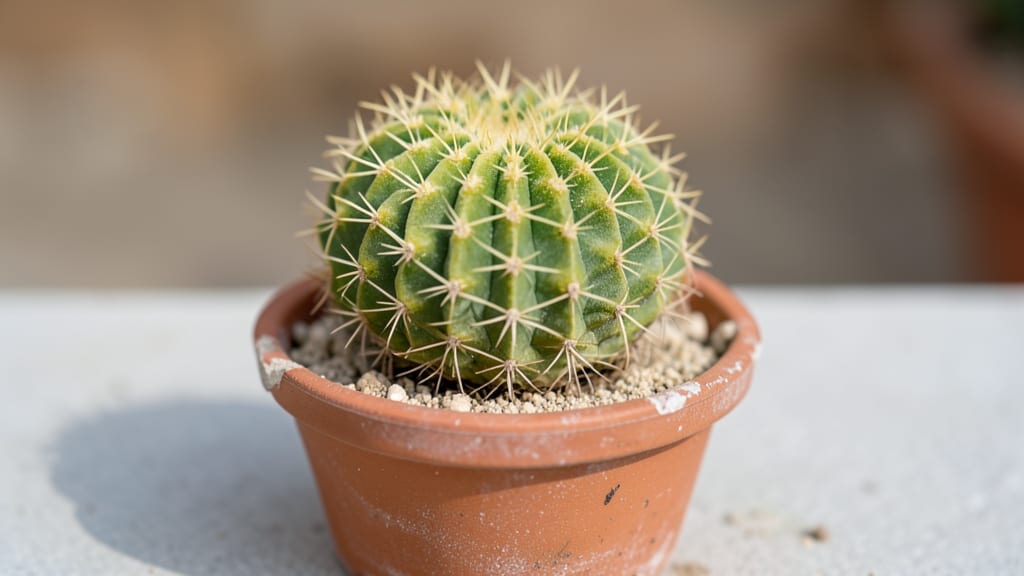
That starfish flower cactus with its striking rosette shape and delicate blooms is easier to grow than you’d think—once you know the three simple trims that trigger those showstopping flowers. 🌟 I’ve had mine thriving for years, and the secret isn’t complicated: it’s all about light, water, and a little strategic pruning to keep it blooming season after season.
The key is mimicking its natural habitat. These cacti love bright, indirect light—think east-facing windows or a few hours of morning sun—paired with well-draining soil that dries out between waterings.
Overwatering is the #1 killer, but once you get the rhythm right, you’ll see those star-shaped blooms popping up like clockwork. Even beginners can nail this with just a few adjustments.
By the time you’ve mastered the three trims I’ll show you, you’ll be rewarded with vibrant blooms that last for weeks. The plant stays compact, the leaves stay glossy, and the whole thing becomes a conversation piece that’s impossible to ignore.
Plus, it’s one of the few cacti that actually thrives indoors without fuss.
Whether you’re dealing with yellowing leaves or slow growth, the fixes are straightforward—and I’ll walk you through them. Let’s get that starfish cactus blooming like never before.
📚 In This Guide
- What you need
- Instructions
- Tips and common mistakes
- Wrapping up and next steps
What you need
- ● Starfish flower cactus plant: 1 healthy, mature specimen (4+ inches in diameter, with visible buds or signs of growth).
- ● Well-draining cactus/succulent soil: 1 bag (1-2 cubic feet). Pro tip: Mix with perlite or pumice (20-30% by volume) for extra aeration!
- ○ Pot with drainage holes: 1 container (12-16 inches in diameter) with a saucer. Optional: Terracotta pots help prevent root rot.
- ● Sharp, sterilized pruning shears or knife: 1 pair (for trimming—think precision, not brute force!).
- ● Cactus fertilizer: 1 bottle (balanced 10-10-10 or succulent-specific formula).
- ● Watering can with a narrow spout: 1 (to avoid drowning those delicate roots!).
- ● Grafting wax or cinnamon powder: To seal cuts if propagating from trimmings.
- ● Grow lights (LED full-spectrum): 1-2 bulbs if indoors (12-14 hours/day).
- ● Humidity tray or pebbles: For added moisture in dry climates.
- ● Plant labels: To track trimming dates and bloom cycles.
Step-by-step instructions for pruning starfish flower cactus
Here's how I coax those dramatic blooms from your cactus with just three easy cuts.
✂️ Step 1: Wait for the Right Time to Prune
Timing matters most for starfish flower cacti. I always prune right after blooming ends—typically in late spring or early summer. This gives the plant time to recover before its next growth cycle. Look for dried-up flower stalks and any leggy, overgrown segments that have lost their compact shape.
Never prune during winter dormancy or while the plant is actively flowering. The plant needs all its energy focused on blooms, not recovery. If you miss the window, wait until early spring before cutting back—just don't prune too aggressively then, or you'll delay next year's flowers.
✂️ Step 2: Make Clean Cuts at Strategic Points
Use sterilized pruning shears or a sharp knife to make cuts just above a segment where new growth will emerge. I aim for the first healthy segment below any dead or damaged parts. For starfish cacti, this usually means cutting back to a point where you can see fresh, green pads emerging.
Don't cut too close to the base—leave at least ½ inch of healthy growth. Each cut should be clean and angled slightly downward to prevent water from pooling. If you're removing a long, leggy segment, you can make multiple cuts along its length to create smaller, more manageable pieces for propagation.
☀️ Step 3: Let Cuts Dry and Monitor Recovery
After pruning, place your cactus in a bright, indirect light spot for 3-5 days. This drying period prevents rot from setting in at the cut sites. I like to keep the humidity moderate during this time—just enough to avoid stressing the plant but not so high that cuts stay damp.
Watch for new growth emerging from the cut segments within 4-6 weeks. If you see yellowing or mushy spots at the cuts, your plant may be getting too much moisture. Reduce watering immediately and ensure the pot has proper drainage. Healthy recovery means the cuts will eventually seal over with a calloused layer.
🌱 Step 4: Encourage Future Blooms with Proper Care
Once your cactus shows new growth, resume normal care but keep an eye on its shape. Starfish cacti bloom best when they're slightly pot-bound, so only repot every 2-3 years. I use a well-draining cactus mix and a pot just 1-2 inches larger than the current one to maintain that snug fit.
During the growing season, fertilize lightly every 4-6 weeks with a diluted cactus fertilizer. In fall, reduce watering significantly and stop fertilizing entirely to mimic its natural dormancy period. This seasonal shift is what triggers those stunning star-shaped blooms the following spring.
Tips & tricks for pruning starfish flower cactus
Here's what nobody tells you—those dramatic blooms start with the right cuts and care.
Timing is Everything: The late spring/early summer window after blooming is critical because that's when your starfish cactus naturally shifts from bloom production to growth recovery. I've learned the hard way that pruning too early can stress the plant when it's still conserving energy for next year's flowers. Watch for those dried-up flower stalks—they're your cue that the plant has finished its bloom cycle and is ready for a trim.
Clean Cuts Prevent Rot: Sterilizing your tools is non-negotiable—just wipe with rubbing alcohol before each cut. The ½-inch rule for leaving healthy growth isn't arbitrary: this ensures you're not cutting into the plant's vital storage segments where it holds water. For the angled cuts, think of it like roofing—water should run off, not pool. I've saved several plants by making this small adjustment when I first noticed rot creeping in.
Recovery Watch: Those 3-5 days of drying time might feel long, but it's the difference between a healthy plant and one that develops rot. Place your cactus in a spot with bright but indirect light—think morning sun rather than harsh afternoon rays. If you notice yellowing at the cuts after 4-6 weeks, you're either overwatering or the cut wasn't clean enough. Reduce watering immediately and check your drainage—this is your plant's way of saying "help me breathe."
Pro Tips for Starfish Flower Cactus
- Here's what nobody tells you—those dramatic blooms start with the right cuts and care.
- Timing is Everything: The late spring/early summer window after blooming is critical because that's when your starfish cactus naturally shifts from bloom production to growth recovery.
- Clean Cuts Prevent Rot: Sterilizing your tools is non-negotiable—just wipe with rubbing alcohol before each cut.
Frequently asked questions
Got questions about your starfish flower cactus (Echinopsis pachanoi)? You’re not alone!
Whether you're a newbie or a seasoned plant parent, these answers will help you keep your cactus thriving and blooming like a pro.
How often should I trim my starfish flower cactus to encourage blooms?
Trim your starfish flower cactus once a year, ideally in early spring (March–April). Focus on removing dead or damaged segments and cutting back leggy growth by about 1/3. Avoid over-trimming—this can stress the plant and delay blooming. Healthy trims stimulate new growth and encourage those stunning star-shaped flowers!
Why isn’t my starfish flower cactus blooming?
Starfish flower cacti need cool nights (50–60°F) and warm days (70–80°F) for 4–6 weeks to trigger blooms. If your plant isn’t flowering, check its light (it needs bright, indirect sunlight), water (let soil dry completely between waterings), and age (3–5 years old is prime blooming time). Over-fertilizing can also stunt flowers—use a low-phosphorus cactus fertilizer sparingly.
How much water does a starfish flower cactus need?
Water your starfish flower cactus sparingly: soak the soil thoroughly, then wait until it’s completely dry (2–3 inches deep) before watering again. In summer, this might mean every 2–3 weeks; in winter, once a month or less. Overwatering is the #1 killer—these cacti store water in their segments, so they’re drought-tolerant champions!
Can I grow a starfish flower cactus indoors?
Place your cactus near a south- or west-facing window for bright light. If natural light is limited, supplement with a grow light 12–14 hours daily. Keep it in a well-draining pot with cactus/succulent mix and avoid drafts (like AC vents). Just mimic its desert roots: sun, dryness, and warmth!
What can I do with the cuttings from trimming?
Starfish flower cactus cuttings root easily! Let them dry for 2–3 days, then place them in dry, well-draining soil (or perlite/sand mix). Keep them in bright, indirect light and avoid watering for 1–2 weeks. Roots should form in 4–6 weeks. Pro tip: Label your cuttings—some varieties (like E. pachanoi) produce mescaline, so handle with care!
Wrapping up and next steps
The starfish flower cactus isn’t just a stunning addition to your garden—it’s a low-maintenance superstar that rewards patience with vibrant blooms! With just a few simple trims, you can encourage lush growth and breathtaking flowers year after year.
Whether you’re a beginner or a seasoned plant parent, this cactus is your ticket to effortless beauty.
Ready to see your starfish cactus thrive? Start by giving it that first trim—your future blooms will thank you! 🌸✨