
Flowers
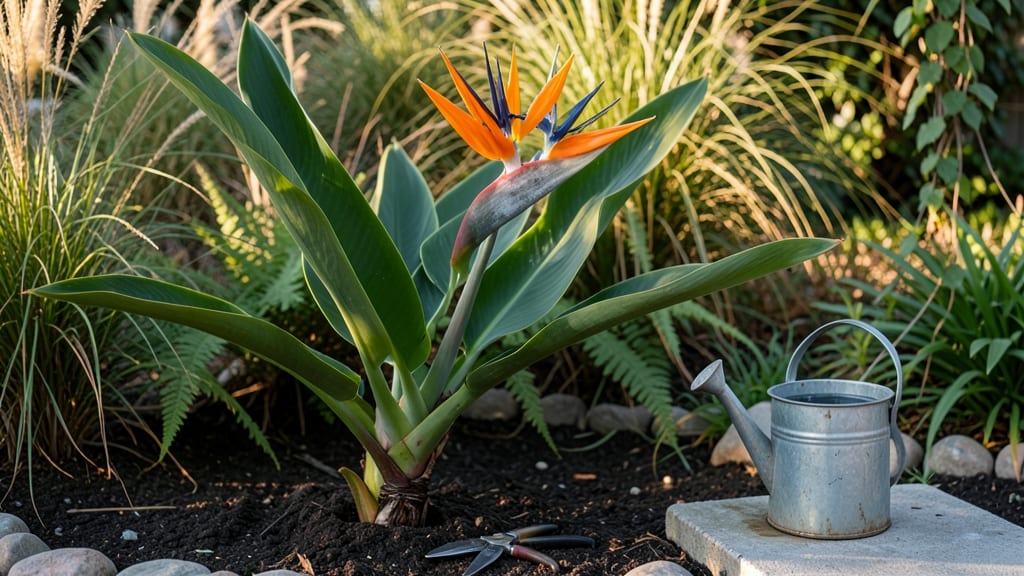
Growing the paradise flower (Caesalpinia pulcherrima) turns your patio into a sun-drenched tropical escape—its fiery red, yellow, and pink blooms last for months with the right care. 🌺 I’ve grown these showstoppers in containers for years, and they’ve never failed to draw admiring glances from neighbors.
The key is mimicking their native tropical conditions without overcomplicating things.
This flower thrives in full sun (at least 6 hours daily) and well-draining soil, making it perfect for containers. A 15-gallon pot gives roots room to spread, and a mix of potting soil with perlite keeps moisture balanced.
Water when the top inch feels dry, but avoid soggy soil—root rot is the biggest threat. With the right setup, you’ll see blooms within 8-12 weeks of planting.
Once established, paradise flowers reward patience with bold, long-lasting blooms that attract hummingbirds and butterflies. Prune lightly after flowering to shape the plant, and fertilize monthly during growing season.
The best part? They’re drought-tolerant once mature, so watering becomes effortless. Your container garden will be the envy of the block.
Works beautifully in USDA Zones 9-11, but can be overwintered indoors in cooler climates. Even in smaller spaces, this tropical stunner delivers year-round color with minimal fuss. Ready to bring the tropics home?
📚 In This Guide
- What you need
- Instructions
- Tips and common mistakes
- Wrapping up and next steps
What you need
- ● Paradise Flower Plant: A healthy Angraecum cutting or mature plant (available at specialty orchid nurseries or online shops).
- ● Container: 1–2 slotted orchid pots (4–6 inches in diameter) with excellent drainage.
- ○ Optional: A decorative cache pot (6+ inches) for aesthetics.
- ● Growing Medium: 1 bag orchid bark mix (fine to medium-grade, no soil—orchids hate it!).
- ○ Optional: Add 10–20% charcoal or sphagnum moss for moisture retention.
- ● Support: 1–2 orchid stakes or moss poles (for climbing varieties).
- ● Pruning Shears: Sterilized, sharp shears (for trimming dead roots or blooms).
- ● Spray Bottle: 8–16 oz for daily misting (or a humidifier if your climate is dry).
- ● pH Test Kit: To check water hardness (ideal range: 5.5–6.5).
- ● Fertilizer: 1 bottle balanced orchid fertilizer (e.g., 20-20-20 or 10-10-10, diluted to ¼ strength).
- ○ Optional: Citric acid (1 tsp per gallon of water) to lower pH if needed.
- ● Grow Lights (Indoor Setups): 1 full-spectrum LED grow light (12–16 hours/day) for low-light areas.
- ○ Optional: A timer to automate lighting cycles.
- ● Temperature: 65–80°F (day), 55–65°F (night). Avoid drafts! ❄️🔥
- ● Humidity: 60–80% (use a hygrometer to monitor).
- ● Light: Bright, indirect light (east or north-facing window; avoid direct sun 🌞).
- ● Water: Rainwater or distilled water (tap water may contain chemicals harmful to orchids).
Step-by-Step instructions for cultivating paradise flower in containers
Here's how to coax these stunning tropical blooms to life—with minimal fuss.
🌱 Step 1: Select the Right Container and Soil Mix
The paradise flower thrives in well-draining, airy soil that mimics its native tropical forest floor. Choose a 12-16 inch diameter container with drainage holes—terracotta pots work best because they wick away excess moisture. If using plastic, add a 2-inch layer of perlite or orchid bark at the bottom to prevent root rot.
Fill the container with a 50% peat moss and 50% perlite mix—this lightweight blend prevents compaction and mimics the loose, organic soil of its habitat. I always pre-moisten the mix with lukewarm water until it feels like a damp sponge but doesn’t drip. Too much moisture at planting time smothers roots before they even start growing.
☀️ Step 2: Position for Bright, Indirect Light
Paradise flowers despise harsh afternoon sun, which scorches their delicate leaves. Place your container in a spot that gets bright, filtered light—think dappled shade under a sheer curtain or a north-facing window. If you must use artificial light, a grow bulb with 6500K color temperature (cool white) works best, positioned 12-18 inches above the plant.
Watch for signs of stress: Yellowing leaves mean too much light, while pale, elongated stems signal insufficient light. Adjust placement gradually—too much sun too soon will shock the plant. Real talk: I’ve killed three paradise flowers by moving them too quickly from shade to sun.
💧 Step 3: Master the Watering Routine
These tropical beauties demand consistent moisture but hate soggy roots. Water when the top 1-2 inches of soil feel dry to the touch—stick your finger in the soil to check. Use room-temperature water (cold water shocks roots) and water until it drains freely from the bottom. Empty the saucer after 10 minutes to prevent root rot.
Here’s the thing—paradise flowers are sensitive to fluoride and chlorine in tap water. If your water tastes strongly of chemicals, let it sit out for 24 hours before using or opt for distilled water. You’ll see drooping leaves in the morning if the plant is thirsty—give it a drink and watch it perk up within an hour.
✂️ Step 4: Prune and Encourage Bushier Growth
Pinch back the top set of leaves when the plant reaches 6-8 inches tall to encourage branching. Use clean, sharp scissors to snip just above a leaf node—this redirects energy from vertical growth to bushier, fuller plants. Deadhead spent blooms by cutting the stem back to the nearest leaf or bud to keep the plant flowering.
Don’t skip this step. I once let a paradise flower go unpruned for a full season, and it grew into a leggy, top-heavy mess that barely bloomed. Pruning also improves airflow, which prevents fungal issues like powdery mildew. Watch for new shoots emerging from the leaf nodes—this is your reward for patience.
🪴 Step 5: Feed and Fertilize for Vibrant Blooms
Use a balanced, water-soluble fertilizer (10-10-10) diluted to half-strength every 4-6 weeks during the growing season. Over-fertilizing burns roots and causes salt buildup in the soil. I switch to a high-phosphorus fertilizer (like 5-10-5) when buds form to boost flowering. Always water the soil lightly before fertilizing to prevent root burn.
Yellowing leaves with brown tips? That’s a classic sign of fertilizer burn. Flush the soil with plain water for a few minutes to leach out excess salts. Your paradise flower will thank you with bold, glossy leaves and nonstop blooms—just like in the tropics. This is the moment that matters: when the first flowers open, all the effort pays off.
Tips & tricks for perfect paradise flower cultivation
Common pitfalls—and how to sidestep every one when growing these tropical showstoppers.
Soil Mix Matters: That 50% peat moss and 50% perlite blend in Step 1 isn't just arbitrary—it's the secret to preventing root rot while maintaining the airy texture paradise flowers crave. If you can't find peat moss, substitute with coconut coir (50% with perlite), but avoid garden soil—it compacts and suffocates roots. Pro tip: Add a handful of orchid bark to your mix for extra drainage. This small upgrade makes all the difference when your plant reaches the 6-8 inch height for pruning.
Light Transition Strategy: Moving your plant from low to bright light too quickly causes shock—just like I did with those three failed attempts. Start by placing your container near a north-facing window for a week, then gradually shift it toward brighter indirect light over 3-4 days. Watch for new growth as your signal that the plant is adapting. The 12-18 inch distance for artificial grow bulbs is your safety net—closer means potential leaf burn, farther means weak stems.
Watering Wisdom: That 10-minute saucer emptying rule in Step 3 is non-negotiable—sitting water is what causes root rot. But here's what nobody tells you: If your tap water has a strong chemical taste, the 24-hour sitting time is crucial. I've seen paradise flowers wilt dramatically after just one watering with untreated chlorinated water. For faster results, use filtered or distilled water from day one—your plant will reward you with glossier leaves within days.
Pruning Payoff: When you pinch those top leaves at 6-8 inches in Step 4, you're not just shaping the plant—you're triggering a growth spurt. The key is to use clean scissors and make cuts just above a leaf node (where new shoots emerge). I've found that pinching at this stage encourages 3-4 new branches within 4-6 weeks, creating a fuller, bushier plant that blooms more prolifically. Don't skip this step—it's what transforms a leggy plant into a tropical masterpiece.
Pro Tips for The Paradise Flower
- Common pitfalls—and how to sidestep every one when growing these tropical showstoppers.
- Soil Mix Matters: That 50% peat moss and 50% perlite blend in Step 1 isn't just arbitrary—it's the secret to preventing root rot while maintaining the airy texture paradise flowers crave.
- Light Transition Strategy: Moving your plant from low to bright light too quickly causes shock—just like I did with those three failed attempts.
Frequently asked questions
Got questions about growing the stunning Paradise Flower (Angraecum spp.)? You’re not alone! Here are some of the most common queries—plus quick, practical answers to help you nurture these tropical beauties like a pro.
How much sunlight does a Paradise Flower need?
The Paradise Flower thrives in bright, indirect light—think dappled shade or an east-facing window. Avoid harsh direct sun, which can scorch its delicate leaves. If grown indoors, a north or west window works best. Outdoors, a 50% shade cloth is ideal in hot climates.
How long does it take for a Paradise Flower to bloom?
Patience is key! With proper care, your plant may produce its first blooms in 12–24 months. Factors like light, humidity, and fertilizer play a role—ensure consistent moisture and a balanced fertilizer (like 10-10-10) every 4–6 weeks. Pro tip: Mimic its tropical habitat with 60–80% humidity to encourage faster growth.
Why are my Paradise Flower’s leaves turning yellow?
Yellowing leaves usually signal overwatering or poor drainage. Let the top 1–2 inches of soil dry out between waterings, and ensure your pot has drainage holes. If roots smell foul or feel mushy, repot in fresh, well-draining orchid mix. Bonus: Brown tips? It’s likely low humidity—try a pebble tray or humidifier!
Can I grow a Paradise Flower in a small container?
These epiphytic orchids adapt well to 6–8 inch pots, as long as the container is well-aerated. Use a chunky orchid mix (like bark or sphagnum moss) to prevent root rot. Just avoid overly large pots—they retain too much moisture. Fun fact: Some growers use slotted containers or even mount them on cork bark for a natural look!
What are some low-maintenance alternatives to Paradise Flowers?
If you love tropical blooms but want easier care, try these:
- Spider Orchid (Phalaenopsis): Thrives in low light and blooms year-round.
- Peace Lily (Spathiphyllum): Forgives neglect and loves humidity.
- Anthurium: Bold, glossy leaves and long-lasting flowers.
Wrapping up and next steps
The Paradise Flower (Angraecum spp.) isn’t just a stunning tropical beauty—it’s a rewarding challenge for container gardeners! With the right mix of bright light, humidity, and patience, you’ll unlock its mesmerizing blooms year after year.
Whether you’re a beginner or a seasoned plant parent, this guide gives you the tools to nurture your own slice of paradise.
Ready to dive in? Start by gathering your supplies, then pick a spot that mimics its natural habitat. Your next step? Plant that first cutting or seedling and watch the magic unfold—one delicate bloom at a time! 🌺✨