
Companion Plants
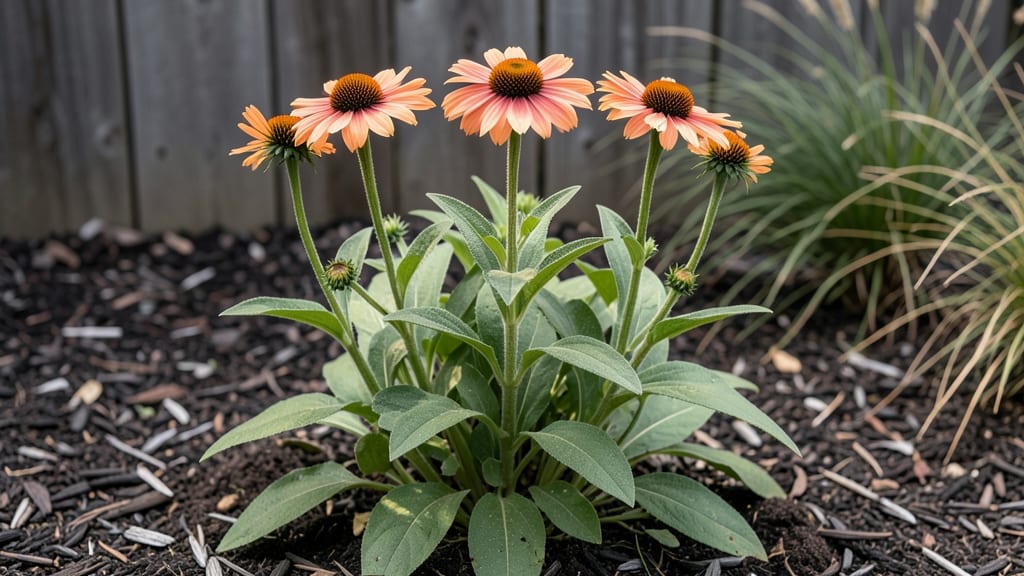
This fiery echinacea hot papaya coneflower turns your garden into a neon sign for pollinators—its bold pink-purple blooms are impossible to ignore. 🌸 I planted mine last spring after seeing a single bloom at the nursery, and now my late-summer garden hums. with bees and butterflies.
The secret isn’t just the color; it’s the plant’s stubborn resilience in tough conditions.
This coneflower thrives in full sun to partial shade, tolerates dry spells once established, and even handles poor soil—though it rewards richer conditions with bigger blooms.
Start seeds indoors 8-10 weeks before last frost or buy transplants in spring; they’ll reward you with 3-4 inches of bold color from midsummer to frost. The key? Water consistently until roots establish, then let nature take over.
You’ll harvest disease-resistant stems for bouquets that last weeks, and the plant self-seeds happily for future seasons. Prune back spent blooms in early spring to encourage fresh growth, and watch as your garden becomes a magnet for wildlife. The payoff? A low-maintenance superstar that outshines anything from a seed packet.
Perfect for borders, pollinator gardens, or cutting gardens—this plant does it all. Let’s get those seeds in the ground and turn your yard into a buzzing paradise.
📚 In This Guide
- What you need
- Instructions
- Tips and common mistakes
- Wrapping up and next steps
What you need
- ● Echinacea 'Hot Papaya' seeds or nursery-grown plants: Seeds: 1–2 packets (50–100 seeds per packet)
- ● Nursery plants: 3–5 plants (for a full, eye-catching display)
- ● Well-draining potting mix or garden soil: For containers: 2–3 gallons of lightweight, organic potting mix (e.g., Pro-Mix or Miracle-Gro)
- ● For in-ground planting: Amend soil with compost or aged manure (1–2 inches mixed into the top 12 inches of soil)
- ● Garden tools: Trowel or hand shovel
- ● Pruners (sterilized)
- ○ Garden gloves (optional but recommended)
- ● Slow-release fertilizer: 10–20–10 NPK ratio (follow package instructions for application)
- ● Mulch: 2–3 inches of straw, wood chips, or pine needles to retain moisture and suppress weeds
- ● Container gardening supplies: Pot with drainage holes (12–18 inches in diameter for each plant)
- ● Saucer or tray (to catch excess water)
- ● Pollinator-friendly companions: Seeds/plants for bee balm, black-eyed Susans, or lavender (to create a thriving ecosystem!)
Step-by-step instructions for planting and cultivating echinacea 'Hot Papaya'
Here’s how to grow this vibrant pollinator magnet with minimal fuss—once established, it thrives with almost no care.
🌱 Step 1: Choose the Perfect Planting Spot
Echinacea 'Hot Papaya' loves full sun—at least 6-8 hours daily—for the richest color and sturdiest stems. I always pick a spot with morning sun and afternoon shade in hotter climates to prevent leaf scorch. The plant’s deep roots appreciate well-draining soil, so avoid low-lying areas where water pools.
If your soil is heavy clay, amend it with 2-3 inches of compost mixed into the top 12 inches of soil. This improves drainage and gives roots room to spread. I test soil pH first—'Hot Papaya' thrives in slightly acidic to neutral soil (6.0-7.0). If yours is alkaline, add elemental sulfur per package instructions before planting.
🪴 Step 2: Plant at the Right Depth and Spacing
Dig holes twice as wide as the root ball but only as deep—planting too deep suffocates the crown. Space plants 18-24 inches apart for full, bushy growth. I like to loosen the roots slightly if they’re circling, then place the plant so the top of the root ball sits just below soil level. This prevents crown rot from sitting water.
Backfill with native soil mixed with 1-2 inches of compost to encourage root establishment. Water deeply right away to settle the soil and eliminate air pockets. Mulch with 2-3 inches of organic mulch (like shredded bark) to retain moisture and suppress weeds. Keep mulch 3 inches away from stems to avoid rot.
☀️ Step 3: Water Deeply and Establish a Routine
For the first 2-3 weeks, water every 2-3 days until the soil is 6 inches deep and moist. After that, 'Hot Papaya' is drought-tolerant once established—water once a week during dry spells, aiming for 1 inch of water per week. You’ll know it’s thirsty when leaves start to droop slightly in the afternoon.
I avoid overhead watering after planting to prevent fungal diseases. Instead, use a soaker hose or drip irrigation at the base. Fertilize lightly in spring with a balanced 10-10-10 fertilizer—too much nitrogen reduces flowering. Deadhead spent blooms in early summer to encourage continuous blooms until frost.
✂️ Step 4: Prune and Divide for Long-Term Health
Cut back brown stems to the ground in late winter or early spring before new growth appears. This clears out old growth and makes room for fresh, vibrant blooms. I also trim back any leggy stems in mid-summer to encourage bushier growth and more flowers.
Every 3-4 years, divide clumps in early spring to rejuvenate the plant. Dig up the entire plant, separate it into 3-4 inch sections with roots and stems, and replant immediately. This prevents overcrowding and keeps blooms abundant. Divided sections establish quickly and often flower the same year.
Tips & tricks for perfect echinacea 'Hot Papaya' cultivation
Here's what I've learned after years of growing this showstopper—tricks that make all the difference between a struggling plant and a garden superstar.
Sunlight Strategy: While 'Hot Papaya' thrives on 6-8 hours of daily sun, I've found the secret is in the timing. Position your plant where it gets morning sun and afternoon shade in hotter climates—this prevents leaf scorch while still delivering the vibrant color we all love. If your garden only offers partial sun, choose the sunniest spot available and supplement with a light shade cloth during peak afternoon hours.
Soil Preparation Secret: The 2-3 inches of compost mixed into the top 12 inches of soil isn't just about drainage—it's about creating the perfect microbial ecosystem. I always add a handful of worm castings to this mix, which introduces beneficial microbes that help the roots establish faster. For alkaline soils, I test the pH first and adjust with elemental sulfur if needed, but I've found that adding a thin layer of pine needles (which naturally acidify) around the base also helps maintain that ideal 6.0-7.0 range over time.
Planting Depth Technique: Getting the depth right in Step 2 is crucial—planting too deep suffocates the crown while too shallow exposes it to rot. I use a simple trick: after placing the plant, press the soil gently around the base until it's firm but not compacted. Then, I make a small well around the stem and add water to settle everything. This creates a natural depression that helps water pool where it's needed most without sitting on the crown.
Pruning Insight: When cutting back brown stems in late winter, I don't just chop everything down—I look for the first set of healthy leaves below the dead growth. Cutting just above these leaves gives the plant a better chance to regenerate quickly. For leggy stems in mid-summer, I make my cuts at a 45-degree angle just above a leaf node, which encourages bushier growth and more flowers.
Pro Tips for Echinacea Hot Papaya Coneflower
- Here's what I've learned after years of growing this showstopper—tricks that make all the difference between a struggling plant and a garden superstar.
- Sunlight Strategy: While 'Hot Papaya' thrives on 6-8 hours of daily sun, I've found the secret is in the timing.
- Soil Preparation Secret: The 2-3 inches of compost mixed into the top 12 inches of soil isn't just about drainage—it's about creating the perfect microbial ecosystem.
Frequently asked questions
When is the best time to plant Echinacea 'Hot Papaya Coneflower'?
The ideal time to plant is in early spring or early fall, when soil temperatures are cool (60–70°F). This gives roots time to establish before summer heat or winter frost. Avoid planting in peak summer—the intense sun can stress young plants.
How long does it take for Echinacea 'Hot Papaya' to bloom?
With proper care, you’ll see vibrant blooms in the first year! Typically, they appear in late spring to early summer and may rebloom lightly in fall. Deadhead spent flowers to encourage more blooms and extend the season.
Can I grow Echinacea 'Hot Papaya' in containers?
This coneflower thrives in 5–7 gallon containers with well-draining soil. Use a mix of potting soil + perlite and place it in full sun to partial shade. Just ensure the pot has drainage holes to prevent root rot.
Why aren’t my Echinacea 'Hot Papaya' flowers attracting pollinators?
If bees and butterflies aren’t visiting, check these fixes:
- Water lightly—dry soil can deter pollinators.
- Plant companion flowers like lavender or black-eyed Susans nearby.
- Ensure no pesticides are harming beneficial insects.
- Blooms may need a little pruning to stay open and accessible.
Does Echinacea 'Hot Papaya' need winter protection?
This hardy perennial (zones 3–9) is low-maintenance in winter! Cut back dead foliage in late winter (just before new growth) and mulch lightly to protect roots. No extra blankets needed—it’s built to handle frost!
Wrapping up and next steps
Growing Echinacea Hot Papaya Coneflower is a rewarding way to add a vibrant splash of color to your garden while supporting pollinators year-round.
This bold purple beauty thrives with minimal fuss—just the right soil, sunlight, and a little TLC—and its striking blooms will turn heads (and attract butterflies!) from early summer to frost. Ready to transform your landscape?
Grab your gloves, pick a sunny spot, and let this pollinator magnet take center stage!
🌱 Next step: Mark your calendar for spring planting (or divide existing clumps in early fall) and watch your garden burst with life!