
Lawn
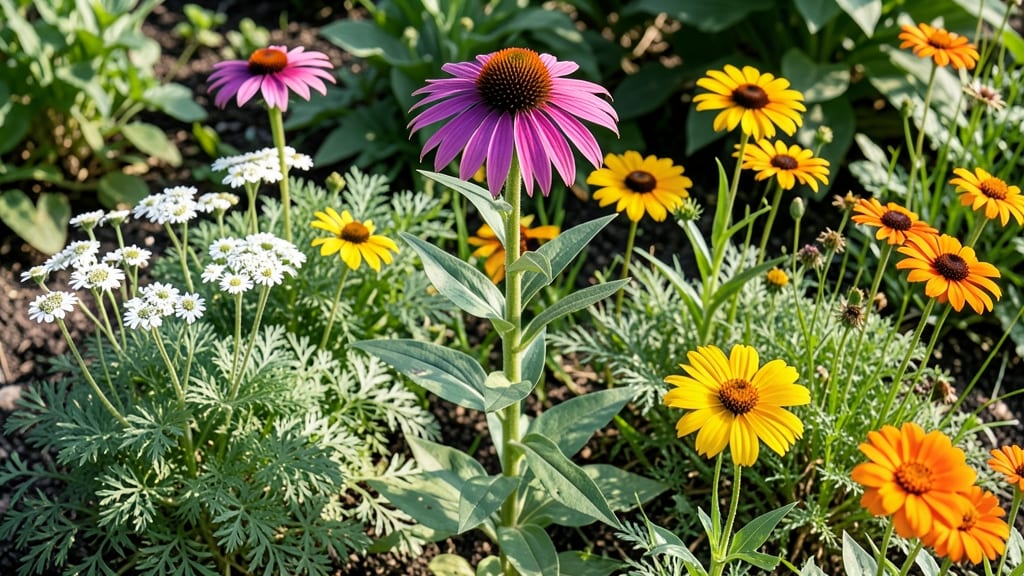
The Eden Brothers wildflower seed mix turns your sunniest patch into a buzzing pollinator paradise—no green thumb required. I planted mine last spring, and by July, bees and butterflies had claimed it as their own, while my neighbors kept stopping to ask what I'd done.
The secret lies in the right soil, timing, and a little patience, but the payoff is worth every minute.
You’ll need a sunny spot with well-draining soil (even rocky ground works), a rake for light prep, and about 1 pound of seed per 1,000 square feet—that’s roughly a 50-foot-by-20-foot strip. Scatter the tiny seeds thinly (they’re not greedy), then lightly cover with soil.
Water gently but don’t drown them; these wildflowers thrive on neglect once established. Most varieties sprout within 7-14 days, though some take longer—don’t panic if your patch stays quiet for a few weeks.
By midsummer, you’ll have a riot of color—purples, yellows, and whites—that keeps blooming until frost. The real magic? Your garden becomes a pollinator hotel, with bees, butterflies, and hummingbirds visiting daily.
Weeds will pop up, but a quick hand-pulling session keeps things tidy. Once rooted, these flowers need almost no care, making them perfect for busy gardeners or lazy afternoons.
This mix works in zones 3-10, so whether you’re in the desert Southwest or the chilly Midwest, the same rules apply. For extra drama, plant near shrubs like lavender or salvia—they’ll complement the wildflowers beautifully.
Ready to turn that sunny corner into a living, breathing ecosystem? Let’s get those seeds in the ground.
📚 In This Guide
- What you need
- Instructions
- Tips and common mistakes
- Wrapping up and next steps
What you need
- ● Eden Brothers Wildflower Seed Mix – 1 lb (or more, depending on area size) (check the label for exact coverage rates).
- ● Prepped soil – Clear debris, loosen top 2–3 inches of soil, and rake smooth.
- ● Water source – Hose with a gentle spray nozzle or watering can.
- ○ Optional starter fertilizer – A low-nitrogen, phosphorus-rich blend (like 5-10-10) to boost early growth.
- ● Garden rake – For smoothing soil and covering seeds lightly.
- ● Broadcast spreader – Ensures even seed distribution (especially for larger areas).
- ○ Mulch or straw – 1–2 inches to retain moisture (optional but recommended for dry climates).
- ● Garden twine & stakes – If marking rows for organization.
- ● Pruners or shears – For trimming spent blooms later in the season.
- ● A sunny location – At least 6–8 hours of direct sunlight daily.
- ● Well-draining soil – Amend heavy clay with compost if needed.
- ● Patience! – Germination takes 7–21 days (depending on weather).
Step-by-Step guide to planting Eden Brothers wildflower seed mix
Here’s how to transform your sunny patch into a thriving pollinator paradise.
🌱 Step 1: Prepare the Soil for Optimal Germination
The Eden Brothers Wildflower Seed Mix thrives in well-draining soil with minimal disturbance. Start by clearing the area of weeds and debris—pull any established plants or grass by hand to avoid tilling, which disrupts soil structure and beneficial microbes. Loosen the top 4-6 inches of soil with a broadfork or garden fork, breaking up compaction without inverting layers.
Wildflowers are tough but appreciate a nutrient boost. Spread ½ cup of 5-10-10 fertilizer evenly over the prepared area and lightly rake it into the top inch of soil. This ensures slow-release nutrition without overfeeding, which can inhibit germination. Test the soil moisture—it should feel like a damp sponge when squeezed. If it’s dry, water deeply until moisture reaches 6 inches down.
☀️ Step 2: Scatter Seeds for Natural, Dense Blooms
Wildflower seeds are tiny, so precision matters. Divide the Eden Brothers Wildflower Seed Mix into portions if planting multiple areas. Scatter seeds by hand, walking slowly to avoid clumping—aim for 10-15 seeds per square foot. For larger areas, use a seed spreader set to its lowest setting to maintain even coverage. A light hand prevents overcrowding while ensuring enough seeds establish.
Gently rake the area with a fine-tooth rake, pressing seeds just ¼ inch deep into the soil. This ensures good soil contact for moisture uptake but doesn’t bury them too deeply. If planting in windy conditions, lightly mist the area with water to help seeds settle. Avoid heavy watering immediately—this can wash seeds away or create a crust that blocks germination.
💧 Step 3: Maintain Moisture Without Overwatering
Keep the soil consistently moist for the first 4-6 weeks, which is critical for seedling establishment. Water lightly in the morning to allow foliage to dry, reducing disease risk. Use a soaker hose or drip irrigation to deliver water directly to the soil without disturbing seedlings. Aim for ½ inch of water per week, adjusting for rainfall—too much can cause rot, while too little stunts growth.
Once seedlings reach 2-3 inches tall, reduce watering frequency. Wildflowers develop deep roots and become drought-tolerant, but young plants need consistent moisture. You’ll know you’re on track when seedlings show first true leaves (not the initial seed leaves) and stand upright without wilting. Mulch lightly with straw or shredded leaves to retain moisture and suppress weeds.
✂️ Step 4: Thin and Support for Long-Term Beauty
As seedlings grow, thin them to 6-12 inches apart, depending on the mix’s mature size. Use scissors to snip unwanted seedlings at soil level—this prevents disturbing roots of remaining plants. Thinning ensures each plant gets adequate sunlight and nutrients, leading to stronger blooms. Watch for first flowers appearing in 6-8 weeks; at this stage, you can begin deadheading spent blooms to encourage continuous flowering.
Wildflowers often self-seed prolifically, so monitor the area in late summer. If the mix becomes too dense, thin again in early fall to prevent overcrowding. Avoid fertilizing after establishment—wildflowers thrive in lean soil and benefit from natural nutrient cycling. By late fall, you’ll have a vibrant, low-maintenance meadow that supports bees, butterflies, and birds year after year.
Tips & tricks for perfect wildflower meadow planting
Between us, the devil's in the details when it comes to transforming your yard into a pollinator paradise. Here's what nobody tells you about making this wildflower mix truly thrive.
Soil Prep Precision: In Step 1, when you're loosening that top 4-6 inches, focus on breaking up compaction without creating a powdery texture. Think of it like fluffing a pillow—just enough to create air pockets while maintaining structure. I've seen gardeners over-till this area, which actually destroys soil microbes that help seeds establish. A broadfork is your best tool here; it aerates without inverting layers that disrupt beneficial fungi and bacteria.
Fertilizer Timing: That ½ cup of 5-10-10 fertilizer in Step 1 is your secret weapon, but timing matters. Spread it after loosening the soil but before seeding—this prevents the fertilizer from burning delicate seedlings. I've learned this the hard way after seeing seedlings fail when fertilizer was applied too early. Lightly rake it in just enough to incorporate it into the top inch without creating pockets of concentrated nutrients.
Seed Distribution Strategy: For Step 2's 10-15 seeds per square foot, here's my game-changer: Divide your planting area into 1-foot squares using a string or garden hose. This creates visual guides that prevent the common mistake of overcrowding in some areas and sparse planting in others. Walk slowly in one direction, scattering seeds as you go, then turn 90 degrees and repeat. This cross-pattern ensures even coverage without clumping.
Watering Wisdom: The 4-6 week moisture window in Step 3 is non-negotiable, but how you deliver that water makes all the difference. I've found that morning watering prevents fungal issues by allowing foliage to dry completely before evening. Use a soaker hose set to deliver water at the base of plants—this mimics natural rainfall patterns and prevents the soil crusting that can suffocate seedlings. The key is consistency: aim for that ½ inch per week, but check frequently during heatwaves when evaporation rates increase dramatically.
Pro Tips for Eden Brothers Wildflower Seed Mix
- Between us, the devil's in the details when it comes to transforming your yard into a pollinator paradise.
- Soil Prep Precision: In Step 1, when you're loosening that top 4-6 inches, focus on breaking up compaction without creating a powdery texture.
- Fertilizer Timing: That ½ cup of 5-10-10 fertilizer in Step 1 is your secret weapon, but timing matters.
Frequently asked questions
Got questions about transforming your sunny spaces with Eden Brothers Wildflower Seed Mix? You’re not alone! Here are some of the most common queries—and their answers—to help you grow confidently.
When is the best time to plant this seed mix?
The ideal planting window is late spring to early summer (after the last frost) or early fall (6-8 weeks before the first frost). These seeds thrive in warm soil and need consistent moisture to germinate. For Southern climates, fall planting can extend blooms into winter!
How often should I water after planting?
Keep the soil evenly moist (not soggy) for the first 2-3 weeks—water lightly daily if it’s dry. Once seedlings sprout (7-14 days), reduce to 1-2 inches per week. After establishment, wildflowers are drought-tolerant, but deep watering 1-2x/week encourages robust growth.
Will this mix really attract pollinators like bees and butterflies?
Absolutely!
This blend includes native species like Black-Eyed Susan and Purple Coneflower, which are pollinator magnets. For even more buzz, plant near herbs (like lavender) or avoid pesticides. Pro tip: Add a shallow water source (like a saucer with pebbles) to give them a drink!
Can I plant this mix in containers or small gardens?
Yes! Use a well-draining potting mix in containers at least 6 inches deep. Choose compact varieties like Cosmos or Zinnias for smaller spaces. Just ensure they get 6+ hours of sun daily—wildflowers need light to flourish!
What if my seeds don’t germinate?
Try these fixes:
- Check soil temp: Seeds need soil at 60°F+ to sprout.
- Test moisture: Press your finger 1 inch into soil—it should feel damp, not dry.
- Be patient: Some varieties take up to 3 weeks to appear.
- Replant: If no sprouts after 4 weeks, lightly rake and reseed.
Still stuck? Contact Eden Brothers—they’re happy to help troubleshoot!
Wrapping up and next steps
Transforming your outdoor space into a vibrant, pollinator-friendly haven is easier than ever with the Eden Brothers Wildflower Seed Mix! These sun-loving blooms not only add beauty but also support local ecosystems by attracting bees, butterflies, and hummingbirds.
Whether you're a seasoned gardener or just starting out, this mix is your ticket to effortless, low-maintenance color and life.
Ready to take the next step? Grab your seeds, pick a sunny spot, and let nature do the rest! 🌻 Start small—plant a patch, a border, or even a container garden—and watch your yard buzz with activity in no time.