
Flowers
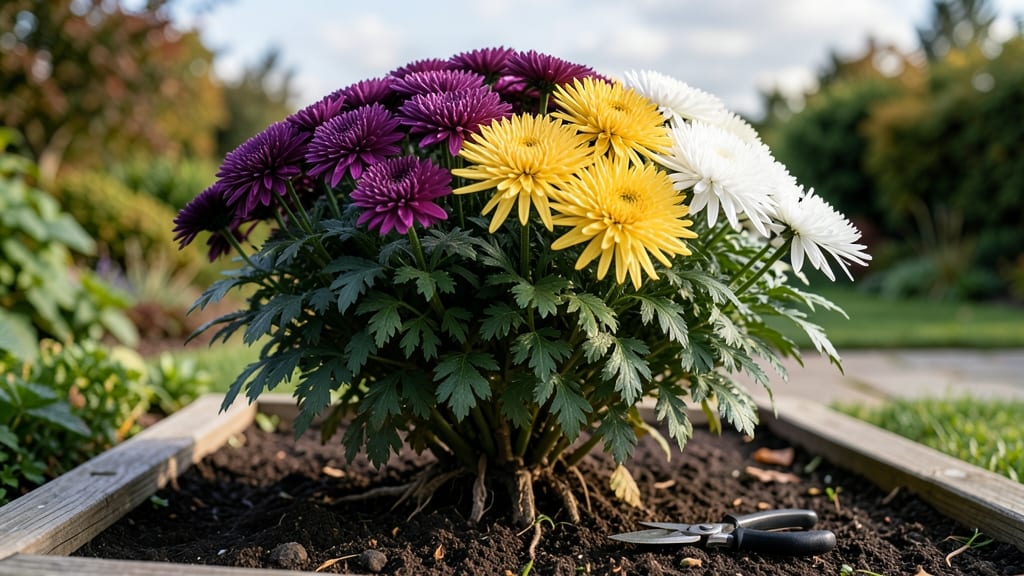
Fall flower names like goldenrod, asters, and chrysanthemums instantly transform your garden into a cozy, colorful masterpiece when summer fades. 🌻 I remember the first time I planted a border of deep burgundy asters—they held onto their color through frost, defying the graying days.
These late-season stars aren't just pretty; they're the unsung heroes of autumn gardens, keeping pollinators fed and your landscape lively until winter arrives.
The best part? These flowers work in every garden style, from cottage charm to modern minimalism. A single pumpkin-orange chrysanthemum makes a statement in a simple planter, while a mix of lavender-blue asters and cream-colored goldenrod creates a dreamy, wildflower meadow vibe.
They pair beautifully with seasonal decor too—think rustic gourds, dried corn stalks, or even a few scattered pinecones for texture. The possibilities are endless, and the best part is that most thrive with minimal fuss.
You'll end up with a garden that feels like a warm hug—rich colors that pop against the crisp air, textures that invite you to linger, and a sense of seasonal celebration. These flowers don't just survive fall; they shine in it, turning your outdoor space into a year-round showstopper.
Whether you're going for whimsical, elegant, or effortlessly natural, these blooms deliver every time.
Perfect for gardeners who love seasonal transitions or those planning a fall-themed display. The key is mixing heights, colors, and textures to create depth—just like layering a perfect autumn sweater. Let's dive into the best fall flowers to make your garden the talk of the neighborhood this season.
📚 In This Guide
- What you need
- Instructions
- Tips and common mistakes
- Wrapping up and next steps
What you need
- ● Seeds or young plants: 1–2 lbs of fall-blooming flower seeds (e.g., chrysanthemums, asters, marigolds, or mums) or 5–10 potted plants (depending on garden size).
- ○ Optional: Native fall flowers like goldenrod or black-eyed Susans for pollinator-friendly gardens.
- ● Soil amendments: 1–2 bags of well-draining potting mix or compost (for containers or poor soil).
- ● 1 lb of slow-release fertilizer (10-10-10 or organic options like bone meal for blooms).
- ● Mulch: 2–3 bags of organic mulch (straw or shredded bark) to retain moisture and regulate soil temp.
- ● Basic gardening tools: 1 trowel or hand shovel
- ● 1 pair of pruning shears (for deadheading or shaping)
- ● 1 garden fork (for loosening soil)
- ● 1 watering can or hose with a gentle spray nozzle (fall flowers need consistent moisture!).
- ○ Optional (but helpful!): Gloves (to protect hands from thorns or soil)
- ● Stakes or plant supports (for taller varieties like asters)
- ● pH test kit (to check soil acidity—most fall flowers prefer 6.0–7.0)
- ● Sunlight: Confirm your garden spot gets at least 4–6 hours of sunlight daily (most fall flowers thrive in full sun).
- ● Timing: Start seeds 8–10 weeks before your first frost (or buy young plants in early fall).
- ● Plant annuals like marigolds 6–8 weeks before frost for continuous blooms.
- ● Climate notes: Adjust for your USDA hardiness zone—cool-season flowers (e.g., pansies) may need protection in Zone 3–5.
How to curate a stunning fall flower garden
Fall gardens burst with color when you choose the right seasonal blooms—here’s how to build a palette that thrives.
🌿 Step 1: Select Flowers for Seasonal Timing
Start by picking flowers that bloom in late summer through frost, like mums, asters, and chrysanthemums. These work because they naturally extend the season’s vibrancy. I always include sunflowers for height and pansies for early fall color—they’re tough and keep blooming even as temperatures drop.
Check each flower’s first frost tolerance—some, like black-eyed Susans, handle light frosts, while others, like dahlias, need protection. Group them by bloom duration: short-season flowers (like celosia) go in the front, while long-season stars (like sedum) anchor the back.
☀️ Step 2: Plan for Sun and Soil Needs
Fall flowers need at least 6 hours of sunlight daily, but some, like Japanese anemones, tolerate partial shade. Test your garden’s light spots now—move plants if they’re crowding or shading each other. I dig a small hole near each spot to check soil drainage; soggy roots kill fall blooms faster than cold.
Amend heavy clay soil with 2-3 inches of compost before planting—fall flowers reward good soil with longer blooms. For containers, use a lightweight potting mix with added perlite to prevent waterlogging. The goal? Soil that drains well but holds enough moisture for roots.
🌱 Step 3: Arrange for Height and Color Flow
Tall flowers (like sunflowers or tall asters) go in the back, medium-height (like mums or salvia) in the middle, and low growers (like pansies or snapdragons) in front. This creates a natural waterfall effect that draws the eye through the season.
Mix warm tones (oranges, reds) with cool tones (purples, blues) for contrast. For example, pair deep purple asters with golden sedum—they’ll complement each other until frost. Space plants 12-18 inches apart (check tags!) to avoid overcrowding as they fill out.
💧 Step 4: Water and Fertilize for Late-Season Strength
Water deeply 2-3 times per week until top 2 inches of soil feel dry—fall blooms need steady moisture but hate soggy roots. Mulch with 2-3 inches of shredded leaves or straw to insulate roots and retain moisture. I always skip high-nitrogen fertilizers this time of year; they encourage leafy growth over flowers.
Instead, use a balanced, slow-release fertilizer (like 10-10-10) once in early fall—this fuels blooms without promoting late-season foliage. Deadhead spent flowers weekly to encourage new blooms until frost. The key? Keep them blooming as long as possible.
⏰ Step 5: Protect from Early Frost
Watch your local frost date and cover tender plants (like dahlias or cannas) with frost cloth when temps drop below 32°F. I also move potted flowers to a sheltered porch or garage at night if frost is forecasted. Even hardy flowers (like mums) benefit from a light blanket of mulch to shield roots.
Don’t cut back dead foliage until spring—it protects roots from freeze-thaw cycles. The only exception? Annuals (like celosia) can be removed after frost to make room for spring planting. This simple step keeps your garden looking tidy and protects next year’s blooms.
Tips & tricks for perfect fall flower arrangements
Creating a fall garden that pops with seasonal charm takes a few strategic moves—here's how to elevate your flower palette beyond basic blooms.
Seasonal Bloom Pairing: For the most dramatic fall displays, pair mums with black-eyed Susans and asters—this trio creates a natural color progression from warm yellows to deep purples. I've found that adding goldenrod to this mix creates a golden hour effect that lasts all season. The key is balancing bold colors with neutrals like sedum to prevent visual overload.
Sunlight Strategy: In Step 2, when testing your garden's light spots, pay special attention to areas that get morning sun but afternoon shade—these spots are perfect for Japanese anemones and columbines. I've seen many gardeners overlook these transitional zones, but they're actually ideal for fall flowers that need some shade protection. Use a simple flashlight test at noon to identify these spots before planting.
Soil Prep Secret: That 2-3 inches of compost in Step 2 is non-negotiable, but here's a pro move: mix in 1/4 cup of bone meal per planting hole for flowers like dahlias and canas. The phosphorus boosts root development and extends bloom time through frost. Just be sure to work it into the soil at least 2 weeks before planting to let it integrate properly.
Frost Protection Hack: When temps drop below 32°F in Step 5, I've found that using burlap sacks instead of frost cloth works better for taller plants like sunflowers. The breathable fabric allows more airflow while still providing protection. For container plants, wrap them in newspaper first, then add the frost cloth—this extra layer traps more heat without smothering the plants.
Pro Tips for Fall Flower Names
- Creating a fall garden that pops with seasonal charm takes a few strategic moves—here's how to elevate your flower palette beyond basic blooms.
- Seasonal Bloom Pairing: For the most dramatic fall displays, pair mums with black-eyed Susans and asters—this trio creates a natural color progression from warm yellows to deep purples.
- Sunlight Strategy: In Step 2, when testing your garden's light spots, pay special attention to areas that get morning sun but afternoon shade—these spots are perfect for Japanese anemones and columbines.
Frequently asked questions
Got questions about fall flower names and how to make the most of your autumn garden? Here are some of the most common queries—and their answers—to help you plan with confidence!
When is the best time to plant fall flowers?
Most fall-blooming flowers thrive when planted 4–6 weeks before your first frost (typically late summer to early fall). Cool-season favorites like mums and aster love soil temps between 50–70°F. Check your USDA zone for precise timing—just don’t wait until October!
What are the easiest fall flowers for beginners?
Start with low-maintenance stars like black-eyed Susans, goldenrod, or sedum. These tough beauties tolerate drought, pests, and even light frost. For instant color, try pansies or coral bells—they bloom until winter’s chill sets in!
Can fall flowers survive winter?
Some do! Hellebores (Lenten roses) and winter aconite bloom in cold months, while ornamental kale adds foliage color. Others, like mums, may fade but return yearly. Mulch roots in late fall to protect them from harsh temps.
How do I extend fall blooms into winter?
Prune spent blooms (like dahlias) to redirect energy, and choose evergreen varieties like hollyhocks or Russian sage. Deadhead asters to encourage more flowers, and add a layer of straw mulch to insulate roots. Bonus: Poinsettias (yes, they’re flowers!) thrive indoors until spring!
What if my fall flowers don’t bloom?
Check for these fixes:
Too much shade? Move sun-lovers (sunflowers, zinnias) to brighter spots.
Overwatered? Fall flowers often wilt in soggy soil—ensure good drainage.
No fertilizer? A light dose of bone meal or compost in early fall can boost blooms.
Pests? Spider mites or aphids sap energy—spray with neem oil if needed.
Wrapping up and next steps
From cozy mums to bold aster blooms, fall flowers bring warmth, texture, and charm to any garden—no matter your style!
Whether you’re drawn to rustic cottage gardens, sleek modern landscapes, or whimsical cottagecore vibes, these seasonal beauties offer endless inspiration. Now’s the perfect time to sketch your dream palette, gather plants, and transform your outdoor space into a vibrant autumn haven.
🌿 Ready to dive in? Start by browsing local nurseries or online seed shops for your top picks, then plan your layout with seasonal transitions in mind. Happy gardening! 🍂