
Propagation
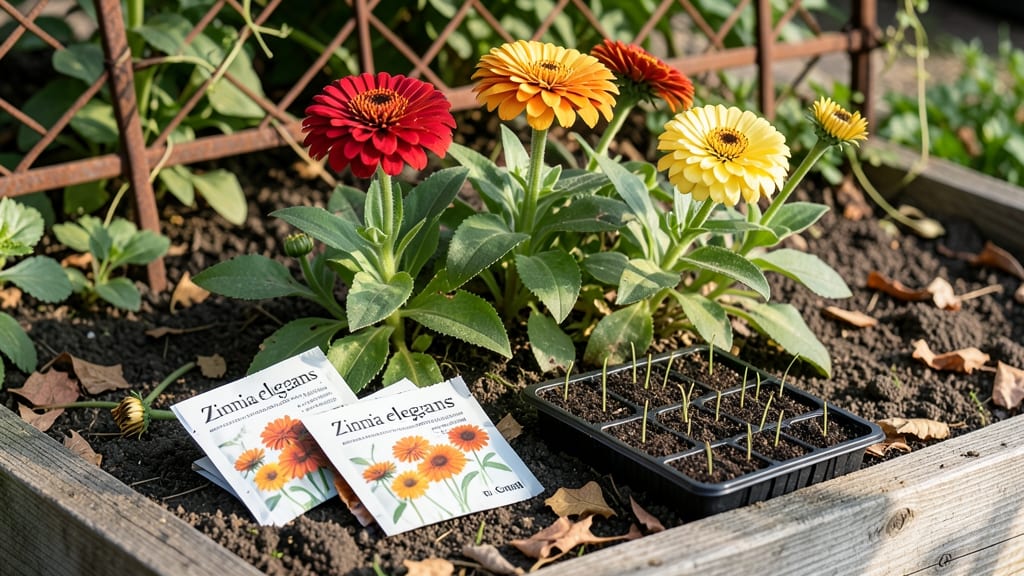
Fast-growing flowers from seed mean vibrant blooms in 2 weeks—no waiting months for color to appear. 🌱 I learned this the hard way after planting slow-germinating varieties that took forever to show results.
The secret is choosing the right flowers and giving them exactly what they need from day one.
Cosmos, zinnias, and marigolds top the list for speed, popping up in just 5-7 days with the right warmth and moisture. You’ll need a sunny spot (at least 6 hours of light daily), a lightweight seed-starting mix, and containers with drainage.
The key is keeping soil consistently moist but not soggy—think damp sponge, not swamp.
Once sprouts appear, you’ll see rapid growth if you fertilize lightly every 2 weeks with a balanced formula. Pinch back leggy seedlings to encourage bushier plants, and watch for pests like aphids—spray with soapy water if you spot them early.
By week 3, you’ll have lush, blooming plants ready to fill your garden.
Work best in spring and fall for most climates, but some varieties (like nasturtiums) handle cool weather too. Start indoors 4-6 weeks before last frost for a head start, or direct-sow after soil warms to 50°F. The payoff? A garden bursting with color in record time—no patience required.
📚 In This Guide
- What you need
- Instructions
- Tips and common mistakes
- Wrapping up and next steps
What you need
- ● Fast-growing flower seeds: Choose from varieties like Zinnias, Marigolds, Sunflowers, or Cosmos—all bloom in 10-14 days!
- ● Seed-starting trays or biodegradable pots: 2-4" deep, with drainage holes (10-20 pots, depending on quantity).
- ● High-quality seed-starting mix: Lightweight, sterile, and well-draining (1-2 bags, ~1 cubic foot per tray).
- ● Watering can or spray bottle: With a fine mist nozzle for gentle hydration.
- ● Grow lights or sunny windowsill: 6-8 hours of light daily (grow lights are ideal for consistent results).
- ● Plant labels: To track varieties (wooden sticks or plant markers).
- ○ Heat mat (optional): Speeds germination for cooler climates (70-75°F range).
- ● Fertilizer (mild, water-soluble): Diluted to half-strength after sprouting (e.g., 5-5-5 or fish emulsion).
- ● Humidity dome or plastic wrap: Keeps seeds moist during germination.
Step-by-step guide to growing fast-blooming flowers from seed
Here’s how to coax vibrant blooms from seed in record time—no patience required.
🌱 Step 1: Select the Right Seeds and Prep the Soil
Pick annuals with 7-14 day germination times like cosmos, zinnias, or sunflowers. These varieties are bred to bloom fast, so check seed packets for "quick-start" labels. I always soak seeds overnight in lukewarm water—this softens tough outer shells and speeds up germination by 24-48 hours. The reason? Many fast-growing seeds have protective coatings that slow moisture absorption.
Use a lightweight seed-starting mix (never garden soil—it’s too dense and may harbor pathogens). Fill your containers to ½ inch below the rim, then water until the surface looks damp but not soggy. Press the mix down gently so it’s firm enough to hold seeds in place but still loose enough for roots to push through. Tap the container once or twice to settle everything evenly.
💧 Step 2: Plant and Maintain Ideal Moisture
Scatter seeds ¼ inch deep—this is shallow enough for quick germination but deep enough to protect them from drying out. I use a toothpick to create tiny holes for larger seeds like sunflowers, then drop them in one by one. Cover lightly with a sprinkle of mix, then mist the surface with a spray bottle until evenly moist. You’ll know it’s right when the soil looks slightly damp but not glistening.
Here’s the thing—don’t overwater now. Fast-growing seeds need consistent moisture, but too much can drown them before they sprout. Place containers in a humidity tray (a shallow dish with pebbles and water) to keep air moist without soggy soil. Check daily and add water only if the top ⅛ inch feels dry. Germination happens fastest at 70-75°F, so a sunny windowsill or seedling heat mat works best.
☀️ Step 3: Provide Bright Light Immediately
The instant seeds sprout, move them to the brightest light source you have. A south-facing window rarely cuts it—seedlings stretch toward light (called "leggy") and never recover. I use a full-spectrum LED grow light positioned 2-3 inches above the plants. Raise it as they grow to maintain that gap. You’ll see leggy growth as thin, pale stems with leaves spaced far apart.
Strong seedlings have thick stems, deep green color, and compact spacing between leaves. Rotate containers ¼ turn daily so plants grow upright instead of leaning. Fast bloomers need 14-16 hours of light daily, so supplement with a timer if natural light is limited. If leaves yellow or stems bend, your light is too far away—move it closer immediately.
✂️ Step 4: Thin and Fertilize for Speed
Once seedlings show first true leaves (not the initial seed leaves), thin to 1 plant per cell if crowded. Use scissors to snip weak stems at soil level—this prevents shock from pulling. I always leave the strongest seedling, identifiable by its boldest color and sturdiest stem. The reason we thin now? Crowded plants compete for nutrients and bloom slower.
Feed with a balanced liquid fertilizer (like 10-10-10) at ½ strength two weeks after sprouting. Fast growers need nutrients to push blooms quickly, but too much fertilizer burns tender roots. Water deeply after fertilizing to help roots absorb nutrients. Watch for buds forming in 7-10 days—that’s your signal everything’s working.
Tips & tricks for perfect fast-blooming flowers from seed
Real talk: Turning seeds into blooms in just two weeks feels like magic—but these tricks make it happen every time.
Seed Selection Secret: Beyond the 7-14 day germination window, look for seed packets labeled "early bloom" or "fast-flowering." I've found that cosmos and zinnias consistently deliver in 10-12 days from planting, while sunflowers take the full 14 days. The key is choosing varieties specifically bred for speed—regular garden flowers often take 3-4 weeks. Pro tip: Check the back of packets for "days to bloom" metrics, not just germination times.
Temperature Control: Those 70-75°F instructions aren't arbitrary—they're the sweet spot for enzymatic activity in fast-growing seeds. If your home runs cooler, place containers on a heating pad set to "low" or use a seedling heat mat. I've seen germination times stretch to 3-4 days in 60°F conditions, completely derailing your two-week timeline. For extra speed, place containers in a warm, sunny window during the day and move them to a slightly warmer spot at night.
Lighting Strategy: The 14-16 hours of light requirement is non-negotiable for fast bloomers, but here's what nobody tells you: Use a timer for your grow light. Most people forget to turn it off, which stresses seedlings. Set it for 14 hours on/10 hours off, and your plants will grow like they're in a greenhouse. I also recommend placing a small fan nearby on low—this mimics natural wind conditions and strengthens stems, preventing that weak, leggy growth you see with static lighting.
Fertilizer Timing: The two-week mark for fertilization isn't just arbitrary—it's when your seedlings have developed enough root mass to handle nutrients without burning. Here's my trick: Mix your fertilizer with water in a spray bottle and mist the soil lightly rather than pouring. This prevents salt buildup that can occur with liquid fertilizer. Watch for those buds forming 7-10 days after fertilizing—when you see them, you know you're on track for blooms in record time.
Pro Tips for Fast Growing Flowers From Seed
- Real talk: Turning seeds into blooms in just two weeks feels like magic—but these tricks make it happen every time.
- Seed Selection Secret: Beyond the 7-14 day germination window, look for seed packets labeled "early bloom" or "fast-flowering."
- Temperature Control: Those 70-75°F instructions aren't arbitrary—they're the sweet spot for enzymatic activity in fast-growing seeds.
Frequently asked questions
Got questions about growing fast-blooming flowers from seed?
You’re not alone! Here are answers to the most common queries to help you get stunning blooms in no time.
How soon can I expect flowers after planting seeds?
Most fast-growing flowers like cosmos, zinnias, or marigolds bloom in 4-8 weeks from seed, depending on the variety. For example, cosmos can flower in just 2-3 weeks under ideal conditions (warm soil, full sun, and consistent moisture). Check the seed packet for specific timelines!
Can I grow these flowers indoors before transplanting?
Start seeds indoors 2-4 weeks before the last frost using seed trays or small pots with well-draining soil. Place them near a sunny window or under grow lights (12-16 hours/day). Harden off seedlings for 5-7 days before moving them outside to avoid shock.
What’s the best way to keep seeds moist without overwatering?
Use a spray bottle or misting nozzle to water seeds gently, keeping the soil damp (not soggy). Place trays on a humidity dome or cover with plastic wrap until germination. Once sprouted, water from the bottom (by placing trays in shallow water) to prevent fungal issues. Pro tip: Use a moisture meter to monitor soil hydration!
Why aren’t my seeds germinating? Troubleshooting tips?
Seeds may fail to sprout due to cold soil, poor drainage, or old seeds. Ensure soil stays between 65-85°F (use a heat mat if needed). Test seed viability by soaking a few in water—if they sink, they’re likely good. For stubborn seeds, try scarification (lightly sanding the seed coat) or a warm, damp paper towel to kickstart germination.
Are there any fast-growing flowers that thrive in shade?
While most fast bloomers love sun, try impatiens, begonias, or snapdragons for partial shade. These can flower in 3-6 weeks with 4+ hours of indirect light and consistent moisture. Avoid heavy shade—even these varieties need some brightness to thrive!
Can I reuse soil from last year’s fast-growing flowers?
Reuse soil only if it’s disease-free and amended with fresh compost. Fast-growing flowers deplete nutrients quickly, so mix in organic matter (like worm castings or aged manure) to replenish them. Sterilize soil by baking it at 200°F for 30 minutes if you suspect pests or pathogens.
Wrapping up and next steps
Growing fast-blooming flowers from seed is a rewarding way to add instant color and joy to your garden—without waiting months! 🌸 From sun-loving zinnias to cheerful cosmos, these speedy bloomers prove that patience pays off in just weeks.
Whether you're a beginner or a seasoned gardener, these easy-to-grow varieties make it simple to transform bare soil into a vibrant display.
Now that you’re armed with the best picks, tips, and troubleshooting tricks, it’s time to roll up your sleeves and start sowing. Grab those seeds, prep your containers, and let nature do the magic—your garden will thank you! 🌱✨