
Flowers
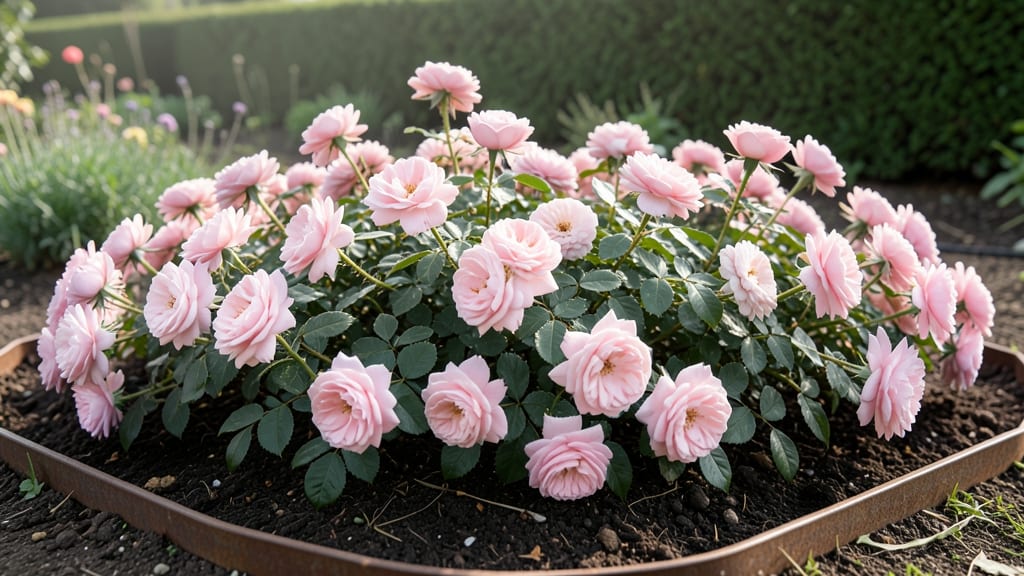
Pink 'Flower Carpet' roses don’t just cover the ground—they transform it into a vibrant, weed-smothering masterpiece that turns every corner of your garden into a showstopper. 🌸 I remember the first time I saw one: a sea of pink blooms spilling over a slope, so dense you could barely tell where the plant ended and the soil began.
This isn’t just ground cover—it’s a living carpet that blooms from spring to fall, outcompeting weeds before they even think about taking root.
The magic lies in its low-growing, sprawling habit, perfect for borders, slopes, or even under trees where grass struggles. Pair it with lavender for a romantic cottage garden vibe, or contrast it with deep purple salvia for a modern, striking look.
In wildflower gardens, it blends seamlessly, adding structure while keeping the airy, natural feel. The key? Plant in full sun to partial shade and give it room to spread—12 to 18 inches apart for that lush, seamless effect.
By midsummer, you’ll have a sea of blooms that hums with pollinators and smells like a spring bouquet. The foliage stays dense and healthy with minimal pruning—just a light trim after the first flush of flowers to keep it tidy.
In fall, the roses turn a soft burgundy, adding warmth before winter. Whether you’re softening a shady corner or creating a bold, weed-free border, this plant does the heavy lifting while looking effortlessly elegant.
Works in small city gardens or large landscapes, under trees, or as a living mulch in vegetable beds. The secret? Let it grow wild—but with purpose. Here’s how to make it the star of your design without the fuss.
📚 In This Guide
- What you need
- Instructions
- Tips and common mistakes
- Wrapping up and next steps
What you need
- ● Flower Carpet Rose Pink plants – 9–12 plants per 100 sq. ft. (for full coverage). Choose healthy, well-established nursery-grown plants.
- ● Well-draining soil – A mix of garden soil, compost, and perlite (or sand) in a 60:30:10 ratio for optimal aeration.
- ○ Mulch (optional but recommended) – 2–3 inches of organic mulch (like shredded bark or pine needles) to retain moisture and suppress weeds.
- ● Garden trowel or spade
- ● Garden gloves (to protect your hands)
- ● Watering can or hose with a gentle spray nozzle
- ● Measuring tape or string & stakes (for marking planting areas)
- ● Pruners (for trimming after planting)
- ● A sunny to partially shaded location (6+ hours of sunlight daily for best blooms).
- ● Well-prepared soil (amend with compost if needed).
- ● Regular watering schedule (keep soil moist for the first 2–3 weeks).
Step-by-Step planting for a lush flower carpet rose pink ground cover
Here's how to establish a vibrant, weed-blocking rose carpet that thrives for years.
🌱 Step 1: Prepare the Soil for Optimal Root Spread
Flower Carpet roses demand well-draining soil rich in organic matter. Work the first 12 inches of soil deeply, amending with 3-4 inches of compost mixed thoroughly. These roses hate soggy roots, so if your soil compacts easily, add sand or perlite to improve aeration. Test the pH—aim for 6.0-6.5. If your soil tests higher, mix in sulfur to lower the pH gradually over a few months.
Here's the thing—these roses spread aggressively, so don't skimp on soil prep. The better the foundation, the faster they'll smother weeds and fill in gaps. I like to rake the surface smooth afterward, creating a fine seedbed texture that encourages even root contact with the amended soil.
🪴 Step 2: Space Plants Strategically for Full Coverage
Plant bare-root roses 2-3 feet apart or container-grown roses 18-24 inches apart in rows spaced 2-3 feet apart. This spacing gives roots room to establish before they begin spreading horizontally. Dig holes twice as wide as the root ball but only as deep—the graft union should sit 2 inches above soil level to prevent rot.
Don't rush planting. Water the hole thoroughly before placing the rose, then backfill with native soil mixed with a handful of bone meal for phosphorus. Firm the soil gently around the roots but avoid compacting it. The goal is to eliminate air pockets while keeping the root ball snug in its new home.
☀️ Step 3: Provide Ideal Light and Watering Conditions
Flower Carpet roses thrive in full sun (6-8 hours daily) but tolerate partial shade in hot climates. In the first 2-3 weeks, water deeply every 2-3 days until new growth appears. You'll know you're doing it right when the soil feels moist 2-3 inches down but not saturated.
After establishment, reduce watering to once weekly during dry spells, but check the soil first—water only when the top 1-2 inches feel dry. Overwatering is the #1 killer of these roses. Mulch with 2-3 inches of shredded bark to retain moisture and suppress weeds, but keep mulch 6 inches away from stems to prevent rot.
✂️ Step 4: Prune and Maintain for Dense Growth
Prune new growth back by ⅓ in early spring to encourage bushier, more compact plants. Remove only the tips of stems—never cut into old wood. Deadhead spent blooms regularly to redirect energy into foliage growth rather than seed production. This keeps the carpet thick and weed-free.
Here's where it gets fun—watch for suckers (shoots growing from the base) in late summer. These are your free propagation source! Snip them off, replant in gaps, and you'll have denser coverage next season. Fertilize lightly in spring with a balanced rose fertilizer (10-10-10) to support vigorous growth without excessive flowering that weakens the plants.
Tips & tricks for perfect flower carpet rose pink ground cover
Real talk: The secret to a thriving rose carpet lies in the details—so let's cut through the guesswork and focus on what actually makes these roses spread like magic.
Soil Preparation is Non-Negotiable: When amending that first 12 inches of soil with 3-4 inches of compost, don't just mix it in—think of it like layering a gourmet cake. Spread the compost evenly, then work it into the topsoil in horizontal slices rather than vertical pokes. This creates better root contact with the nutrients. For clay-heavy soils, mix in equal parts sand and perlite (about 1 part to 3 parts soil) to prevent compaction. I've seen roses fail in perfectly amended soil because the roots couldn't penetrate dense layers—don't make that mistake.
Planting Depth Matters More Than You Think: That 2-inch clearance above the graft union in Step 2 isn't arbitrary—it's the difference between a rose that thrives and one that rots. Use a stake or level to verify depth before backfilling. Pro tip: If your soil settles after watering, add a bit more soil immediately to maintain that critical 2-inch gap. And here's what nobody tells you—water the hole thoroughly before placing the rose. Many gardeners skip this, but it prevents air pockets that can strangle new roots.
Watering Wisdom for First-Time Gardeners: Those initial 2-3 weeks of deep watering every 2-3 days might seem like a lot, but it's the only way to establish strong roots before they spread. The key is consistency—stick to your schedule even if it rains. Use a moisture meter to check that 2-3 inch depth; if it's dry, water again. Overwatering is deadly, but underwatering during establishment will stunt growth for years. I've seen roses recover from droughts, but never from root rot caused by poor drainage.
Pruning Like a Pro: When you prune new growth back by ⅓ in early spring, focus on making clean cuts just above an outward-facing bud. This encourages bushier growth and prevents disease entry points. Deadheading isn't just about looks—it redirects energy from seed production back into foliage growth, which is what makes these roses spread so effectively. Here's my game-changer: Use sharp pruners and sterilize them with rubbing alcohol between cuts to prevent spreading fungal spores.
Pro Tips for Flower Carpet Rose Pink
- Real talk: The secret to a thriving rose carpet lies in the details—so let's cut through the guesswork and focus on what actually makes these roses spread like magic.
- Soil Preparation is Non-Negotiable: When amending that first 12 inches of soil with 3-4 inches of compost, don't just mix it in—think of it like layering a gourmet cake.
- Planting Depth Matters More Than You Think: That 2-inch clearance above the graft union in Step 2 isn't arbitrary—it's the difference between a rose that thrives and one that rots.
Frequently asked questions
Got questions about creating a stunning flower carpet rose pink ground cover? You’re not alone! Here are answers to the most common queries to help you get started with confidence.
How long does it take for a flower carpet rose pink to fully establish?
A flower carpet rose pink typically takes 1-2 years to fully establish and create a dense, weed-smothering mat. In the first year, focus on keeping the soil moist and protecting young plants from extreme weather. Once established, it spreads aggressively, filling gaps quickly and reducing weed growth naturally.
How much water does a flower carpet rose pink need?
During the first year, water your flower carpet rose pink deeply 2-3 times per week to encourage root growth. After establishment, it becomes drought-tolerant but thrives with 1 inch of water per week, especially during hot summers. Mulching helps retain moisture and suppress weeds while keeping roots cool.
Do I need to prune or trim flower carpet rose pink?
Light trimming in early spring helps promote bushier growth and removes dead foliage. Avoid heavy pruning, as this plant spreads via stolons (runners). If it grows too aggressive, you can pin it down with landscape fabric or rocks to control its spread while maintaining its carpet-like appearance.
Can flower carpet rose pink grow in full sun or shade?
Flower carpet rose pink
thrives in full sun to partial shade (6+ hours of sunlight daily). In hot climates, afternoon shade prevents wilting, while cooler regions benefit from full sun exposure. If planted in shade, expect slower growth and fewer blooms—so choose a spot with at least 4-6 hours of sunlight for best results.
Are there pests or diseases I should watch for?
This hardy ground cover is resistant to most pests, but watch for aphids or spider mites in dry conditions. Treat infestations with neem oil or insecticidal soap. Fungal issues like powdery mildew can occur in humid climates—improve airflow and avoid overhead watering to prevent problems.
What’s a good alternative if I want a pink ground cover but fewer blooms?
If you prefer low-maintenance, non-flowering options, consider creeping thyme (pink varieties) or ajuga (bugleweed). For a pink-flowering alternative, try dichondra (pink carpet grass) or saxifraga (strawberry geranium), both of which offer vibrant color with minimal upkeep.
Wrapping up and next steps
Transforming your garden into a lush, weed-smothering pink paradise with Flower Carpet Rose Pink is easier—and more rewarding—than you think! 🌸 This vibrant ground cover doesn’t just add beauty; it’s a low-maintenance, eco-friendly solution that thrives with minimal effort.
Whether you’re a seasoned gardener or just starting, now’s the perfect time to plant, nurture, and enjoy your dream floral carpet.
Ready to take the next step? Grab your gloves, pick a sunny spot, and dive in! Start small—even a single patch will make a stunning impact. Happy planting, and may your garden bloom with effortless elegance! 🌿✨