
Flowers
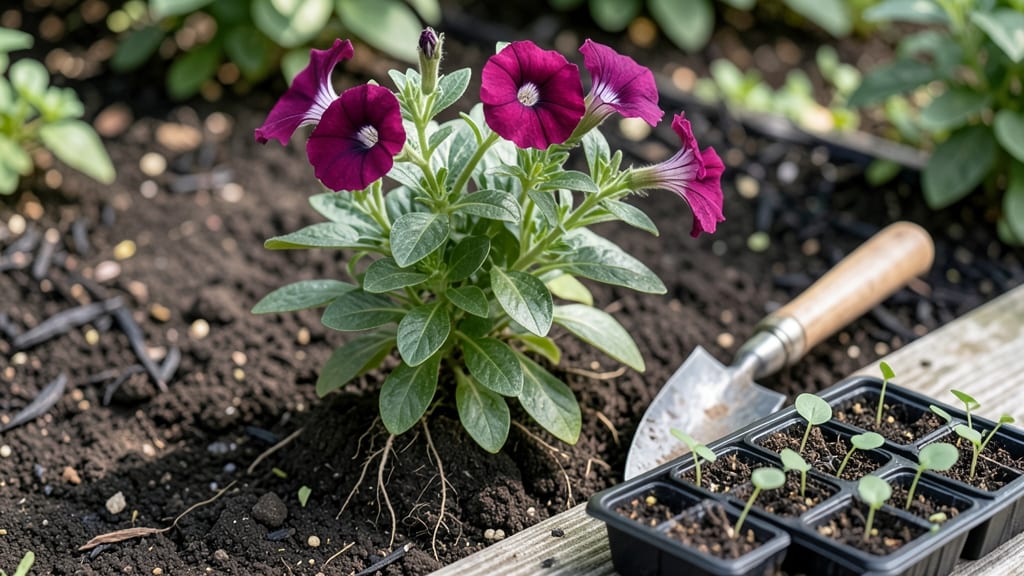
Here are some flower gardening tips for beginners—start with foolproof blooms like marigolds, sunflowers, and petunias, which practically grow themselves even if you forget to water them. 🌻 (I’ve still killed more annuals than I’d like to admit.) them for a week.
The secret isn’t luck; it’s matching their needs to your space and schedule.
You’ll need sunlight, soil, and a shovel—that’s it. Most beginner flowers want 6+ hours of sun, well-draining soil (mix in compost if yours is heavy clay), and a spot where you can actually reach them to weed.
I use 5-gallon buckets for containers to avoid overwatering, and they’ve saved my patio plants more times than I can count.
By summer’s end, you’ll have vibrant blooms that attract butterflies and make your neighbors ask, “What’s your secret?” The key is consistent watering (deep but infrequent) and deadheading spent flowers to encourage more blooms. Even my black thumb can’t kill these.
Works for balconies, borders, or backyard plots—just adjust spacing. Let’s get those first flowers planted and keep them thriving all season long.
📚 In This Guide
- What you need
- Instructions
- Tips and common mistakes
- Wrapping up and next steps
What you need
- ● Garden soil: 1–2 bags of high-quality potting mix or garden soil (look for organic options with compost or peat moss). (~$10–$20 per bag)
- ● Seeds or seedlings: Choose beginner-friendly flowers like marigolds, sunflowers, or petunias. Start with 5–10 plants or seed packets.
- ● Watering can or hose: A lightweight, 1–2 gallon can with a rose nozzle (or a simple hose with adjustable spray).
- ● Gloves: A pair of durable gardening gloves (nitrile-coated for grip and protection).
- ● Hand trowel: A stainless steel or ergonomic trowel for digging and transplanting.
- ● Pruners: Bypass pruners (sharp, clean-cutting blades) for trimming and harvesting.
- ● Sunlight access: A spot with at least 6 hours of sunlight daily (adjust for shade-loving flowers if needed).
- ● Containers or garden bed: Containers: 5–10 5–10 gallon pots with drainage holes (terracotta or plastic).
- ● Garden bed: A 6x6 ft or larger patch of cleared, level ground.
- ● Mulch: Shredded bark or straw to retain moisture and suppress weeds.
- ● Fertilizer: A slow-release granular or liquid fertilizer (look for balanced NPK like 10-10-10).
- ● Soil pH tester: To check if your soil needs lime (to raise pH) or sulfur (to lower pH).
- ● Knee pad or stool: For comfort during long gardening sessions.
- ● Plant labels: Waterproof tags or a notebook to track what you’ve planted.
- ● Rain gauge or moisture meter: To monitor watering needs accurately.
Step-by-step instructions for creating a beginner-friendly flower garden
Here's how to build a vibrant flower garden that thrives with minimal fuss.
🌱 Step 1: Choose the Right Location and Prepare the Soil
Start by selecting a spot that gets at least 6 hours of sunlight daily—most annuals and perennials thrive with full sun exposure. Avoid low-lying areas where cold air settles, as this can damage tender plants. Clear the area of weeds and debris, then loosen the soil to a depth of 12 inches using a garden fork or tiller.
Amend the soil with 2-3 inches of compost to improve drainage and fertility. Work it into the top 6 inches of soil until it looks dark and crumbly. If your soil is heavy clay, mix in sand or perlite to lighten it. The goal is soil that holds moisture but doesn't stay soggy—think of it like a damp sponge rather than a wet rag.
☀️ Step 2: Plan Your Layout for Season-Long Color
Group plants by their sunlight and water needs to simplify care. Place taller flowers like sunflowers or delphiniums at the back of the bed, medium-height varieties like black-eyed Susans or coneflowers in the middle, and low-growing annuals like pansies or petunias at the front. This creates a natural tiered effect and prevents smaller plants from being shaded out.
Space plants according to their mature size—check the tags or seed packets for spacing guidelines. Crowding leads to competition for nutrients and air circulation, which invites disease. For example, marigolds need 12-18 inches apart, while impatiens can grow happily 6-10 inches apart. A well-planned layout means less weeding and happier plants.
💧 Step 3: Water Deeply and Establish a Routine
Water your new garden deeply once a week, providing 1-1.5 inches of water per session. This encourages roots to grow downward in search of moisture, making plants more drought-resistant over time. Water in the early morning to reduce evaporation and fungal risks. Avoid overhead watering later in the day, as wet leaves can lead to mildew.
Use a rain gauge or tuna can to measure water depth—fill it with water and place it in the garden to track how much you're applying. Mulch around plants with 2-3 inches of organic mulch (like shredded bark or straw) to retain moisture and suppress weeds. Mulch also keeps soil temperatures stable, which is especially helpful in hot climates.
✂️ Step 4: Deadhead and Maintain for Continuous Blooms
Deadheading—removing spent blooms—extends the flowering season by redirecting the plant's energy into producing more flowers. Use clean, sharp pruners or just pinch off faded blooms with your fingers. For example, zinnias and dahlias bloom profusely when deadheaded regularly, while lavender benefits from a light trim after flowering to encourage bushiness.
Fertilize lightly every 4-6 weeks with a balanced 10-10-10 or 20-20-20 formula during the growing season. Over-fertilizing leads to lush foliage but fewer flowers. Watch for signs of nutrient deficiencies—yellow leaves often mean nitrogen is lacking, while purple stems can indicate phosphorus deficiency. Adjust your feeding routine accordingly.
🌿 Step 5: Monitor and Adjust for Seasonal Changes
As seasons shift, adjust your care routine. In spring, focus on removing dead foliage and adding fresh mulch. In summer, increase watering if rainfall is scarce, and watch for pests like aphids or spider mites—treat infestations early with neem oil or insecticidal soap. In fall, cut back perennials but leave seed heads for winter interest and wildlife.
Keep a simple garden journal to track what works and what doesn’t. Note which plants thrive in your conditions, which struggle, and any pests or diseases you encounter. This helps you refine your approach year after year. A well-maintained garden becomes easier with experience—soon, you’ll anticipate each plant’s needs before they even happen.
Tips & tricks for perfect flower gardens
Here’s what I’ve learned after years of helping beginners create thriving gardens—these tricks will turn your plot into a blooming success.
The Sunlight Secret: That 6 hours of sunlight daily isn’t just a suggestion—it’s non-negotiable for most flowers. If your spot gets less, opt for shade-tolerant varieties like impatiens or ferns. Morning sun is ideal because it prevents afternoon wilting. I’ve seen gardens fail spectacularly when planted in afternoon shade—trust me, the leaves will tell you when they’re unhappy.
Soil Science Matters: When amending with 2-3 inches of compost, don’t just dump it on top—work it into the top 6 inches of soil. This creates a rich, crumbly texture that holds moisture without becoming waterlogged. For clay soil, mix in sand or perlite to improve drainage. I learned this the hard way when my first garden turned into a swamp after heavy rain—now I test my soil’s drainage by filling a tuna can with water and timing how long it takes to drain.
Layout Like a Pro: The tiered approach in Step 2 isn’t just for looks—it’s about survival. Taller plants at the back prevent shading of smaller ones, which need sunlight to thrive. I always sketch my layout first, using sticks to mark heights. Pro tip: Leave 12-18 inches between marigolds—they’ll thank you with fewer pests and more blooms.
Watering Wisdom: That 1-1.5 inches of water weekly is a guideline, but it’s better to check soil moisture with your finger. Stick it 2 inches deep—if it’s dry, water; if damp, wait. Early morning watering isn’t just about evaporation—it gives leaves time to dry before nightfall, reducing fungal risks. I’ve seen mildew wipe out entire gardens because of late-day watering, so set that timer!
Pro Tips for Flower Gardening Tips For Beginners
- Here’s what I’ve learned after years of helping beginners create thriving gardens—these tricks will turn your plot into a blooming success.
- The Sunlight Secret: That 6 hours of sunlight daily isn’t just a suggestion—it’s non-negotiable for most flowers.
- Soil Science Matters: When amending with 2-3 inches of compost, don’t just dump it on top—work it into the top 6 inches of soil.
Frequently asked questions
Got questions?
You’re not alone—flower gardening for beginners comes with plenty of curiosity! Here are answers to the most common queries to help you grow with confidence.
What’s the easiest flower to grow for absolute beginners?
Start with marigolds, zinnias, or sunflowers—they’re hardy, fast-growing, and thrive in full sun. Pansies and petunias are also forgiving for shadier spots. These flowers tolerate mistakes and reward you with bold blooms quickly!
When is the best time to plant flowers?
Timing depends on your climate! In most regions, spring (after the last frost) and early fall are ideal for annuals. Perennials can go in early spring or fall for root establishment. For tropical flowers, wait until nighttime temps stay above 50°F (10°C).
How often should I water my flowers?
Water deeply 1–2 times per week (more in extreme heat), aiming for 1 inch of water total. Early morning is best to reduce evaporation and fungal risks. Mulch helps retain moisture—just avoid piling it against stems to prevent rot.
What do I do if my flowers get pests or diseases?
First, identify the issue (chewed leaves? Yellow spots?). For pests like aphids, spray with soapy water or introduce ladybugs. Fungal diseases? Improve airflow and avoid overhead watering. Remove affected leaves promptly to stop spread.
Can I grow flowers in containers if I don’t have a yard?
Choose compact varieties like geraniums, basil flowers, or dwarf petunias. Use pots with drainage holes and well-draining soil. Place containers in 6+ hours of sunlight daily, and fertilize lightly every 2–4 weeks.
How do I protect flowers from extreme heat or cold?
For heat: Water deeply at dawn, use shade cloth (30–50% coverage), and mulch to cool roots. For frost: Cover tender plants with burlap or frost blankets or move pots indoors overnight. Succulents and lavender handle heat better than delicate blooms.
Wrapping up and next steps
Starting your flower gardening journey is an exciting step toward bringing beauty and life to your outdoor space! 🌸 By choosing the right plants, preparing your soil, and following simple care tips, you’ll be well on your way to a thriving garden. Remember: patience and consistency are key—even the most experienced gardeners started somewhere!
Now that you’re armed with these no-fail tricks, take the next step: pick a small area, gather your tools, and begin planting! Whether you’re growing vibrant annuals or hardy perennials, every bloom you nurture will reward you with color and joy. Happy gardening—your future garden awaits! 🌱