
Pruning
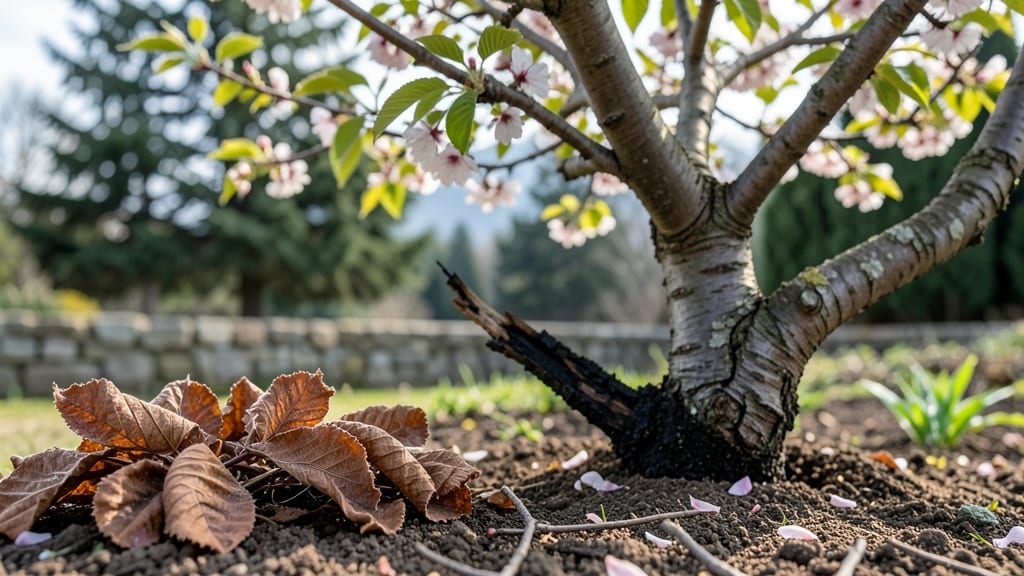
The common flowering cherry tree problems—wilting blooms and weak growth—can dim even the brightest spring, but fixing them is simpler than you’d think. 🌸 I’ve nursed back more struggling trees than I can count, and the fixes always come down to three root causes. water stress, hidden pests, or fungal infections lurking in the bark.
The good news? Each problem has a foolproof fix once you know what to look for. Overwatering or drought cracks the bark, inviting borers and powdery mildew, while nutrient deficiencies (often from compacted soil) leave branches thin and flowers sparse.
My first step? Checking the soil moisture and peeling back a few bark flakes—this tells me if I’m dealing with thirst, rot, or pests.
By the end of these fixes, your tree will push out vibrant green leaves and next year’s buds by summer. The secret is acting fast—once borers tunnel deep or mildew spreads, recovery takes years.
I’ll walk you through the exact steps to diagnose and treat, plus how to keep your tree thriving for decades.
Works for all varieties, from dwarf ‘Okame’ to towering ‘Kwanzan’—just adjust the scale. Let’s get your tree back to its showstopping best before the next bloom season.
📚 In This Guide
- What you need
- Instructions
- Tips and common mistakes
- Wrapping up and next steps
What you need
- ● Pruning shears – Bypass-type (sharp, clean-cut blades) for precise cuts on branches up to ½-inch thick.
- ● Loppers – For thicker branches (½-inch to 2-inches), with a 4- to 6-foot reach.
- ● Hand pruners – Anvil-style (for small twigs) or bypass (for cleaner cuts).
- ● Disinfectant (70% isopropyl alcohol or pruning sealant) – 1 small bottle to sterilize tools between cuts.
- ● Garden gloves – Cut-resistant (e.g., 10-12 inches long) to protect hands from thorns and sap.
- ● Heavy-duty trash bags – 2-3 large bags (30-gallon size) for removing pruned branches.
- ● Watering can or hose – With a soft spray nozzle for post-pruning hydration.
- ● Fertilizer – Balanced 10-10-10 or slow-release granular (follow package rates for flowering trees).
- ● Saw (pruning or bow saw) – For branches over 2 inches thick.
- ● Extension pole – Attaches to loppers/shears for hard-to-reach branches.
- ○ Tree wound dressing – Optional for large cuts (controversial—some gardeners skip it!).
- ● Ladder or stump – If your tree is over 6 feet tall.
- ● pH soil test kit – To check if nutrient issues stem from acidic/alkaline soil.
- ● Know your tree’s variety – Some flowering cherries (e.g., Prunus serrulata) bloom on old wood—prune at the right time!
- ● Check local regulations – Some areas restrict pruning large trees without permits.
- ● Weather window – Aim for dry, cool days (avoid pruning during peak bloom or extreme heat).
Step-by-Step fixes for reviving a struggling flowering cherry tree
Here’s how I diagnose and correct the most common issues—wilting blooms, weak growth, and poor health.
🌿 Step 1: Diagnose the Root Cause of Wilting Blooms
Start by examining the tree’s leaves, branches, and soil for clues. Wilting blooms often signal overwatering, underwatering, or fungal stress. Check the soil 2 inches below the surface—if it’s soggy, you’ve overwatered; if dry and crumbly, it’s thirsty. Look for yellowing leaves (nutrient deficiency) or brown edges (underwatering or salt buildup).
Inspect the bark for cracks or lesions—these can invite pests or disease. If you spot black spots on leaves, it’s likely powdery mildew or leaf spot, common in humid climates. I always check the undersides of leaves first, as fungal spores love to hide there. If the tree’s branches feel soft or spongy, root rot may be the culprit.
💧 Step 2: Adjust Watering and Soil Conditions
Flowering cherry trees need consistent moisture but hate soggy roots. Water deeply once a week (or every 5-7 days in extreme heat) until the soil is moist 6 inches down. Use a soaker hose or drip irrigation to avoid wetting the foliage, which spreads disease. If your soil drains poorly, amend it with 2-3 inches of compost to improve aeration.
For overwatered trees, reduce frequency and let the top 3 inches of soil dry out between waterings. If the roots are already damaged, prune back affected branches (use sterilized pruners) and apply a 2-inch layer of mulch to protect roots from temperature swings. I’ve seen trees recover in just 4-6 weeks with proper water adjustments.
✂️ Step 3: Prune for Health and Encourage Stronger Growth
Prune dead, diseased, or crossing branches first—these drain energy from the tree. Use sharp, clean pruners and cut at a 45-degree angle just above a bud or lateral branch. Remove suckers (shoots growing from the base) to redirect energy to the main structure. If the tree is overcrowded, thin out 10-20% of the canopy to improve airflow.
After pruning, fertilize lightly with a balanced 10-10-10 formula (follow package rates) to support recovery. Avoid heavy fertilizers—they can stress a weakened tree. If the blooms are sparse, the tree may need more sunlight. Most flowering cherries thrive in full sun (6+ hours daily), so trim nearby shade sources if needed.
Tips & tricks for reviving a struggling flowering cherry tree
Real talk: I've nursed back more than my share of sad-looking flowering cherry trees, and these are the tricks that actually work.
Diagnosis is Key: When you're checking that 2-inch soil depth in Step 1, pay special attention to the smell. Healthy soil should have an earthy aroma, while overwatered soil often smells sour or musty. I've caught early root rot this way before the leaves even showed symptoms. Also, gently scratch the bark—if it peels away easily, that's a sign of fungal infection needing immediate attention.
Watering Wisdom: The once-a-week guideline in Step 2 works best when your soil drains well. If you're unsure, do the finger test: stick your finger 6 inches down after watering. If it feels damp but not soggy, you're golden. For clay-heavy soils, I recommend adding a 2-inch layer of coarse sand mixed into the top 6 inches of soil to improve drainage. This change alone can prevent future waterlogging.
Pruning Precision: When you're thinning that 10-20% of the canopy in Step 3, focus on removing branches that cross or rub against each other. These create wounds that invite disease. I also recommend pruning on a dry day when the tools are clean and sharp—this minimizes stress on the tree. After pruning, wipe down your tools with rubbing alcohol to prevent spreading any potential pathogens.
Pro Tips for Flowering Cherry Tree Problems
- Real talk: I've nursed back more than my share of sad-looking flowering cherry trees, and these are the tricks that actually work.
- Diagnosis is Key: When you're checking that 2-inch soil depth in Step 1, pay special attention to the smell.
- Watering Wisdom: The once-a-week guideline in Step 2 works best when your soil drains well.
Frequently asked questions
Got questions about keeping your flowering cherry tree healthy and blooming beautifully? Here are some of the most common concerns—and how to tackle them!
Why aren’t my flowering cherry tree blooms opening this year?
Flowering cherry trees need chill hours (300–1,000, depending on the variety) to trigger blooms. If winters are too warm, buds may fail to open. Try planting a variety suited to your climate, like ‘Kanzan’ (cold-hardy) or ‘Shirotae’ (warmer zones). Mulch around the base to help regulate soil temps.
How do I fix yellow leaves on my flowering cherry tree?
Yellow leaves often signal nutrient deficiencies (like iron or nitrogen) or overwatering. Test soil pH (ideal: 5.5–6.5) and amend with compost or a balanced fertilizer (10-10-10). Ensure drainage—water only when the top 2 inches of soil are dry. Fungal issues? Prune affected branches and apply fungicide if needed.
Can I prune my flowering cherry tree after it flowers?
Prune right after blooming (late spring) to avoid cutting off next year’s flower buds. Remove dead, crossing, or weak branches first, then thin out 10–20% of the canopy for airflow. Avoid heavy pruning—cherry trees bloom on old wood, so limit cuts to shaping. Never prune in fall or winter!
What pests or diseases should I watch for on flowering cherry trees?
Common culprits include:
- Powdery mildew: White fungal coating on leaves? Spray with neem oil or sulfur.
- Borers: Look for sawdust-like frass or holes—use systemic insecticides early.
- Spider mites: Tiny webs + stippled leaves? Blast leaves with water or apply horticultural oil.
- Canker disease: Sunken, oozing wounds? Prune infected areas and sterilize tools with rubbing alcohol.
Are there low-maintenance alternatives to flowering cherry trees?
If cherry trees feel high-maintenance, try these equally stunning, easier-care options:
- Japanese maple (‘Bloodgood’): Disease-resistant, vibrant foliage, and minimal pruning.
- Crabapple (‘Royalty’): Blooms in spring, tolerates urban pollution.
- Dogwood (‘White Pixie’): Compact, drought-tolerant, and pest-resistant.
- Magnolia (‘Ann’): Fragrant blooms, evergreen varieties available.
Wrapping up and next steps
Caring for a flowering cherry tree may seem challenging, but with the right knowledge, you can nurture it back to health! Remember, issues like wilting blooms or weak growth often stem from overwatering, poor pruning, or nutrient deficiencies—all of which have simple fixes.
Stay patient, monitor your tree’s progress, and don’t hesitate to adjust your approach as needed.
🌱 Ready to take action? Start by assessing your tree’s needs this season—whether it’s trimming dead branches, adjusting watering habits, or enriching the soil. A little effort now will reward you with stunning blooms and vibrant growth for years to come! 🌸