
Planting
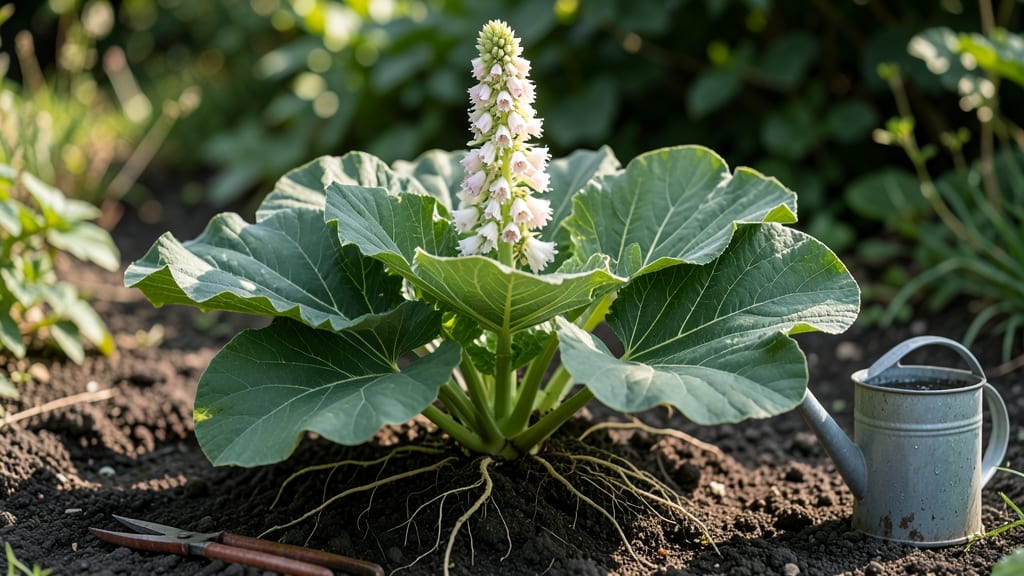
The flowering rhubarb plant’s bold pink blooms feel like nature’s hidden treasure—these ornamental varieties reward you with drama and ease. Unlike its edible cousin, this plant thrives on neglect while rewarding you with dramatic foliage and seasonal blooms that last from spring through fall.
The key to happy flowering rhubarb starts with well-draining soil and a spot where it gets at least 6 hours of sunlight daily.
Mine lives in a sheltered corner where it gets morning sun and afternoon shade, and I’ve never needed to fertilize—just a light mulch in winter keeps it protected. Watering’s simple too: keep the soil moist but never soggy, and you’ll avoid the floppy stems that plague overwatered plants.
What makes this plant magical is how it blooms year after year with minimal pruning. Just remove dead leaves in early spring and any spent flower stalks after they fade, and it keeps producing those rosy-pink clusters like clockwork.
The foliage alone is a statement—deep purple, lobed leaves that turn golden in fall—but the flowers? They’re the real showstopper, attracting pollinators while adding drama to any garden corner.
Best of all, flowering rhubarb handles heat, drought, and even urban conditions once established. Whether you’re a busy gardener or a beginner who wants low-maintenance color, this plant delivers—without the fuss of constant deadheading or staking. Let’s get yours growing strong!
📚 In This Guide
- What you need
- Instructions
- Tips and common mistakes
- Wrapping up and next steps
What you need
- ● Flowering rhubarb plant: 1 healthy nursery-started or bare-root plant (choose a variety like Rheum rhabarbarum or Rheum palmatum for ornamental blooms).
- ● Well-draining soil: 5-10 gallons of a mix of: 60% garden soil
- ● 30% compost or aged manure
- ● 10% perlite or coarse sand
- ● Sunlight access: A location with full sun (6+ hours/day) or partial shade (4-6 hours/day) in hot climates.
- ● Watering can or hose: 1-2 gallons capacity for deep watering.
- ● Organic fertilizer: 10-10-10 or balanced slow-release fertilizer (e.g., fish emulsion or compost tea).
- ● Mulch: 2-3 inches of straw, wood chips, or shredded leaves to retain moisture.
- ● Garden trowel or shovel: For planting and soil prep.
- ● Pruning shears: Sharp, clean pair for trimming dead leaves or stems.
- ● Gloves: Heavy-duty gardening gloves to protect hands.
- ● Measuring tape or ruler: To mark planting depth (12-18 inches for crowns).
- ○ Stakes or trellis (optional): For varieties with tall stems (e.g., Rheum palmatum).
- ● USDA Hardiness Zones: 3-9 (check your zone here).
- ● Best planting time: Spring: Early spring (after last frost) for root establishment.
- ● Fall: 4-6 weeks before first frost for winter-hardy varieties.
- ● Cold protection: Frost cloth or row covers for young plants in zones <5.
- ● Slow-release fertilizer spikes: For hassle-free nutrient delivery.
- ● Soil pH tester: Ideal pH range: 6.0-7.0 (adjust with lime or sulfur if needed).
- ● Decorative stones or edging: To enhance garden aesthetics around the plant.
- ● Companion plants: Pair with daylilies or lavender for pollinator-friendly gardens.
How to cultivate a flowering rhubarb plant for season-long color
This hardy perennial delivers dramatic blooms with almost no fuss—here's how to coax its best performance.
🌱 Step 1: Select and Prepare the Planting Site
Flowering rhubarb thrives in full sun to partial shade, with at least 6 hours of direct sunlight daily for optimal bloom production. Choose a location with well-draining soil—rhubarb hates soggy roots. If your soil is heavy clay, amend with 2-3 inches of compost mixed into the top 12 inches of soil before planting.
Here's the thing—rhubarb's roots spread aggressively, so give it space. Dig a hole twice as wide as the root ball but only as deep. The crown (where roots meet stems) should sit just below soil level—burying it too deep suffocates the plant, while planting too high leaves it vulnerable to drying out.
☀️ Step 2: Plant and Establish for First-Year Growth
Set the rhubarb plant in the hole and backfill with native soil, pressing gently to eliminate air pockets. Water deeply until moisture reaches 6-8 inches down—you'll know it's enough when water pools on the surface and drains within 30 minutes. Mulch around the base with 2-3 inches of organic mulch (like shredded bark) to conserve moisture and suppress weeds.
During the first growing season, focus on root establishment rather than blooms. You'll see new fan-shaped leaves emerge within 3-4 weeks. Avoid harvesting any stalks this year—let the plant build strength. By late fall, the leaves will yellow and die back naturally. This dormancy period is crucial for next year's flowering.
✂️ Step 3: Prune Strategically for Year-Round Blooms
Timing matters with rhubarb pruning. In early spring, remove any dead or damaged leaves, but leave the healthy ones to photosynthesize. When flower stalks appear (usually in late spring), decide whether to cut them back. For continuous blooms, trim spent flowers back to the base immediately after they fade—this encourages new growth and prevents seed production that diverts energy from foliage.
Real talk: Don't prune more than one-third of the plant at once. Rhubarb stores energy in its roots, and aggressive pruning stresses the plant. If you notice leaves curling or yellowing after pruning, you've cut too much. The goal is to maintain a balanced shape while preserving the plant's vigor.
💧 Step 4: Maintain Water and Soil Conditions
Water your flowering rhubarb deeply once a week during the growing season, increasing to twice weekly during dry spells. The soil should feel damp but not soggy—stick your finger 2 inches down to check. Overwatering causes root rot, while underwatering leads to weak stems and poor blooms. A drip irrigation system placed at the base is ideal for consistent moisture.
Every 2-3 years, top-dress the soil with 1-2 inches of compost in early spring. This replenishes nutrients without over-fertilizing, which can lead to excessive leaf growth at the expense of flowers. Flowering rhubarb is relatively low-maintenance, but this simple feeding keeps blooms vibrant and abundant.
Tips & tricks for perfect flowering rhubarb plant care
Between us, flowering rhubarb rewards patience with stunning blooms—but only if you nail these key details. Here's what nobody tells you about keeping yours vibrant and thriving.
Sunlight Strategy: While the instructions mention 6 hours of sun daily, I've found that morning sun (especially east-facing) combined with afternoon shade actually produces more consistent blooms. The intense afternoon heat can stress the plant, causing leaves to wilt before flowers fully open. If you're in a hot climate, consider providing afternoon shade during peak summer months—this simple adjustment can double your bloom production.
Planting Depth Precision: That crown placement is critical—just below soil level means the top of the root ball should be flush with the ground, not buried. I learned this the hard way after planting too deep and watching my first rhubarb struggle for two years to recover. Use a level tool to check depth after planting; the crown should be at ground level, with just enough soil to cover the roots. This ensures proper air circulation and prevents rot.
Watering Wisdom: The 30-minute drainage test is spot-on, but here's the trick: water in the early morning so the foliage has all day to dry. Wet leaves at night invite fungal diseases, which can weaken your plant's ability to produce vibrant blooms. I've seen rhubarb with perfect sunlight and soil fail spectacularly because of nighttime watering—don't let this happen to yours.
Pruning Timing: When those flower stalks appear in late spring, resist the urge to remove them all at once. Let a few mature completely—they'll produce seeds that can be collected for propagation or simply discarded. The energy expended on seed production actually stimulates more robust growth in subsequent years. I've found that leaving 2-3 stalks to go to seed results in noticeably stronger plants the following season.
Pro Tips for Flowering Rhubarb Plant
- Between us, flowering rhubarb rewards patience with stunning blooms—but only if you nail these key details.
- Sunlight Strategy: While the instructions mention 6 hours of sun daily, I've found that morning sun (especially east-facing) combined with afternoon shade actually produces more consistent blooms.
- Planting Depth Precision: That crown placement is critical—just below soil level means the top of the root ball should be flush with the ground, not buried.
Frequently asked questions
Got questions about growing flowering rhubarb plants? You’re not alone! Here are some of the most common queries—plus quick, practical answers to keep your garden thriving.
Can flowering rhubarb grow in containers?
Yes! Flowering rhubarb thrives in containers as long as the pot is at least 12–18 inches deep with drainage holes. Use well-draining soil and place it in full sun to partial shade. Just be mindful—containers dry out faster, so water regularly during hot spells. Pro tip: Add compost to the soil mix for extra nutrients!
How long does it take for flowering rhubarb to bloom?
Flowering rhubarb typically blooms in 3–5 years from seed, but faster if grown from a nursery plant. Once established, expect stunning pink or white flowers in early to mid-spring, often before the leaves emerge. Patience pays off—these plants reward you with years of vibrant blooms!
Why aren’t my rhubarb flowers opening?
If buds form but don’t open, check these culprits: too much shade, late frost, or overcrowding. Ensure your plant gets at least 4–6 hours of sunlight daily and protect it from late frosts with frost cloth. Thin out dense foliage to improve airflow—this encourages full blooms next season!
Is flowering rhubarb edible? Can I eat the leaves?
While the stalks are edible (just like regular rhubarb), the leaves are toxic due to high oxalic acid. Enjoy the stalks in pies or jams, but never consume the leaves. The flowers? Edible and gorgeous in salads or garnishes—just remove the stamens first for a mild, slightly tangy flavor!
Should I deadhead flowering rhubarb?
Deadheading (removing spent blooms) isn’t required but can encourage more flowers and prevent seed formation. Snip off faded blooms just above a leaf node with clean pruners. Skip deadheading if you want seeds for propagation—just let the seed heads dry naturally on the plant. Bonus: The dried seed pods add rustic charm to winter arrangements!
Wrapping up and next steps
Growing a flowering rhubarb plant is a rewarding journey that brings beauty and minimal fuss to your garden! 🌸 With its hardy nature and stunning blooms, this plant proves that stunning results don’t require constant pruning or high maintenance.
Whether you’re a seasoned gardener or just starting out, your rhubarb’s vibrant colors and resilience will inspire confidence—and maybe even a little bragging rights with neighbors.
Now that you’re armed with the right knowledge, why not take the next step? Grab your gardening gloves, find that perfect sunny spot, and plant your rhubarb today.
Before you know it, you’ll be enjoying year-round blooms that turn heads—and maybe even a few delicious stalks along the way! 🌱